

“Smothered” is one of the great verbs of Southern cooking. To smother a piece of meat means to brown it well, then bury it under a blanket of onions and gravy and let it simmer, low and slow, until it surrenders completely. Smothered chicken is Sunday-dinner food, church-supper food, and Tuesday-night comfort food all at once — a dish built from the humblest ingredients: chicken, flour, onions, and patience.
The method is thrifty and old. Cooks seasoned and floured whatever chicken they had, fried it just long enough to get a deep crust and a pan full of flavourful drippings, then turned those drippings into a brown gravy right in the same skillet. The chicken went back in, the lid went on, and the stove did the rest. By the time it came to the table, the coating had melted into the gravy, the onions had gone sweet and silky, and the meat was so tender it slid from the bone at the touch of a fork.
This recipe makes a rich, mahogany-brown onion gravy — not the pale, floury kind. The secret is browning the flour in the drippings until it smells nutty and looks like the colour of a copper penny, then letting the chicken braise gently in the gravy until everything becomes one. Serve it over rice or mashed potatoes so not a drop of that gravy goes to waste.
Serves: 4–6 | Prep time: 20 minutes | Cook time: 1 hour 10 minutes | Total time: about 1 hour 30 minutes
Ingredients
For the chicken
- 3 lb (1.4 kg) bone-in, skin-on chicken pieces — thighs and drumsticks are ideal; a cut-up whole chicken also works
- 1½ teaspoons (9 g) fine salt
- 1 teaspoon (3 g) black pepper
- 1 teaspoon (3 g) paprika
- 1 teaspoon (3 g) garlic powder
- ½ teaspoon (1.5 g) onion powder
- ½ teaspoon (1 g) cayenne pepper (optional)
- ½ cup (65 g) all-purpose flour, for dredging (you will use the leftover flour for the gravy)
- 3 tablespoons (45 ml) vegetable oil or bacon drippings, for browning
For the brown gravy
- 2 large yellow onions (about 500 g), halved and sliced into half-moons
- 1 medium green bell pepper (about 150 g), diced (optional but traditional in many kitchens)
- 3 garlic cloves (about 9 g), minced
- ¼ cup (30 g) all-purpose flour — use the leftover dredging flour, topped up if needed
- 3 cups (720 ml) low-sodium chicken stock or broth, warmed
- 1 teaspoon (5 ml) Worcestershire sauce
- ½ teaspoon (1.5 g) dried thyme, or 2 sprigs fresh thyme
- 1 bay leaf
- Salt and black pepper, to finish
- 2 tablespoons (8 g) chopped fresh parsley, to serve (optional)
A Note on the Chicken
Dark meat is the traditional and best choice for smothering. Thighs and drumsticks stay silky through the long braise and give the gravy deep chicken flavour, while breast meat — especially boneless, skinless breast — tends to dry out and turn stringy with this cooking time. If you must use breasts, choose bone-in, skin-on split breasts, cut them in half crosswise so they are thigh-sized, and check them 15 minutes early. The skin is not eaten crisp here — it softens into the gravy and flavours it — so do not be tempted to remove it before cooking; it protects the meat and enriches the sauce.

Step-by-Step Method
- Season the chicken (5 minutes). Pat the chicken pieces dry with paper towels — dry skin browns, wet skin steams. Mix the salt, black pepper, paprika, garlic powder, onion powder, and cayenne in a small bowl, then sprinkle the mixture over every surface of the chicken, rubbing it in lightly.
- Dredge in flour (3 minutes). Put the ½ cup (65 g) of flour in a shallow dish. Coat each piece of chicken in flour, pressing gently so it sticks, and shake off the excess. Set the chicken on a plate. Save every bit of the leftover seasoned flour — it becomes the gravy, already seasoned. Keep it away from the raw chicken plate once you start cooking, and note it will be cooked thoroughly in the gravy.
- Brown the chicken (12–15 minutes). Heat the oil or drippings in a large, heavy skillet or Dutch oven (cast iron is perfect) over medium-high heat until shimmering. Add the chicken skin-side down in a single layer, working in batches if needed so the pan is not crowded. Brown for 5–6 minutes without moving it, until the crust is deep golden, then turn and brown 3–4 minutes on the second side. The chicken will not be cooked through — it finishes in the gravy. Transfer to a clean plate, leaving all the drippings and browned bits in the pan.

- Soften the onions (8–10 minutes). Reduce the heat to medium. Add the sliced onions (and bell pepper, if using) to the drippings, scraping up the browned bits as the onions release their moisture. Cook, stirring now and then, for 8–10 minutes, until the onions are soft, golden, and sweet. Add the garlic and cook 1 minute more.
- Make the roux (3–4 minutes). Sprinkle the ¼ cup (30 g) of reserved flour evenly over the onions and stir constantly for 3–4 minutes. The flour will coat the onions and slowly turn from pale to a rich medium brown, smelling nutty and toasty. This browning is where the gravy’s colour and depth come from — do not rush it, but do not let it scorch black either. If it darkens too fast, pull the pan off the heat for a moment.
- Build the gravy (5 minutes). Slowly pour in the warm chicken stock a splash at a time, whisking or stirring firmly after each addition to keep the gravy smooth. Once all the stock is in, add the Worcestershire sauce, thyme, and bay leaf. Bring to a gentle boil, then reduce to a simmer for 3–4 minutes, until the gravy thickens to the consistency of heavy cream. It will thicken further as the chicken braises, so it should look slightly loose at this stage.
- Return the chicken and smother (35–45 minutes). Nestle the chicken pieces back into the gravy, skin-side up, spooning gravy and onions over the top of each piece. Pour in any juices from the plate. Cover with a lid set slightly ajar, reduce the heat to low, and simmer gently — lazy bubbles, never a rolling boil — for 35–45 minutes, until the chicken is very tender and registers at least 175°F (80°C) for dark meat on an instant-read thermometer, and the meat pulls easily from the bone.
- Rest and adjust (5 minutes). Remove the bay leaf. Let the skillet sit off the heat for 5 minutes. Taste the gravy and adjust with salt and plenty of black pepper. If the gravy is thicker than you like, stir in a splash of stock or water; if it is too thin, simmer uncovered for a few minutes more.
- Serve. Spoon rice or mashed potatoes onto plates, top with a piece of chicken, and ladle generously with gravy and onions. Scatter with parsley if you like, and bring the skillet to the table for second helpings of gravy.
Tips for Perfect Results
- Brown is flavour — twice. A deep crust on the chicken and a properly browned roux are the two places this dish gets its character. Pale chicken and raw-tasting flour make a pale, flat gravy. Give both steps their full time.
- Warm stock prevents lumps. Adding cold stock to a hot roux can shock it into lumps. Warm the stock in a saucepan or the microwave first, add it gradually, and stir constantly at the start.
- Keep the braise gentle. A hard boil will break the gravy and toughen the coating. You want the surface of the gravy to barely tremble, with an occasional lazy bubble.
- Skim if you like. Chicken skin renders fat into the gravy. If the surface looks oily after braising, tilt the pan and spoon off the excess, or blot with a paper towel. A little fat is flavour; a slick is too much.
- One pan, no waste. Everything happens in the skillet the chicken browned in. Those dark, stuck-on bits (the fond) are concentrated flavour — the onions and stock dissolve them into the gravy. Never wash the pan between browning and gravy-making.
- Gravy thickness is adjustable. Remember the gravy thickens as it stands and as the floured coating melts into it. Aim slightly thinner than your ideal at the stove, and it will be perfect at the table.
- Give the onions their full time. Those sliced onions are doing double duty: they sweeten as they soften, and they dissolve into the gravy to give it body. If you rush them, the gravy will taste of raw onion and the texture will be stringy instead of silky. Ten unhurried minutes over medium heat, stirring now and then, turns them into the backbone of the dish. A pinch of salt over the onions as they cook helps them release their moisture and start softening faster.
- Taste the flour mixture before you start. The dredging flour is already seasoned from the chicken, which means the gravy is seasoned from its first minute. If you seasoned the chicken boldly, the gravy will need little more than a final adjustment — one more reason not to be shy with the salt and pepper at the very beginning of the recipe.
Variations and Substitutions
- Smothered chicken with mushrooms. Add 8 oz (225 g) of sliced cremini mushrooms with the onions for an earthier gravy.
- Smothered pork chops. The same method works beautifully with bone-in pork chops about 1 inch (2.5 cm) thick: brown well, braise 30–40 minutes, until tender.
- A little cream at the end. For a richer, silkier gravy, stir in ¼ cup (60 ml) of heavy cream after the chicken is done. Not traditional everywhere, but undeniably good.
- Cajun-leaning version. Use the full “trinity” — onion, bell pepper, and a stalk of diced celery (about 60 g) — plus an extra ½ teaspoon of cayenne and a pinch of dried oregano.
- Boneless thighs. Boneless, skinless thighs work and cook faster: brown 4 minutes per side and braise 25–30 minutes. The gravy will be a touch less rich, but still excellent.
- Gluten-free. Dredge the chicken in a gluten-free all-purpose flour blend and use the same blend for the roux, with certified gluten-free stock and Worcestershire sauce.
What to Serve With
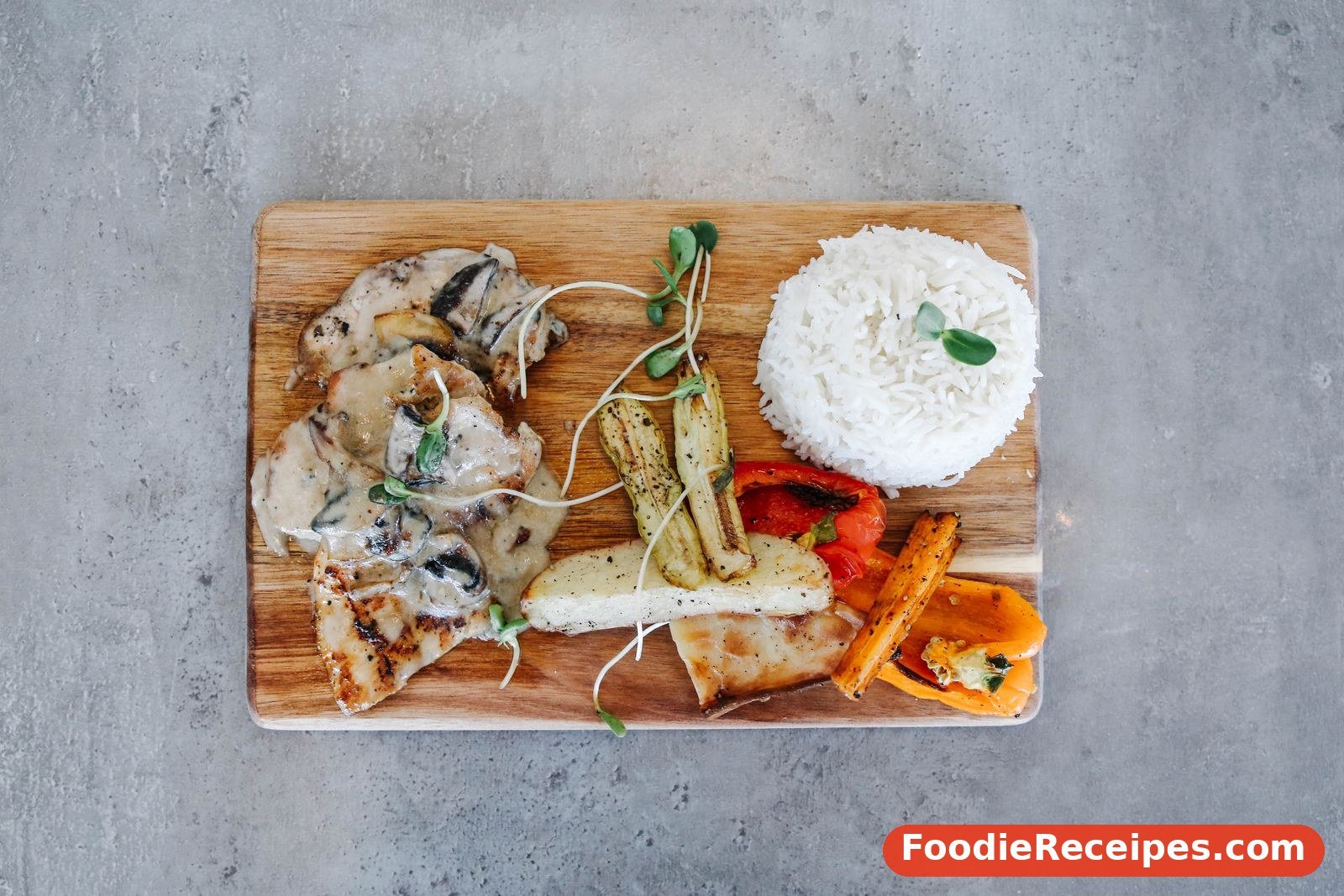
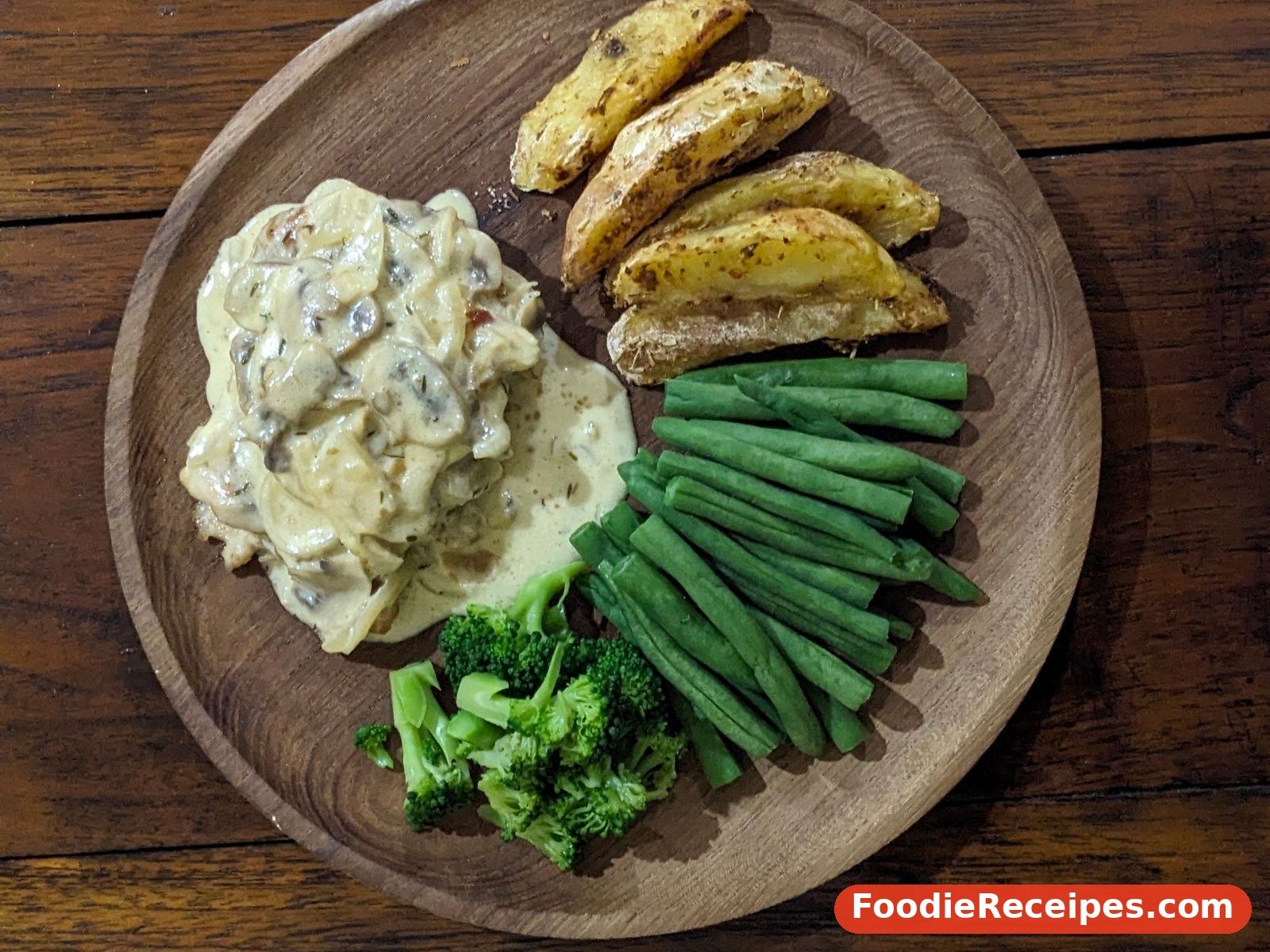
Smothered chicken demands something starchy underneath to catch the gravy: steamed white rice is the most traditional partner across the South, with mashed potatoes a close second. Add a green vegetable for balance — Southern green beans with potatoes and bacon, collard greens, fried cabbage, or simple buttered peas. Cornbread or buttermilk biscuits for the table are not optional in spirit, even if they are on paper: you will want something to chase the last of the gravy around the plate. A crisp cucumber and onion salad in vinegar cuts the richness nicely.
Serving and Storage
Serve smothered chicken straight from the skillet, family-style, with the gravy spoon kept handy. Leftovers are famously good — many cooks swear the dish is even better the next day, once the flavours have married overnight.
In the fridge: Cool leftovers, then store chicken and gravy together in an airtight container for up to 3–4 days. Storing the chicken in its gravy keeps it moist.
In the freezer: Smothered chicken freezes very well for up to 3 months. Portion chicken and gravy into freezer containers, leaving a little headspace, and freeze. Thaw overnight in the refrigerator.
To reheat: Reheat gently on the stove over low heat, covered, for 15–20 minutes, until the chicken is heated through to 165°F (74°C). The gravy will have thickened in the fridge — loosen it with a splash of stock or water as it warms. Microwaving works (cover and use medium power, turning once), but the stovetop gives the best texture. Reheated in its gravy, the chicken stays tender and never dries out.
Leftover ideas: Shred leftover chicken into its gravy and serve over biscuits for a second-night supper, stir it into cooked egg noodles, or use it as the filling for a chicken pot pie topped with biscuit dough.
Frequently Asked Questions
Why is it called “smothered” chicken?
Because the chicken cooks buried — smothered — under a thick covering of gravy and onions. The term shows up across Southern and Creole cooking for anything braised in gravy this way: smothered pork chops, smothered okra, smothered cabbage.
Can I use boneless, skinless chicken breasts?
You can, but braise them gently and check early — about 25–30 minutes — and only until they reach 165°F (74°C). Breasts dry out with long cooking, so thighs are strongly recommended for the true, falling-apart texture. If breasts are what you have, add them for just the last portion of the braise.
My gravy came out lumpy. How do I fix it?
Whisk vigorously first; small lumps often smooth out as the gravy simmers. For stubborn lumps, pour the gravy through a strainer before returning the chicken, or whisk in a slurry of 1 tablespoon flour and 2 tablespoons cold water carefully — though prevention (warm stock, added slowly) is easier than the cure.
How dark should the roux be?
Aim for the colour of a copper penny or milk chocolate — a confident medium brown with a nutty smell. Paler than that and the gravy tastes floury; darker, into near-black, and it turns bitter and must be started over. It should take 3–4 minutes of constant stirring in this recipe, since the flour is spread through the onions rather than in pure fat.
Can I make smothered chicken in a slow cooker?
Yes, with the browning done on the stove first — that step is not optional for flavour. Brown the chicken, build the gravy in the skillet, then combine everything in a slow cooker and cook on LOW for 4–5 hours or HIGH for 2½–3 hours, until the chicken is very tender.
The gravy tastes bland. What does it need?
Almost always salt, black pepper, and acid, in that order. Salt wakes everything up; the Worcestershire already in the recipe adds depth; an extra splash of it, or a tiny splash of hot sauce or vinegar at the end, brightens the whole pan without tasting sour.
Can I make it ahead for company?
Smothered chicken is an ideal make-ahead main dish. Cook it fully a day ahead, refrigerate it in its gravy, and reheat gently on the stove. The flavour improves overnight, and you are free when guests arrive.
What if my gravy is too thin at the end?
Simmer it uncovered for 5–10 minutes to reduce, or remove the chicken and whisk in a small cornstarch slurry (1 tablespoon cornstarch mixed with 1 tablespoon cold water) and simmer 1 minute. The coating from the chicken also continues to thicken the gravy as it rests.
Final Thoughts
Smothered chicken is proof that a great Southern dinner does not need expensive ingredients — it needs a heavy pan, a well-browned roux, and the patience to let gravy do its quiet magic. Once you have made it once, the rhythm becomes second nature: brown, soften, stir, simmer. Ladle it over rice, pass the cornbread, and watch the table go quiet in the best possible way.