
If there is a vegetable that Southern cooks have always known how to make exciting, it is cabbage. Fried cabbage with bacon is humble food in the best sense: one head of cabbage, a few slices of bacon, an onion, and a hot skillet, turned into a side dish so savoury and satisfying that it regularly steals the table from the main course. It shows up at Sunday dinners, at fish fries, at New Year’s Day meals next to black-eyed peas and collards (cabbage, like greens, is said to bring prosperity), and on weeknights whenever a cook needs something fast, cheap, and deeply comforting.
The magic is in the method. The bacon renders first, giving up its smoky fat, and the cabbage fries in that fat until it wilts, softens, and — this is the important part — starts to caramelise in golden patches where it sits undisturbed against the hot iron. A splash of apple cider vinegar at the end lifts all that richness, and a pinch of sugar (just a pinch, and optional) coaxes the browning along and rounds out the flavour the way generations of Southern cooks have done.
This is a one-skillet, thirty-minute recipe with a short ingredient list and a very forgiving nature, but a few details separate good fried cabbage from great fried cabbage: cutting the cabbage in ribbons so it cooks evenly, letting it sit in the pan long enough to brown instead of stirring it constantly, and seasoning in layers. Get those right and you will have a skillet of cabbage so good that people who claim not to like cabbage will ask for seconds.
Serves: 6 as a side dish (4 as a generous main with sausage) | Prep time: 15 minutes | Cook time: 25 minutes | Total time: about 40 minutes
Ingredients
- 1 medium head green cabbage, about 2½ lb (1.1 kg), cored and cut into ribbons (see notes below)
- 6 slices thick-cut bacon (about 200 g), cut into ½-inch (1.3 cm) pieces
- 1 large yellow onion (about 250 g), halved and thinly sliced
- 3 garlic cloves (about 9 g), minced
- 1 teaspoon (6 g) fine salt, plus more to taste — go easy at first, the bacon is salty
- 1 teaspoon (3 g) black pepper, freshly ground if possible
- ½ teaspoon (1.5 g) smoked paprika (or sweet paprika)
- ¼ teaspoon (0.5 g) crushed red pepper flakes (optional, for gentle heat)
- 1 teaspoon (4 g) granulated sugar (optional but traditional in many kitchens — it aids caramelisation and balances the vinegar)
- 1 tablespoon (15 ml) apple cider vinegar, plus more to serve
- 2 tablespoons (30 ml) chicken stock or water (only if needed, to help the cabbage steam at the start)
- 2 green onions (about 30 g), thinly sliced, to serve (optional)
How to Cut the Cabbage
Cut the cabbage into quarters through the core, then cut out the hard core from each quarter at an angle. Lay each quarter flat-side down and slice it crosswise into ribbons about ½ inch (1.3 cm) wide. Ribbons cook more evenly than chopped chunks: every piece has both tender outer leaf and firmer inner leaf, and the long strands tangle pleasantly with the bacon and onion. You will have what looks like an alarming mountain of cabbage — roughly 10–12 cups (700–800 g once cut). Do not worry. Cabbage collapses dramatically as it cooks, shrinking to about a third of its raw volume, which is why this recipe starts with a whole head.
Choosing Cabbage and Bacon
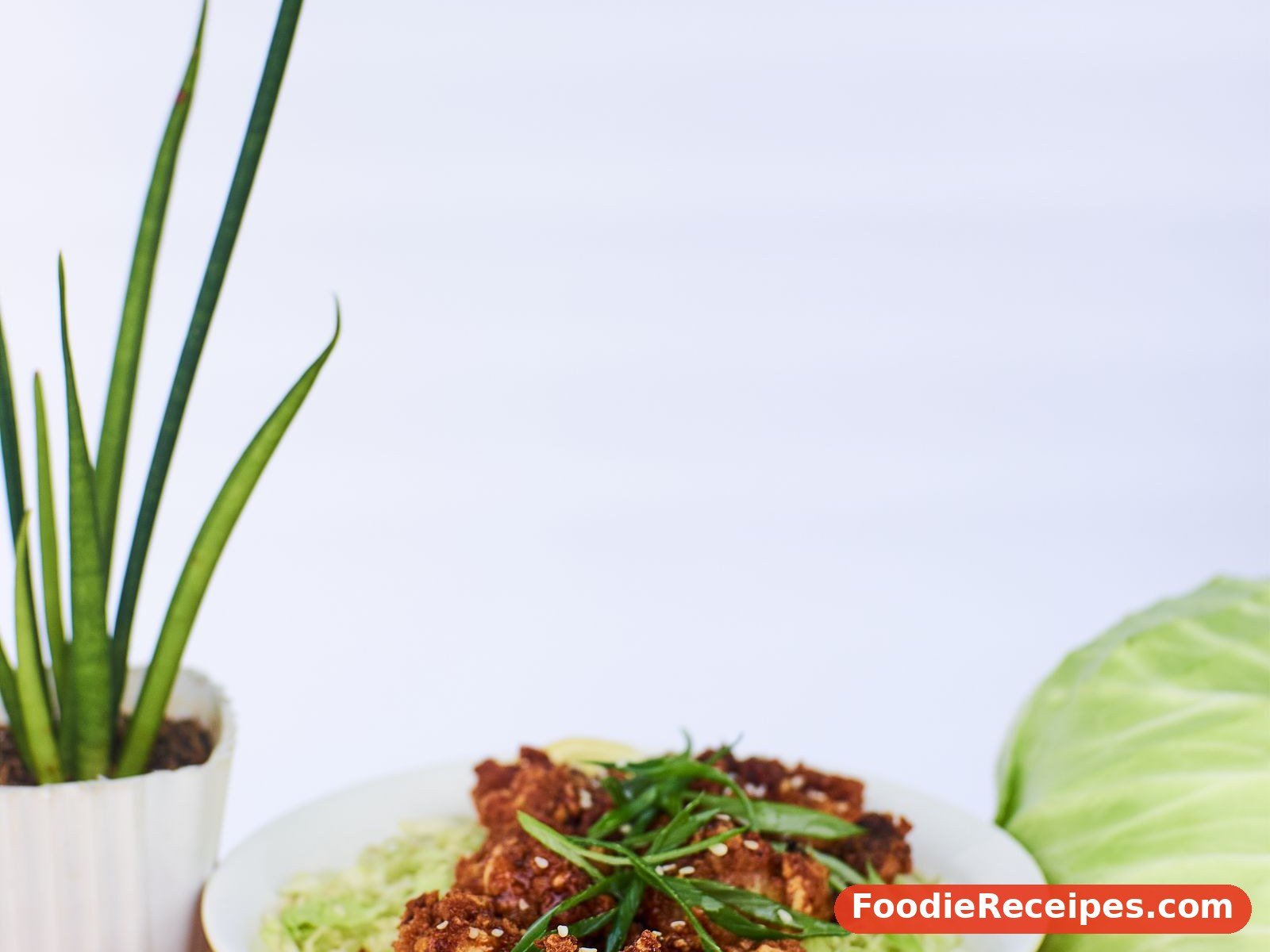
Pick a cabbage that feels heavy for its size with tight, crisp, pale-green leaves; avoid heads with wilted or yellowing outer leaves. Plain green cabbage is the classic choice — savoy is too delicate and red cabbage, while pretty, turns an odd blue-grey in the skillet and is better in slaws. For the bacon, thick-cut smoky bacon gives the most flavour and the sturdiest pieces; standard bacon works fine too. The bacon is not a garnish here — its rendered fat is the cooking medium and half the seasoning, so choose bacon you would happily eat on its own.
Step-by-Step Method
- Prep everything first (10 minutes). Cut the cabbage into ribbons, slice the onion, mince the garlic, and cut the bacon into pieces. Fried cabbage moves quickly once the pan is hot, and the bacon fat waits for no one, so have every ingredient within reach before you turn on the stove.
- Render the bacon (7–9 minutes). Put the bacon pieces in a large, cold cast iron skillet or Dutch oven (at least 12 inches / 30 cm — you need room for the cabbage mountain) and turn the heat to medium. Starting in a cold pan lets the fat render out gradually so the bacon crisps instead of scorching. Cook, stirring occasionally, until the bacon is crisp and deeply browned and a generous pool of fat has collected in the pan, about 7–9 minutes.
- Reserve the bacon, keep the fat (1 minute). Lift the bacon out with a slotted spoon and set it on a paper towel–lined plate. Leave all the rendered fat in the skillet — you want roughly 3–4 tablespoons (45–60 ml). If your bacon was lean and gave up less, add a knob of butter or a splash of oil; if there is far more, spoon a little off. That fat is liquid gold and the entire foundation of the dish.
- Soften the onion (4–5 minutes). Add the sliced onion to the hot bacon fat with a pinch of the salt. Cook over medium heat, stirring now and then, until the onion is soft and turning golden at the edges, 4–5 minutes. Add the garlic and cook for just 30–60 seconds, until fragrant — garlic burns fast in hot fat, so keep it moving.
- Add the cabbage in batches (3–4 minutes). Pile in as much cabbage as will fit — usually about half — and toss it with tongs to coat it in the fat. It will begin to wilt within a minute or two. As it collapses, add the rest of the cabbage. Sprinkle over the salt, black pepper, smoked paprika, red pepper flakes (if using), and the sugar (if using), and toss everything together.
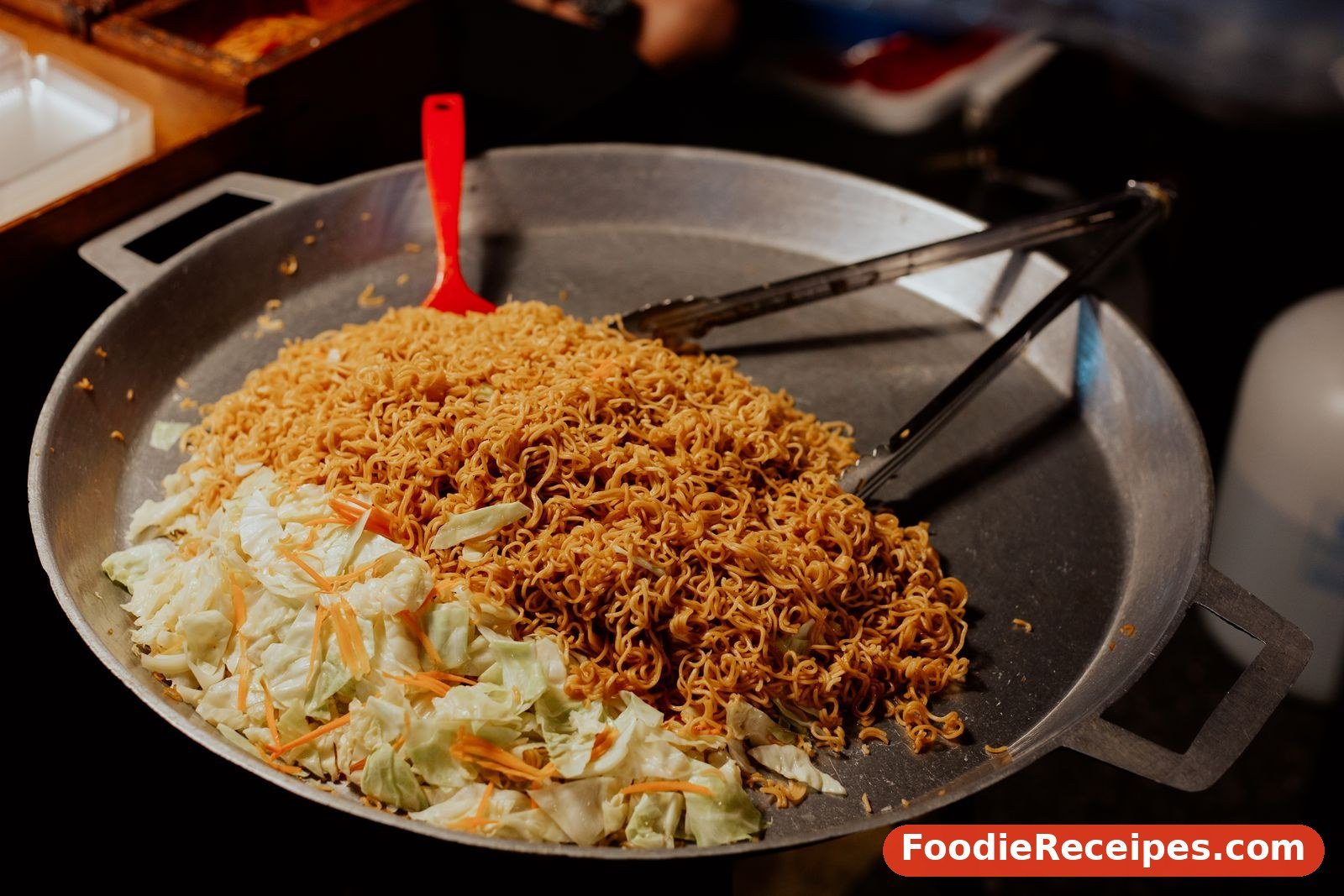
- Fry, undisturbed in turns (12–15 minutes). This is the heart of the recipe. Spread the cabbage in an even layer and let it sit, undisturbed, for 3–4 minutes over medium to medium-high heat so the bottom layer browns and caramelises against the iron. Then toss and turn the cabbage, spread it out again, and let it sit for another 3–4 minutes. Repeat once or twice more. If the pan seems dry or the cabbage is slow to soften, splash in the stock or water and cover the pan for 2–3 minutes to steam it tender, then uncover and let any liquid cook off. The cabbage is done when it is silky and tender with plenty of golden-brown, slightly crisp edges — tender, never mushy, and never grey.
- Finish with vinegar and bacon (1–2 minutes). Splash the apple cider vinegar around the pan and toss — it will sizzle and lift the browned bits off the bottom. Stir most of the crisp bacon back through the cabbage, saving a little for the top. Taste and adjust: more salt, more pepper, another splash of vinegar if it tastes flat, or another pinch of sugar if the vinegar is sharp.
- Serve hot. Transfer to a warm serving bowl or bring the skillet straight to the table, scatter the reserved bacon and the green onions over the top, and serve immediately. Fried cabbage waits patiently for a few minutes, but it is at its best steaming hot with its edges still crisp.
Tips for Perfect Results
- Let it sit to brown. The single biggest difference between boiled-tasting cabbage and great fried cabbage is patience. Constant stirring steams the cabbage; leaving it alone in the hot fat lets the natural sugars caramelise into those sweet, golden, slightly crisp edges everyone picks at first.
- A big pan matters. Cabbage needs surface contact with the hot pan to fry rather than steam. If your skillet is small, cook the cabbage in two batches and combine them at the end with the bacon and vinegar.
- Cut ribbons, not chunks. Long ribbons give you a mix of silky and crisp textures in every bite and cook at an even rate. Thick chunks stay raw in the middle while thin pieces scorch.
- Season in layers, taste at the end. Bacon varies a lot in saltiness, so season lightly as you go and make your final adjustment after the bacon and vinegar are in. It is easy to add salt; it is impossible to take it back.
- The vinegar is not optional in spirit. A tablespoon of apple cider vinegar will not make the dish taste sour — it brightens the smoky richness and makes the whole skillet taste more like itself. If you truly have none, a squeeze of lemon juice is an acceptable stand-in.
- Do not drown it. Add stock or water only by the splash, and only if the cabbage needs help softening. Fried cabbage should be glossy with fat, never soupy; any liquid in the pan should cook away by the end.
Variations and Substitutions
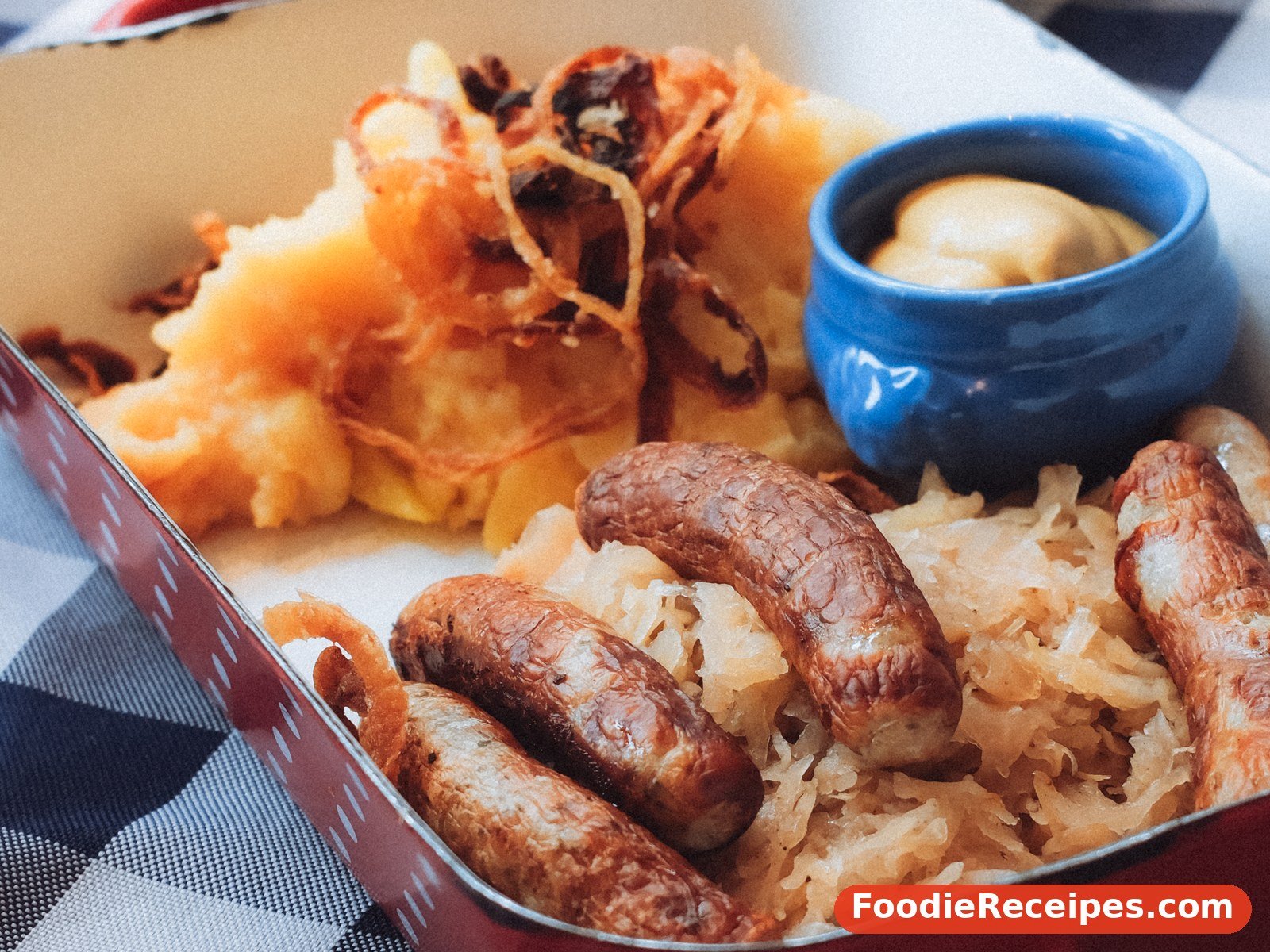
- Fried cabbage with smoked sausage. The most beloved variation turns this side into a one-skillet supper: slice 12 oz (340 g) of smoked sausage or kielbasa into coins, brown them with (or instead of) the bacon, and toss them back through the cabbage at the end. Serve over rice or with cornbread.
- Cajun-style cabbage. Add a diced green bell pepper (about 150 g) with the onion, use Cajun or Creole seasoning in place of the paprika and red pepper, and finish with a dash of Louisiana hot sauce.
- No-bacon version. For a lighter or meatless skillet, skip the bacon and fry the cabbage in 3 tablespoons (45 ml) of olive oil or butter, adding ½ teaspoon (1.5 g) of smoked paprika so you keep a whisper of smokiness. A handful of toasted pecans on top adds the richness bacon would have given.
- Cabbage and potatoes. Add 2 medium potatoes (about 400 g), cut into ½-inch (1.3 cm) cubes, to the pan after the onion and cook until nearly tender before adding the cabbage — a thrifty farmhouse supper in one pan.
- Sweet-and-sour cabbage. Increase the sugar to 1 tablespoon (12 g) and the vinegar to 2 tablespoons (30 ml) for a more pronounced sweet-sour balance, lovely alongside pork chops.
- Asian-leaning twist. Swap the vinegar for 1 tablespoon (15 ml) of soy sauce and a teaspoon of sesame oil at the end, and add a knob of grated ginger with the garlic — not traditional Southern, but the same skillet logic and very good.
What to Serve With
Fried cabbage with bacon is one of the hardest-working side dishes in the Southern kitchen. It belongs next to pork chops (fried, grilled, or smothered), baked or fried chicken, meatloaf, pot roast, and black-eyed peas; it is practically required next to a bowl of pinto beans and a wedge of cornbread. At New Year’s it joins collard greens and black-eyed peas on the prosperity plate. Turned into a main, it pairs with smoked sausage and mashed potatoes or buttered rice. A bottle of pepper vinegar or your favourite hot sauce on the table lets everyone finish their own plate the Southern way.
Serving and Storage
Serve fried cabbage hot, straight from the skillet or in a warm bowl, with the extra bacon scattered on top. It holds well on the stove over the lowest heat, covered, for about 20 minutes if the rest of dinner is running behind.
In the fridge: Leftovers keep well in an airtight container for 3–4 days. The flavours deepen overnight, and many cooks think day-two cabbage is even better.
In the freezer: Fried cabbage can be frozen for up to 2–3 months, though the texture softens on thawing — it will be tender rather than crisp-edged. Freeze in portion-sized containers, thaw overnight in the fridge, and accept it as a softer, still-delicious version of itself. Freezing is best reserved for cabbage destined for soups or casseroles.
To reheat: The best way is back in a skillet over medium heat with a tiny splash of water or stock, tossing for 3–5 minutes until hot and the edges wake up. The microwave works (2–3 minutes, stirring halfway) but will not restore any crispness. A few minutes in a hot oven, 400°F (200°C), spread on a sheet pan, is a good middle path for a large batch.
Leftover ideas: Stir fried cabbage into fried rice, tuck it into a grilled cheese or a Reuben-style sandwich, add it to vegetable soup, fold it through buttered egg noodles, or pile it on a baked potato with sour cream.
Frequently Asked Questions
Why is my fried cabbage watery?
Cabbage releases a lot of moisture as it cooks, especially if the pan is crowded, the heat is too low, or it is covered too long. Cook it in a wide, uncrowded pan over medium to medium-high heat, leave the lid off except for a brief steam if needed, and let any liquid cook away at the end. Salting very early also draws out water; if your cabbage often turns soupy, add most of the salt halfway through cooking.
Can I use red cabbage or savoy cabbage instead?
Savoy works well and cooks a little faster, with a more delicate texture. Red cabbage tastes fine but turns a dusky blue-purple in the pan and colours the bacon and onions — delicious, but not the classic look. Green cabbage is the reliable choice for this recipe.
Is the sugar really necessary?
No — it is a small, traditional touch in many Southern kitchens that encourages browning and balances the vinegar and salt, but the dish is excellent without it. If you prefer no added sugar at all, simply leave it out; the onions and caramelised cabbage bring their own natural sweetness.
How do I keep the cabbage from turning mushy?
Cut ribbons on the thicker side (about ½ inch / 1.3 cm), keep the heat at a confident medium-high, avoid covering the pan for long stretches, and start tasting at the 10-minute mark. You want tender strands with a little bite and browned edges, not a soft heap. Remember it keeps cooking a little after the heat goes off.
Can I make fried cabbage ahead of time?
Yes — it reheats gracefully, which makes it a good holiday or potluck dish. Cook it until just tender (slightly underdone), refrigerate, and reheat in a skillet before serving, finishing the browning then. Add the final splash of vinegar after reheating so its brightness is fresh.
What can I use instead of bacon fat?
Butter, olive oil, or a neutral oil all work; add smoked paprika to make up for the lost smokiness. Leftover drippings from a ham or from frying sausage are also excellent and very much in the spirit of the dish.
Is fried cabbage healthy?
Cabbage itself is a nutritious, high-fibre, low-calorie vegetable, and this dish is mostly cabbage. The bacon and its fat add richness and sodium, so treat this as the satisfying comfort dish it is, or use the lighter variations above — turkey bacon or olive oil with smoked paprika — for an everyday version.
How much cabbage do I need per person?
Plan on about ½ lb (225 g) of raw cabbage per person as a side dish. It sounds like a lot, but cabbage cooks down to roughly a third of its raw volume, so a 2½ lb (1.1 kg) head serves about six people as a side.
Final Thoughts
Fried cabbage with bacon is the kind of recipe that proves Southern cooking has never needed fancy ingredients — just good ones, treated with a little patience and a hot skillet. A humble head of cabbage, fried in smoky bacon fat until its edges turn to gold, has fed families, anchored holiday tables, and converted cabbage-sceptics for generations. Keep a cabbage in the crisper and bacon in the freezer, and this skillet is never more than forty minutes away.