
Mention cornbread anywhere in the South and you will start an argument, and the argument is almost always about sugar. In the deep South — Georgia, Alabama, Mississippi, the Carolinas — the traditional answer is firm: real cornbread has no sugar in it at all. Sugar belongs in cake, the old cooks say, and cornbread is not cake. This recipe follows that old-school Southern way. It is the cornbread that was baked for generations in farmhouse kitchens, served next to collard greens, black-eyed peas, fried chicken, and big pots of beans, and crumbled into a glass of cold buttermilk for supper.
What you get is a cornbread with a deep, honest corn flavour, a shatteringly crisp golden crust from a screaming-hot cast iron skillet, and a moist, tender crumb that is sturdy enough to sop up pot liquor and gravy without falling apart. There is no sweetness to compete with the food on the plate — just corn, buttermilk, and a whisper of bacon drippings if you want to be truly traditional. It is simple food, but when it is done right, there is nothing better on the table.
This version works because it respects the three rules Southern grandmothers never broke: use plain cornmeal (never a sweetened mix), get the skillet ripping hot before the batter goes in, and do not stir the batter any more than you absolutely must. Follow those rules and you will pull a skillet of cornbread out of the oven that crackles as it cools — and yes, good cornbread really does sing a little when it comes out of the oven.
Serves: 8 wedges | Prep time: 10 minutes | Cook time: 20–25 minutes | Total time: about 35 minutes
Ingredients
- 2 cups (280 g) plain yellow or white cornmeal, preferably stone-ground, medium grind
- 1 cup (125 g) all-purpose flour
- 1 tablespoon (12 g) baking powder
- 1 teaspoon (5 g) baking soda
- 1 teaspoon (6 g) fine salt
- 2 large eggs (about 100 g without shells), at room temperature
- 1½ cups (360 ml) whole buttermilk, shaken well, at room temperature
- ¼ cup (60 ml) melted unsalted butter, or bacon drippings for the batter
- 2 tablespoons (30 ml) bacon drippings or vegetable oil, for heating in the skillet
A Note on the Cornmeal
The cornmeal matters more here than in almost any other recipe, because corn is the entire flavour of the bread. Look for plain cornmeal with nothing added — not self-rising cornmeal mix and definitely not a boxed cornbread mix, which almost always contains sugar. Stone-ground cornmeal gives the most old-fashioned texture, with a little pleasant grittiness, while a regular medium-grind meal gives a slightly finer crumb. Yellow cornmeal makes a golden loaf with a deeper corn taste; white cornmeal, traditional in parts of the South, makes a paler, slightly more delicate bread. Either is correct. What is not correct, for this style, is sweetening — the natural sweetness of good corn and tangy buttermilk is all the flavour this bread needs.
Why There Is Flour in It
Pure all-cornmeal cornbread is the oldest version of all, and some purists still make it that way. A modest amount of flour — one part flour to two parts cornmeal — gives the crumb just enough structure to slice cleanly and hold together when you use it to sop up gravy. It keeps the strong corn flavour front and centre while making the bread far more forgiving for home bakers. If you want to try the all-cornmeal historical version, see the variations section below.
Step-by-Step Method
- Heat the oven and the skillet (10 minutes). Place a 10-inch (25 cm) cast iron skillet on the middle rack of your oven and preheat the oven to 425°F (220°C). Getting the skillet hot in the oven is the single most important step in this recipe: when cold batter hits hot iron, it sizzles and immediately starts forming that famous crisp, lacy crust. Do not skip the preheat, and do not rush it.
- Mix the dry ingredients (2 minutes). In a large mixing bowl, whisk together the cornmeal, flour, baking powder, baking soda, and salt until they are evenly combined and there are no little pockets of leavening left. Baking soda needs the acid of the buttermilk to work, and baking powder gives extra lift, so using both gives you a well-risen bread with a tender crumb.
- Mix the wet ingredients (2 minutes). In a second bowl or a large measuring jug, whisk the eggs until the yolks and whites are fully combined, then whisk in the buttermilk and the melted butter (or melted bacon drippings). Room-temperature ingredients mix more smoothly and help the bread rise evenly, so if your eggs and buttermilk are fridge-cold, let them sit out for 20 minutes first.
- Combine, gently (30 seconds). Pour the wet mixture into the dry mixture and stir with a wooden spoon or spatula just until everything is moistened — about 10 to 12 strokes. The batter will be thick, roughly like a thick pancake batter, and a few small lumps are perfectly fine. Stop stirring the moment the dry streaks disappear. Every extra stir develops gluten and makes cornbread tough and dense instead of tender.
- Grease the hot skillet (30 seconds). Using a thick oven mitt — the handle is extremely hot — carefully remove the skillet from the oven and set it on the stove. Add the 2 tablespoons of bacon drippings or oil and swirl it around so it coats the bottom and sides in a shimmering layer. It should be hot enough to look wavy and just barely threaten to smoke.
- Pour in the batter (30 seconds). Immediately scrape all the batter into the hot skillet. It should sizzle loudly around the edges the second it touches the iron — that sizzle is the sound of your crust being born. Spread the batter evenly with the back of the spoon, working quickly.
- Bake (20–25 minutes). Return the skillet to the oven straight away and bake for 20 to 25 minutes, until the top is deep golden brown, the edges have pulled slightly away from the sides of the skillet, and the surface springs back when pressed lightly in the centre. A toothpick inserted in the middle should come out clean or with a few dry crumbs.
- Rest, then slice (5–10 minutes). Let the cornbread rest in the skillet for 5 to 10 minutes. This short rest lets the crumb set so the wedges cut cleanly instead of crumbling. Then run a knife around the edge, slice into 8 wedges right in the skillet, and serve warm — ideally with a pat of butter melting into the first wedge while everyone is still at the table.
Tips for Perfect Results
- The skillet must be genuinely hot. If the batter does not sizzle when it goes in, the crust will be pale and soft. When in doubt, give the skillet another five minutes in the oven. A well-seasoned cast iron skillet is the classic tool, but a heavy oven-safe stainless pan or a metal cake pan, thoroughly preheated, will also work.
- Do not overmix. This is the mistake that ruins more cornbread than any other. Stir until just combined and walk away from the bowl. Lumps are not the enemy; toughness is.
- Use real buttermilk. Buttermilk gives tang, tenderness, and the acid the baking soda needs. In a pinch you can stir 1½ tablespoons of lemon juice or white vinegar into 1½ cups (360 ml) of whole milk and let it stand for 10 minutes, but the flavour and texture of true cultured buttermilk is better.
- Bacon drippings are the traditional fat. Generations of Southern cooks kept a coffee can of drippings by the stove for exactly this purpose. Drippings in the skillet and in the batter give the bread a subtle smoky depth. Butter is a close second and gives a richer, cleaner flavour. Neutral oil works but adds nothing.
- Serve it warm. Cornbread is at its absolute best within half an hour of coming out of the oven, when the crust is still crisp and the centre steamy. If it must wait, keep it in the skillet covered loosely with a clean tea towel.
- Check your baking powder’s freshness. Cornbread batter is heavy, and tired leavening cannot lift it. If your baking powder has been open for more than six months, replace it, or test a pinch in hot water — it should fizz vigorously.
- Stone-ground meal drinks more liquid. If your batter seems very stiff with stone-ground cornmeal, add buttermilk a tablespoon at a time until it pours like thick pancake batter.
Variations and Substitutions
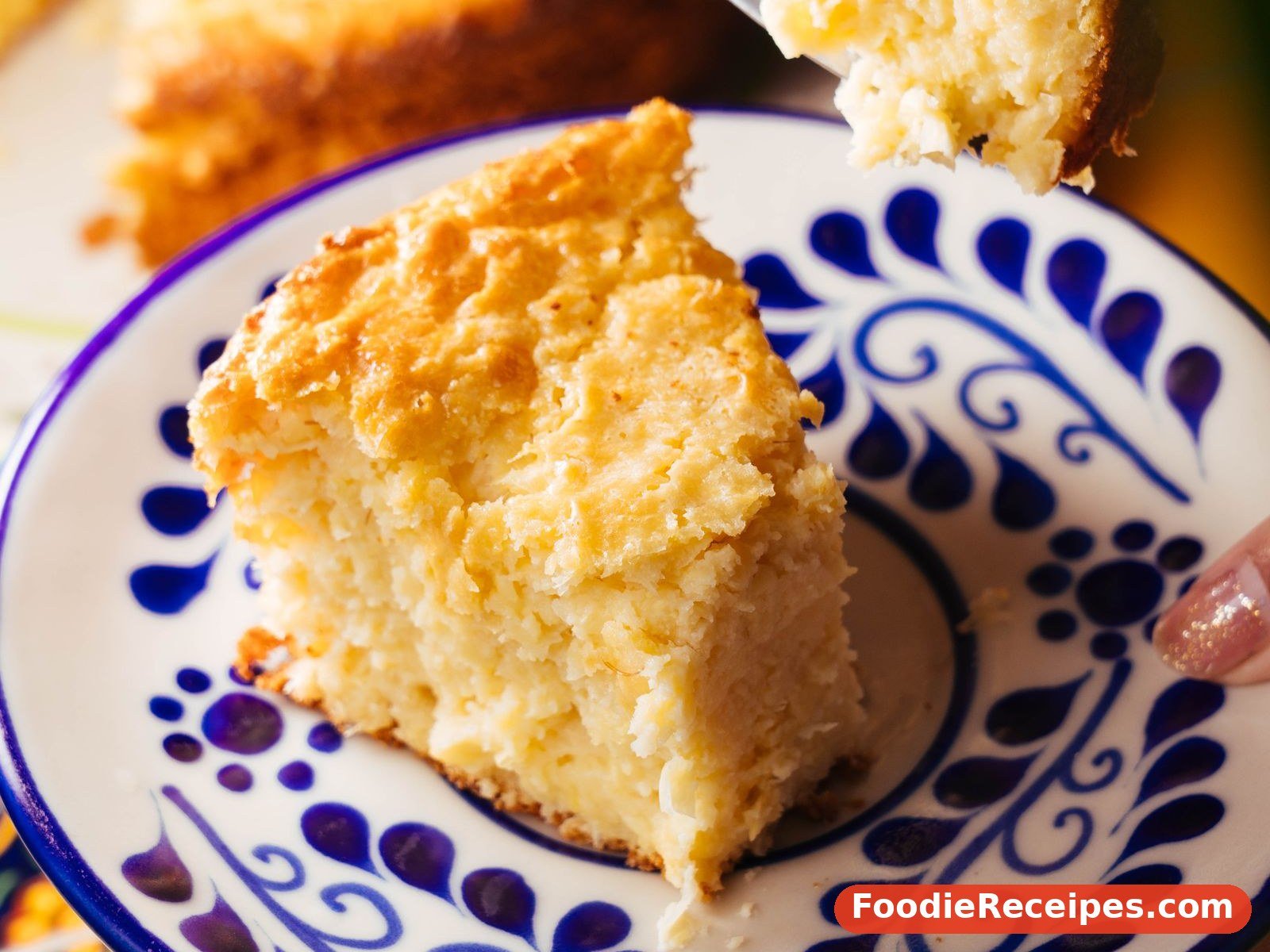
- All-cornmeal cornbread (the oldest way). Leave out the flour and use 3 cups (420 g) of cornmeal, adding an extra egg to help bind it. The result is more rustic and crumbly, with the purest corn flavour — wonderful crumbled over beans or into milk.
- Cracklin’ cornbread. Fold ½ cup (60 g) of crisp pork cracklings into the batter for an old-timey farmhouse version with salty, crunchy pockets.
- Jalapeño and cheese cornbread. Fold in 1 cup (110 g) of grated sharp cheddar and 1–2 finely diced jalapeños (about 30 g). The cheese adds richness without any sugar.
- Corn kernel cornbread. Add 1 cup (165 g) of fresh, frozen (thawed), or well-drained canned corn kernels for little bursts of texture. Reduce the buttermilk by 2 tablespoons to balance the extra moisture.
- Skillet corn muffins. Divide the batter among a preheated, greased cast iron muffin pan or standard muffin tin (fill cups about two-thirds full) and bake at the same temperature for 14–17 minutes.
- Gluten-free version. Replace the all-purpose flour with 1 cup (130 g) of a good gluten-free all-purpose flour blend and confirm your cornmeal is certified gluten-free. The texture will be very close to the original.
- Dairy-free version. Use a plant-based buttermilk substitute (oat or soy milk soured with 1½ tablespoons of lemon juice) and melted dairy-free butter or oil. The crust will still crisp nicely.
What to Serve With
Unsweetened Southern cornbread is a working bread — it was made to accompany food and soak up flavour, and it shines hardest next to dishes with plenty of sauce or pot liquor. Serve it with pinto beans, black-eyed peas, or red beans and rice; with collard, turnip, or mustard greens and their peppery cooking liquid; alongside crispy fried chicken, smothered pork chops, or a beef stew; or with a big bowl of chili in the cooler months. A thick slice is also magnificent split, buttered, and griddled the next morning next to fried eggs and bacon. And for the full old-fashioned experience, crumble a cold wedge into a tall glass, pour over chilled buttermilk, and eat it with a spoon — the classic Southern supper that fed generations of farmers.
Serving and Storage
Serve cornbread warm, cut into wedges straight from the skillet, with soft butter on the table. For a crowd, wrap the whole baked cornbread (in its skillet or transferred to a plate) in a clean cloth napkin inside a basket to keep it warm at the table.
At room temperature: Cornbread keeps well for 1 to 2 days. Cool it completely, wrap it tightly in foil or place it in an airtight container, and store it on the counter. The crust will soften, but the flavour stays good.
In the fridge: Wrapped well, cornbread keeps for up to 5 days in the refrigerator, though it dries a little more each day. Fridge-stored cornbread is ideal for making dressing (stuffing) or croutons.
In the freezer: Cornbread freezes beautifully for up to 3 months. Wrap individual wedges in cling film, then place them in a freezer bag with the air pressed out. Thaw wedges on the counter for about an hour, or thaw in the microwave in short bursts.
To reheat: The best way to bring back the crust is a hot oven: place wedges on a baking sheet and warm at 350°F (175°C) for 8–10 minutes. A few minutes in a dry cast iron skillet on the stove also revives the bottom crust. The microwave works for a quick 15–20 seconds but leaves the crust soft — a fair trade when you are in a hurry.
Leftovers worth planning for: Slightly stale cornbread makes the finest Southern dressing at Thanksgiving, excellent croutons for salads and soups, and a classic layered cornbread salad with beans, corn, cheese, and ranch dressing.
Frequently Asked Questions
Is Southern cornbread really made without sugar?
Yes — traditionally, in much of the rural South, cornbread contained no sugar at all. The sweetened, cake-like version is more common in the North and in many modern restaurant chains. Neither is “wrong,” but this recipe follows the classic savoury Southern style, where the bread is meant to accompany salty, smoky, saucy food rather than taste like dessert.
Why did my cornbread turn out dry and crumbly?
The usual causes are overbaking, too much cornmeal relative to liquid, or overmixing. Check the bread a few minutes early, measure the cornmeal by weight if you can (280 g for this recipe), stir only until just combined, and make sure your buttermilk measurement is a full 1½ cups (360 ml).
Can I make this without a cast iron skillet?
Yes. A 9-inch (23 cm) metal cake pan or a heavy oven-safe skillet works well. Preheat the pan in the oven just as you would the skillet so you still get a crisp crust. Avoid glass dishes, which should not be heated empty at high temperatures and will not give the same crust.
White or yellow cornmeal — which is right?
Both are traditional in different parts of the South. Yellow cornmeal gives a golden colour and a slightly stronger corn flavour; white cornmeal gives a paler bread with a milder, more delicate taste. Use whichever you prefer or can find — just make sure it is plain meal, not a sweetened mix.
My cornbread stuck to the skillet. What went wrong?
Sticking usually means the skillet was not hot enough when the batter went in, the skillet’s seasoning is worn, or there was not enough fat. Make sure the drippings or oil are shimmering hot and coating the whole surface, and let the bread rest a few minutes before cutting — it releases more easily as it cools slightly.
Can I make the batter ahead of time?
It is best not to. The baking soda starts working the moment it meets the buttermilk, and the batter loses lift as it sits. You can measure out the dry and wet ingredients separately in the morning and combine them just before baking, which takes less than a minute.
How do I know when cornbread is done?
Look for a deep golden top, edges pulling away from the pan, and a centre that springs back when pressed. A toothpick in the centre should come out clean. If the top is browning too fast but the centre is not set, loosely tent it with foil for the last few minutes.
Can I use self-rising cornmeal mix?
You can, but check the label — many mixes contain sugar, which defeats the purpose of this recipe. If your mix is unsweetened and already contains leavening and salt, omit the baking powder, baking soda, and salt from the recipe and proceed as written.
Final Thoughts
A skillet of unsweetened Southern cornbread is about as honest as food gets: cornmeal, buttermilk, eggs, and a hot pan, transformed in half an hour into something greater than the sum of its parts. Make it once the traditional way — crisp crust, tender crumb, not a grain of sugar — and you will understand why Southern families have defended this bread so fiercely for so long. Keep a bag of good cornmeal in the pantry and a skillet in the oven, and you are never more than 35 minutes away from the best seat at the Southern table.