

Tomato gravy is one of the great, vanishing treasures of the Southern farmhouse kitchen, and if you did not grow up with it, the name alone raises eyebrows. This is not Italian tomato sauce, and it is nobody’s marinara. Southern tomato gravy is a true gravy in the Southern sense — built on pan drippings and a flour roux, like sausage gravy or brown gravy — but made rosy and tangy with tomatoes. It was born in Appalachian and rural Southern kitchens during the lean seasons, when garden tomatoes were plentiful, hogs provided drippings, and a cook needed something rich and satisfying to pour over biscuits, rice, or fried potatoes to make a meal stretch.
The result is a gravy that is savoury first and tomatoey second: smoky from bacon fat, silky from the roux, with the gentle acidity of tomatoes running through it and a whisper of sugar and black pepper to balance it. Ladled over a split buttermilk biscuit, it is one of the finest breakfasts in America — the kind of plate that fuelled farm work, church Sundays, and long mornings for generations.
This old fashioned version uses both fresh and canned tomatoes (whichever you have, in whatever season) and bacon drippings as the base, the way it has always been made. It comes together in about half an hour, in one skillet, and it will make you understand why people who know this gravy speak of it the way they speak of home.
Serves: 6 (about 3 cups / 720 ml of gravy) | Prep time: 10 minutes | Cook time: 25 minutes | Total time: about 35 minutes
Ingredients
- 4 slices thick-cut bacon (about 130 g), cooked crisp — or use ¼ cup (60 ml) of reserved bacon drippings (see note)
- ¼ cup (60 ml) bacon drippings (from cooking the bacon above, topped up from your drippings jar if needed)
- 1 small yellow onion (about 120 g), finely diced
- ⅓ cup (40 g) all-purpose flour
- 2 cups (480 ml) whole milk, at room temperature (see the note on liquids below)
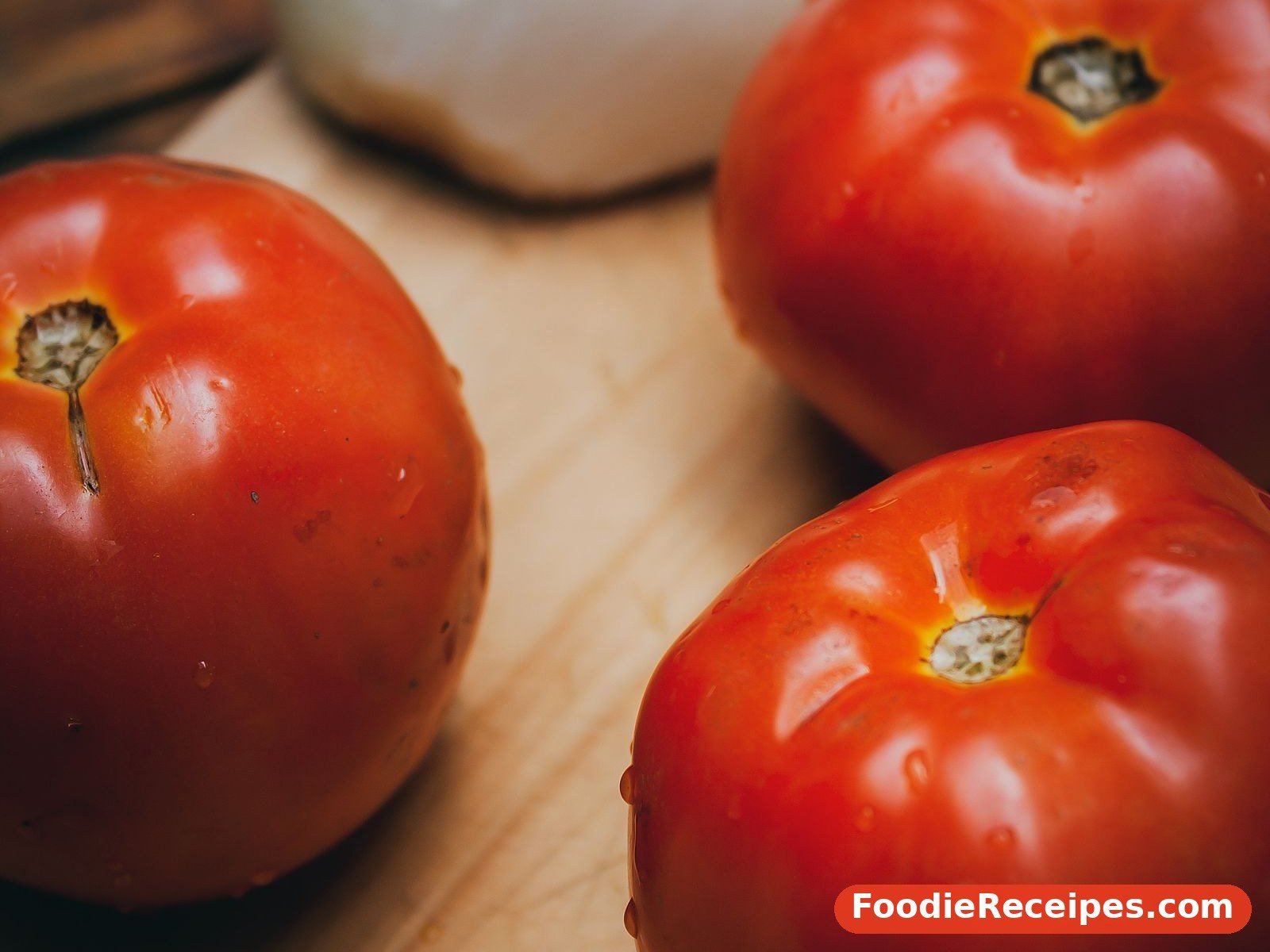
- 1 can (14.5 oz / 411 g) whole peeled or diced tomatoes, with their juice — or 2 cups (480 g) of fresh ripe tomatoes, peeled and crushed, in season
- 1 teaspoon (4 g) granulated sugar (traditional, to tame the tomatoes’ acid — adjust to taste)
- 1 teaspoon (6 g) fine salt, or to taste (canned tomatoes and bacon vary in saltiness)
- ½ teaspoon (1.5 g) black pepper, freshly ground, plus more to serve
- ¼ teaspoon (0.75 g) garlic powder (optional)
- A pinch of cayenne or a dash of hot sauce (optional)
- 1 tablespoon (15 g) unsalted butter, to finish (optional, for sheen)
- Hot buttermilk biscuits, for serving — plan on 2 biscuits per person
The Drippings Are the Point
Tomato gravy made with plain butter or oil is pleasant; tomato gravy made with bacon drippings is the real dish. The drippings carry the smoke, salt, and porky depth that define it, which is why Southern cooks have always kept a jar of them by the stove. If you cook the bacon fresh for this recipe, you get both the drippings for the gravy and crisp bacon to crumble over the top or serve alongside — nothing wasted. Rendered sausage fat from breakfast sausage is the other traditional base and is equally superb. If you truly have no drippings, use butter and add a pinch of smoked paprika to hint at what is missing.
The Liquid: Milk, Stock, or Both
Old recipes argue about this too. Many farmhouse versions are made with milk alone, for a gravy in the creamy, rosy style. Others use chicken stock or water for a thinner, more tomato-forward gravy. This recipe uses milk as the base for richness. If you prefer it lighter, replace up to half the milk with chicken stock or the tomato liquid from the can. What matters is the total: about 2 cups (480 ml) of liquid stirred into the roux, plus the tomatoes and their juice.
Step-by-Step Method
- Cook the bacon and reserve the drippings (8–10 minutes). In a large cast iron skillet over medium heat, cook the bacon until crisp. Lift it out to a paper towel–lined plate and set aside for serving. Pour the drippings into a heatproof measuring cup — you need ¼ cup (60 ml). If you are short, top up with butter or reserved drippings; if you have extra, save it in your drippings jar. Return the ¼ cup of drippings to the skillet over medium heat.
- Soften the onion (4–5 minutes). Add the diced onion to the hot drippings with a pinch of salt and cook, stirring often, until soft and translucent with golden edges, 4–5 minutes. The onion melts into the finished gravy and adds a gentle sweetness underneath the tomatoes. Do not brown it darkly — this is a soft, sweet base, not a dark roux dish.
- Make the roux (2–3 minutes). Sprinkle the flour evenly over the onions and fat and stir constantly with a wooden spoon or whisk for 2–3 minutes. The roux should bubble gently and turn from white to a pale blonde, smelling toasty rather than raw. You are not looking for the deep brown of a gumbo roux — just cook out the raw flour taste and let it pick up a little colour.
- Add the milk, slowly (3–4 minutes). Pour in the milk a splash at a time, whisking vigorously after each addition and scraping the bottom and corners of the skillet. Once all the milk is in and the mixture is smooth, let it come to a gentle simmer, stirring often. It will begin to thicken into a pale, creamy gravy.
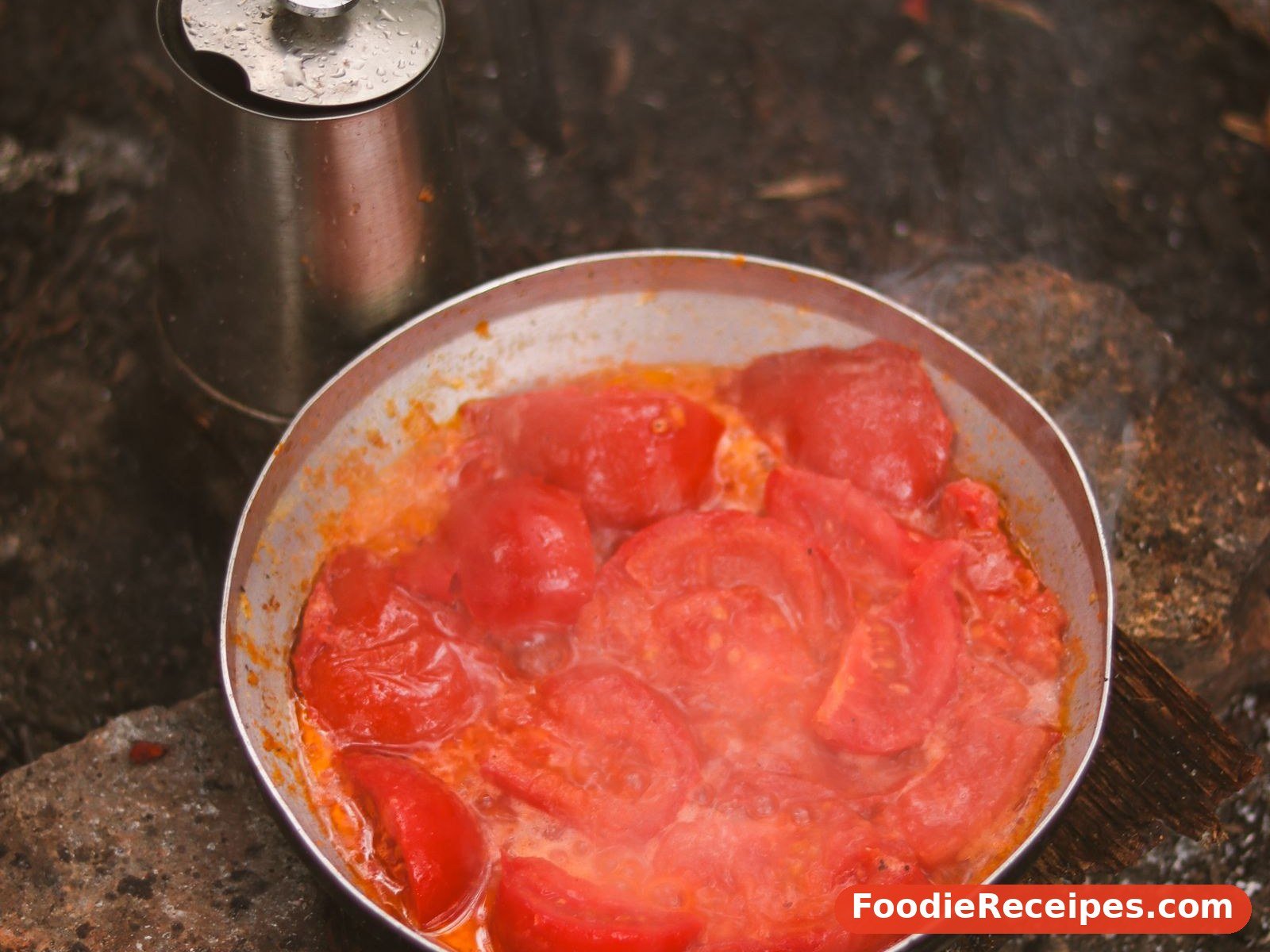
- Add the tomatoes (2 minutes). Crush the tomatoes by hand (for canned whole tomatoes) or stir in the diced tomatoes with all of their juice. Add the sugar, salt, black pepper, garlic powder (if using), and cayenne or hot sauce (if using). The gravy will turn a beautiful blush-rose colour. Stir well and taste the tomato juice level — if you used very juicy fresh tomatoes, the gravy may need an extra minute or two of simmering in the next step.
- Simmer until silky (10–12 minutes). Reduce the heat to low and simmer the gravy gently, stirring often so it does not catch on the bottom, for 10–12 minutes. It is ready when it has thickened to the consistency of a pourable cream sauce — it should coat the back of a spoon and hold a brief trail when you draw your finger or the spoon across it — and the raw tomato edge has mellowed into the savoury base. If it thickens too much, whisk in a splash of milk or stock; if it is thin, give it a few more minutes.
- Finish and adjust (2 minutes). Take the skillet off the heat. Stir in the butter, if using, until it melts and the gravy shines. Taste carefully and adjust: more salt if it tastes flat, a pinch more sugar if the tomatoes are sharp, more black pepper — tomato gravy should always be noticeably peppery — and another dash of hot sauce if your table likes heat.
- Serve the Southern way. Split hot buttermilk biscuits and lay them cut-side up on warm plates. Ladle the tomato gravy generously over them — be generous; gravy is not a garnish. Crumble the reserved bacon over the top, or serve it alongside, and finish with extra black pepper. Serve immediately, with more gravy in the skillet for seconds.
Tips for Perfect Results
- Cook out the flour. A roux rushed at step 3 leaves the whole gravy tasting pasty. Two to three patient minutes of stirring makes the difference between a gravy that tastes of flour and one that tastes of bacon, milk, and tomatoes.
- Room-temperature milk, added slowly. Cold milk dumped in all at once is how lumps are born. Add it gradually, whisking constantly, and the gravy will be smooth every time. If a few lumps do appear, whisk hard at a simmer, or strain the gravy before adding the tomatoes — no one need ever know.
- Balance the acid. Tomatoes vary: a dead-ripe August tomato is sweet, while a canned winter tomato can be sharp. The traditional pinch of sugar is there to balance acidity, not to sweeten the gravy. Taste at the end and adjust sugar and salt together, a little at a time.
- Mind the simmer, not a boil. Boiling a milk gravy hard can make it grainy and will scorch the bottom of the skillet. Keep it at the gentlest bubble and stir often, especially after the tomatoes go in — their sugars make the gravy more prone to catching.
- The gravy thickens as it stands. Serve it a touch looser than your ideal, because it will set up on the biscuit and in the serving bowl. Keep a splash of milk at hand for loosening leftovers and second helpings alike.
- Pepper generously. In old fashioned tomato gravy, black pepper is a seasoning, not a suggestion. You should see flecks of it throughout the rosy gravy, and its warmth should be the last thing you taste.

Variations and Substitutions
- Sausage tomato gravy. Brown 8 oz (225 g) of breakfast sausage in the skillet first, breaking it into crumbles, and use its drippings as the base. Leave the crumbles in the gravy for a heartier, diner-style dish — superb over biscuits or fried potatoes.
- Fresh tomato gravy (summer version). In peak season, use 2 lb (900 g) of very ripe fresh tomatoes, peeled, seeded if you like, and crushed with their juices, in place of the canned tomatoes. The flavour is brighter and lighter. You may need 2–3 extra minutes of simmering to cook off the extra juice, and a slightly larger pinch of sugar if the tomatoes are tart.
- Tomato gravy over rice (the Lowcountry way). In parts of South Carolina, tomato gravy is traditionally served over white rice rather than biscuits, often with fried fish or shrimp alongside. Follow the recipe exactly and simply change the landing pad.
- Cream-enriched version. Replace ½ cup (120 ml) of the milk with heavy cream for an extra-rich, celebratory gravy, or stir in 2 tablespoons (30 g) of cream cheese at the end for tang and body.
- Smoky, spicy version. Add ½ teaspoon (1.5 g) of smoked paprika with the flour and increase the cayenne to ¼ teaspoon. Serve over fried grits cakes if you want to show off.
- No-drippings version. Use ¼ cup (60 g) of butter in place of the bacon drippings and add ½ teaspoon (1.5 g) of smoked paprika. It will not be quite the old farmhouse dish, but it will still be a very good rosy gravy.
What to Serve With
Tomato gravy’s home is breakfast and brunch. Its classic plate is buttermilk biscuits, fried or scrambled eggs, and the bacon (or sausage) that gave it its drippings, with grits never far away. It is equally traditional ladled over white rice, fried potatoes, salmon patties, fried chicken cutlets, or a slice of meatloaf, and it makes a humble plate of fried green tomatoes or grits cakes taste like a special occasion. Keep the rest of the plate simple and salty — the gravy brings the richness, the tang, and the colour all by itself. Strong coffee is the correct beverage; sweet tea is an acceptable act of rebellion.
Serving and Storage
Serve tomato gravy piping hot, in the skillet or a warmed gravy boat, and always with extra at the table — people consistently take more than they expect to. It begins to thicken and skin over as it cools, so if it must wait, keep it warm over the lowest heat with a lid on, and whisk in a splash of milk before serving.

In the fridge: Cool leftover gravy and store it in an airtight container or jar for up to 3–4 days. It will set up thick and jelly-like from the cold — this is normal; it loosens completely when reheated.
In the freezer: Tomato gravy can be frozen for up to 2–3 months, though milk-based gravies sometimes separate slightly on thawing. Freeze in a sealed container, thaw overnight in the fridge, and whisk it back together over gentle heat — a quick whisk restores its silkiness in almost every case.
To reheat: Warm the gravy in a saucepan over low heat, whisking often and adding milk a tablespoon at a time until it returns to a pourable consistency, and heat it to a gentle simmer before serving. The microwave works for single servings: heat in short bursts, whisking between each.
Leftover ideas: Leftover tomato gravy is a cook’s treat. Spoon it over fried eggs and toast, stir it into cooked rice for a quick tomato rice, use it as the sauce for a small baked pasta, ladle it over leftover meatloaf or pork chops, or thin it with stock into a quick, comforting tomato soup with grilled cheese for dipping.
Frequently Asked Questions
Is tomato gravy the same as tomato sauce or marinara?
No. Marinara is an olive-oil-and-tomato sauce seasoned with herbs, served over pasta. Southern tomato gravy is a drippings-and-flour gravy — like sausage gravy — made rosy with tomatoes and usually milk. It goes over biscuits, rice, and potatoes, never pasta (though a spoonful on grits is perfectly legal).
Why does the recipe include sugar? Won’t it make the gravy sweet?
The small amount of sugar is a traditional balancer, not a sweetener. Tomatoes are acidic, and acid alone makes the gravy taste sharp and unfinished. A teaspoon of sugar in three cups of gravy is undetectable as sweetness — it simply rounds the flavour out. You can reduce or omit it if your tomatoes are very ripe and sweet.
Can I make tomato gravy without bacon drippings?
Yes, with butter plus a pinch of smoked paprika, as in the variation above — but understand you are making a different, milder dish. The drippings are the soul of the old fashioned version. If pork is the issue, drippings from breakfast turkey sausage get you closer than plain butter.
My gravy is lumpy. How do I fix it?
Whisk it hard while it simmers; small flour lumps usually dissolve. For stubborn cases, pour the gravy through a fine strainer, or give it a few pulses with an immersion blender — before adding any bacon crumbles or mix-ins. Next time, add the milk more slowly at the start.
Can I make tomato gravy ahead of time?
Yes, and it reheats kindly. Make it up to 2 days ahead, refrigerate, and reheat slowly with extra milk to loosen it. Because a made-ahead gravy thickens in storage, plan to add ¼–½ cup (60–120 ml) of milk while reheating to restore its pourable body.
Fresh or canned tomatoes — which is better?
Whichever is riper. In summer, dead-ripe fresh tomatoes make a brighter gravy. The rest of the year, a good canned tomato beats a pale, out-of-season fresh one every time, and honestly, most old farmhouse cooks relied on their own home-canned tomatoes for this dish all winter long.
What biscuits should I serve with tomato gravy?
Tall, flaky buttermilk biscuits are the classic — their tang echoes the gravy. Drop biscuits, cream biscuits, or even a good bakery biscuit all work. The one rule is freshness: the biscuit should be warm and tender enough to soak up the gravy without falling to mush.
Is tomato gravy only for breakfast?
Traditionally it is breakfast food, but it has never respected the clock. It appears at supper over rice or potatoes all over the rural South, and once you have made it, you will find your own excuses to serve it at any hour.
Final Thoughts
Old fashioned tomato gravy is the taste of a kitchen that wasted nothing: drippings saved, tomatoes preserved, flour and milk turned into something rich enough to make plain biscuits feel like a feast. It is humble, quick, and far better than its short ingredient list has any right to be. Make it once on a quiet morning, ladle it over hot biscuits, and you will understand why the people who grew up on it never stopped asking for it — and why it deserves to be rescued from the vanishing list and put back on the table.