
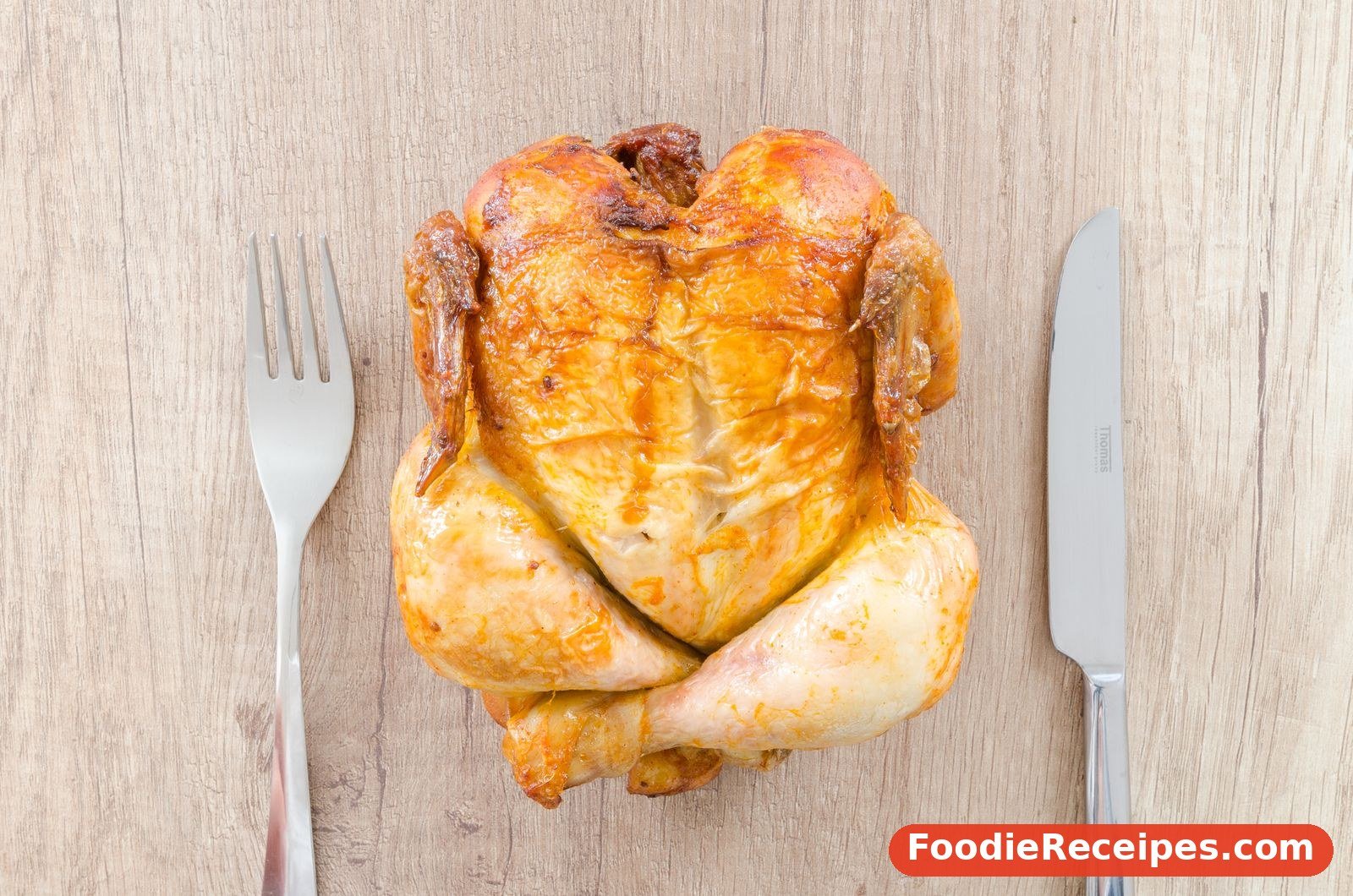
The rotisserie chicken is one of the great bargains of the American supermarket — a whole, seasoned, roasted bird for less than the price of a fancy coffee, ready to eat the moment you get home. Night one is easy: carve it up, add a couple of sides, dinner done. But night two is where the rotisserie chicken really earns its keep, because that leftover chicken is the fastest ticket to a completely new dinner. This leftover rotisserie chicken casserole is built exactly for that moment.
The problem with most leftovers is that they taste like leftovers — the same meal, reheated and a little sadder. A casserole solves that completely. The shredded chicken takes on a new life folded through a creamy, cheesy sauce with tender pasta and sweet vegetables, all baked under a golden, buttery cracker-crumb topping. Nobody at the table will think “leftovers.” They will think “you made a casserole,” and they will ask for seconds.
This recipe is designed for real life. The chicken is already cooked, the pasta boils while you stir together a five-minute sauce, and the oven does the rest. From picking the chicken off the bone to pulling the bubbling dish out of the oven takes about 45 minutes, and most of that is hands-off. It is also endlessly adaptable to whatever your fridge holds: peas, broccoli, corn, carrots, mushrooms — if it is sitting in the crisper drawer looking for a purpose, this casserole has one for it.
There is one more quiet virtue here: thrift. Using a whole rotisserie chicken across two meals — roast chicken the first night, casserole the second, and maybe a pot of broth from the bones — is the kind of sensible, satisfying cooking that stretches a food budget without anyone feeling shortchanged. Good home economics never tasted this comforting.
The Smartest Way to Use a Rotisserie Chicken
A few things to know about working with leftover rotisserie chicken:
- Shred it while it is manageable. Cold chicken straight from the fridge is actually easiest to shred neatly. Warm chicken shreds faster but falls apart more. Either way, use two forks or your (clean) hands.
- Mix white and dark meat. Breast meat alone can taste dry in a casserole. The mix of light and dark meat from a whole bird gives the best flavor and moisture.
- Save the bones. Freeze the carcass and make broth later — it is nearly free and makes soups and rice dishes taste homemade in the best way.
- Mind the clock. Cooked chicken keeps 3 to 4 days in the fridge. If your rotisserie chicken is on day three, tonight is casserole night. When in doubt, freeze the shredded meat for up to 3 months and casserole another day.
- Season thoughtfully. Rotisserie chickens are already seasoned, sometimes heavily. Taste your sauce before adding the full amount of salt.
This casserole uses about 3 to 4 cups of shredded chicken, which is what one standard rotisserie chicken yields after a modest first night — or one whole bird if you bought it just for this recipe, which plenty of people do.
Serves: 6 | Prep time: 20 minutes | Cook time: 25–30 minutes | Total time: about 50 minutes
Ingredients
For the casserole
- 12 oz (340 g) penne or rotini pasta (about 3½ cups dry)
- 3 to 4 cups (420–560 g) shredded leftover rotisserie chicken, skin and bones removed
- 4 tablespoons (56 g) unsalted butter
- 1 medium yellow onion (150 g), diced
- 2 cloves garlic (6 g), minced
- ¼ cup (30 g) all-purpose flour
- 1½ cups (360 ml) chicken broth (low-sodium — rotisserie chicken is salty)
- 1 cup (240 ml) whole milk or half-and-half
- ½ cup (120 g) sour cream
- 1 teaspoon (3 g) garlic powder
- 1 teaspoon (2 g) onion powder
- ½ teaspoon dried thyme or Italian seasoning
- ½ teaspoon (3 g) fine sea salt, or to taste
- ½ teaspoon (1 g) black pepper
- 2 cups (260 g) frozen peas and carrots, or frozen mixed vegetables
- 1½ cups (170 g) shredded cheddar or Colby Jack cheese, divided
For the crunchy topping
- 1 cup (60 g) crushed buttery round crackers (such as Ritz), or panko breadcrumbs
- 2 tablespoons (28 g) melted butter
- ¼ cup (25 g) grated Parmesan cheese
- 2 tablespoons (8 g) chopped fresh parsley, for garnish
A note on pasta shape: penne and rotini are ideal because their nooks hold the creamy sauce and they stay pleasantly firm through baking. Egg noodles work too and give the casserole a more old-fashioned, chicken-noodle character — just undercook them a little more, since they soften faster.
Step-by-Step Method
- Heat the oven. Preheat the oven to 375°F (190°C). Grease a 9 × 13 inch (23 × 33 cm) baking dish with butter or cooking spray.
- Cook the pasta — very al dente (2 minutes shy). Bring a large pot of salted water to a boil and cook the pasta for 2 minutes less than the package’s al dente time. The pasta will finish in the oven, soaking up sauce as it goes. Reserve ½ cup (120 ml) of the pasta water, then drain.
- Start the sauce (5 minutes). In a large skillet or Dutch oven over medium heat, melt the butter. Add the onion with a pinch of salt and cook until soft, about 4 minutes. Add the garlic and cook 30 seconds.
- Thicken the sauce (4–5 minutes). Sprinkle the flour over the onion and stir for 1 minute to cook out the raw taste. Slowly whisk in the chicken broth, then the milk. Simmer, whisking often, until the sauce thickens enough to coat the back of a spoon, 3 to 4 minutes.
- Season and enrich. Remove the pan from the heat. Stir in the sour cream, garlic powder, onion powder, thyme, salt, and black pepper. Taste — remember the chicken is seasoned — and adjust.
- Combine everything. Add the drained pasta, the shredded chicken, the frozen vegetables, and 1 cup (115 g) of the shredded cheese to the sauce. Fold gently until everything is evenly coated. The mixture should look generously saucy; if it seems dry, splash in a little of the reserved pasta water. The pasta will absorb sauce as it bakes, so err on the side of extra.
- Assemble. Pour the mixture into the prepared baking dish and spread it level. Sprinkle the remaining ½ cup (55 g) cheese over the top.
- Add the topping. Toss the crushed crackers with the melted butter and Parmesan until evenly coated, then scatter the crumbs over the casserole.
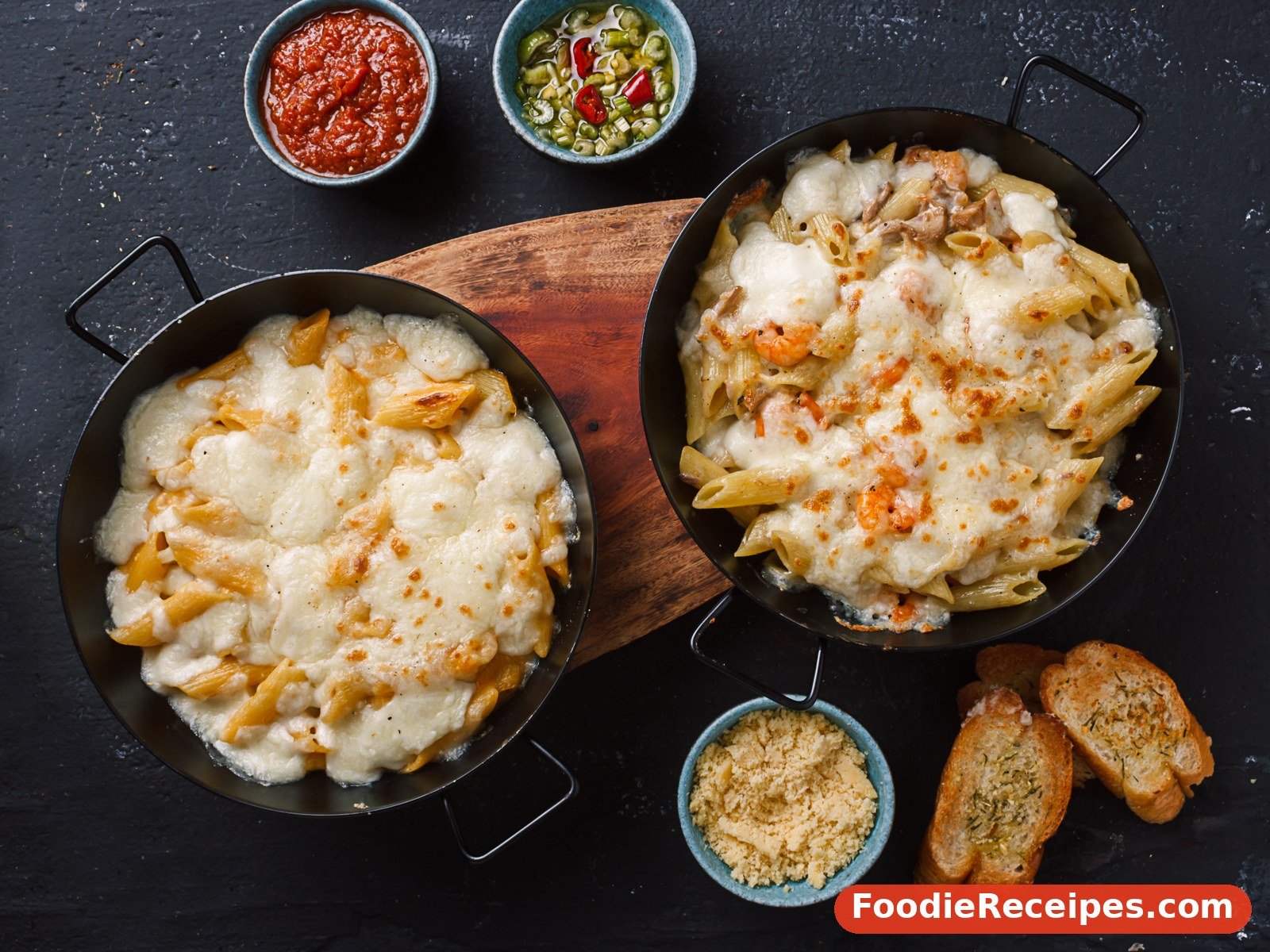
- Bake (25–30 minutes). Bake, uncovered, until the casserole is bubbling at the edges, the cheese has melted, and the crumb topping is deep golden brown.
- Rest and serve (5–10 minutes). Let the casserole rest for at least 5 minutes so the sauce sets to a creamy consistency. Garnish with parsley and serve hot.
Tips for Perfect Results
- Undercook the pasta — then undercook it a little more. Pasta that goes into a casserole perfectly cooked comes out soft. Two minutes shy of the package time is the rule, and it matters more here than in almost any other dish.
- Keep the mixture saucy. Dry casserole is almost always just under-sauced casserole. The pasta drinks sauce in the oven; what looks almost-too-much in the bowl is exactly right after baking.
- Warm the chicken, don’t cook it twice. The chicken is already cooked, so the oven’s job is only to heat it through. Overbaking dries it out — pull the casserole when it is bubbling, not after an extra ten minutes “to be safe.”
- Cracker crumbs beat plain breadcrumbs for crunch. Buttery round crackers bake into a topping that tastes like the best part of every potluck casserole you have ever had. Panko with butter is a fine second choice.
- Add the topping just before baking. Crumbs mixed with butter will soften if they sit on the moist casserole. Scatter and bake immediately for maximum crunch.
- Freeze the shredded chicken in casserole-sized portions. When you buy a rotisserie chicken, shred what you will not eat that night and freeze it in labeled 3-cup portions. Future you will be grateful.
- A splash of pasta water is the fix for everything. Too thick, too dry, sauce looking tight — two tablespoons of starchy pasta water loosens and silkens the sauce instantly.
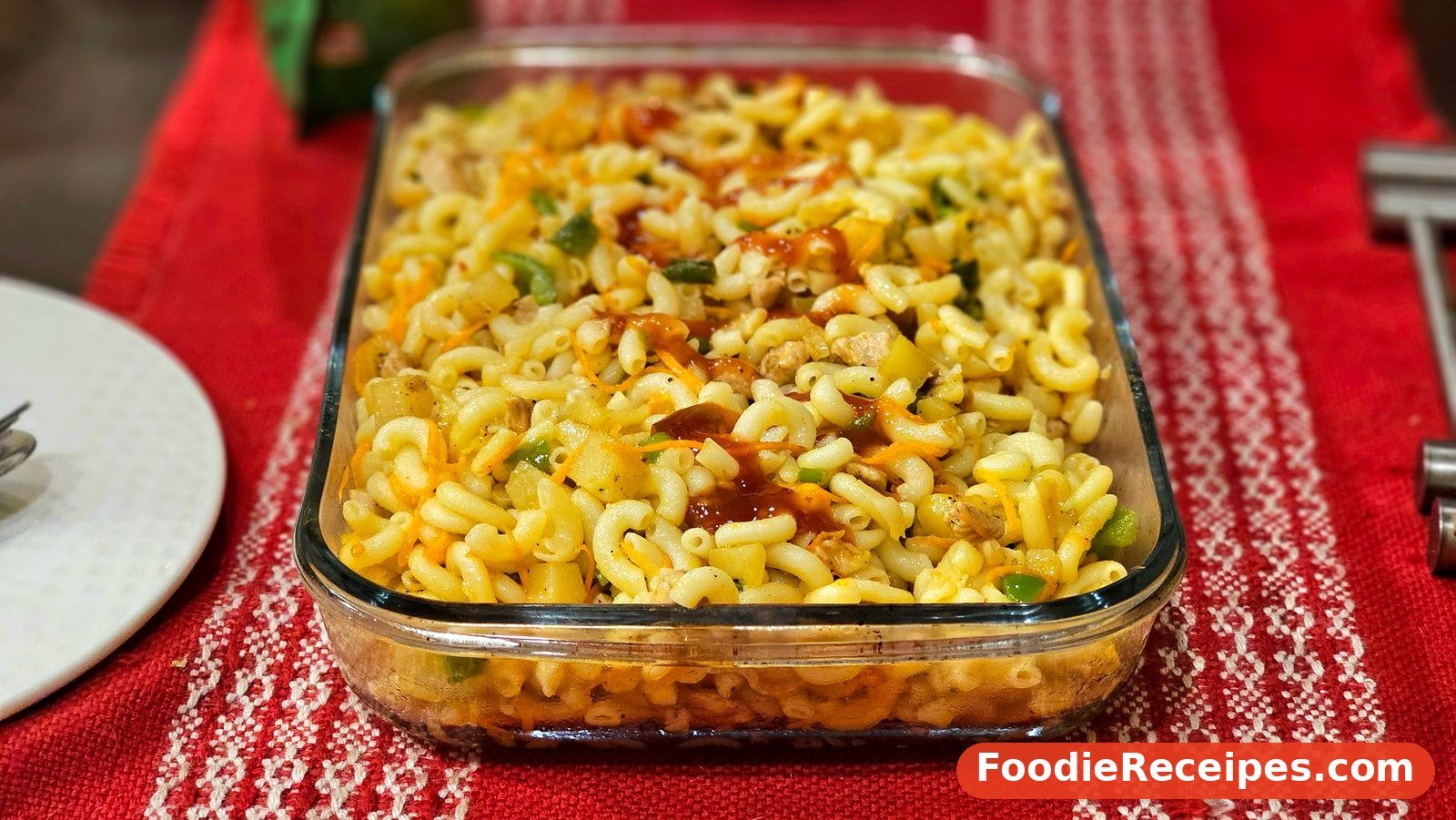
Common mistakes: fully cooking the pasta first (mush), skimping on sauce (dry bites), and baking too long (dry chicken). Saucy mixture, firm pasta, bubbling edges — then out of the oven it comes.
Variations and Substitutions
- Broccoli cheddar version: Swap the peas and carrots for 3 cups (270 g) small broccoli florets (fresh, blanched 2 minutes, or frozen) and use all sharp cheddar.
- Chicken divan style: Add the broccoli version’s florets plus ½ teaspoon curry powder to the sauce — a nod to the classic.
- Buffalo chicken casserole: Stir ¼ cup (60 ml) buffalo sauce into the sauce, use mozzarella and cheddar, and finish with a drizzle of ranch and sliced green onions.
- No-flour shortcut: Skip the roux and use a can of cream of chicken soup plus ½ cup (120 ml) milk in place of the broth, milk, and flour. Faster, and still very good.
- Rice instead of pasta: Replace the pasta with 3 cups (about 550 g) cooked rice for a chicken-and-rice casserole texture. Add it in Step 6 and bake as directed.
- Add mushrooms and spinach: Brown 8 oz (225 g) sliced mushrooms with the onion and fold in 2 cups (60 g) baby spinach in Step 6 until just wilted.
- Mexican-inspired: Add 1 teaspoon cumin and 1 teaspoon chili powder to the sauce, swap in pepper jack, stir in a drained can of black beans and 1 cup (130 g) corn, and top with crushed tortilla chips instead of crackers.
- Lighter version: Use 2% milk, reduced-fat sour cream or Greek yogurt, and part-skim mozzarella for half the cheese.
What to Serve With
- A green salad with a bright dressing — the essential fresh contrast
- Roasted carrots or green beans for a simple vegetable side
- Steamed broccoli (if it is not already in the casserole)
- Sliced tomatoes or a cucumber salad in summer
- Dinner rolls for the sauce — always
Serving and Storage
Serve the casserole hot, in generous scoops, with a salad alongside. It is hearty enough to be the whole meal with just something green beside it.
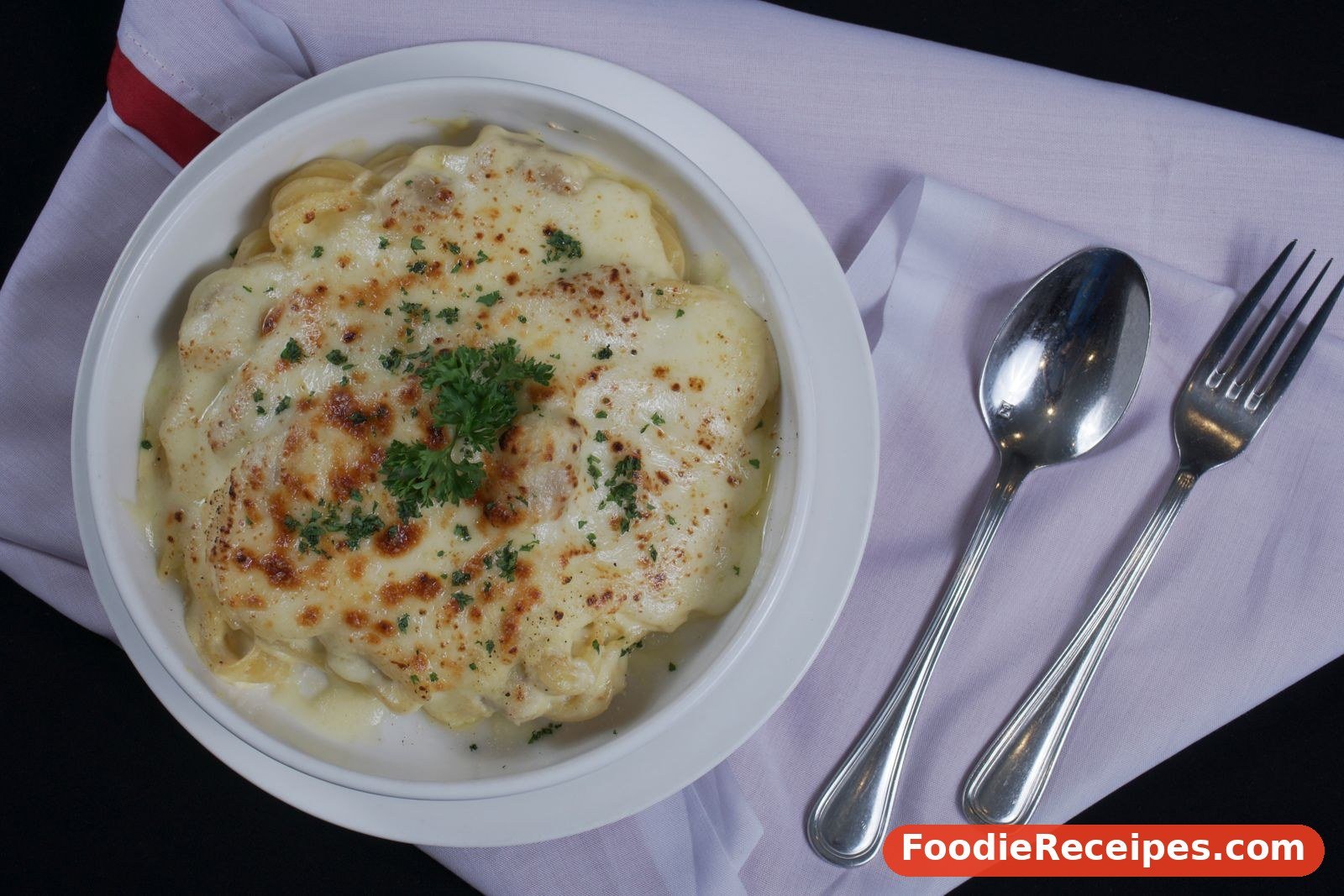
Refrigerator: Store leftovers in airtight containers for up to 3 days (remember the chicken’s clock started when it was first cooked — count from the day you bought the rotisserie chicken, and when in doubt, freeze instead).
Freezer: The assembled, unbaked casserole freezes well for up to 3 months — assemble without the crumb topping, wrap tightly, and freeze. Thaw overnight in the fridge, add fresh topping, and bake as directed, adding 5 to 10 minutes. Baked leftovers also freeze for up to 3 months, with some softening of the pasta.
Reheating: Cover with foil and reheat in a 350°F (175°C) oven for 20 to 25 minutes. Single portions microwave well at 70% power for 2 to 3 minutes with a splash of milk stirred in. Reheat to 165°F (74°C).
Frequently Asked Questions
How much chicken does one rotisserie chicken give me?
A standard rotisserie chicken (about 2 lb / 900 g) yields roughly 3 to 4 cups (420–560 g) of shredded meat once the skin and bones are removed. That is exactly what this recipe wants. If you served some the first night and only have 2 cups left, the recipe still works — add an extra cup of vegetables or pasta to fill it out.
Can I use raw chicken instead of rotisserie?
Yes. Poach or bake 1½ lb (680 g) of chicken breasts or thighs until cooked through (165°F / 74°C), shred, and proceed. Season the sauce a touch more generously, since raw-cooked chicken brings less seasoning than a rotisserie bird.
My casserole came out dry. What went wrong?
Usually the pasta was cooked too long before baking, or there was not enough sauce. The pasta absorbs a surprising amount of liquid in the oven. Next time, undercook the pasta by the full 2 minutes and make the mixture look almost too saucy before it goes in.
Can I assemble this ahead of time?
Yes, up to a day ahead, minus the crumb topping. Cover and refrigerate. Let it stand at room temperature for 20 minutes before baking, add the fresh topping, and add about 5 minutes to the bake time.
What vegetables work best?
Frozen peas and carrots are the classic, but broccoli, corn, green beans, cauliflower, and mushrooms all work. Keep the total around 2 to 3 cups (260–400 g) so the sauce-to-filling balance stays right, and cut fresh vegetables small so they cook through.
Can I skip the cracker topping?
Of course — the casserole is complete without it, with just the cheese on top. But the buttery crunch is a big part of this dish’s charm, so if you skip the crackers, a handful of extra cheese or buttered panko is a worthy stand-in.
How do I keep the chicken from drying out in the casserole?
Three habits protect it. First, keep some dark meat in the mix — thighs and drumsticks stay moist far better than breast alone. Second, make sure the shredded chicken is well coated in sauce before baking, since the sauce insulates it from the oven’s dry heat. Third, bake only until the casserole bubbles at the edges and the cheese melts. The chicken went into the oven already cooked, so the goal is simply to heat everything through; every extra ten minutes beyond bubbling is moisture leaving the meat. If your chicken is mostly lean breast, stir an extra ¼ cup (60 ml) of broth or milk into the sauce for insurance.
Can I stretch one chicken across two casseroles?
Surprisingly, yes. If you have a big family or want one casserole for tonight and one for the freezer, use about 2 cups (280 g) of chicken per casserole and make up the difference with extra pasta, vegetables, and a can of white beans or chickpeas stirred into each. The sauce is flavorful enough to carry the extra ingredients, and the chicken still shows up in every bite. It is one of the most economical ways to turn a single bargain bird into two full family dinners.
Is this a good way to use leftover turkey?
It is one of the best. Thanksgiving turkey transforms into this casserole beautifully — it might be the strongest argument for cooking a slightly bigger bird.
Final Thoughts
Leftover rotisserie chicken casserole is smart cooking at its most satisfying: one bargain bird, two completely different dinners, and a table full of people who would never guess the second one started as leftovers. Creamy sauce, tender pasta, sweet vegetables, and that golden cracker crunch — keep this recipe near the front of your binder. Rotisserie night will never be the same.