

Let us get the name out of the way first: strawberry pretzel salad is not a salad, and nobody who loves it has ever cared. It is a glorious layered dessert that has ruled Midwestern and Southern potluck tables for generations — a salty, crunchy pretzel crust on the bottom, a sweet cream-cheese layer in the middle that tastes like cheesecake, and a sparkling crown of strawberry gelatin loaded with berries on top. Every bite is salty and sweet, crunchy and creamy, cool and bright all at once. It is the pan that comes home from the church supper completely, suspiciously empty.
This homemade version uses frozen strawberries, which is how many of the best family recipes have always made it. Frozen berries are picked ripe, they are available all year, and they do something fresh berries cannot: as they thaw into the warm gelatin, they chill it quickly and help it set faster and firmer, while releasing just enough juice to deepen the strawberry flavor in every bite. They are also a fraction of the price of out-of-season fresh berries, and honestly, in a set gelatin layer, nobody can tell the difference.
The recipe is not hard, but it rewards patience and one golden rule: the cream layer must completely seal the crust before the gelatin goes on, or the hot liquid will leak down and turn your crunchy crust soggy. Follow the steps, give each layer its chill time, and you will be rewarded with clean layers, sharp squares and the most requested dessert in your repertoire. Make it a day ahead — it actually improves overnight — and let the compliments roll in.
Serves: 12 | Prep time: 25 minutes | Cook time: 10 minutes for the crust | Total time: about 35 minutes, plus 4–6 hours chilling
Ingredients
Read through before you start, because the whipped topping needs to be thawed and the cream cheese softened — two small things that make the whole process smooth. Frozen strawberries should go into the gelatin still mostly frozen; if yours have been sitting out and are fully thawed and juicy, that is fine too, just drain off a tablespoon or two of the extra juice so the gelatin sets firmly.
For the pretzel crust
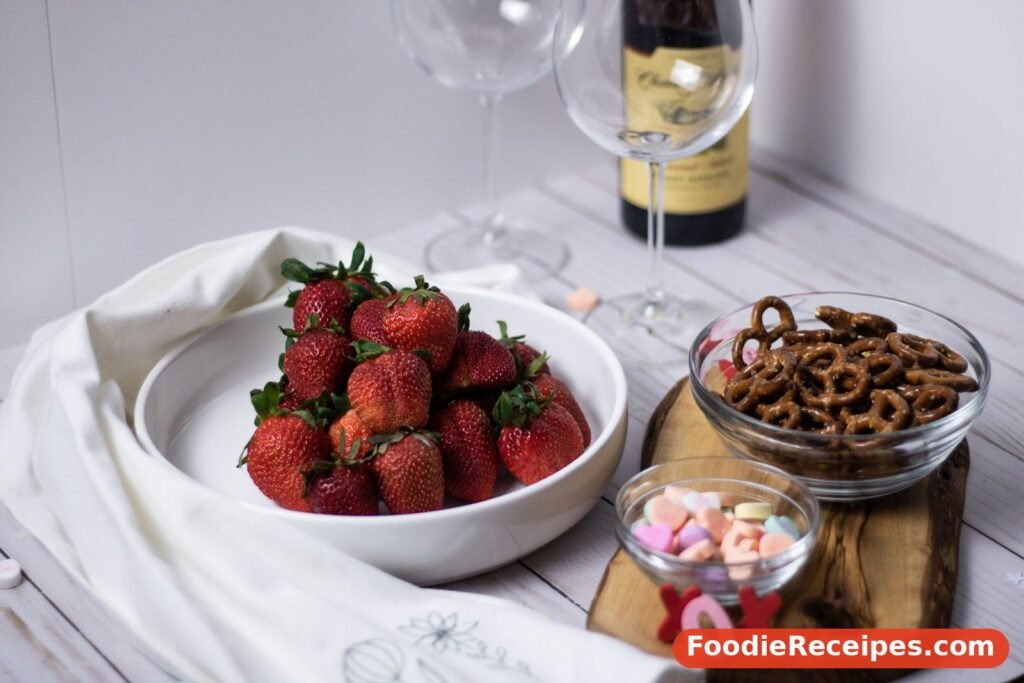
- 2 cups (about 200 g) finely crushed pretzels (small twists or sticks)
- ¾ cup (170 g) unsalted butter, melted
- 3 tablespoons (38 g) granulated sugar
For the cream cheese layer
- 8 ounces (225 g) full-fat cream cheese, softened to room temperature
- ¾ cup (150 g) granulated sugar
- 1 teaspoon pure vanilla extract
- 8 ounces (225 g) frozen whipped topping, thawed (about 3 cups), or 3 cups (720 ml) freshly whipped cream
For the strawberry gelatin layer
- 2 packages (3 ounces / 85 g each) strawberry-flavored gelatin
- 2 cups (480 ml) boiling water
- 20 ounces (565 g) frozen whole or sliced strawberries (about 3½ cups), mostly frozen
- Pinch of fine salt
Step-by-Step Method
- Heat the oven and crush the pretzels (5 minutes). Preheat the oven to 400°F (200°C). Put the pretzels in a zip-top bag and crush them with a rolling pin, or pulse them in a food processor, until you have coarse crumbs with a few pea-sized pieces for texture. Avoid turning them to dust — those little chunks are what stay crunchy.
- Mix and press the crust (3 minutes). In a medium bowl, combine the pretzel crumbs, melted butter and sugar until every crumb is moistened. Press the mixture firmly and evenly into the bottom of a 9 × 13 inch (23 × 33 cm) baking dish. Really press — a loose crust crumbles when you slice. There is no need to build the crust up the sides; a flat bottom layer is traditional.
- Bake and cool the crust completely (10 minutes baking, 30 minutes cooling). Bake for 8 to 10 minutes, until the crust smells toasty and looks set. Then cool it completely, at least 30 minutes at room temperature or 15 in the refrigerator. This step cannot be rushed: a warm crust will melt the cream layer and blur your beautiful layers.
- Make the cream cheese layer (5 minutes). Beat the softened cream cheese, sugar and vanilla with a hand mixer until perfectly smooth and fluffy, about 2 minutes. Gently fold in the thawed whipped topping with a spatula until no streaks remain. Fold, do not beat — you want to keep the mixture light and spreadable.
- Spread and seal the cream layer (3 minutes). Spread the cream mixture over the cooled crust, and here is the most important move in the whole recipe: spread it all the way to the edges of the dish and seal it against the glass on every side. The cream layer is a dam. If there is any gap, the gelatin will find it, leak through and soften the crust. Chill the dish for at least 30 minutes while you prepare the gelatin, so the seal firms up.
- Dissolve the gelatin (3 minutes). Bring the water to a boil. Put the gelatin powder in a large heatproof bowl, pour the boiling water over it, and stir for a full 2 minutes until every grain has dissolved — undissolved gelatin makes rubbery, uneven patches. Stir in the pinch of salt.
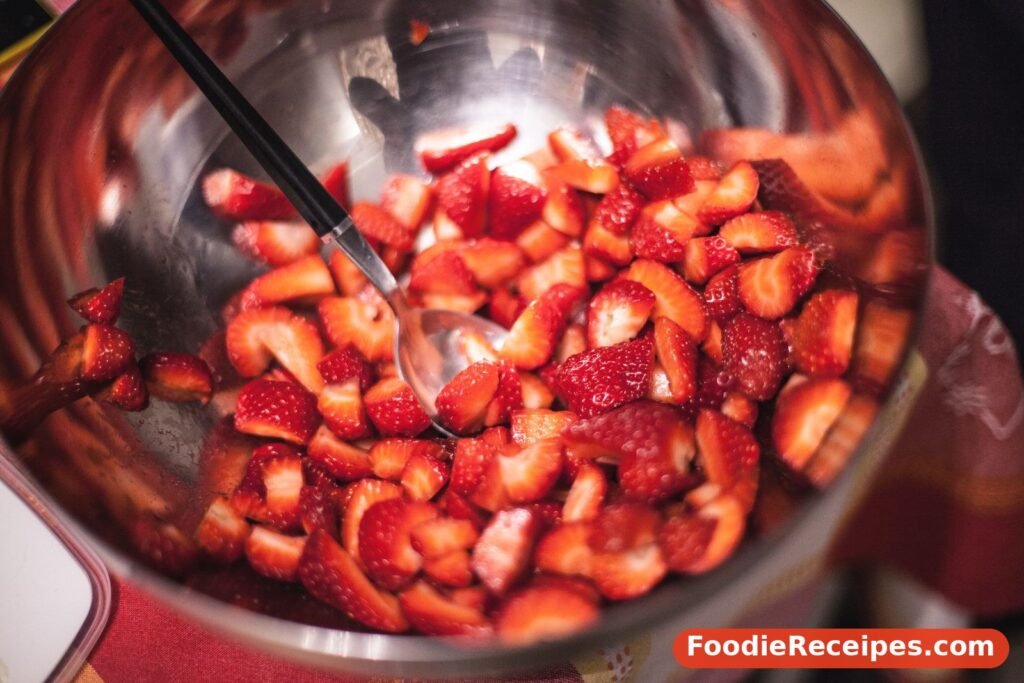
- Add the frozen strawberries (5 minutes). Stir the mostly frozen strawberries into the hot gelatin. The cold berries will cool the mixture rapidly and begin thawing into it. Let the bowl stand for 5 to 10 minutes, stirring once or twice, until the gelatin has cooled and thickened slightly to the consistency of raw egg whites. It should no longer be steaming hot — hot gelatin poured on the cream layer will melt it and ruin the seal.
- Pour, chill and set (4–6 hours). Gently spoon or pour the strawberry gelatin over the chilled cream layer, distributing the berries evenly. Refrigerate for at least 4 hours, and ideally 6 or overnight, until the gelatin is completely firm and jiggles as one layer when the dish is nudged. Slice into 12 squares with a sharp knife, wiping the blade between cuts, and lift out the squares with a small spatula.
Tips for Perfect Results
- Seal the cream layer like you mean it. This single step decides whether your crust stays crunchy or goes soggy. Edge to edge, no gaps, no thin corners.
- Cool every layer before adding the next. Warm crust melts cream; warm gelatin melts the seal. Patience is an ingredient here.
- Let the gelatin thicken slightly before pouring. Gelatin at the “egg white” stage stays on top where it belongs and suspends the berries instead of letting them all sink or float.
- Keep the strawberries mostly frozen. They chill the gelatin fast and give the firmest set. Fully thawed, watery berries can add enough liquid to make the layer soft.
- Press the crust firmly. Use the bottom of a measuring cup to compact it. A tight crust slices cleanly instead of shattering.
- Cut with a hot, dry knife. Run the blade under hot water and wipe it dry between cuts for the sharpest layers on every square.
Variations and Substitutions
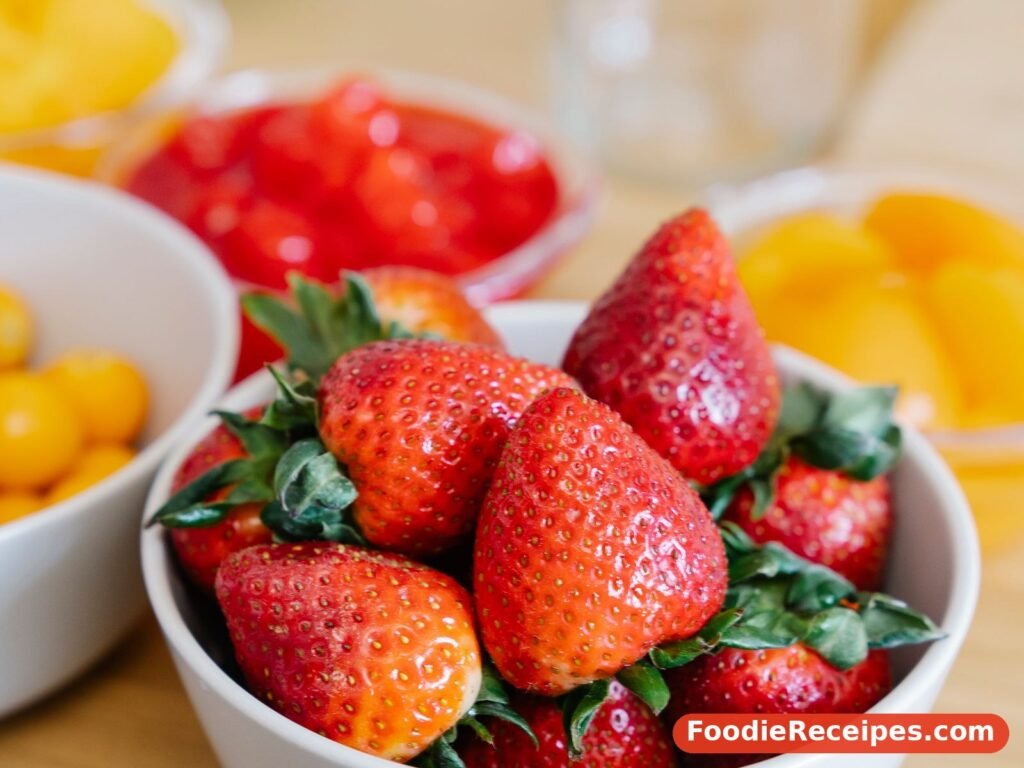
Fresh strawberry version. Replace the frozen berries with 3½ cups (about 565 g) of hulled, sliced fresh strawberries. Because fresh berries will not chill the gelatin for you, refrigerate the dissolved gelatin for 20 to 30 minutes until it reaches that syrupy stage before adding the fruit.
Mixed berry pretzel salad. Use raspberry gelatin and frozen mixed berries, or keep the strawberry gelatin and use a frozen berry blend. The color is stunning either way.
Orange or peach pretzel salad. Swap in orange gelatin and frozen peach slices (thawed slightly and chopped), or mandarin orange segments, for a sunny variation that is wonderful in summer.
Homemade whipped cream. Replace the whipped topping with 1½ cups (360 ml) of heavy cream whipped with 2 tablespoons of powdered sugar to firm peaks. The flavor is fresher; the layer is a touch softer, so chill the finished dessert overnight.
Lighter version. Use reduced-fat cream cheese, a sugar-free gelatin and light whipped topping, and cut the crust sugar to 2 tablespoons. The layers still set and the pan still empties.
Individual cups. Build the layers in small glasses or jars for parties — no slicing, and guests can see the pretty layers from the side.
What to Serve With
Strawberry pretzel salad lives two lives in American kitchens. On the dessert table, it sits proudly beside pies and cobblers at Easter, the Fourth of July, Mother’s Day and every potluck in between, where its red-and-white layers look as festive as they taste. In many families it also appears on the table next to the ham, turkey or fried chicken as a sweet-tart side dish — a tradition worth trying at least once before you judge it. It pairs especially well with salty, rich main dishes, because the cool, fruity top layer refreshes your palate between bites. Serve it very cold, straight from the refrigerator.
Serving and Storage
Cut the chilled dessert into 12 even squares and serve them cold on small plates. A square makes a generous dessert portion; for a big buffet, cut 15 to 18 smaller pieces. Keep the pan refrigerated whenever it is not on the table, and do not leave the dessert out for more than 2 hours, since the cream layer needs the cold.
Store leftovers covered tightly in the refrigerator for up to 3 days. Be honest with yourself about the crust, though: it is at its crunchiest on day one and will gradually soften as it sits under the moist layers — many people love the softer, almost cake-like crust on day three just as much. Freezing is not recommended; gelatin turns watery and weepy when thawed, and the cream layer loses its smooth texture. If you want to work ahead, bake the crust and make the cream layer a day in advance, keep them chilled separately in the pan, and add the gelatin layer the next morning for serving that evening.
Common Mistakes to Avoid
This dessert has exactly one tricky moment — keeping three layers separate and distinct — and nearly every failure traces back to a short list of avoidable errors.
- Leaving gaps in the cream cheese seal. Even a thumb-sized gap at one corner of the dish is a doorway the gelatin will find. Run your spatula right into every edge and corner, and hold the dish up to the light if you need to — you should see an unbroken white layer meeting glass all the way around.
- Pouring hot gelatin over the cream layer. Hot gelatin melts the whipped topping in the cream layer and breaks the seal from above, then leaks straight through to the crust. The gelatin must cool until it is merely warm and has begun to thicken before it goes anywhere near the pan. Stirring in the frozen berries cools it quickly, but give it its standing time anyway.
- Rushing the crust’s cooling. A crust that is even slightly warm will melt the bottom of the cream layer, blurring your layers and softening the crunch. Bake it, then forget about it for a full half hour — use the time to soften the cream cheese and thaw the topping.
- Crushing the pretzels to powder. Dust-fine crumbs bake into a hard, dense sheet that is difficult to cut and chew. You want a rubble of coarse crumbs and small pieces; the texture contrast is part of the dessert’s whole charm.
- Cutting the chill short. Gelatin sets gradually, and a pretzel salad sliced at two hours will have a wobbly, weeping top layer. Four hours is the minimum for clean squares, and an overnight rest gives the sharpest layers of all — one more reason this is the perfect make-ahead.
- Using fully thawed, juicy berries without draining. A bag of berries that has sat on the counter for hours swims in juice, and that extra liquid counts against your gelatin. Use them mostly frozen as the recipe directs, or drain off the excess juice if they have fully thawed.
Getting the Layers Picture-Perfect
If you are serving this to company and want those magazine-style layers, a few extra touches help. Wipe the inside edges of the dish clean with a damp paper towel after spreading the cream layer, so no white smears stain the glass where the red gelatin will show. Pour the gelatin slowly over the back of a large spoon held just above the cream layer — it breaks the stream and prevents the liquid from digging a crater in the seal. Once the dish is filled, slide it into the refrigerator without tilting it, and resist moving it for the first hour. When it is time to serve, mark your cutting lines lightly with the tip of the knife before committing to full cuts; twelve even squares are easier to judge in advance than mid-slice.
Frequently Asked Questions
Can I use fresh strawberries instead of frozen?
Yes — see the variation above. The key adjustment is chilling the gelatin to a syrupy consistency before adding fresh fruit, because fresh berries will not cool it down the way frozen ones do.
Why did my gelatin leak into the crust?
The cream layer did not fully seal the edges of the dish, or the gelatin was poured while too hot and melted the seal. Spread the cream right against the glass all the way around, chill it firm, and let the gelatin cool and thicken before pouring.
Why is my crust soggy?
Either the gelatin leaked through, or the crust was underbaked or loosely pressed. Bake it the full time until it smells toasty, press it firmly, and protect it with that complete cream seal.
Can I make strawberry pretzel salad ahead of time?
It is one of the best make-ahead desserts there is. Make it the day before serving and keep it refrigerated; the gelatin sets firmly and the flavors meld. Add any extra garnish just before serving.
Can I use a different gelatin flavor?
Absolutely. Raspberry, cherry and orange all work with the same method. Match or contrast the fruit as you like — just keep the quantities the same.
My gelatin layer did not set. What happened?
Too much liquid is the usual cause — often very juicy, fully thawed berries or extra water. Also make sure the gelatin fully dissolves in truly boiling water at the start. A soft layer will often firm up with several extra hours in the coldest part of the fridge.
Can I halve the recipe?
Yes. Halve everything and use an 8 × 8 inch (20 × 20 cm) dish. The layers will be a bit thinner, and the chilling time stays about the same — check the gelatin at 3 hours.
Salty, sweet, crunchy, creamy and crowned with bright strawberries, this is the kind of recipe that becomes a signature. Make it once for a gathering and be prepared: from then on, you are the person who brings the strawberry pretzel salad — and nobody will be sorry about that, least of all you.