
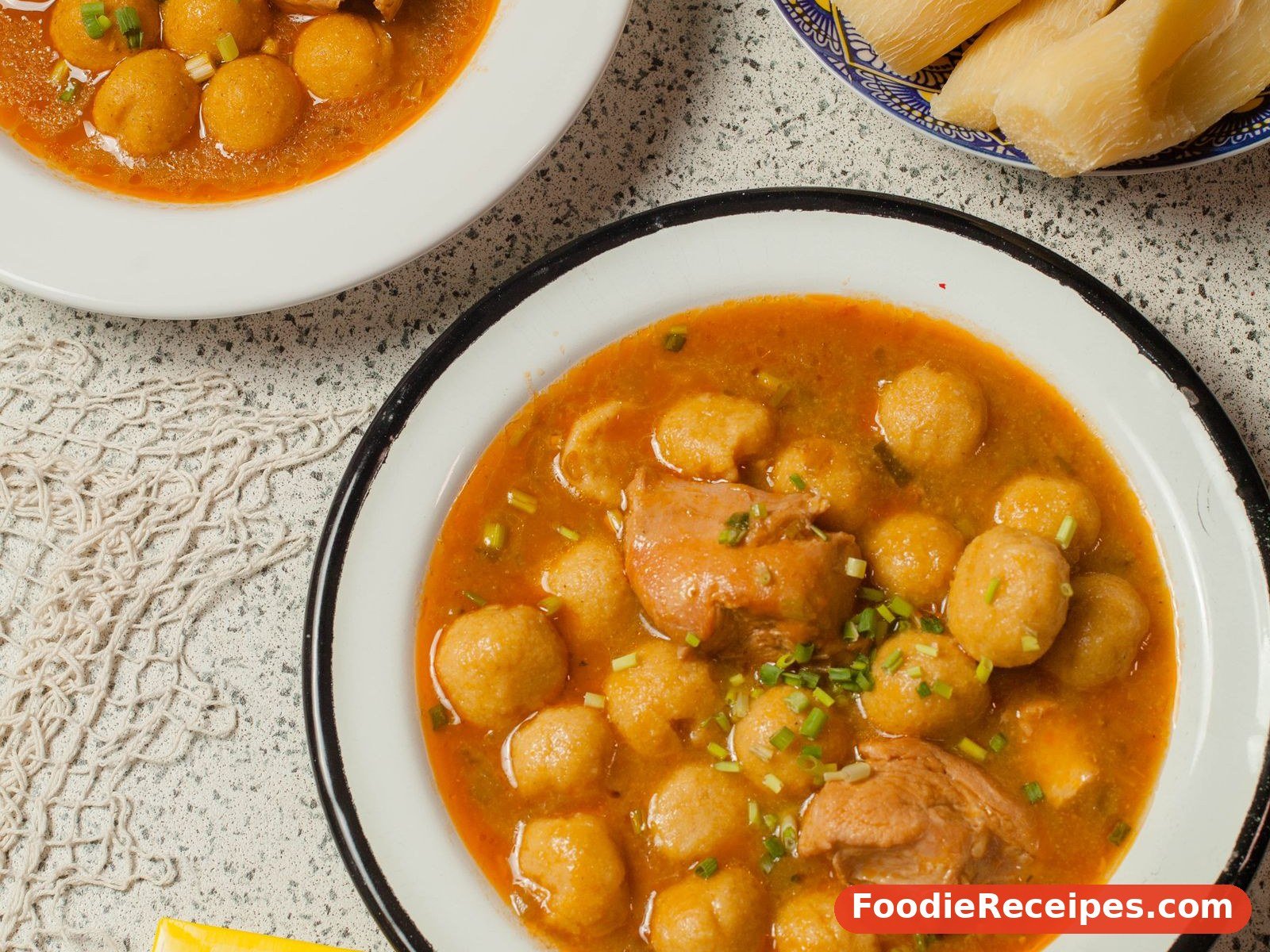
Chicken and dumplings is the dish Southern cooks reach for when someone is sick, sad, snowed in, or coming home. It is a bowl of pure reassurance: tender chicken, a rich and silky broth, and soft dumplings that soak up all of it. Every family has its version and defends it fiercely — fluffy drop dumplings in some kitchens, big biscuit-style dumplings in others — but across much of the South, and especially in the Appalachian and farmhouse tradition this recipe follows, the dumplings are rolled flat and cut into ribbons or squares, like wide noodles with a softer, more pillowy heart.
This homemade version builds real flavour from the ground up. You will poach a whole chicken (or meaty pieces) with aromatics to make a proper broth, shred the meat, roll out a simple dumpling dough, and simmer the dumplings right in the broth until they thicken it into something between a soup and a stew. A modest splash of cream at the end is optional but lovely. There are no canned soups and no shortcuts that cost you flavour — and the whole pot costs very little to make, which has always been part of its purpose.
The two things that determine success are the broth and the dumplings’ timing. A rich, well-seasoned broth makes the dish; dumplings dropped into a hard boil or stirred too hard fall apart, while dumplings simmered gently, mostly undisturbed, swell into tender ribbons. Follow the steps, resist the urge to peek and stir, and you will lift the lid on a pot that tastes like it came from a grandmother’s stove — because the method is exactly hers.
Serves: 6–8 | Prep time: 30 minutes, plus 20 minutes resting the dough | Cook time: about 1 hour 15 minutes | Total time: about 2 hours
Ingredients
For the chicken and broth
- 1 whole chicken, about 3½–4 lb (1.6–1.8 kg), or the same weight of bone-in thighs and breasts
- 10 cups (2.4 litres) cold water, plus more as needed
- 1 large yellow onion (about 250 g), quartered (leave the skin on for a golden broth, if you like)
- 2 celery stalks (about 120 g), cut into chunks, leaves included if you have them
- 2 medium carrots (about 200 g), cut into chunks
- 3 garlic cloves (about 9 g), smashed
- 2 bay leaves
- 1 teaspoon (3 g) black peppercorns
- 1 tablespoon (18 g) fine salt, plus more to taste
- ½ teaspoon (1.5 g) dried thyme (optional)
For the rolled dumplings
- 2½ cups (315 g) all-purpose flour, plus plenty more for rolling
- 1 tablespoon (12 g) baking powder
- 1 teaspoon (6 g) fine salt
- ¼ cup (55 g) cold unsalted butter or shortening, cut into small cubes (lard is the old-fashioned choice)
- ¾ cup (180 ml) whole milk or buttermilk, plus 1–2 tablespoons more if needed
- 1 large egg (about 50 g), lightly beaten (optional — makes a slightly richer, firmer dumpling)
To finish the pot
- 2 medium carrots (about 200 g), peeled and sliced into thin coins (optional, for serving in the stew)
- 1 cup (150 g) frozen peas (optional)
- ½ cup (120 ml) heavy cream or half-and-half (optional, for a creamy finish)
- 1 teaspoon (3 g) black pepper, freshly ground, plus more to taste
- 2 tablespoons (8 g) chopped fresh parsley, to serve (optional)
- A pinch of ground nutmeg (optional, a quiet old-fashioned touch)
Rolled Dumplings vs. Drop Dumplings
This recipe makes the flat, rolled style — sometimes called “slickers” or Pennsylvania-Dutch-style pot pie dumplings’ Southern cousins. Rolled dumplings have a gentle chew and thicken the broth beautifully with their surface flour. Drop dumplings, made from a soft biscuit-like dough spooned onto the simmering broth and steamed under a lid, are fluffier and more bread-like. Both are beloved; neither is wrong. If your heart belongs to the fluffy kind, you will find a drop-dumpling variation below that uses the same dough, mixed a little wetter.
Step-by-Step Method
- Poach the chicken (45–55 minutes). Put the chicken in a large stockpot or Dutch oven with the water, onion, celery, carrot chunks, garlic, bay leaves, peppercorns, salt, and thyme. Bring to a boil over high heat, skimming off any foam, then reduce to a gentle simmer. Cook until the chicken is completely tender and the meat is ready to fall from the bone — about 45 minutes for pieces, 50–55 minutes for a whole chicken. The broth should be fragrant and flavourful, not just hot water; taste it. If it tastes weak, simmer 10 minutes more before proceeding.
- Shred the chicken (10 minutes). Lift the chicken out onto a rimmed board or tray and let it cool until you can handle it, about 10 minutes. Pull off and discard the skin and bones, and shred or tear the meat into bite-sized pieces — a mix of shredded strands and small chunks is nicest. Set the meat aside, covered, so it does not dry out.
- Strain and measure the broth (5 minutes). Pour the broth through a strainer into a large bowl or another pot, discarding the spent vegetables. You want about 8 cups (1.9 litres) of broth; if you have less, top it up with water or good chicken stock; if much more, that is fine — the dumplings will drink some. Skim off excess fat from the surface if you like, though a little fat is flavour. Return the broth to the pot.
- Make the dumpling dough (8 minutes). While the chicken cools, whisk the flour, baking powder, and salt in a large bowl. Rub or cut in the cold butter with your fingertips or a pastry cutter until the mixture looks like coarse crumbs with a few pea-sized bits of butter. Stir in the milk (and the egg, if using) with a fork just until a shaggy dough forms. If it is dry and crumbly, add milk a tablespoon at a time; if sticky, a dusting of flour. The dough should be soft but rollable, like biscuit dough.
- Knead briefly and rest (25 minutes). Turn the dough onto a well-floured surface and knead it gently 4–6 times, just until it holds together smoothly — overworking makes tough dumplings. Pat it into a disc, wrap it, and rest it at room temperature for 20 minutes. The rest relaxes the gluten so the dough rolls out thin without springing back, and it makes a more tender dumpling.
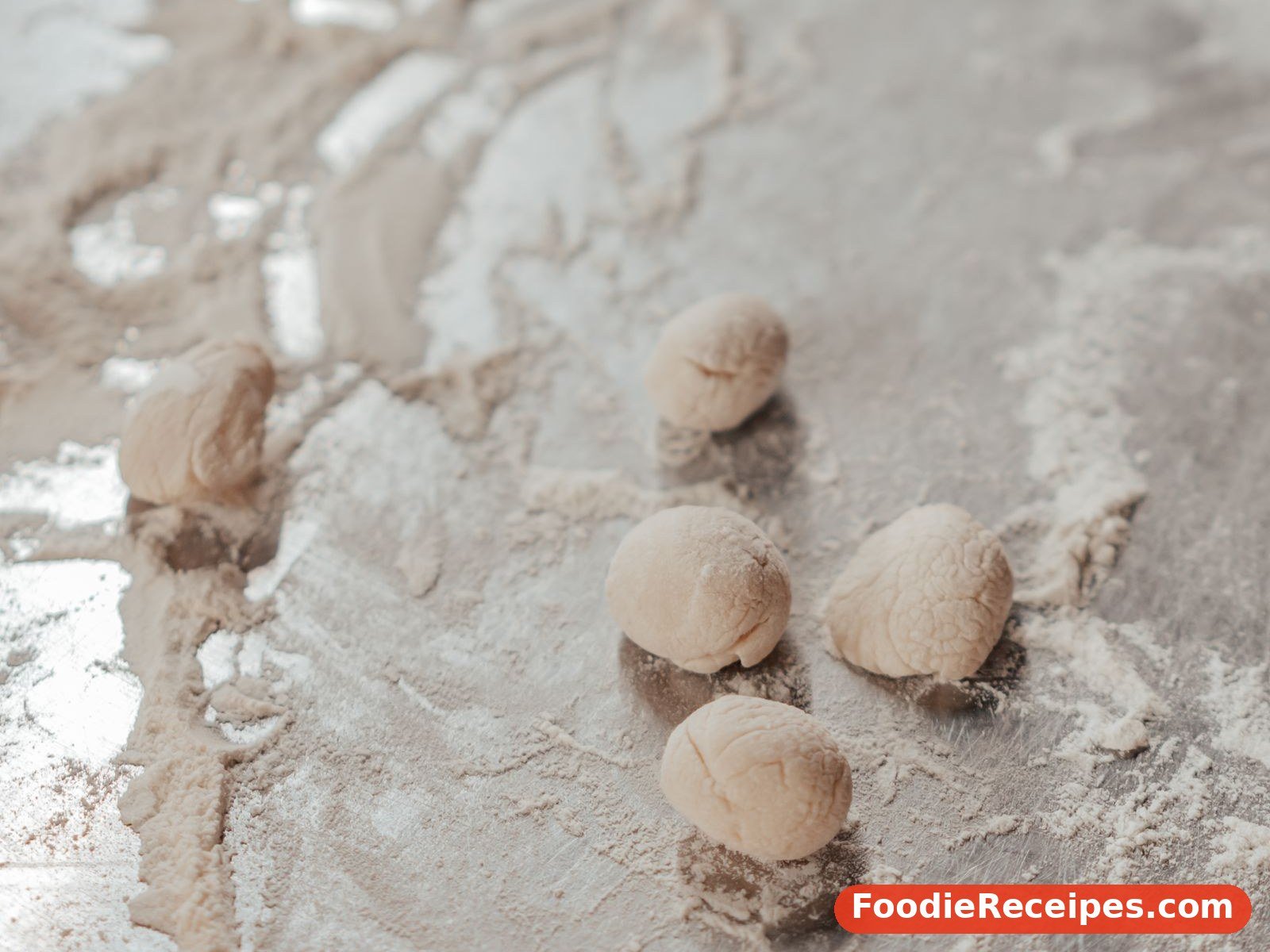
- Roll and cut the dumplings (10 minutes). Flour your surface generously — extra flour on the dumplings helps thicken the broth later. Roll the dough out to about ⅛ inch (3 mm) thick, roughly a large rectangle. Using a sharp knife or a pizza wheel, cut it into strips about 1 inch (2.5 cm) wide, then cut the strips into pieces about 2 inches (5 cm) long. You can also cut squares. Dust the cut dumplings lightly with flour and spread them on a floured baking sheet so they do not stick together.
- Season the broth and bring it to a simmer (5 minutes). Bring the strained broth back to a lively simmer — not a violent rolling boil, which can batter the dumplings apart, but a confident simmer with steady bubbles. Stir in the black pepper and the sliced carrots, if using, and let the carrots cook for 5 minutes so they are nearly tender before the dumplings go in. Taste the broth now and salt it properly; the dumplings will absorb seasoning as they cook, so the broth should taste a touch saltier than you want the finished dish.
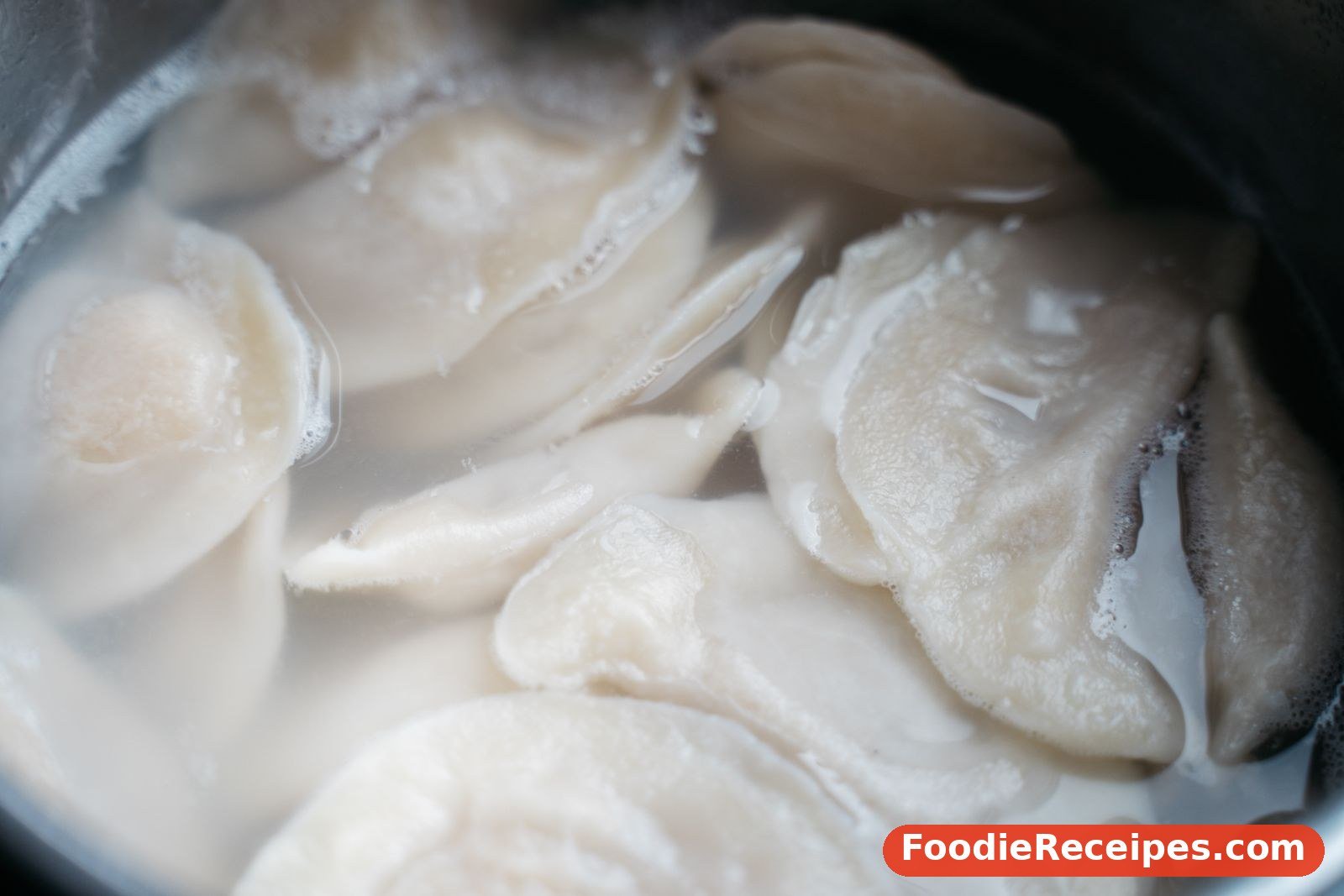
- Add the dumplings, one by one (3–4 minutes). Drop the dumplings into the simmering broth a handful at a time, letting each addition settle before adding more, and gently nudge them under the surface with a wooden spoon so they do not clump. Work steadily — if dumplings sit piled on each other in the pot, they will stick into a gummy mass.
- Simmer, mostly undisturbed (15–20 minutes). Once all the dumplings are in, reduce the heat to a gentle simmer, partially cover the pot, and cook for 15–20 minutes. Stir only once or twice, very gently, from the bottom, to prevent sticking. The dumplings will puff slightly, lose their raw sheen, and turn tender through. Test one: it should be soft and pillowy with no raw, gummy centre. As they cook, flour from their surfaces thickens the broth into a silky, stew-like sauce.
- Return the chicken and finish (5–8 minutes). Fold the shredded chicken back into the pot along with the frozen peas, if using. Simmer 3–4 minutes until the chicken is heated through and the peas are bright. Stir in the cream, if using, and warm it gently without boiling. Rest the pot off the heat for 5 minutes — the broth will thicken a little more as it stands. Adjust salt and pepper, add the pinch of nutmeg if you like, and scatter with parsley.
- Serve. Ladle into wide, warm bowls, making sure every serving gets plenty of dumplings, chicken, and broth. Serve steaming hot, with extra black pepper at the table.
Tips for Perfect Results
- Your broth is the dish. Ninety percent of the flavour lives in the poaching liquid, so season it well and give the chicken its full simmering time. A splash of the broth tasted on a spoon should make you want another sip.
- Roll thin. Dumplings swell as they cook: rolled to ⅛ inch (3 mm), they finish tender and light; rolled thick, they can be dense and doughy in the middle. When you think the dough is thin enough, roll it a touch thinner.
- A gentle simmer, not a boil. Hard boiling knocks dumplings against each other and the pot, tearing them and clouding the broth. Keep the surface lazily bubbling.
- Do not stir like you mean it. One or two gentle nudges from the bottom is all you get. Rough stirring shreds the dumplings and turns the broth gluey.
- Flour is your thickener. The light flour coating on the cut dumplings is what transforms broth into that signature silky sauce. Do not shake the flour off, and do not rinse the dumplings (someone, somewhere, has tried).
- If the finished broth is too thin, simmer the pot uncovered for a few extra minutes, or mash one cooked dumpling against the side and stir it in. If it is too thick, stir in hot stock or water a splash at a time — dumplings keep drinking broth as the pot stands, so leftovers always need loosening.
Variations and Substitutions
- Fluffy drop dumplings. Use the same dough but increase the milk to 1 cup (240 ml) so it is a soft, sticky batter. Drop by heaped tablespoons onto the simmering broth, cover tightly, and steam 12–15 minutes without lifting the lid. The dumplings puff into light, biscuit-like clouds.
- Biscuit-mix shortcut dumplings. In a hurry, a baking mix such as a buttermilk biscuit mix stirred with milk makes respectable drop dumplings. The from-scratch dough above is better, but nobody will send the bowl back.
- Herbed dumplings. Add 2 tablespoons (8 g) of finely chopped fresh parsley or chives, or 1 teaspoon (1 g) of dried thyme, to the dumpling flour for a flecked, fragrant dough.
- Turkey and dumplings. The finest use of a Thanksgiving turkey carcass: poach the carcass and leftover meat exactly like the chicken. Many Southern families consider this the whole point of roasting a turkey.
- Vegetable-rich version. Add diced potatoes (about 300 g) and the sliced carrots to the broth, plus a cup of corn (150 g), for a heartier, stew-like pot. Add potatoes 10 minutes before the dumplings so they cook through.
- Dairy-free pot. Make the dumplings with shortening or lard instead of butter and water or stock instead of milk, and skip the cream at the end. The dish loses none of its comfort.
What to Serve With
Chicken and dumplings is a complete meal in a bowl — protein, vegetables, dumplings, and broth all together — so it asks for very little alongside. A simple green salad with a sharp vinaigrette, or sliced tomatoes with salt when they are in season, gives a fresh contrast to the richness. Many Southern tables add a pot of greens (collards or turnip greens) or green beans, and cornbread is always welcome for sopping the last of the broth, though the dumplings rather compete for the same job. Sweet iced tea is the classic drink; hot sauce at the table is a personal and respected choice.
Serving and Storage
Serve chicken and dumplings immediately, ladled generously into warm bowls. The pot can sit, covered and off the heat, for about 20 minutes without harm, but dumplings continue to absorb broth as they stand, so a pot that was perfect at six o’clock will be noticeably thicker by six-thirty. A splash of hot stock stirred in revives it.
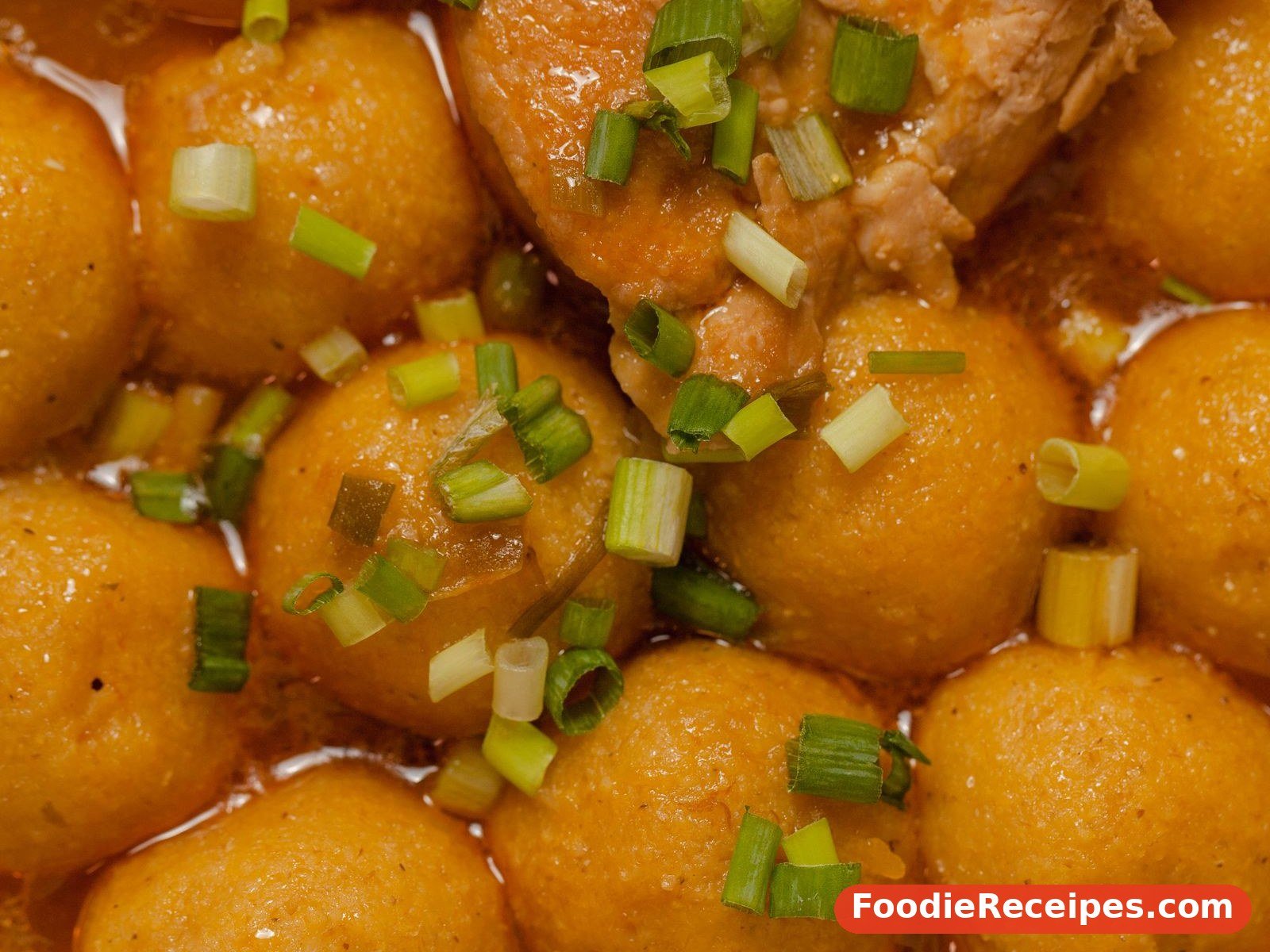
In the fridge: Store leftovers in an airtight container for up to 3 days. The dumplings will soak up most of the broth overnight and the leftovers will look more like a thick stew — this is normal and easily fixed when reheating.
In the freezer: Chicken and dumplings can be frozen for up to 2–3 months, but be honest with yourself: flour dumplings soften and can turn slightly gummy after freezing and thawing. For the best make-ahead result, freeze the broth with the chicken (which freezes perfectly) and make a fresh batch of dumplings when you reheat it. If you do freeze the finished dish, thaw it overnight in the fridge and reheat it gently.
To reheat: Reheat on the stove over low to medium-low heat, adding stock or water a splash at a time to loosen the broth back to a silky consistency, and stir gently and rarely so the dumplings stay intact. Warm it to a gentle simmer and until the chicken reaches 165°F (74°C). The microwave works for individual bowls — use medium power and stir once, very gently, halfway through.
Leftover ideas: True leftovers are rare, but the thickened next-day pot is wonderful ladled over buttered toast or mashed potatoes, and a small amount can be stretched with extra hot stock and a handful of noodles into a fine chicken soup.
Frequently Asked Questions
Why are my dumplings tough or chewy?
Tough dumplings come from overworked dough or dough rolled too thick. Knead only a few turns, rest the dough so the gluten relaxes, roll to ⅛ inch (3 mm), and make sure the broth is at a true simmer when they go in — dumplings that sit in lukewarm broth before cooking turn heavy.
Why did my dumplings fall apart or dissolve?
The broth was either boiling too hard, which batters them, or not hot enough when they went in, so they slumped and disintegrated instead of setting. Keep a steady, gentle simmer, add dumplings gradually, and stir as little as possible in the first minutes.
Can I use boneless, skinless chicken breasts?
You can, and the method is the same, but watch the poaching time: breasts dry out if overcooked, so check them at 25–30 minutes and remove them as soon as they are cooked through, letting the broth continue with the bones and vegetables if you used any. Bone-in thighs or a whole chicken give a richer broth and more forgiving meat, which is why the recipe recommends them.
My broth is thin and soupy. How do I thicken it?
First, give it time — the dumplings’ flour thickens the broth as they cook and as the pot rests. If it is still too thin, simmer uncovered for 5–10 minutes, or whisk 2 tablespoons (16 g) of flour into ¼ cup (60 ml) of cold water, stir the slurry in gradually, and simmer 2 minutes. Add a little at a time; you can always add more.
Can I make chicken and dumplings in a slow cooker?
Yes, with care. Poach the chicken and make the broth in the slow cooker on LOW for 5–6 hours, shred the chicken, then return everything to the cooker on HIGH. Add the dumplings during the last 45–60 minutes, keeping the lid on as much as possible — dumplings in a slow cooker take longer and come out softer, so check them rather than trusting the clock.
Do I have to make my own broth?
No — a good store-bought chicken stock (about 8 cups / 1.9 litres) plus poached or rotisserie chicken makes a fine weeknight version. But poaching the chicken in water with vegetables takes little extra effort, happens while you make the dough, and gives a broth seasoned exactly to your taste. It is the difference between good and memorable.
What’s the difference between chicken and dumplings and chicken pot pie?
They are cousins. Chicken pot pie is a chicken stew served under or inside a pastry crust, usually in the oven. Chicken and dumplings is a stovetop dish where the “crust” — the dumpling dough — cooks directly in the broth, thickening it as it goes. Flavours overlap; the texture and ritual are entirely different.
Can I use a rotisserie chicken?
Absolutely, for a faster pot. Shred the meat from one large rotisserie chicken (about 3 cups / 450 g), simmer its carcass in 8 cups (1.9 litres) of water with the aromatics for 30 minutes for a quick broth (or use good stock), then proceed from the dumpling step. Dinner lands about 45 minutes sooner.
Final Thoughts
Homemade chicken and dumplings asks for an afternoon’s patience and gives back one of the most comforting pots in all of Southern cooking — rich broth, tender chicken, and dumplings that taste like they were rolled out on a farmhouse table, because they were. Make it when someone needs feeding in every sense of the word. Make it when the weather turns. Make it just because a whole chicken and a bag of flour can still, after all these years, become the best meal of the month.