

If the South has a bread it would defend to the last, it is the buttermilk biscuit — tall, golden, and flaky enough to pull apart in layers, with a tender crumb that steams when you split it. And in Southern kitchens, the flour in those biscuits is very often self rising flour: the soft, low-protein flour milled from Southern wheat, with the baking powder and salt already blended in. Generations of biscuit makers — most famously with White Lily flour — have relied on it for biscuits that come out lighter and more tender than all-purpose flour typically gives.
The beautiful thing about biscuits with self rising flour is how short the ingredient list gets: flour, cold fat, buttermilk. That is nearly all. The rest is technique, and the technique is not hard — it is a handful of habits that make an enormous difference: keep everything cold, work the dough as little as possible, fold it a few times to build layers, cut straight down without twisting, and bake in a properly hot oven with the biscuits snuggled close together so they climb.
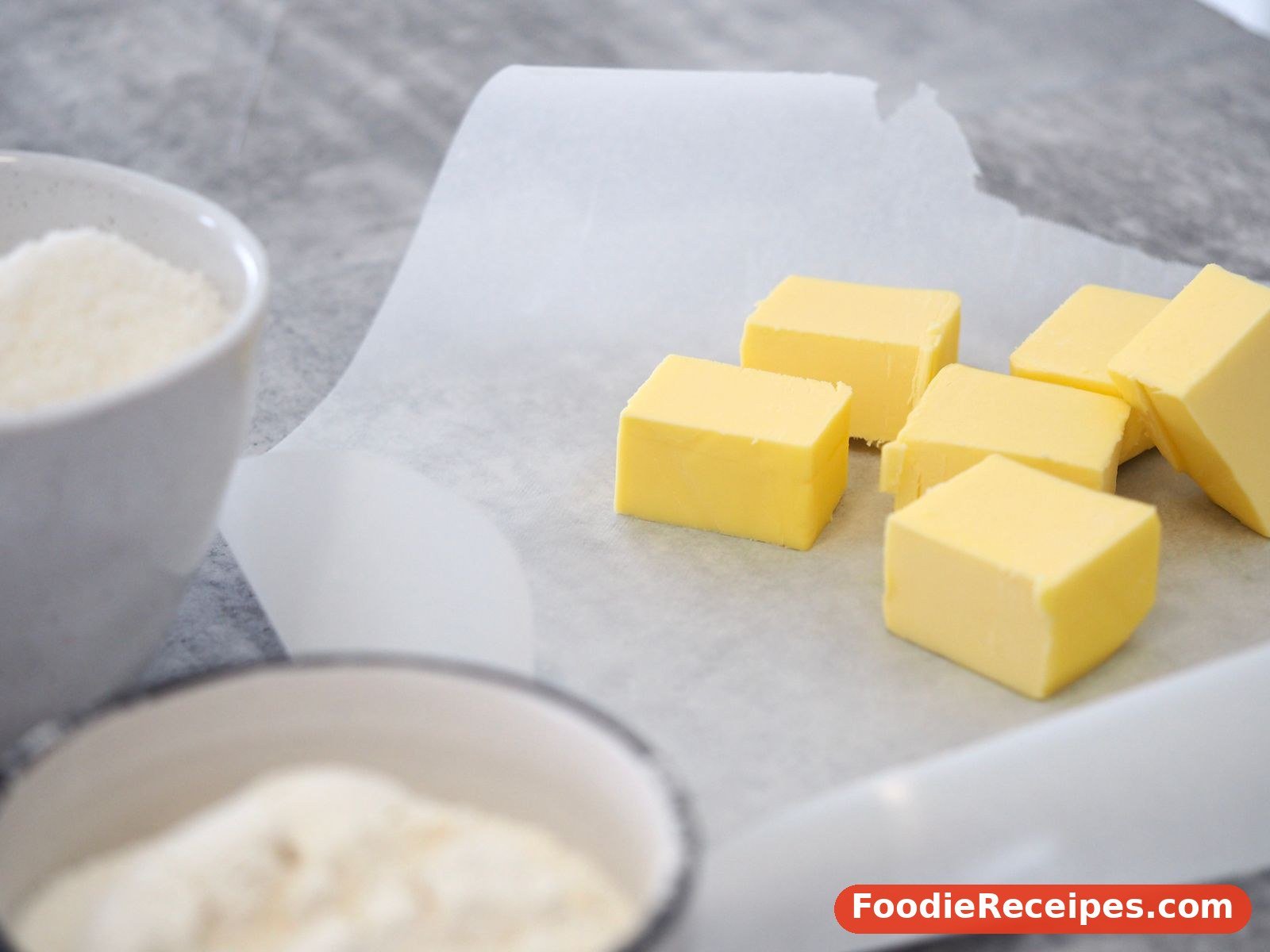
This recipe uses frozen butter, grated on a box grater — a modern trick that makes the old-fashioned result almost foolproof, distributing the fat in fine shards that create layer after layer as they melt and steam in the oven. Make these once and study how little handling the dough actually wants, and you will be turning out biscuits that would satisfy a grandmother: high-rising, feather-light, and ready for butter, jam, honey, sausage gravy, or a slice of country ham.
Makes: 8 large biscuits | Prep time: 15 minutes | Cook time: 12–15 minutes | Total time: about 30 minutes
Ingredients
- 2½ cups (315 g) self rising flour — soft Southern-style (such as White Lily) if you can get it — plus extra for dusting
- ½ cup (115 g) unsalted butter, frozen solid (or ¼ cup / 55 g butter plus ¼ cup / 50 g cold shortening or lard for the most traditional texture)
- 1 cup (240 ml) cold whole buttermilk, well shaken, plus 1–2 tablespoons more as needed, and a little extra for brushing the tops
- 1 teaspoon (4 g) granulated sugar (optional — it does not sweeten the biscuits noticeably; it encourages golden tops)
- 1 tablespoon (15 g) melted butter, for brushing the baked biscuits (optional but lovely)
Why Self Rising Flour — and Which One
Self rising flour is flour with baking powder and salt already mixed in at the mill, in exactly the proportions biscuits want. Southern self rising flours are typically milled from soft red winter wheat, which is lower in protein than all-purpose flour — and lower protein means less gluten, which means a more tender, delicate crumb. That softness is the whole secret behind the legendary Southern biscuit. If your self rising flour is a national all-purpose-based brand, the biscuits still work well; if you can find a Southern soft-wheat brand, you will taste the difference. Check the date: the baking powder in self rising flour loses strength after about 6 months in the pantry, and tired flour makes flat biscuits. If yours is old, whisk in 1 extra teaspoon (4 g) of fresh baking powder to revive it.
No Self Rising Flour? Make Your Own
For every cup (125 g) of all-purpose flour, whisk in 1½ teaspoons (6 g) of baking powder and ¼ teaspoon (1.5 g) of fine salt. For this recipe that is 2½ cups (315 g) all-purpose flour, 3¾ teaspoons (about 15 g) baking powder, and ⅝ teaspoon (about 4 g) salt. If you have access to soft wheat flour, use it; otherwise, a useful trick is to replace 2 tablespoons of the all-purpose flour with 2 tablespoons (16 g) of cornstarch, which nudges the protein down toward tenderness.
Step-by-Step Method
- Heat the oven — really heat it (10 minutes). Preheat the oven to 450°F (230°C) with a rack in the upper third. Biscuits need a blast of high heat to rise before the butter melts away. Lightly butter or line a baking sheet, or use a cast iron skillet (unheated is fine) — a skillet gives the biscuits especially crisp bottoms and sides.
- Grate the frozen butter (2 minutes). Using the large holes of a box grater, grate the frozen butter directly into a large mixing bowl. The frozen shards stay separate and cold — exactly what builds flaky layers. If you are using shortening or lard as part of the fat, cut it in pea-sized pieces and add it with the grated butter. Put the bowl in the freezer for 5 minutes if your kitchen is warm.
- Add the flour (2 minutes). Add the self rising flour (and the sugar, if using) to the butter and toss everything with your fingers or a fork until the butter shards are coated and the mixture looks shaggy and crumbly. Work quickly and lightly — you are coating, not creaming.
- Add the buttermilk (1–2 minutes). Pour in the cold buttermilk and stir with a fork or flexible spatula just until a shaggy, sticky dough forms and there are no dry pockets of flour — about 12–15 strokes. The dough should be noticeably soft and wet compared to bread dough; biscuit dough that looks “tidy” will bake up dry. If it seems stiff, add another tablespoon of buttermilk. Then stop. Every extra stir costs you tenderness.
- Fold for layers (2 minutes). Turn the dough onto a well-floured surface and flour the top. Pat it gently into a rectangle about ¾ inch (2 cm) thick. Fold it in half, pat it out again, and repeat the folding 4–5 times in total, turning the dough a quarter turn between folds and adding flour as needed to prevent sticking. This gentle lamination is what gives you layers you can pull apart. Handle the dough with light, cool hands and never use a rolling pin with force — patting is enough.

- Cut straight down (2 minutes). Pat the dough to a final thickness of about 1 inch (2.5 cm) — taller dough, taller biscuits. Dip a 2½-inch (6.5 cm) round cutter in flour and press it straight down through the dough in one motion, without twisting. Twisting seals the edges and pinches the layers shut, which is why some biscuits rise lopsided or not at all. Lift the biscuits out, and place them on the baking sheet or skillet almost touching each other — close neighbours support each other and rise taller and straighter, with soft sides. Gather the scraps, pat (do not knead) them together, fold once, and cut the remaining biscuits; these will be a touch less lofty, which every family solves by giving them to the cook.
- Brush and bake (12–15 minutes). Brush the tops lightly with buttermilk for a deeper golden colour. Bake at 450°F (230°C) for 12–15 minutes, until the biscuits have risen tall and the tops are golden brown. They should sound faintly hollow when tapped and be pulling away from the pan at the edges.
- Butter and serve (2 minutes). Brush the hot biscuits with the melted butter, if using, and let them rest for 2 minutes — no longer; biscuits wait for no one. Serve immediately, in a cloth-lined basket, while they are still steaming.
Tips for Perfect Results
- Cold is a rule, not a preference. Cold butter, cold buttermilk, cold flour if your kitchen is hot, and even a chilled bowl in summer. Warm fat smears into the flour and disappears; cold fat stays in shards that steam apart into layers in the oven.
- Soft dough, light hands. Southern biscuit dough should look shaggy and feel soft and sticky. The two great enemies of the biscuit are overworking (which builds gluten and toughness) and too much flour worked in during shaping (which dries the crumb). Dust the surface generously but touch the dough itself as little as you can.
- Never twist the cutter. It bears repeating because it is the most common biscuit mistake in the world: press straight down, lift straight up. A twisted cut seals the laminated edges and the biscuit cannot climb.
- Snuggle them together. Biscuits baked shoulder to shoulder rise higher, because each one leans on its neighbours and pushes up instead of out. For crusty all-over biscuits, space them apart — but for tall, soft-sided Southern biscuits, closeness is the way.
- Hot oven, fully preheated. Give the oven its full preheat; biscuits put into a still-climbing oven rise poorly. If your biscuits consistently brown too fast on the bottom, bake on a higher rack or double up the baking sheet.
- Freeze the cut biscuits for later greatness. Cut biscuits freeze beautifully: freeze them solid on the sheet, bag them, and bake from frozen at 450°F (230°C), adding 3–5 minutes. Fresh-baked biscuits on a weekday morning is one of life’s better tricks.
Variations and Substitutions
- All-butter vs. butter and shortening. All-butter biscuits taste richest; replacing half the butter with shortening or lard gives a slightly taller, more tender, old-fashioned biscuit with softer flavour. Whole generations were raised on each. Try both and pick your family’s side.
- Cheese biscuits. Fold 1 cup (110 g) of finely grated sharp cheddar and a pinch of cayenne into the flour before the buttermilk. Brush with garlic butter (melted butter plus ¼ teaspoon garlic powder) when they come out.
- Herb biscuits. Add 2 tablespoons (8 g) of chopped fresh chives, parsley, or rosemary — or 1 teaspoon (1 g) of dried herbs — to the flour for biscuits destined for chicken stew or a holiday table.
- Drop biscuits (no rolling, no cutting). Increase the buttermilk to 1¼ cups (300 ml) for a wetter dough, and drop 8 mounds onto the sheet with a spoon. Rustic, fast, and nearly as good — ready 10 minutes sooner on a busy morning.
- Sweet-ish breakfast biscuits. Increase the sugar to 1 tablespoon (12 g), add ½ teaspoon of cinnamon, and serve split with strawberries and cream for a shortcake base — the classic move, since biscuit shortcake is the original strawberry shortcake.
- Buttermilk substitutes. In an emergency, stir 1 tablespoon (15 ml) of lemon juice or white vinegar into 1 cup (240 ml) of whole milk and rest 10 minutes. It works, though real buttermilk gives a tang and tenderness the substitute only imitates. Plain kefir, thinned slightly, is an excellent stand-in.
What to Serve With
The buttermilk biscuit is the hardest-working bread in Southern cooking. At breakfast it goes under sausage gravy or tomato gravy, alongside fried eggs and bacon, or simply split and filled with country ham, a fried egg and cheese, or butter and sorghum, honey, or jam. At dinner it sops up the potlikker from greens and beans, rides beside fried chicken and smothered pork chops, and tops chicken pot pie filling as a biscuit crust. A basket of biscuits and a pot of coffee can constitute a complete and happy morning all by themselves.
Serving and Storage
Serve biscuits immediately, hot from the oven, wrapped in a clean cloth in a basket to hold their steam and warmth. Split them with a fork or your fingers — never saw them with a knife, which crushes the layers — and butter them while they steam.
At room temperature: Biscuits are best the day they are baked, honestly within hours. Leftovers will keep in a sealed container on the counter for 1 day before they begin to stale.
In the fridge: Refrigerating biscuits dries them; if you must, keep them sealed for up to 3 days and reheat them properly (below) rather than eating them cold.
In the freezer: Baked biscuits freeze well for up to 3 months, wrapped tightly. Even better is freezing them unbaked, as described in the tips: cut, frozen solid, bagged — they keep for up to 3 months and bake from frozen into biscuits indistinguishable from fresh.
To reheat: Warm baked biscuits in a 350°F (175°C) oven, wrapped in foil, for 8–10 minutes, until steaming. A quick split-and-toast in a dry skillet also revives the bottom nicely. The microwave softens rather than revives them — use 10–15 seconds only in true desperation.
Leftover ideas: Day-old biscuits make fine breakfast sandwiches, a classic biscuit bread pudding, crouton-like toppers for stews, and the base for strawberry shortcake any time berries are in the house.
Frequently Asked Questions
Why did my biscuits come out flat?
The usual suspects are old self rising flour (its baking powder fades in the pantry — whisk in 1 teaspoon of fresh baking powder as a rescue), warm fat that melted into the dough, dough patted too thin, or a twisted cutter sealing the edges. Check the flour’s age first; it is the most common culprit by far.
Why are my biscuits tough?
Too much handling. Every stir, knead, and roll develops gluten. Biscuit dough wants about a dozen strokes to come together, a few gentle folds, and a confident, minimal shaping. If your dough feels like bread dough, you have worked it too long — and probably added too much flour while doing it.
Why are my biscuits dry?
Either too much flour (measure by weight — 315 g — or spoon the flour into the cup and level it, rather than scooping, which can pack in 20 percent extra) or too little buttermilk, or a slow oven that dried them before browning them. The raw dough should be soft and sticky, not firm and smooth.
Can I use all-purpose flour instead of self rising?
Yes — see the make-your-own formula in the ingredients notes (all-purpose flour plus baking powder and salt). The biscuits will be very good, though a touch less tender than those made with soft Southern self rising flour. Adding 2 tablespoons of cornstarch in place of 2 tablespoons of the flour helps mimic the softness.
What is the best fat for biscuits?
It depends on what you value. Butter gives the best flavour and fine layers, especially frozen and grated. Shortening gives the tallest, most tender rise but less flavour. Lard — the original — gives remarkable tenderness and a savoury depth. A half-butter, half-shortening (or lard) blend is the biscuit maker’s compromise, and the one used here.
Why do the biscuits need to touch on the pan?
Because biscuits rise partly by climbing against each other. Placed close together, they support one another and are forced upward, giving tall biscuits with soft sides. It is the same reason a full pan of biscuits always outperforms a lonely few spread across a big sheet.
Can I make the dough the night before?
Biscuit dough does not love waiting — the leavening starts working and the fat warms. The better make-ahead is to cut the biscuits, freeze them solid, and bake from frozen in the morning (add 3–5 minutes). You get all the convenience with none of the compromise.
My biscuits browned on top but are doughy in the middle. What happened?
They were probably cut too thick for their width, baked in an oven that was not fully preheated or runs cool, or crowded onto a cold, heavy pan that stole the heat. Confirm your oven temperature with an oven thermometer, cut to an even 1 inch (2.5 cm), and let the biscuits bake the full time — a properly baked biscuit is golden, tall, and sounds faintly hollow when tapped.
Final Thoughts
A great Southern buttermilk biscuit is the reward for a short list of ingredients and a short list of habits: soft self rising flour, frozen butter, cold buttermilk, a light hand, a straight-down cut, and a hot oven. None of it is difficult, and all of it together produces something close to magic — a tall, steaming biscuit that pulls apart in layers. Make them on a slow morning, split one open while it is still too hot to hold comfortably, add butter, and you will understand everything the South has been trying to tell the rest of the world about breakfast.