

Walk past any good bakery in the morning and you will see them in the case: blueberry muffins with tall, golden, domed tops, their surfaces freckled with berries that have burst just enough to promise a juicy bite. They look like they require professional equipment and pastry-school secrets. They do not. What they require is a solid recipe, a couple of simple techniques, and — this is the part that surprises people — frozen blueberries, which many bakers actually prefer to fresh.
Frozen blueberries are the home baker’s quiet advantage. They are available all year, they cost less than fresh berries out of season, they are picked and frozen at peak ripeness, and they hold their shape beautifully in batter. There are only two small problems to solve: frozen berries love to sink, and they love to streak the batter purple. This recipe solves both, easily, and we will explain exactly how.
The muffins themselves are everything a blueberry muffin should be: a tender, moist, vanilla-scented crumb; a generous amount of fruit in every bite; and those coveted domed tops, achieved with a simple two-temperature baking trick that takes no extra effort. Make a batch on Sunday and breakfasts and snacks are handled for days. Let us get baking.
Serves: 12 muffins | Prep time: 15 minutes | Cook time: 18–22 minutes | Cooling time: 10 minutes | Total time: about 45 minutes
How to Use Frozen Blueberries Without Turning the Batter Purple
Frozen blueberries behave differently from fresh ones, and understanding why helps you handle them perfectly.
When blueberries freeze, ice crystals rupture some of their cell walls. As they thaw, they release their deep purple juice — and if that juice meets your batter, the whole batch turns an alarming shade of grayish purple. The muffins still taste fine, but they look like a science experiment. Two habits prevent it:
Keep the berries frozen until the last possible second. Do not thaw them, do not rinse them, and do not let them sit on the counter while you mix. They go from the freezer into the flour coating, then into the batter, then straight into the oven. Cold berries release almost no juice during the brief mixing.
Coat them in flour. Toss the frozen berries with a tablespoon of flour (taken from the measured amount) just before folding them in. The light coating does two jobs: it absorbs the first bit of surface moisture so the berries bleed less color, and it gives the batter something to grip, which helps keep the berries suspended instead of sinking to the bottoms of the muffins.
There is one more bonus to using berries frozen: because they are icy cold, they slightly firm up the batter, which helps the muffins rise into taller domes before the crumb sets. Bakery magic, courtesy of your freezer.
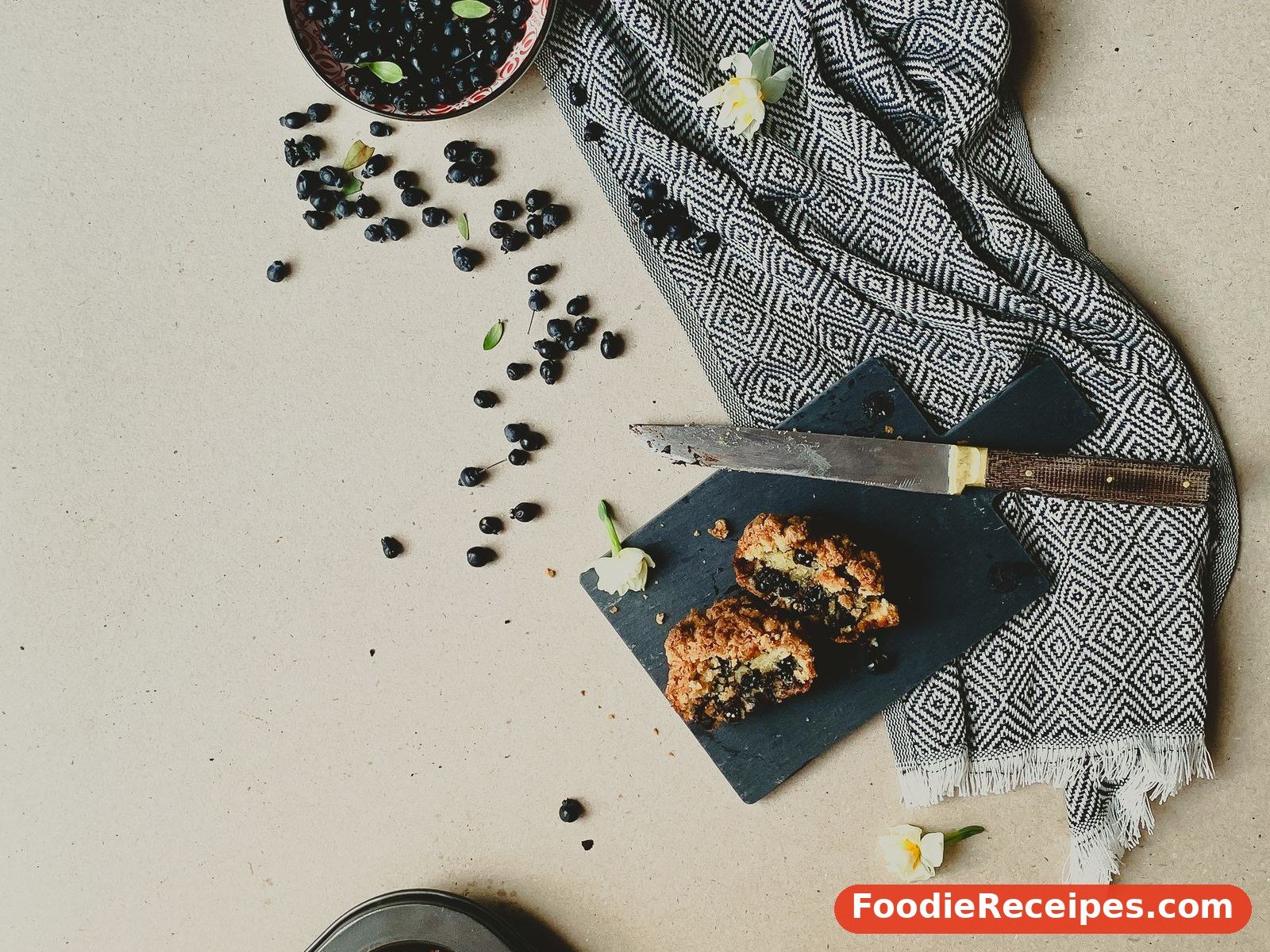
Ingredients
For the muffins
- 2 cups (250 g) all-purpose flour (you will use 1 tablespoon of this to coat the berries)
- ¾ cup (150 g) granulated sugar
- 2 teaspoons (8 g) baking powder
- ½ teaspoon (3 g) fine sea salt
- ½ teaspoon ground cinnamon (optional, subtle warmth)
- ½ cup (113 g / 1 stick) unsalted butter, melted and slightly cooled — or ½ cup (120 ml) neutral oil for an extra-moist muffin
- 2 large eggs (about 100 g without shells), at room temperature
- ½ cup (120 ml) whole milk, at room temperature (or buttermilk for a gentle tang)
- ¼ cup (60 g) plain Greek yogurt or sour cream (the secret to a tender, bakery-soft crumb)
- 2 teaspoons (10 ml) pure vanilla extract
- 1 teaspoon lemon zest (optional, brightens the berries beautifully)
- 1½ cups (225 g) frozen blueberries, kept frozen until the moment you use them
For the optional streusel topping
- ¼ cup (31 g) all-purpose flour
- ¼ cup (50 g) granulated sugar
- ¼ teaspoon ground cinnamon
- 2 tablespoons (28 g) cold unsalted butter, cubed
Or, the simple finish
- 1 tablespoon coarse or sparkling sugar, for sprinkling over the tops
A note on butter versus oil: Butter gives richer flavor; oil gives a slightly moister muffin that stays soft longer. Both work in this recipe without any other changes. Many bakers split the difference — ¼ cup (57 g) melted butter plus ¼ cup (60 ml) oil — and get the best of both worlds.
Step-by-Step Method
- Preheat the oven — hot first. Preheat your oven to 425°F (220°C). Yes, that is hotter than muffins usually bake at — this initial blast of heat is the dome trick, explained in Step 6. Line a standard 12-cup muffin tin with paper liners, or grease each cup well.
- Make the streusel (if using, 3 minutes). In a small bowl, combine the flour, sugar, and cinnamon. Rub in the cold butter with your fingertips until the mixture looks like coarse crumbs with some pea-sized pieces. Refrigerate while you mix the batter so it stays crumbly.
- Whisk the dry ingredients (2 minutes). In a large bowl, whisk together the flour (remember to reserve 1 tablespoon for the berries), sugar, baking powder, salt, and cinnamon until well combined and aerated.
- Whisk the wet ingredients (2 minutes). In a second bowl, whisk the melted butter, eggs, milk, Greek yogurt, vanilla, and lemon zest until smooth and uniform. Room-temperature dairy matters here — cold milk can resolidify melted butter into flecks, so warm the milk for 15–20 seconds in the microwave if it is fridge-cold.
- Combine and fold in the berries (2 minutes — gently). Pour the wet ingredients into the dry and stir with a spatula just until almost combined, with a few small streaks of flour still visible. Now toss the frozen blueberries with the reserved tablespoon of flour, add them to the bowl, and fold with just a few strokes until the batter is uniform and the berries are distributed. Stop as soon as the flour disappears. Lumpy batter is correct batter — overmixing is the enemy of tender muffins, and every extra stir also smears more berry juice.

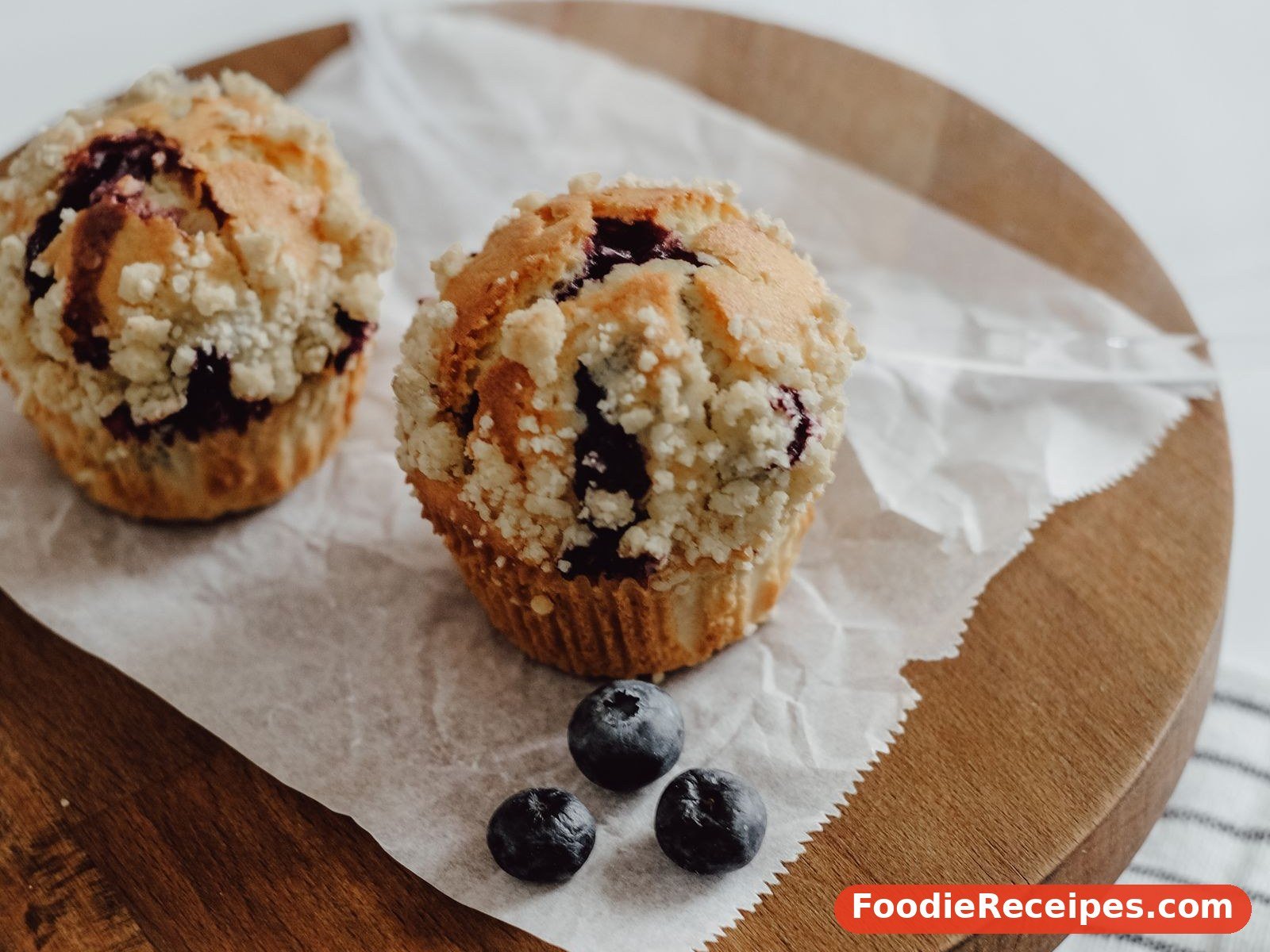
- Fill the cups generously and bake with the two-temperature trick (18–22 minutes). Divide the batter among the 12 cups — they will be quite full, nearly to the top, which is what you want for tall domes. Sprinkle with the streusel or the coarse sugar, and press 2–3 extra frozen blueberries onto the top of each muffin for that bakery-case look. Bake at 425°F (220°C) for 5 minutes, then — without opening the oven door — reduce the temperature to 350°F (175°C) and bake for 13–17 minutes more, until the tops are golden and a toothpick inserted in the center of a muffin comes out clean or with a few moist crumbs (ignore any blueberry juice on the pick).
- Cool briefly and enjoy (10 minutes). Let the muffins rest in the tin for 10 minutes — they finish setting and release from the liners more cleanly. Then transfer them to a wire rack. They are wonderful warm, when the berries are jammy, and equally good at room temperature.
Tips for Perfect Results
- The two-temperature bake is the dome secret. The initial 425°F (220°C) blast gives the baking powder a burst of oven spring before the tops set; dropping to 350°F (175°C) lets the centers bake through without burning. Do not open the door during the switch — just turn the dial.
- Fill the cups nearly full. Timidly filled cups make flat, cupcake-sized muffins. This batter is thick enough to mound, so fill boldly for tall tops.
- Room-temperature eggs and dairy combine more smoothly and help the muffins rise evenly. Set them out 30 minutes ahead, or warm eggs in a bowl of warm water for 5 minutes.
- Weigh or spoon-and-level your flour. Too much flour is the most common cause of dry, bready muffins. Spoon flour into the cup, level it off — or use 250 g on a scale.
- Do not thaw the blueberries. It bears repeating: frozen in, frozen folded, straight into the oven. This is the whole secret to a golden (not purple) crumb.
- Check doneness by the toothpick and the spring. A finished muffin’s top springs back when pressed lightly. Underbaked muffins sink in the middle as they cool.
- Let them rest before unwrapping. Peeling a liner from a piping-hot muffin tears the crumb; 10 minutes of patience gives clean, neat muffins.
Variations and Substitutions
Lemon blueberry: Increase the lemon zest to 1 tablespoon and add 1 tablespoon of lemon juice to the wet ingredients. Bright, fresh, and very popular.
Blueberry crumb (bakery copycat): Use the streusel topping as written and add a pinch of nutmeg to it. This is the coffee-shop classic.
Mixed berry: Replace half the blueberries with frozen raspberries or a frozen mixed-berry blend, handled exactly the same way — frozen and flour-coated.
Whole wheat blend: Replace ½ cup (63 g) of the all-purpose flour with whole wheat flour for a heartier muffin. Add 1 extra tablespoon of milk, since whole wheat absorbs more.
Chocolate chip swap: Not a berry person? Replace the blueberries with 1 cup (170 g) chocolate chips, tossed in the same tablespoon of flour to prevent sinking.
Mini muffins: Fill a mini muffin tin, bake at 375°F (190°C) for 11–13 minutes. The recipe makes about 36 minis — wonderful for lunchboxes and little hands.
Lower sugar: Reduce the granulated sugar to ½ cup (100 g). The muffins will be less sweet and slightly less golden but still tender and full of berry flavor.
What to Serve With
Blueberry muffins are a breakfast all by themselves with a cup of coffee or tea, but they also shine as part of a spread. For brunch, set them out with scrambled eggs, bacon, and a fruit salad — the muffins provide the sweet, baked element that completes the table. They are lovely split and spread with soft butter or a smear of lemon curd. For an afternoon snack, a warm muffin with a glass of cold milk is hard to improve on. And if you are packing a picnic or a road-trip breakfast, these travel beautifully and need no utensils at all.
Serving and Storage
Serve warm or at room temperature. To refresh a day-old muffin, warm it for 10–15 seconds in the microwave or for 5 minutes in a 300°F (150°C) oven — the berries turn jammy again and the crumb softens.
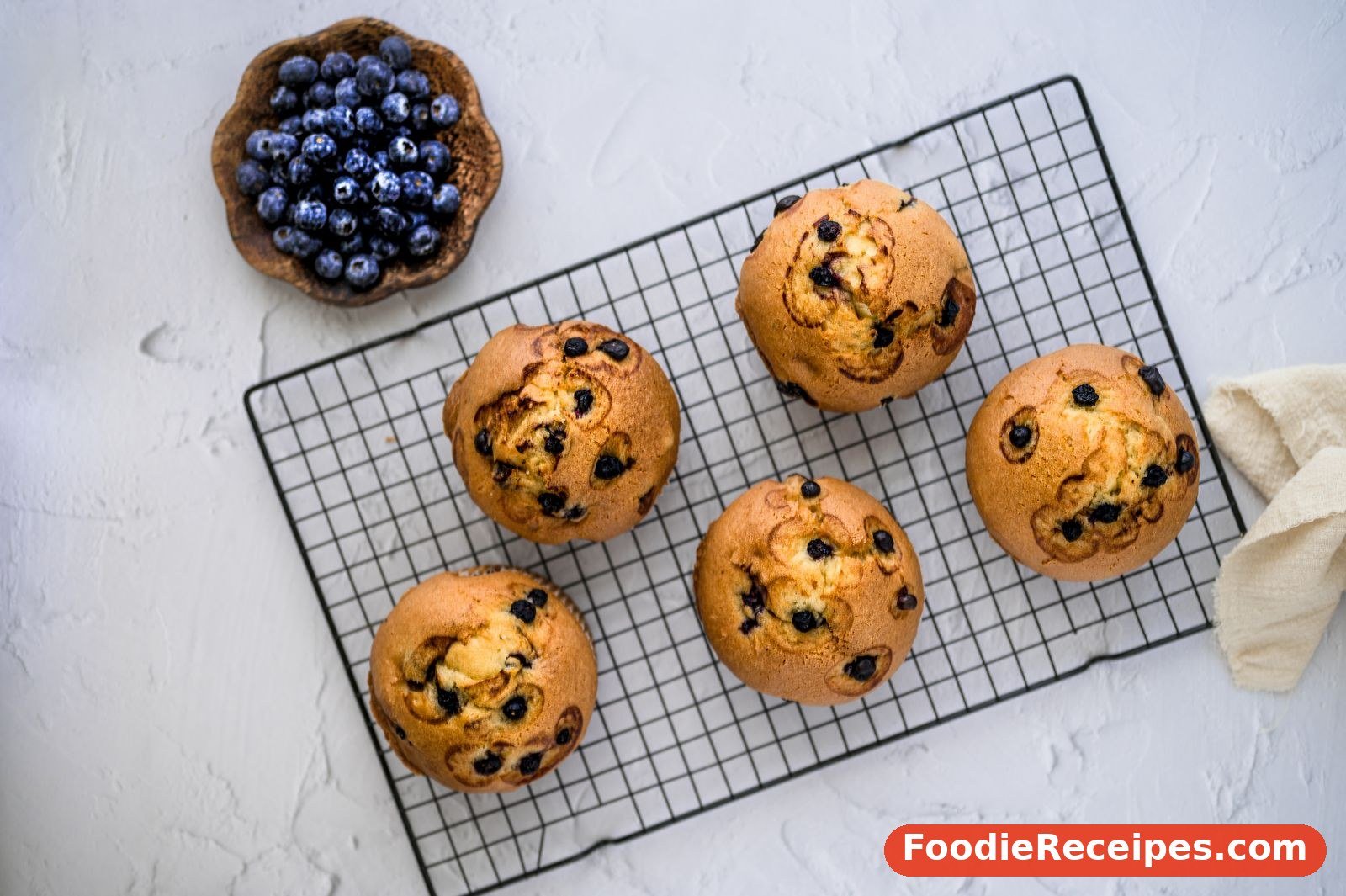
Room temperature: Muffins keep well in an airtight container at room temperature for up to 2 days. Line the container with a paper towel and lay another on top of the muffins — it absorbs excess moisture and keeps the tops from going sticky.
Refrigerator: Up to 5 days in an airtight container. Cold storage firms the crumb, so warm before serving for the best texture.
Freezer: These muffins freeze exceptionally well for up to 3 months. Cool completely, wrap individually or place in a freezer bag with the air pressed out. Thaw at room temperature for about an hour, or microwave a frozen muffin for 30–45 seconds.
Baker’s tip for busy mornings: Freeze the baked muffins and move one to the counter before bed. By breakfast it is thawed, and a 10-second warm-up makes it taste fresh-baked.
A Word About the Yogurt
The small amount of Greek yogurt (or sour cream) in this batter does an outsized amount of work, and it is worth understanding so you never skip it. Its acidity tenderizes the flour’s gluten, which is why these muffins stay soft instead of turning bready. It also reacts gently with the leavening for a finer, more even crumb, and its thickness enriches the batter without adding liquid — which keeps the berries suspended where they belong. Full-fat yogurt gives the best texture, but low-fat works acceptably. If you ever find yourself without yogurt or sour cream, buttermilk in place of both the milk and the yogurt is the closest substitute, and a spoonful of mayonnaise — a beloved old Southern baker’s trick — works surprisingly well in a pinch.
Frequently Asked Questions
Why did my batter turn purple or gray?
The berries thawed and released their juice into the batter — usually because they sat out while you mixed, or were folded in too vigorously. Keep them frozen until the final fold, coat them in flour, and use a gentle hand. Gray batter still tastes good, so do not throw it out — just adjust the technique next time.
Can I use fresh blueberries instead?
Yes, absolutely. Use the same amount (1½ cups / 225 g), toss them in the flour just the same to discourage sinking, and bake as directed. In peak season, fresh berries are wonderful; the rest of the year, frozen are the smarter buy.
Why did all my berries sink to the bottom?
The flour coating is the main defense, along with a properly thick batter. If your batter was thin (often from too little flour or too much liquid), even coated berries will sink. Also avoid overmixing, which thins the batter as it breaks down its structure.
Why are my muffins dry and tough?
Almost always overmixing or overbaking — or too much flour. Stir only until the flour disappears, measure flour by spooning and leveling (or weighing), and pull the muffins as soon as a toothpick comes out clean.
Can I make the batter the night before?
It is not recommended. Baking powder begins working as soon as it meets liquid, and an overnight rest costs you most of your rise — plus the berries will bleed into the batter as they slowly thaw. For a head start, whisk the dry ingredients together the night before and combine everything fresh in the morning.
How do I get taller, more dramatic domes?
Fill the cups nearly full, use the two-temperature bake, make sure your baking powder is fresh, and try this pro trick: bake only 6 muffins in the 12-cup tin, spaced in alternating cups — the extra air circulation around each cup encourages even taller tops.
My muffins stuck to the paper liners. Help?
Let them cool for the full 10 minutes before unwrapping — steam makes hot muffins cling. Lightly spraying liners with nonstick spray also helps, and some bakers simply prefer a well-greased tin with no liners at all.
Can I reduce the butter or make them dairy-free?
You can swap the butter for neutral oil one-for-one (many prefer the moisture). For dairy-free muffins, use oil, a plant milk, and a dairy-free yogurt or skip the yogurt and add 2 extra tablespoons of plant milk. The flavor shifts slightly, but the muffins remain tender and berry-packed.
A Final Word From Our Kitchen
A great blueberry muffin is a small, everyday luxury — and now it is one you can make any month of the year, straight from a bag of frozen berries. Keep this recipe close, remember “frozen in, flour-coated, gently folded,” and you will pull tall, golden, berry-bursting muffins out of your own oven whenever the craving strikes. Coffee’s on. Breakfast is handled, beautifully and deliciously, every single time.