

Every home cook needs an answer to the most common question in domestic life: what is for dinner tonight? This easy weeknight dinner with ground beef and pasta is one of the best answers there is. It is a one-pan skillet of savory ground beef, tender penne, and a rich tomato sauce, finished with melted mozzarella — ready in about 30 minutes, made from ingredients that are probably in your kitchen right now, and loved by essentially everyone who has ever sat at your table.
Dishes like this one — sometimes called American goulash’s quicker cousin, beef pasta skillet, or just “that beef and noodle thing” — are the backbone of weeknight cooking in the United States. Ground beef and pasta are two of the most affordable, dependable staples in the grocery store, and together in a tomato sauce with garlic and Italian herbs, they become something far greater than the sum of their parts. The pasta cooks directly in the sauce, drinking up all that savory tomato flavor and releasing starch that makes the sauce cling to every bite. No separate pasta pot, no colander, no second pan of sauce. One skillet, start to finish.
What makes this particular version sing is a couple of small, deliberate touches. The beef is browned properly, in a hot pan, so it tastes like beef and not like boiled meat. The tomato paste gets a minute to toast with the garlic and spices, which deepens the sauce enormously. A pinch of sugar balances the tomato’s acidity the way Italian-American grandmothers have always insisted. And the cheese goes on at the end, under a lid or a quick broil, so it melts into stretchy blankets over the top instead of disappearing into the sauce.
This is also a recipe built for real life. It doubles for a crowd, halves for two, welcomes vegetables from the crisper drawer, and reheats like it was made for the purpose. If you only ever learn one ground beef skillet dinner, make it this one — then make it your own.
The One-Pan Weeknight Formula
The structure of this dish is a formula worth memorizing, because once you know it, you can improvise a dozen dinners:
- Brown the protein well. Beef, turkey, sausage — deep color means deep flavor.
- Build the sauce in the same pan. Tomato paste, garlic, and spices toast in the drippings.
- Cook the pasta in the sauce. Broth and tomatoes provide the liquid; the pasta’s starch thickens everything.
- Finish with cheese. Off the burner or under the broiler, for maximum melt and pull.
The formula works because every step flavors the next one. The beef seasons the pan, the pan seasons the sauce, the sauce seasons the pasta. Nothing is wasted and nothing is bland. That is the entire philosophy of great weeknight cooking in one skillet.
Serves: 4–6 | Prep time: 10 minutes | Cook time: 20 minutes | Total time: 30 minutes
Ingredients
For the skillet
- 1 lb (450 g) ground beef, 80/20 or 85/15 lean
- 1 tablespoon (15 ml) olive oil, if needed
- 1 medium yellow onion (150 g), diced
- 1 medium bell pepper (150 g), any color, diced (optional)
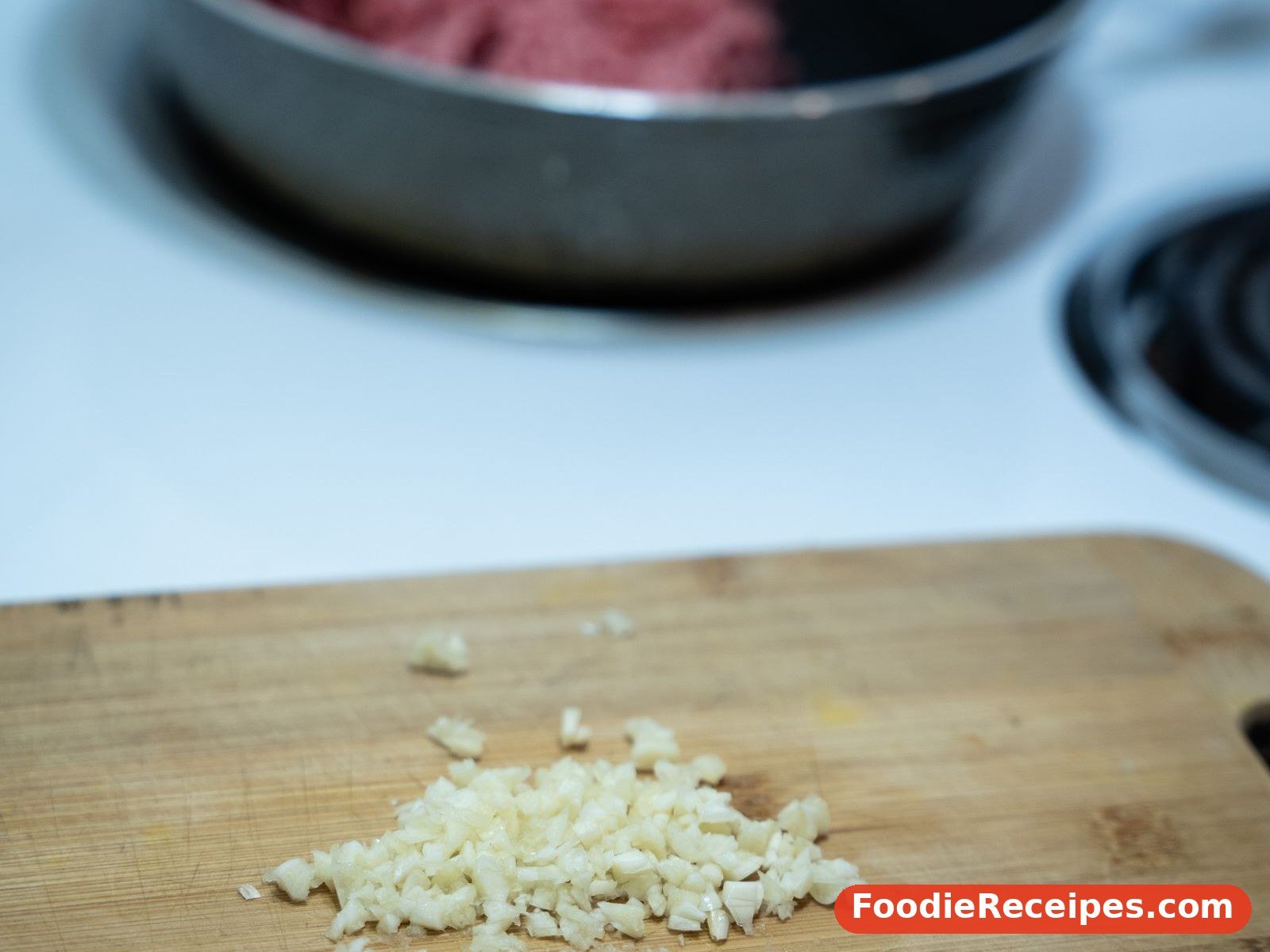
- 3 cloves garlic (9 g), minced
- 2 tablespoons (32 g) tomato paste
- 1 can (15 oz / 425 g) tomato sauce, or crushed tomatoes
- 1 can (14.5 oz / 410 g) diced tomatoes, with their juices
- 1½ cups (360 ml) low-sodium beef broth, plus more as needed
- 12 oz (340 g) penne, rotini, or elbow macaroni (about 3½ cups dry)
- 1½ teaspoons Italian seasoning
- 1 teaspoon (3 g) paprika
- 1 teaspoon (6 g) fine sea salt, plus more to taste
- ½ teaspoon (1 g) black pepper
- 1 teaspoon (4 g) granulated sugar (balances the tomato)
- ¼ teaspoon red pepper flakes (optional)
To finish
- 1½ cups (170 g) shredded mozzarella cheese
- ¼ cup (25 g) grated Parmesan cheese
- 2 tablespoons (8 g) chopped fresh parsley or basil
A note on the pasta: short, sturdy shapes are what you want — penne, rotini, rigatoni, shells, or elbows. They cook evenly in the sauce and hold up to stirring. Long pasta like spaghetti is awkward in a skillet and cooks unevenly; save it for pot-and-sauce nights. Whole wheat short pasta works too — add 2 to 3 minutes to the simmer and keep a little extra broth handy.
Step-by-Step Method
- Brown the beef (6–8 minutes). Set a large, deep skillet or Dutch oven (12 inches / 30 cm, with a lid) over medium-high heat. Add the ground beef and cook, breaking it into crumbles, until deeply browned with crisp edges in spots. If your beef is lean and the pan looks dry, add the olive oil at the start. Drain off all but about 1 tablespoon of fat.
- Soften the vegetables (3–4 minutes). Add the onion (and bell pepper, if using) with a pinch of salt. Cook until softened, scraping up the browned bits from the pan as the vegetables release their moisture — those bits are flavor gold.
- Toast the flavor base (1–2 minutes). Stir in the garlic, tomato paste, Italian seasoning, paprika, and red pepper flakes. Cook, stirring constantly, until the tomato paste darkens to a brick red and smells sweet and rich, about 1 to 2 minutes.
- Add tomatoes, broth, and pasta. Pour in the tomato sauce, diced tomatoes with their juices, and beef broth. Stir in the sugar, salt, and black pepper. Add the dry pasta and stir well, making sure the pasta is mostly submerged in the liquid.
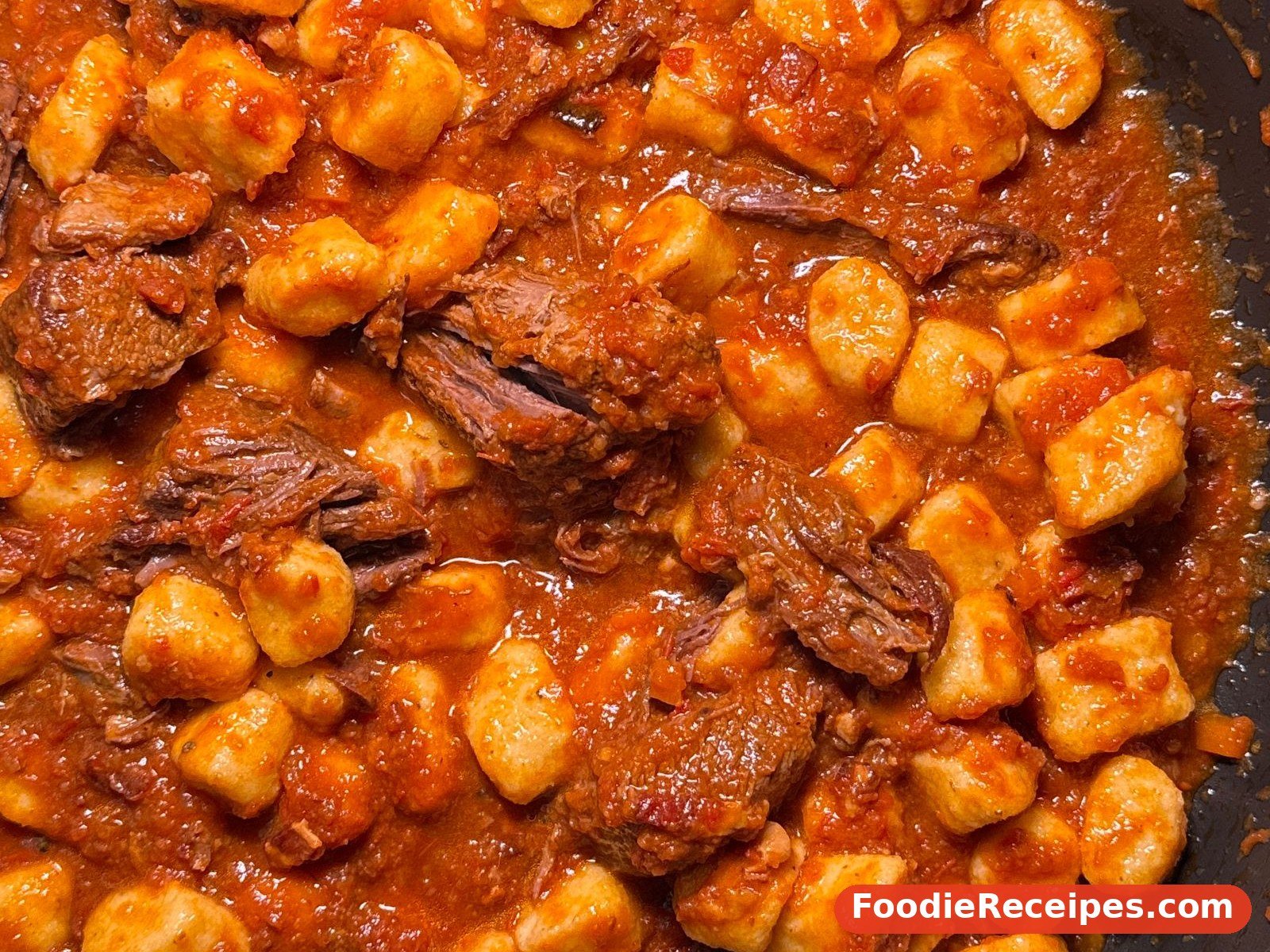
- Simmer (12–14 minutes). Bring everything to a boil, then reduce the heat to medium-low, cover, and simmer for 12 to 14 minutes, stirring every 3 to 4 minutes so the pasta cooks evenly and does not stick to the bottom. The pasta is done when it is tender with a slight bite, and the sauce has thickened around it. If the pan looks dry before the pasta is tender, add broth ¼ cup (60 ml) at a time.
- Rest off the heat (2 minutes). Remove the skillet from the burner and let it stand, covered, for 2 minutes. The sauce will thicken a touch more as it rests and coat the pasta beautifully.
- Add the cheese. Sprinkle the mozzarella and Parmesan evenly over the top. Cover the skillet for 2 to 3 minutes to melt the cheese with the residual heat — or, for a golden, bubbly top, slide the (ovenproof) skillet under the broiler for 1 to 2 minutes, watching it constantly.
- Serve. Garnish with parsley or basil and serve hot, straight from the skillet, with extra Parmesan at the table.
Tips for Perfect Results
- Browning is not a suggestion. The deep flavor of this dish comes from beef that has actually browned. Spread it in the hot pan, let it sit for a minute before fussing with it, and do not crowd it with vegetables until the color is there.
- Stir on schedule. Pasta in sauce needs a stir every few minutes — it redistributes the liquid, prevents sticking, and tells you whether to add a splash more broth.
- Keep the pasta submerged early. The top layer of pasta cooks by steam and splashes; an early stir that pushes everything down into the sauce pays off in even cooking.
- The sauce should look slightly loose at the end. Pasta keeps absorbing liquid as it stands. A sauce that looks perfect in the pan will be clingy and rich at the table; a sauce that looks thick in the pan will be stodgy by the second helping.
- Cheese off direct heat. Melt the mozzarella with the lid and residual heat (or a quick broil for color). Boiling cheese into the sauce makes it stringy and greasy.
- Taste before the cheese. Tomatoes vary in acidity and broth varies in salt. Adjust salt, pepper, and that pinch of sugar before the cheese goes on — after that, you are just along for the ride.
- Fresh herbs at the end. Basil and parsley lose their brightness in a long simmer. Scatter them over the finished dish and they will perfume every bite.
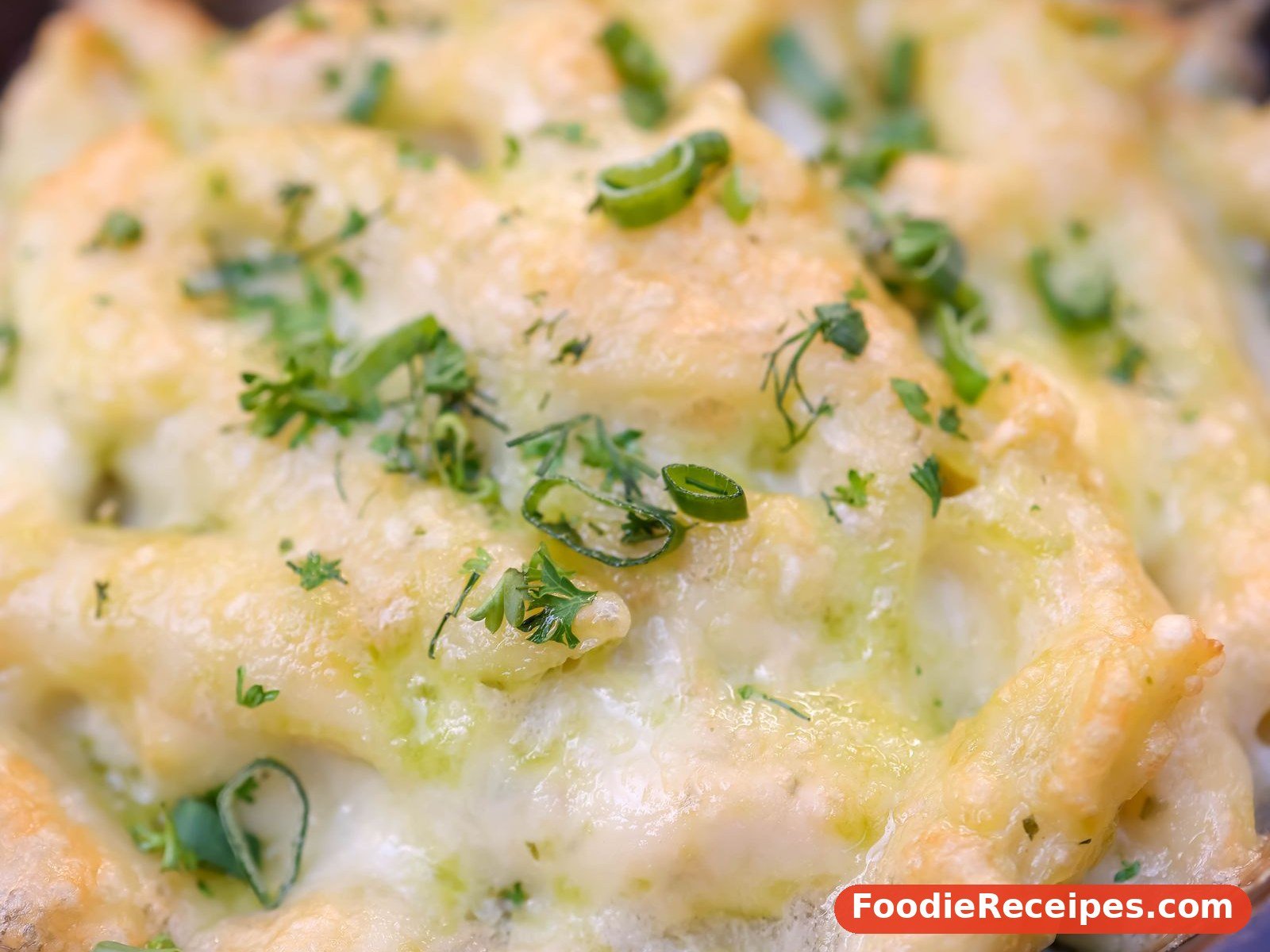
Common mistakes: pale, steamed beef (pan not hot enough), dry pasta (not enough liquid or too long a simmer), and a tight, gummy sauce (served without the rest). Hot pan, enough broth, two minutes of rest — that is the whole formula.
Variations and Substitutions
- American goulash style: Use elbow macaroni, skip the mozzarella blanket, and stir in 1 cup (115 g) of cheddar at the end. Add a bay leaf to the simmer and remove it before serving.
- Italian sausage version: Swap half or all of the beef for Italian sausage (sweet or hot), removed from its casings. Reduce the Italian seasoning by half since the sausage brings its own.
- Veggie-loaded: Add diced zucchini, mushrooms, or a few handfuls of spinach. Sturdy vegetables go in with the pasta; spinach goes in for the last 2 minutes to wilt.
- Creamy tomato version: Stir ½ cup (120 ml) heavy cream or 4 oz (115 g) cream cheese into the sauce just before the mozzarella for a pink, silky finish.
- Cheeseburger pasta: Skip the Italian seasoning, add 1 tablespoon yellow mustard and a pinch of extra paprika, finish with cheddar, and top servings with diced pickles.
- Spicy arrabbiata style: Raise the red pepper flakes to ½ teaspoon, add a pinch of oregano, and finish with pecorino instead of Parmesan.
- Ground turkey or chicken: Swap in 1 lb (450 g) ground turkey and use chicken broth. Poultry is leaner, so use the olive oil from the start and season confidently.
- Gluten-free: Gluten-free short pasta works — check it 2 minutes early and keep extra broth handy, since gluten-free pasta absorbs liquid a little unpredictably.
What to Serve With
- Garlic bread or buttery toast — for the sauce, always
- A Caesar salad or simple green salad with a sharp dressing
- Steamed green beans or broccoli for a fresh side
- Corn on the cob in the summer months
- A scoop of cottage cheese or a dollop of sour cream on top — an old Midwestern habit worth trying
Serving and Storage
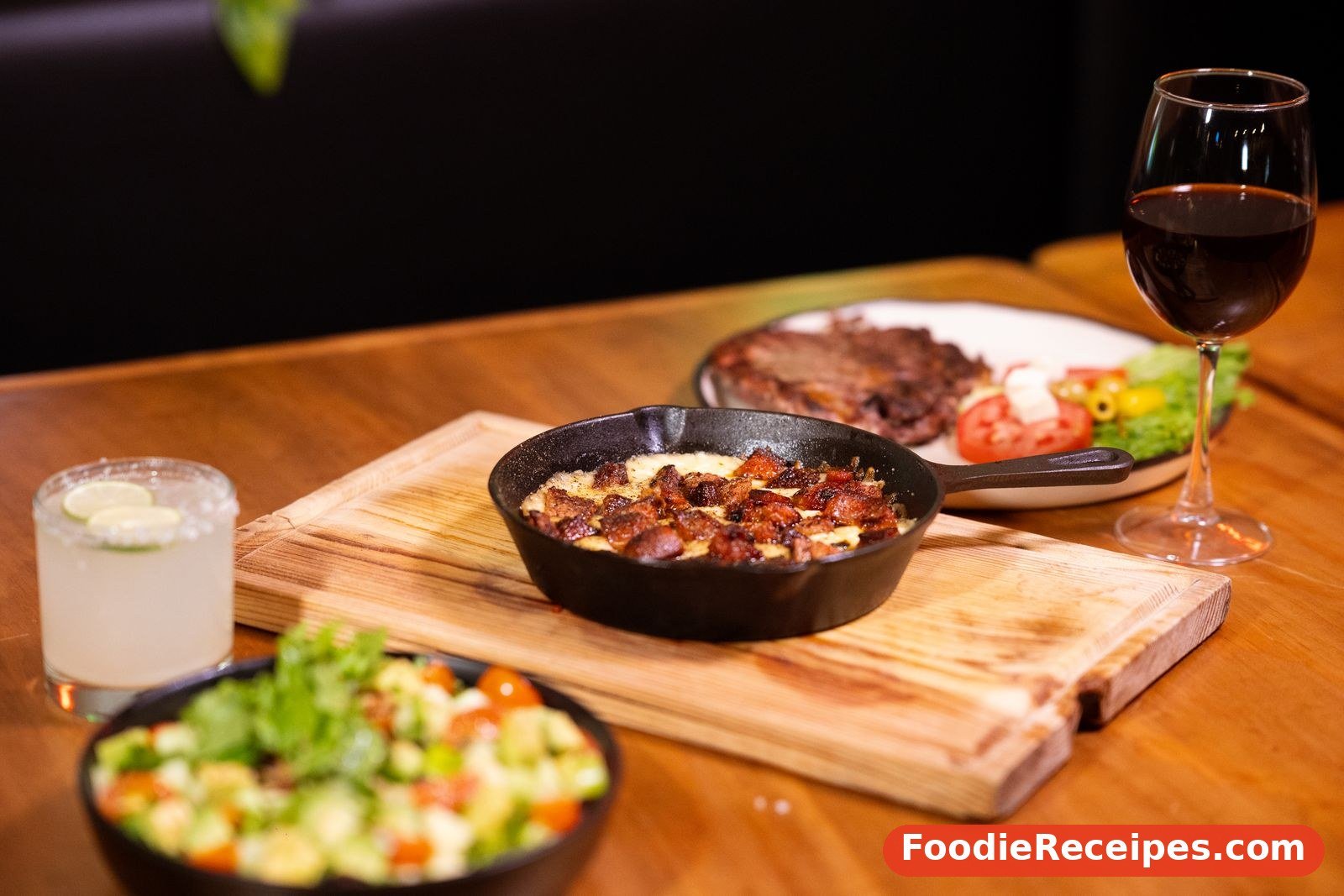
Serve the skillet dinner hot, straight from the pan, in warm bowls with the cheese still stretchy. It is a complete meal as it stands; a salad and garlic bread make it a feast.
Refrigerator: Store in an airtight container for up to 4 days. The pasta will absorb sauce as it sits, so leftovers will be thicker — a splash of water or broth when reheating brings them back.
Freezer: Freeze for up to 3 months in portion-sized containers. The pasta softens somewhat on thawing but the flavor stays excellent. Thaw overnight in the fridge before reheating.
Reheating: On the stove over medium-low heat with ¼ cup (60 ml) broth or water per generous portion, stirring gently until steaming. In the microwave, sprinkle with water, cover, and heat in 1-minute bursts at 70% power, stirring between. Reheat to 165°F (74°C). A small handful of fresh mozzarella on top before reheating makes leftovers taste newly made.
Frequently Asked Questions
Can I use a different pasta shape?
Yes — any short pasta works: rotini, rigatoni, medium shells, cavatappi, or elbows. Keep the weight at 12 oz (340 g) and the simmer at 12 to 14 minutes, checking a minute early since shapes vary. Avoid long pasta and very small shapes like orzo, which turn the dish porridge-like.
Why is my pasta unevenly cooked — some pieces hard, some soft?
It needed more stirring, or the pasta was not submerged early on. Stir every 3 to 4 minutes during the simmer and push everything down into the liquid at the start. A tight-fitting lid matters too, since escaping steam is lost cooking power.
Can I make this without the canned diced tomatoes?
Yes. Use an extra cup of tomato sauce or crushed tomatoes, or 2 cups (480 ml) of passata. If you only have tomato paste, whisk 4 tablespoons (64 g) into an extra 1½ cups (360 ml) of broth and proceed — the sauce will be smoother and a little less chunky, but deeply flavored.
How do I keep the sauce from being too acidic?
That teaspoon of sugar is doing quiet, essential work. If your tomatoes are especially sharp, add another ½ teaspoon of sugar or stir in a splash of cream at the end. A tiny pinch of baking soda (⅛ teaspoon) also tames acidity instantly — a trick borrowed from Italian-American kitchens.
Can I add the cheese into the sauce instead of on top?
You can stir in half the mozzarella for a creamier, unified dish and still blanket the rest on top. Stirring it all in makes the sauce stringy as it cools slightly, which many people love — it is a matter of taste, not correctness.
Can I make this ahead for a busy night?
The whole skillet reheats well, so making it a day ahead is a fine plan. Even better: brown the beef with the vegetables and flavor base ahead, refrigerate, and finish with the liquids and pasta at dinner time for a 15-minute finish with fresh-cooked pasta texture.
Is this the same as American goulash?
They are close cousins. American goulash typically uses elbow macaroni, a looser tomato-beef sauce, and cheddar stirred in rather than a mozzarella blanket — and it often skips cooking the pasta in the sauce. This skillet leans a little more Italian-American. Both are weeknight royalty.
Can I use fresh tomatoes instead of canned?
In peak summer, absolutely. Use about 4 cups (700 g) of chopped ripe tomatoes in place of the canned diced tomatoes and tomato sauce combined, and add ¼ cup (60 ml) extra broth if the tomatoes are not very juicy — dry-ish tomatoes can leave the pasta short of liquid. Fresh tomatoes make a brighter, lighter sauce that tastes like August. Out of season, canned tomatoes are honestly the better choice; they are picked ripe and their flavor is far more reliable than a winter tomato’s.
How can I stretch this to feed more people?
Add another 4 oz (115 g) of pasta with an extra ½ cup (120 ml) of broth, stir in a drained can of kidney beans or a cup of frozen corn, and nobody will ever know the pan was meant for fewer. The recipe doubles cleanly in a Dutch oven, too.
Final Thoughts
An easy weeknight dinner with ground beef and pasta is not trying to impress anyone — it is trying to feed everyone, well, on a night when time and energy are both short. One pan, honest ingredients, thirty minutes, and a skillet full of something warm, cheesy, and satisfying. That is a dinner worth memorizing, because you will reach for it again and again, on the busiest nights of the year.