
Ask a hundred American home cooks about goulash and you will hear a hundred fond memories — and, if a Hungarian cook is in the room, one polite correction. American goulash is not the paprika-rich beef stew of Hungary; it is something entirely its own: ground beef simmered in a seasoned tomato sauce with onions and peppers, with elbow macaroni cooked right in the pot until tender. It goes by many names across the country — American chop suey in New England, Johnny Marzetti in Ohio, slumgullion in older cookbooks, or simply “goulash” in most family kitchens — but the dish is the same beloved one-pot comfort.
What makes it a forever recipe is how much it gives for how little it asks. One pot. Pantry ingredients. Thirty-five minutes, most of it a gentle simmer you do not have to watch. And the result is a big, saucy, beefy pot of pasta that feeds a family generously, stretches a pound or two of ground beef a long way, and tastes even better the next day. It is weeknight cooking at its most practical and most comforting.
The details in this version keep it from being the bland, watery goulash of sad memory. The beef is browned properly before anything else goes in. Tomato paste and a pinch of sugar build a sauce with depth and balance. Italian seasoning, bay leaf and Worcestershire give it that slow-cooked flavor in fast-cooked time. And the macaroni cooks in the sauce itself — drinking up flavor as it goes — but only until just tender, because the line between perfect goulash and mushy goulash is about three minutes wide. We will mind that line together.
Serves: 8 | Prep time: 10 minutes | Cook time: 30 minutes | Total time: 40 minutes
Ingredients
- 1 tablespoon (15 ml) olive oil or vegetable oil
- 2 pounds (900 g) ground beef, 85% lean
- 1 large yellow onion, diced (about 2 cups / 300 g)
- 1 medium green bell pepper, diced (about 1 cup / 150 g)
- 4 cloves garlic, minced (about 1½ tablespoons / 13 g)
- 2 tablespoons (32 g) tomato paste
- 1 can (28 oz / 794 g) crushed tomatoes (or diced tomatoes for a chunkier sauce)
- 1 can (15 oz / 425 g) tomato sauce
- 2 cups (480 ml) low-sodium beef broth, plus more as needed
- 1 tablespoon (15 ml) Worcestershire sauce
- 2 teaspoons (2 g) Italian seasoning
- 1 teaspoon (2 g) smoked paprika (or regular paprika; sweet Hungarian paprika is a fine nod to the original)
- 1 teaspoon (4 g) granulated sugar
- 1 bay leaf
- 1½ teaspoons (9 g) fine sea salt, plus more to taste
- ½ teaspoon (1 g) ground black pepper
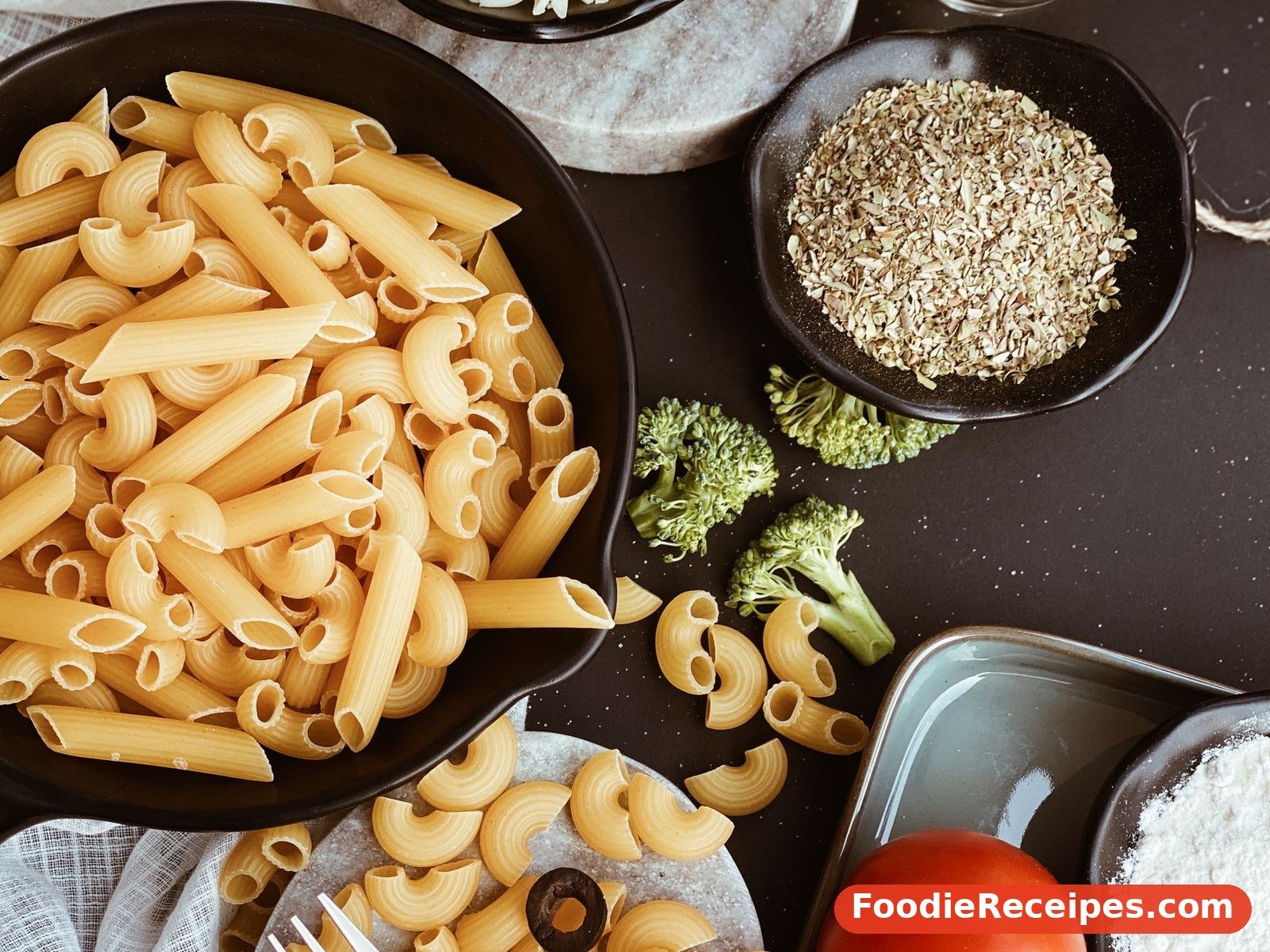
- 2 cups (210 g) elbow macaroni, uncooked (about 8 oz)
- 1 cup (110 g) shredded cheddar cheese, for serving (optional, but classic in many regions)
- 2 tablespoons (8 g) chopped fresh parsley, for serving (optional)
Step-by-Step Method
- Brown the beef (7–8 minutes). Heat the oil in a large Dutch oven or heavy pot over medium-high heat. Add the ground beef and cook, breaking it into crumbles, until well browned and no pink remains, about 7–8 minutes. Do not rush this step and do not crowd the pot — browning is where the deep, savory base of the whole dish is built. If your pot is small, brown the beef in two batches. Drain off all but about a tablespoon of the fat.
- Soften the onion and pepper (4–5 minutes). Add the diced onion and bell pepper to the beef and cook, stirring occasionally, until softened, about 4–5 minutes. They will pick up the browned bits from the bottom of the pot as they release their moisture — free flavor, so stir it all in.
- Add the garlic and tomato paste (1–2 minutes). Stir in the garlic and tomato paste and cook, stirring constantly, for 1–2 minutes. The paste will darken slightly and coat the meat. Cooking tomato paste briefly like this — in fat, before liquid arrives — removes its raw edge and concentrates its sweetness; it is a small step that separates a rich sauce from a thin, tomato-water one.
- Build the sauce (2 minutes). Pour in the crushed tomatoes, tomato sauce and beef broth. Add the Worcestershire sauce, Italian seasoning, paprika, sugar, bay leaf, salt and black pepper. Stir everything together, scraping the bottom of the pot clean.
- Simmer the sauce (10 minutes). Bring the sauce to a boil, then reduce the heat to low and let it simmer gently, partially covered, for 10 minutes, stirring now and then. This short simmer marries the flavors and takes the raw edge off the canned tomatoes before the pasta goes in. Taste and adjust the salt — the sauce should be well seasoned now, since the pasta will absorb some of it.
- Cook the macaroni in the sauce (10–12 minutes). Stir in the uncooked elbow macaroni. Return to a gentle simmer and cook, uncovered, stirring every couple of minutes so the pasta does not settle and stick to the bottom, for 10–12 minutes — until the macaroni is just tender with a slight bite (al dente). The pasta will drink up sauce as it cooks; if the pot looks dry before the pasta is tender, add beef broth or hot water a splash at a time. The finished goulash should be saucy and loose, not tight and dry, because it will thicken further as it stands.
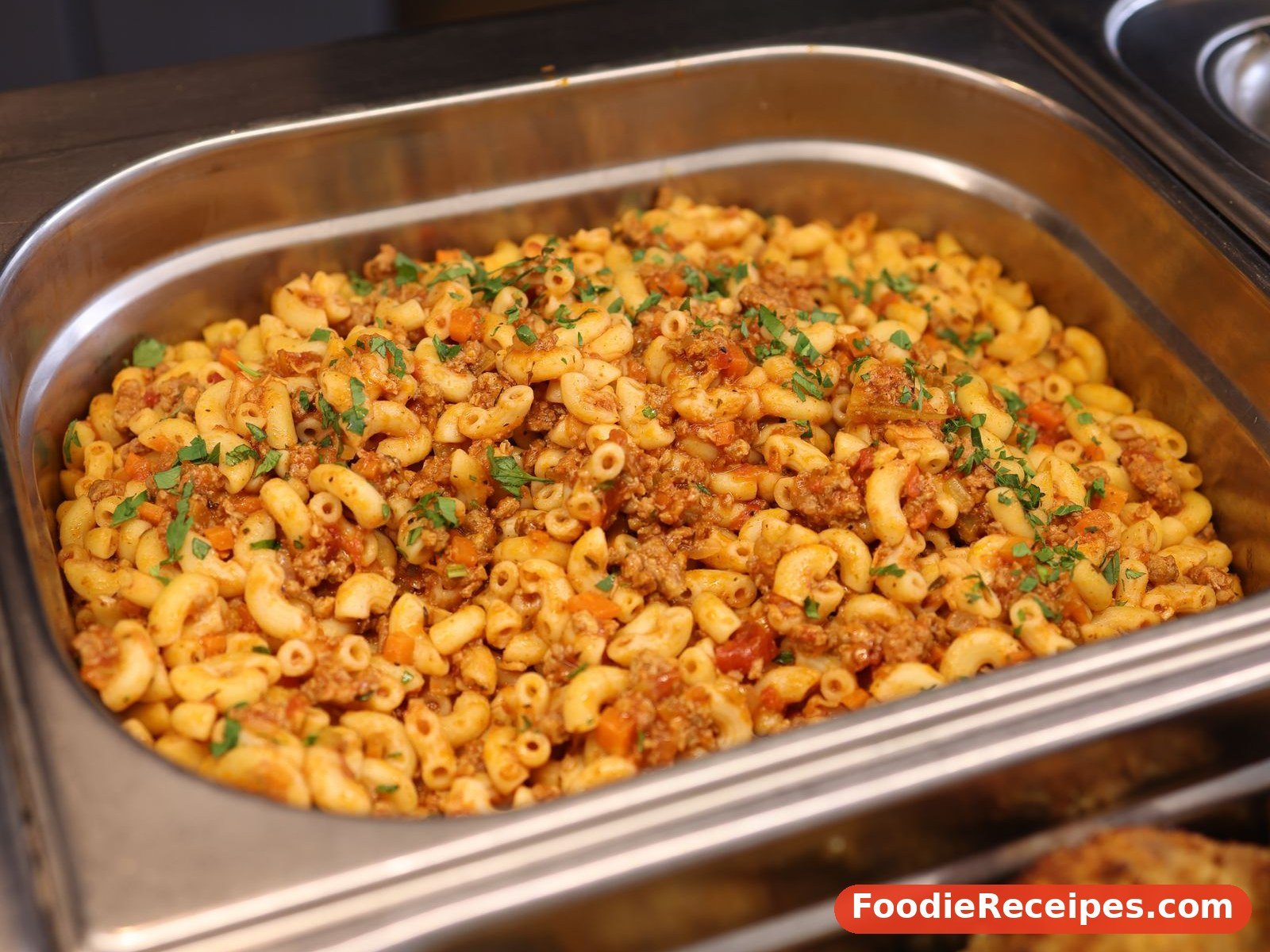
- Rest off the heat (5 minutes). Remove the pot from the heat, fish out the bay leaf, and let the goulash rest, covered, for 5 minutes. The pasta finishes absorbing flavor, the sauce settles into its final, spoonable consistency, and the flavors come together. Give it a final taste for salt and pepper.
- Serve. Ladle the goulash into warm bowls. Top each serving with a handful of shredded cheddar (which melts into the hot pasta) and a sprinkle of parsley, if you like. Serve immediately — this is a dish that wants to be eaten while it is steamy.
Why This Dish Has Lasted a Century
American goulash belongs to a generation of recipes born from thrift — dishes designed to turn a modest amount of ground beef into dinner for a whole table. The formula is clever: the meat flavors a big pot of sauce, the pasta stretches that sauce across eight servings, and the whole thing cooks in one vessel so nothing — not the starch from the pasta, not a drop of sauce — goes to waste. Wartime cooks, Depression-era cooks and busy parents ever since have all recognized the same smart arithmetic.
But thrift alone does not keep a recipe alive for a hundred years; plenty of economical dishes have been forgotten. Goulash endured because it is genuinely delicious and endlessly forgiving. Swap the pepper for corn, the beef for turkey, the cheddar for none — it is still recognizably itself, still saucy, beefy and comforting. It scales up for a church supper as easily as it scales down for two, it welcomes whatever the pantry holds, and it reheats like a loyal friend. That combination — cheap, flexible, forgiving and truly good — is the whole secret of every recipe that outlives its century.
Tips for Perfect Results
- Al dente is the whole game. The macaroni keeps cooking in the hot sauce even after the pot leaves the burner, and it will keep softening in leftovers too. Pull it when it still has a definite bite — by the time it reaches the table, it will be perfectly tender. Mushy goulash is almost always just goulash cooked five minutes too long.
- Stir the pasta like you mean it. Macaroni sinks and settles. A stir every two minutes while it cooks keeps it from welding itself to the bottom of the pot in a starchy layer.
- Keep it saucy. Goulash should be looser than you think when it comes off the heat — the pasta is thirsty and continues absorbing liquid as it stands. If the pot looks dry, it is not a mistake; splash in broth or hot water until it looks generously saucy again.
- Brown the beef in a wide, heavy pot. A Dutch oven’s broad base gives the meat room to sear instead of steam. Gray, steamed beef makes gray, steamed-tasting goulash.
- That pinch of sugar matters. It does not sweeten the sauce noticeably; it rounds the canned tomatoes’ acidity so the whole dish tastes balanced and slow-cooked. Skip it only if your tomatoes are unusually sweet.
- Rest, then judge. After the five-minute rest, the sauce will have thickened to its true consistency. Season and judge sauciness then, not straight off the boil.
Variations and Substitutions
- Johnny Marzetti style: Transfer the finished goulash to a baking dish, cover with 1½ cups (170 g) of cheddar, and bake at 350°F (175°C) for 20 minutes until bubbly — the Ohio casserole cousin of this dish.
- Cheesy goulash: Stir 1 cup (110 g) of shredded cheddar (or a few slices of American cheese for maximum melt) directly into the pot during the rest, for a mac-and-cheese-adjacent version kids adore.
- Ground turkey or Italian sausage: Swap the beef for ground turkey (add a pinch more paprika and Worcestershire) or for half beef, half Italian sausage (sweet or hot) for a deeper, fennel-kissed flavor.
- Vegetable-loaded: Add a diced zucchini, a cup of frozen corn, or a handful of mushrooms with the peppers. A drained can of kidney beans stretches it even further, chili-mac style.
- Spicy version: Add ½ teaspoon of red pepper flakes or a diced jalapeño with the onions, and finish bowls with hot sauce.
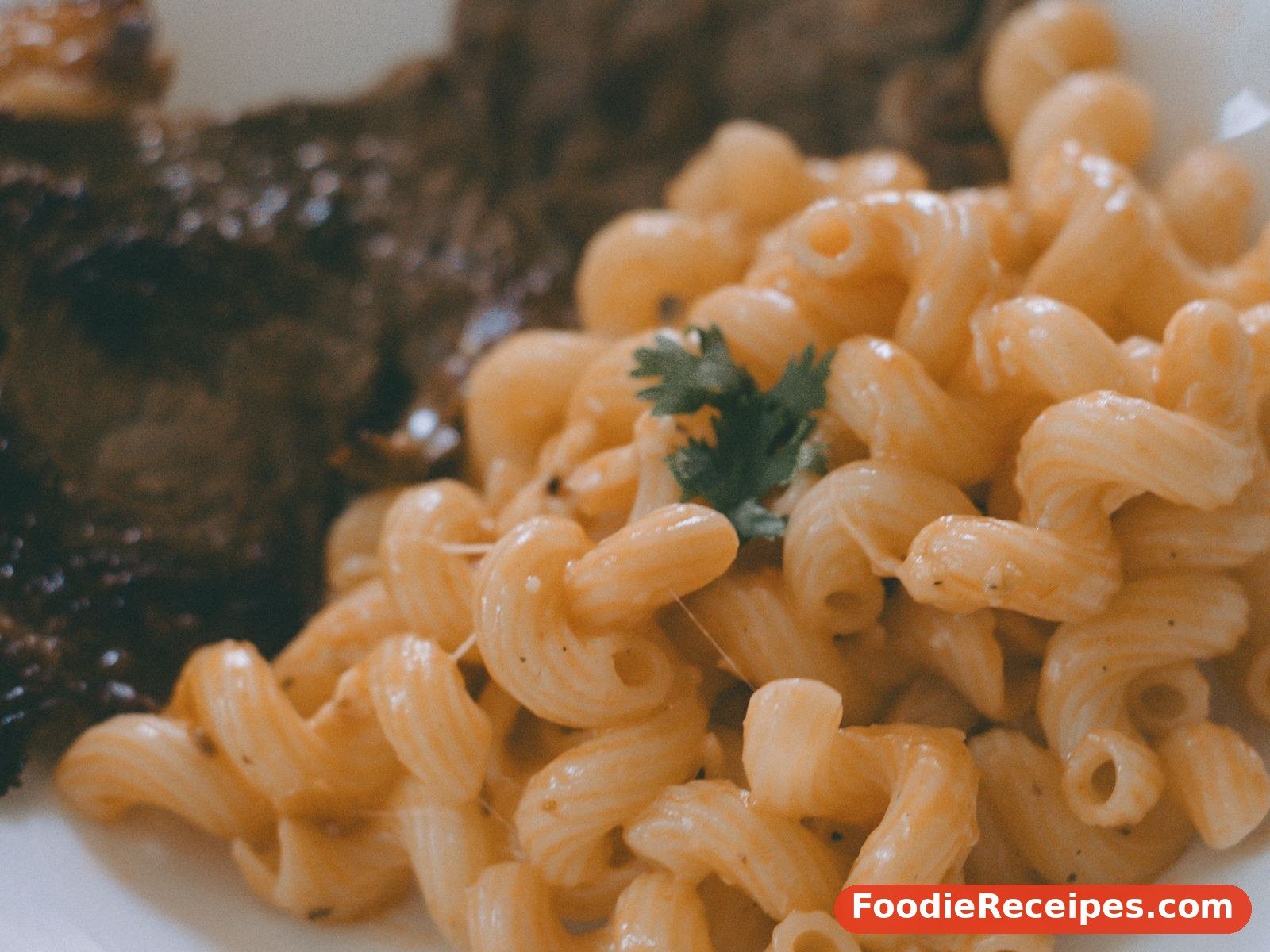
- Different pasta: Small shells, rotini, ditalini and cavatappi all work; keep the weight and the stirring the same, and adjust the simmer by a minute or two to the shape’s cooking time.
- Slow cooker: Brown the beef and vegetables on the stove, transfer everything except the pasta to the slow cooker, and cook on LOW for 4–5 hours. Stir in the macaroni for the last 30–40 minutes, checking for tenderness — pasta in a slow cooker waits for no one.
What to Serve With American Goulash
Goulash is a complete one-pot meal, so the table around it can stay simple. Garlic bread or warm dinner rolls are the classic partners — there is sauce to mop up, and it would be a shame to waste it. A crisp green salad with a tangy dressing, cucumber salad, or simple coleslaw balances the rich tomato sauce. Buttered corn, green beans, or a fruit salad round out a family supper. For dessert, keep the old-fashioned thread going with applesauce, pudding, or a slice of yellow cake. Sweet tea and lemonade are the traditional pours.
Serving and Storage
Serve goulash in warm, deep bowls with cheese on top and bread alongside. Leftovers are famously even better the next day, as the pasta absorbs more of the sauce’s flavor — keep them in an airtight container in the refrigerator for up to 4 days. When reheating, the pasta will have drunk up much of the sauce, so add a splash of broth or water (about ¼ cup / 60 ml per portion) and warm gently on the stove over medium-low heat, stirring, until steaming. The microwave works too — stir halfway through so it heats evenly. A fresh sprinkle of cheddar on each reheated bowl makes it taste newly made.
To freeze, cool the goulash completely and freeze in airtight containers for up to 3 months. Know that the pasta will soften further on thawing and reheating — the flavor stays excellent, the texture becomes more tender. If you plan to freeze a batch on purpose, undercook the macaroni by an extra 2 minutes to compensate, or freeze the sauce alone and cook fresh pasta to stir in later; both tricks keep the texture closer to fresh. Thaw overnight in the refrigerator and reheat gently with a splash of broth.
Frequently Asked Questions
Is American goulash the same as Hungarian goulash?
No — they are cousins in name only. Hungarian goulash is a beef stew (or soup) built on onions and lots of paprika, usually served over noodles or dumplings. American goulash is a one-pot ground beef and macaroni dish in tomato sauce that developed in the United States in the early 1900s, likely inspired by the name and the paprika. Both are wonderful; they are just different dinners.
Why is it called American chop suey in New England?
The name dates to the early twentieth century, when “chop suey” was a fashionable catch-all for a mixed, saucy dish. New England cooks applied it to this beef-and-macaroni mixture, and the name stuck regionally. If you order it in a Massachusetts school cafeteria or diner, this is exactly what will arrive.
Can I use a different ground meat?
Yes — ground turkey, chicken, pork, or a blend all work. Leaner meats benefit from the extra splash of Worcestershire and a pinch more paprika. Whatever you use, brown it well; that is where the depth comes from.
My goulash is too soupy / too dry. How do I fix it?
Too soupy: simmer uncovered for a few extra minutes and let it rest — it thickens noticeably as it stands. Too dry: stir in hot broth or water a splash at a time until it looks loose and saucy again. Both directions are easy rescues, which is part of why this dish is so forgiving.
Can I cook the pasta separately?
You can — boil it in salted water until just tender, drain, and stir it into the simmered sauce. Some cooks prefer the control this gives. You will lose a little of the sauce-thickening starch and the flavor the pasta absorbs while cooking in the sauce, so simmer the sauce a bit longer and reserve a mug of pasta water to loosen it.
Does goulash need cheese?
It is traditional in many households and regions, and entirely optional in others. Cheese on top of each bowl — cheddar, or a slice of American melted over — is the most common way to serve it. Stirred in, it becomes a different, richer dish. Try it plain the first time and decide which camp your family is in.
How far ahead can I make it?
The sauce base (everything through Step 5) keeps beautifully for up to 2 days in the refrigerator or 3 months in the freezer, and making it ahead genuinely improves the flavor. Cook the macaroni fresh in the reheated sauce when you are ready to serve — that way the pasta is perfect and dinner is 15 minutes away.
Closing
Easy American goulash is the one-pot wonder that has quietly fed American families for a century: browned beef, a rich tomato sauce with real depth, and tender macaroni cooked right in the pot. It is inexpensive, forgiving, and somehow even better as leftovers. Keep this recipe close — on the nights when dinner needs to be fast, filling and loved by everyone at the table, goulash is the answer it has always been.