
Cheesy hash brown casserole — known in Utah and across the Mountain West as “funeral potatoes,” and everywhere else as the dish that vanishes first at every potluck, holiday table and Easter brunch — is a simple miracle of shredded potatoes baked in a rich, cheesy sauce under a buttery, crunchy top. It is the casserole people request for Christmas morning, the one that travels to church suppers in a foil-covered pan, and the one there are never, ever enough leftovers of.
The standard recipe builds its sauce from sour cream and a can of cream of chicken soup. This version skips the sour cream entirely — no tang jar in the fridge, no problem — and replaces the whole canned arrangement with a quick homemade cheese sauce: butter, a little flour, milk and broth, a spoonful of cream cheese for body, and a big handful of sharp cheddar melted in. A squeeze of lemon and a dab of Dijon quietly do the job sour cream used to do, giving the sauce a gentle tang that keeps it from tasting heavy. Honestly, most tasters cannot tell the difference; many prefer it.
Everything else is exactly as it should be. Frozen shredded hash browns make it weeknight-easy (thaw them first — that matters, and we will talk about why). The topping is the classic: crushed cornflakes tossed with melted butter, baked to a deep golden crunch. Whether you serve it beside a holiday ham, under a fried egg at brunch, or as the main event with a salad, this is the cheesy potato casserole to know by heart.
Serves: 10–12 as a side dish, 8 as a main | Prep time: 15 minutes (plus thawing) | Cook time: 50 minutes | Total time: about 1 hour 5 minutes
Ingredients
For the casserole
- 1 bag (30 oz / 850 g) frozen shredded hash brown potatoes, thawed (see Step 1)
- 4 tablespoons (56 g) unsalted butter
- 1 small yellow onion, finely diced (about 1 cup / 150 g)
- 2 cloves garlic, minced (about 2 teaspoons / 6 g)
- ¼ cup (32 g) all-purpose flour
- 1¼ cups (300 ml) whole milk, at room temperature
- ¾ cup (180 ml) low-sodium chicken broth (or vegetable broth)
- 4 ounces (113 g) cream cheese, softened and cut into cubes
- 1 teaspoon (5 ml) lemon juice, freshly squeezed
- 1 teaspoon (5 g) Dijon mustard
- 1 teaspoon (6 g) fine sea salt
- ½ teaspoon (1 g) ground black pepper
- ¼ teaspoon (0.5 g) paprika, plus more for the top if you like
- 2½ cups (280 g) shredded sharp cheddar cheese, divided
- 3 green onions, thinly sliced (about ⅓ cup / 30 g), divided (optional)
For the cornflake topping
- 2 cups (60 g) cornflakes, lightly crushed
- 3 tablespoons (42 g) unsalted butter, melted
- Pinch of salt
Step-by-Step Method
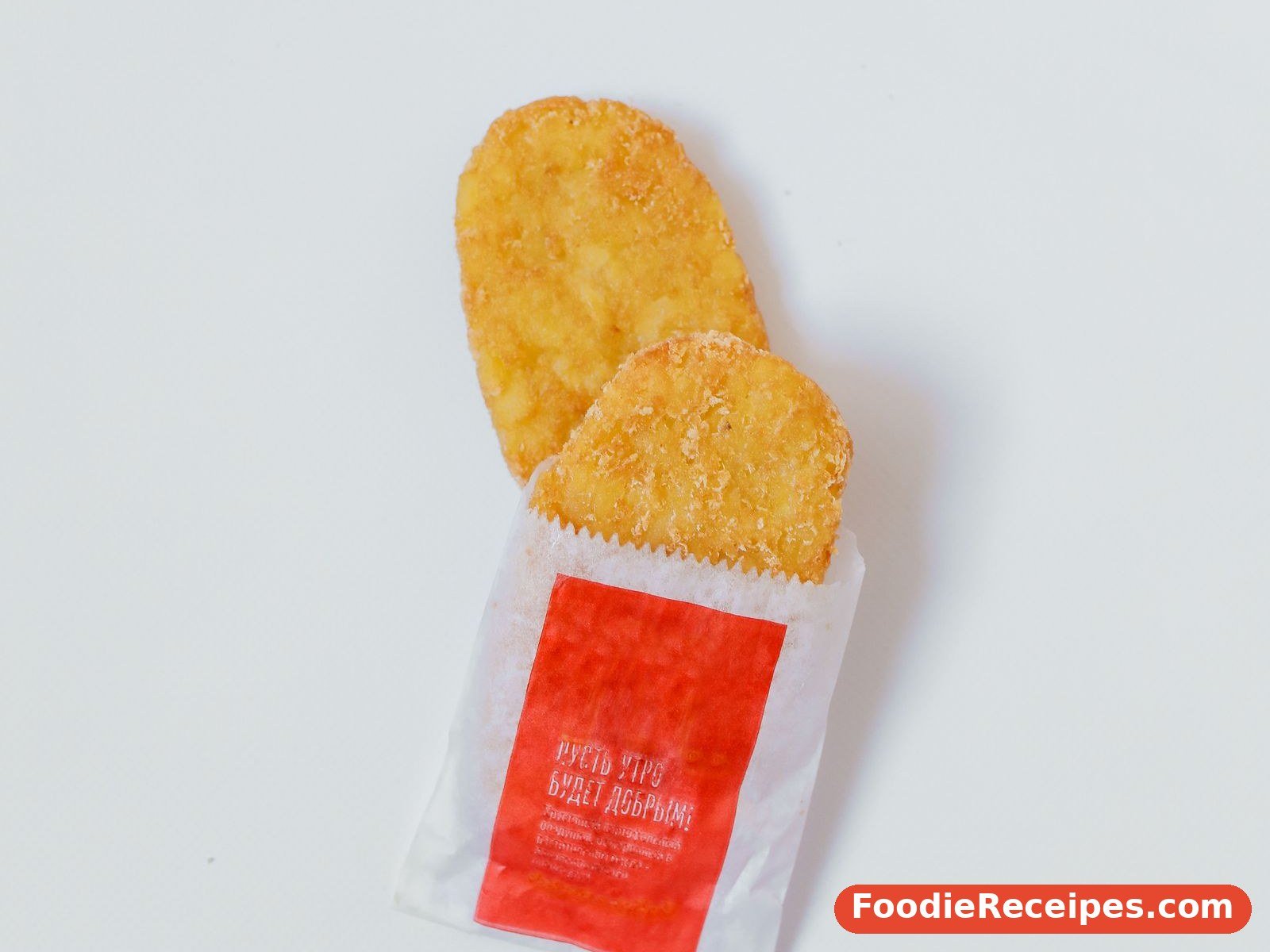
- Thaw the hash browns properly (30 minutes, mostly hands-off). Spread the frozen shredded potatoes in a colander or on a clean kitchen towel and let them thaw at room temperature for about 30 minutes (or thaw overnight in the fridge). Then squeeze them gently by the handful and pat them dry with towels. This step is the whole secret to a casserole that is creamy instead of watery: frozen potatoes release a surprising amount of liquid as they thaw, and you want that liquid in the sink, not in your sauce.
- Heat the oven and prepare the dish. Preheat your oven to 350°F (175°C). Generously butter a 9 × 13 inch (23 × 33 cm) baking dish — the buttered edges help the potatoes at the corners turn deliciously crisp.
- Soften the onion and garlic (4 minutes). In a large saucepan or Dutch oven, melt the 4 tablespoons (56 g) of butter over medium heat. Add the diced onion and cook until soft and translucent, about 3–4 minutes. Stir in the garlic and cook 30 seconds more, until fragrant.
- Make the cheese sauce (5–6 minutes). Sprinkle the flour over the onion mixture and stir constantly for 1 minute to cook the flour. Slowly pour in the milk while stirring, then the broth, and keep stirring until the sauce is smooth. Let it come to a gentle simmer and cook 2–3 minutes, until noticeably thickened. Reduce the heat to low and stir in the cream cheese cubes until fully melted and smooth. Stir in the lemon juice, Dijon mustard, salt, pepper and paprika. Remove from the heat and stir in 2 cups (225 g) of the cheddar, a handful at a time, until melted and glossy. Taste — the sauce should be well seasoned and just a little tangy.
- Combine the potatoes and sauce (3 minutes). Add the thawed, dried hash browns to the sauce along with half of the green onions (if using), and fold gently but thoroughly until every shred is coated. Take a moment here: dry pockets of uncoated potato bake up bland, so fold until the mixture looks uniformly creamy.
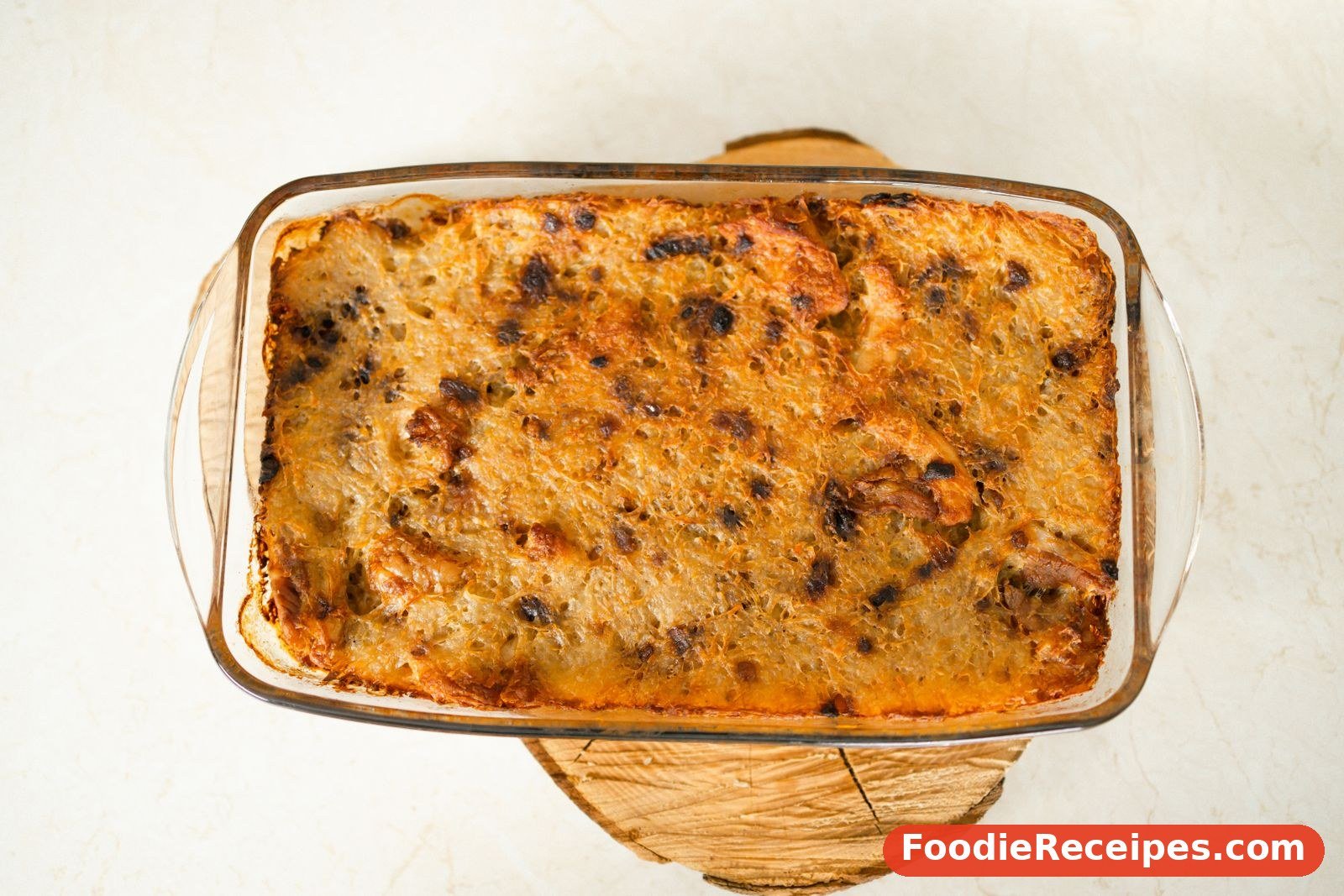
- Fill the dish and top (4 minutes). Scrape the mixture into the buttered baking dish and spread it into an even layer, pressing lightly. Sprinkle the remaining ½ cup (55 g) of cheddar over the surface. In a small bowl, toss the crushed cornflakes with the melted butter and a pinch of salt, then scatter them evenly over the casserole, right to the edges.
- Bake until golden and bubbling (45–50 minutes). Bake, uncovered, for 45–50 minutes, until the casserole is bubbling vigorously around the edges, the center is hot, and the cornflake topping is deep golden brown. If the topping browns before the center is hot (check by inserting a knife in the middle and feeling its heat), tent loosely with foil for the remaining time.
- Rest and serve (10 minutes). Rest the casserole for 10 minutes before serving — it will scoop in much neater portions, and nobody will burn their mouth on molten cheese. Scatter the remaining green onions over the top and serve hot.
How the Sauce Works Without Sour Cream
It helps to know what sour cream actually does in the classic recipe, because then the substitutions stop feeling like guesses. Sour cream plays three roles: it adds body and richness, it brings a gentle cultured tang, and its acidity slightly tenderizes the sauce’s flavor so the cheese tastes brighter. Remove it, and a plain milk sauce can taste flat and a little sweet — which is exactly what this recipe engineers around.
The cream cheese restores the body, melting into the hot roux sauce and giving it that spoon-coating thickness sour cream provides. The lemon juice and Dijon mustard replace the tang — a small amount of each, because acid in a sauce is like salt: you should not taste it directly, but you would miss it instantly if it were gone. And because this sauce is built on a proper flour-thickened base rather than canned soup, it reheats gracefully and never separates into greasiness, which anyone who has reheated the canned version will appreciate.
The practical payoff: everything in this sauce keeps well in a normal pantry and fridge, the flavor is fresher and less salty than the can-and-sour-cream combination, and you can adjust it freely — sharper with more cheddar, tangier with another squeeze of lemon, richer with a splash of cream. It is the rare substitution that turns out to be an upgrade.
Tips for Perfect Results
- Thaw and dry the potatoes — really. This is the most-skipped step and the most common reason hash brown casserole turns out soupy. If you are short on time, thaw the bag in a sink of lukewarm water, then squeeze the potatoes in a towel until almost no moisture comes out.
- Season the sauce boldly. Potatoes are salt sponges. The sauce should taste a touch over-seasoned on its own; by the time it coats two pounds of potatoes, it will be exactly right.
- Do not crush the cornflakes to dust. You want small shards, not powder. Crush them briefly in a zip-top bag with your hands, leaving plenty of texture.
- Butter the dish well. Those crisp, buttery edges where potato meets hot buttered ceramic are the bites everyone angles for.
- Room-temperature milk blends smoother. Cold milk hitting a hot roux can seize into lumps. If you forget to set it out, warm it for 30 seconds in the microwave first.
- Let the center catch up. The edges bubble long before the middle is hot. The knife test — insert, hold 5 seconds, feel the blade — is the reliable way to know the center has arrived.
Variations and Substitutions
- Plain Greek yogurt version: If what you are missing is the tang rather than avoiding tang altogether, replace the cream cheese with 1 cup (245 g) of plain Greek yogurt, stirred in off the heat at the very end. It is not sour cream, and it gives a similar gentle zip.
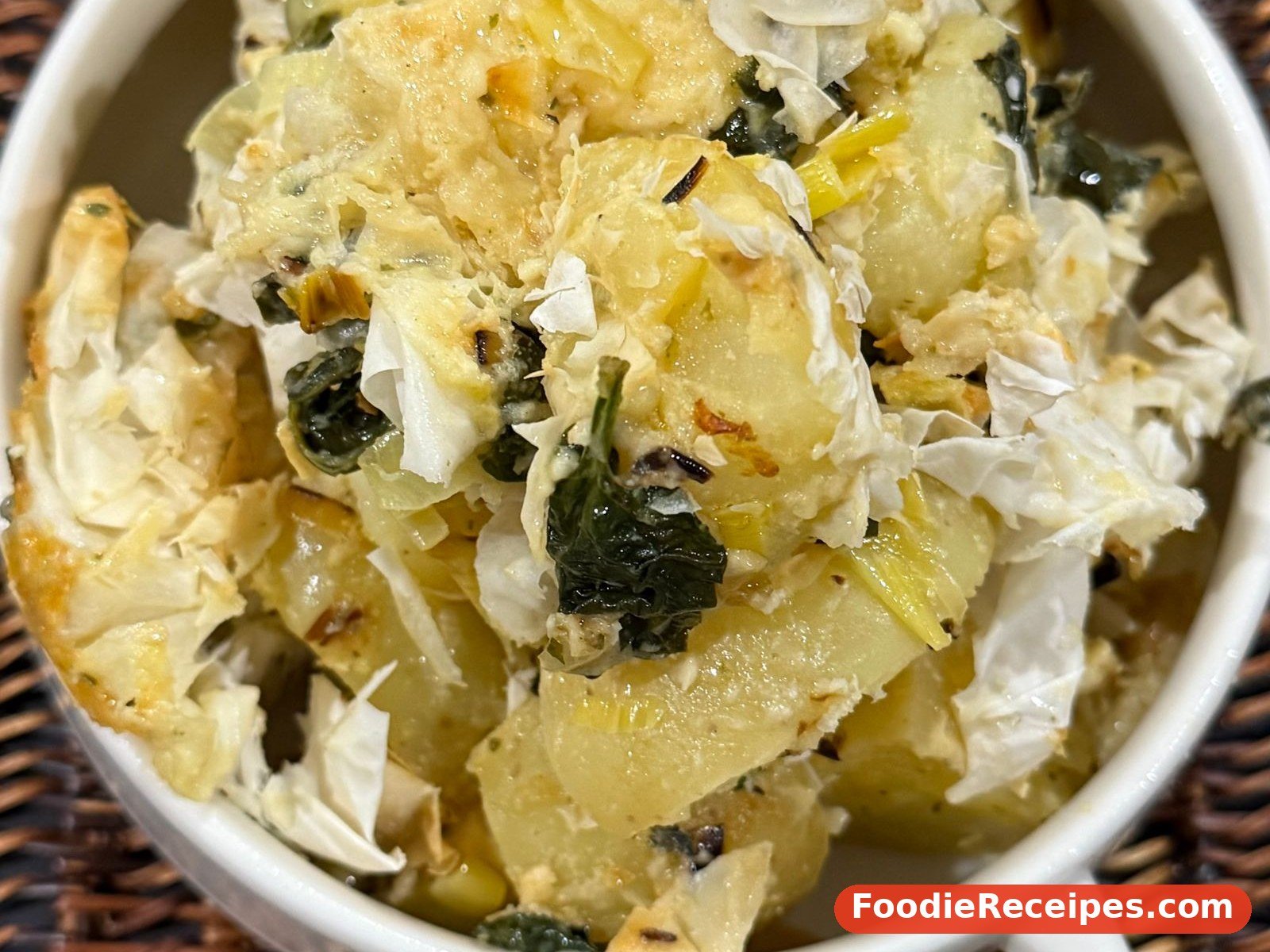
- Diced potato style: Swap the shredded hash browns for the same weight of frozen diced hash browns (Southern style) for a chunkier, more distinct potato texture.
- Loaded baked potato casserole: Fold in ½ cup (115 g) of cooked, crumbled bacon and swap the green onions for chives; serve with extra cheese on top.
- Ham and cheese brunch version: Stir in 1½ cups (210 g) of diced cooked ham to turn this side dish into a complete brunch main.
- Spicy Southwest: Use pepper jack for half the cheddar, add a drained 4-ounce (113 g) can of diced green chiles, and top with crushed tortilla chips instead of cornflakes.
- Cracker topping: No cornflakes in the cupboard today? Crushed buttery round crackers or panko tossed with melted butter make a fine, shatteringly crunchy golden lid too.
- From-scratch potatoes: Peel and shred 2½ pounds (1.1 kg) of russet potatoes, soak in cold water for 20 minutes, drain, squeeze very dry, and proceed — no thawing needed. The texture is a touch fresher and absolutely worth it on a weekend.
What to Serve With Cheesy Hash Brown Casserole
This casserole is the backbone of a holiday or brunch spread: baked ham, roast turkey, grilled sausages, or a standing rib roast all love it. At breakfast or brunch, pair it with scrambled or fried eggs, bacon, fresh fruit and biscuits. For a simple weeknight dinner, serve generous squares alongside roast chicken, pork chops or meatloaf with a green salad or steamed green beans to balance the richness. It is equally at home on a potluck table next to pulled pork and baked beans. Coffee and orange juice for brunch; sweet tea for supper.
Serving and Storage
Serve scoops or neat squares straight from the dish, making sure each portion gets some of the golden cornflake crust. Leftovers keep well: cover and refrigerate for up to 4 days.
Reheat individual portions in the microwave for 2–3 minutes (the topping will soften), or — better — reheat in the oven at 350°F (175°C) for 15–20 minutes, or in an air fryer at 375°F (190°C) for about 5 minutes, to bring back the crunch. A sprinkle of fresh crushed cornflakes over reheated portions is a nice revival trick.
To freeze, bake the casserole first, cool it completely, and wrap it tightly; freeze for up to 3 months. Thaw overnight in the refrigerator and reheat, covered, at 350°F (175°C) for 25–30 minutes, uncovering for the last 10. You can also assemble the unbaked casserole (without the cornflake topping) a day ahead, cover and refrigerate, then add the topping and bake — add about 10 minutes to the bake time since it starts cold. It is one of the great make-ahead holiday sides precisely because it waits patiently in the fridge while the rest of the meal comes together.
Frequently Asked Questions
Why skip the sour cream — and what replaces its tang?
Maybe your store was out, maybe someone at the table dislikes it, or maybe you prefer cooking from scratch. The tang comes back through lemon juice and Dijon mustard, and the cream cheese supplies the rich body sour cream usually provides. The flavor is mellow, creamy and familiar — not a compromise.
Can I make this with canned cream of chicken soup instead of the homemade sauce?
Plenty of classic recipes do exactly that. If you want the shortcut: skip the butter-flour-milk sauce and stir together one can (10.5 oz / 298 g) of cream of chicken soup, the cream cheese (softened), ½ cup (120 ml) of milk, the seasonings and the cheddar, then fold in the potatoes. The homemade sauce above simply gives you a fresher flavor and control over the salt.
My casserole came out watery. What happened?
Almost always the potatoes: either they went in still frozen or they were not dried after thawing. Frozen shreds release a lot of water as they bake. Thaw fully, squeeze dry, and make sure your sauce is properly thickened before the potatoes go in.
Can I use fresh shredded potatoes?
Yes — see the from-scratch variation above. The key steps are soaking to remove excess starch, then squeezing the shreds extremely dry. A salad spinner followed by towel-squeezing works well.
What cheese melts best here?
Sharp cheddar is the classic for flavor. For maximum gooeyness, blend cheddar with Monterey Jack or Colby. Avoid very hard, aged cheeses on their own — they can turn grainy in sauces.
Is this the same as “funeral potatoes”?
Yes, essentially. The dish earned the name in Utah, where it is a traditional offering at funeral luncheons and church gatherings — the cornflake topping and the cheesy shredded potatoes are the signatures. Regional versions vary in sauce and topping, but the spirit is the same.
Can I make it in a slow cooker?
Yes, and it is a popular way to keep it warm for a buffet. Combine everything except the cornflake topping in a greased slow cooker and cook on LOW for 4–5 hours or HIGH for 2–2½ hours, until the potatoes are tender and the edges are bubbling. Add the buttered cornflakes for the last 20–30 minutes with the lid slightly ajar — they will not get as crisp as in the oven, so for maximum crunch, toast them separately in a skillet and sprinkle them on at serving time.
Can I halve the recipe?
Easily. Halve everything and bake in an 8 × 8 inch (20 × 20 cm) or 9 × 9 inch dish for 35–40 minutes. It is a good move for smaller households, since the full pan makes a lot.
Closing
Cheesy hash brown casserole without sour cream delivers everything the beloved original promises — creamy, cheesy potatoes, a shattering golden top, and a pan that comes home empty from every gathering. The homemade sauce is quick, the tang is quietly there without a drop of sour cream, and the recipe is forgiving enough for a holiday morning. Learn this one by heart; you will be asked for it again and again.