

Chicken pot pie might be the most beloved comfort food in America. A golden, flaky crust giving way to a creamy filling of tender chicken and vegetables — it is the dish people request when they are sick, homesick, or just in need of something that tastes like a hug. Grandmothers made it, diners serve it, and the frozen-food aisle is built on it. And while a fully from-scratch pot pie can be a weekend project, this easy version with frozen vegetables and rotisserie chicken delivers the same soul-warming result on a plain old weeknight.
The two shortcuts in this recipe are chosen carefully, because they cost you nothing in flavor. Frozen mixed vegetables — peas, carrots, corn, and green beans — are frozen at harvest, so they are sweet, bright, and perfectly sized for a pie filling, with zero washing, peeling, or chopping. Rotisserie chicken brings deep, roasted flavor that plain boiled chicken cannot match, and all you have to do is shred it. What remains genuinely homemade is the part that matters most: the creamy sauce, built from a simple butter-and-flour roux with broth and cream, seasoned the way American pot pie has always been seasoned — with onion, thyme, and plenty of black pepper.
The crust here is a good refrigerated pie crust, which bakes up flaky and golden and keeps the whole recipe firmly in “easy” territory. (If you love making pastry, a homemade double crust works beautifully too, and there are notes below.) The result is a pie that looks like a Sunday centerpiece and eats like the best memory you have of your grandmother’s kitchen — ready in about an hour, most of it hands-off oven time.
This recipe also teaches a foundational skill: once you can make this simple cream sauce, you can make a dozen other classic American dishes. But even if you never think about that, you will have a pot pie your family asks for by name, and that is the real point.
Why Frozen Vegetables Belong in Pot Pie
Some cooks turn their noses up at frozen vegetables, but for pot pie they are genuinely the smart choice:
- Consistent size. The peas, diced carrots, and corn are uniformly cut, so they cook evenly in the filling.
- Peak freshness. Vegetables frozen within hours of harvest often taste sweeter than “fresh” ones that traveled for a week.
- Zero prep. No peeling carrots, no dicing, no snapping beans — open the bag and pour.
- No waste. Use exactly what you need and keep the rest frozen for the next pie.
- Year-round quality. A January pot pie tastes like summer corn and peas, every time.
The one thing to know: frozen vegetables go into the filling still frozen or barely thawed. They will finish cooking in the oven, and adding them frozen keeps the filling from getting watery as it sits before baking.
Serves: 6 | Prep time: 20 minutes | Cook time: 40 minutes | Total time: about 1 hour (plus 10–15 minutes resting)
Ingredients
For the filling
- 4 tablespoons (56 g) unsalted butter
- 1 medium yellow onion (150 g), finely diced
- 2 cloves garlic (6 g), minced
- ⅓ cup (40 g) all-purpose flour
- 2 cups (480 ml) low-sodium chicken broth
- ¾ cup (180 ml) heavy cream or half-and-half
- 1 teaspoon (6 g) fine sea salt, plus more to taste
- ½ teaspoon (1 g) black pepper, plus extra for the top
- ½ teaspoon (1 g) dried thyme, or 1 teaspoon fresh thyme leaves
- ¼ teaspoon poultry seasoning (optional, for classic flavor)
- 3 cups (about 420 g) cooked chicken, shredded or diced — one rotisserie chicken is perfect
- 3 cups (450 g) frozen mixed vegetables (peas, carrots, corn, green beans), not thawed
- 1 medium potato (170 g), peeled and diced small, par-cooked (optional — see method)
- 2 tablespoons (8 g) chopped fresh parsley
For the crust
- 1 package (14.1 oz / 400 g) refrigerated pie crusts (2 crusts), at room temperature
- 1 large egg, beaten with 1 tablespoon (15 ml) water, for egg wash
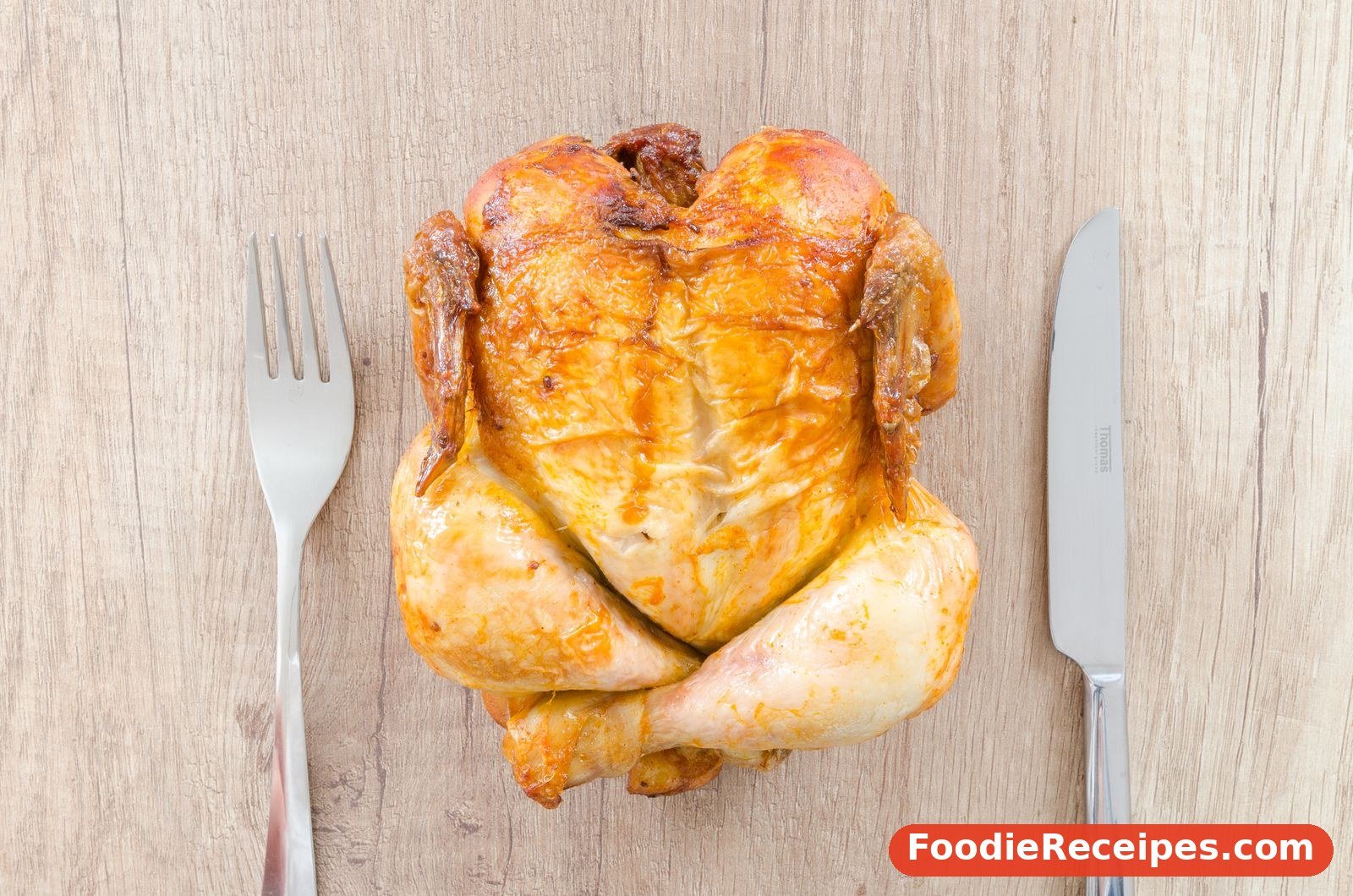
A note on the chicken: rotisserie chicken is the weeknight hero here — one standard bird gives you almost exactly the 3 cups you need, with a mix of white and dark meat that keeps the filling rich. Leftover roast chicken or turkey works identically (this pie is famous the day after Thanksgiving). If you are starting from raw chicken, poach 1½ lb (680 g) of breasts or thighs in salted water for 15 minutes, then shred.
Step-by-Step Method
- Heat the oven and position the rack. Preheat the oven to 425°F (220°C) with a rack in the lower third — the low position helps the bottom crust cook crisp. Set a rimmed baking sheet on the rack to preheat too; the pie will bake on it, which protects your oven from bubbling drips and crisps the bottom crust.
- Par-cook the potato (optional, 5 minutes). If using potato, simmer the diced potato in salted water for 5 minutes, until just barely tender, then drain. Raw potato cubes can stay firm in the pie’s baking time; this quick step guarantees they melt into the filling.
- Soften the onion (4–5 minutes). In a large skillet or Dutch oven over medium heat, melt the butter. Add the onion with a pinch of salt and cook until soft and translucent, 4 to 5 minutes. Add the garlic and cook 30 seconds more.
- Make the roux and sauce (4–5 minutes). Sprinkle the flour over the onion and stir constantly for 1 to 2 minutes, until it smells faintly nutty and loses its raw look. Slowly pour in the chicken broth while whisking, then the cream. Keep whisking as the sauce comes to a simmer and thickens, about 3 minutes. It should coat the back of a spoon thickly — like a good gravy.
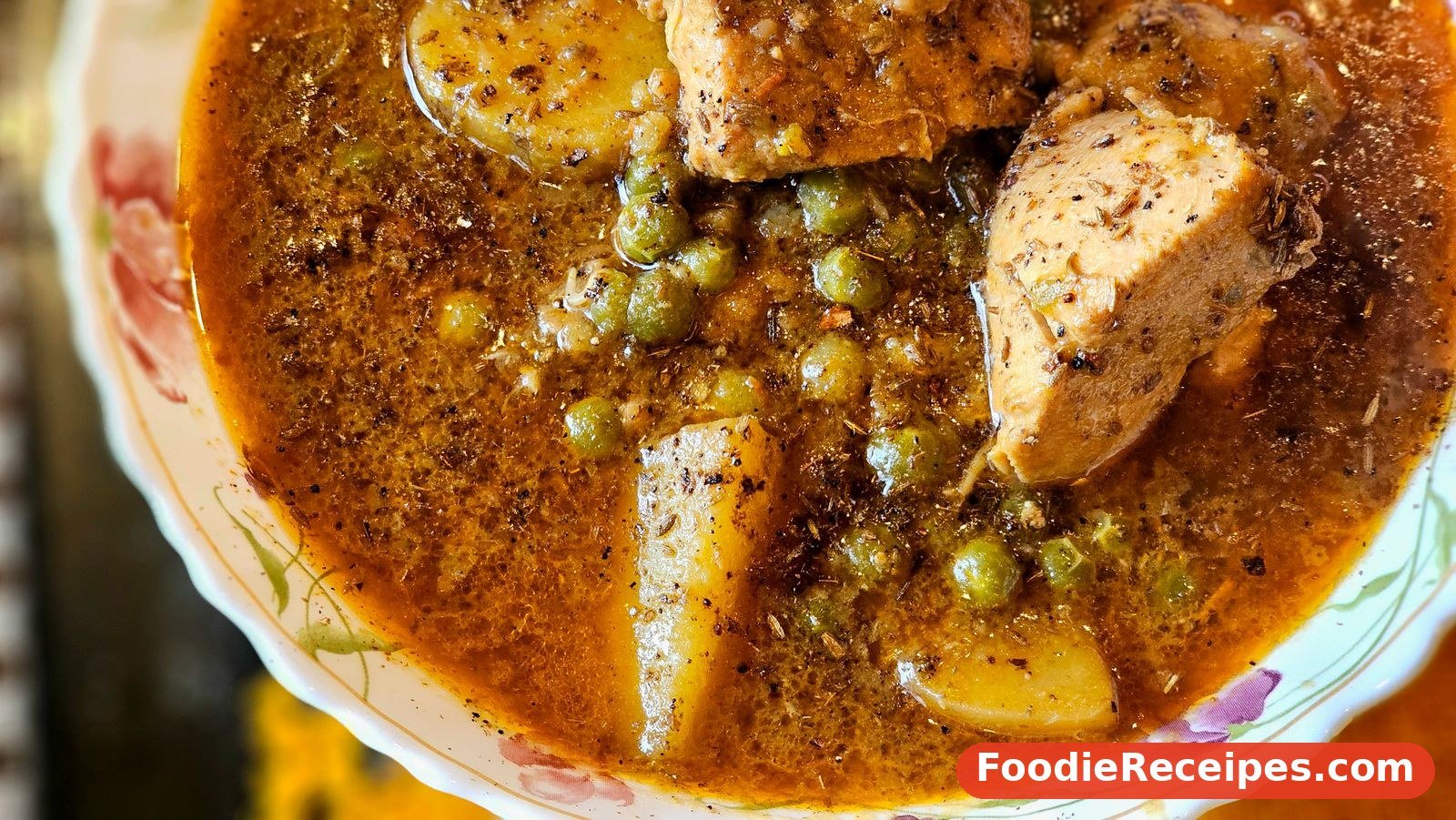
- Season the sauce. Stir in the salt, black pepper, thyme, and poultry seasoning. Taste carefully: the sauce should be well seasoned now, because the chicken and vegetables will dilute it slightly. It should taste like something you would happily eat with a spoon.
- Add the chicken and vegetables. Fold in the shredded chicken, the frozen mixed vegetables, the potato (if using), and the parsley. Stir just until combined and remove from the heat. The filling will look thick — that is correct. Thin filling makes a soggy pie.
- Line the pie dish. Unroll one pie crust and fit it into a 9-inch (23 cm) deep-dish pie plate, pressing it gently into the corners and letting the excess hang over the edge. Do not stretch the dough; stretching causes shrinking.
- Fill the pie. Spoon the warm filling into the crust and spread it level. Lay the second crust over the top. Trim both crusts to about ½ inch (1 cm) past the rim, then fold the edge under itself and crimp decoratively with your fingers or a fork to seal.
- Vent and egg wash. Cut 4 to 5 slits in the top crust with a sharp knife so steam can escape. Brush the entire top with the egg wash — this is what gives you the deep golden, glossy finish. Sprinkle with a pinch of flaky salt and extra black pepper if you like.
- Bake (35–40 minutes). Set the pie on the preheated baking sheet and bake for 35 to 40 minutes, until the crust is deep golden brown and the filling is bubbling up through the slits. If the edges brown too quickly, shield them with a ring of foil for the last 15 minutes.
- Rest (10–15 minutes) — do not skip. Let the pie rest on a rack for at least 10 minutes, ideally 15. The filling will set from soupy to silky, and slices will hold together instead of flooding the plate.
- Serve. Cut into wedges and serve warm, spooning any extra sauce from the dish over each slice.
Tips for Perfect Results
- Thick filling, happy crust. The sauce should look almost too thick in the pan. It loosens in the oven as the vegetables release a little moisture, and a thick start is the best defense against a soggy bottom.
- Bake on a preheated sheet pan. The blast of heat from below crisps the bottom crust — the difference between good and great pot pie.
- Vent the top. Unvented pies build up steam that makes the top crust tough and can blow out the crimped edges.
- Egg wash is not optional for looks. It takes 20 seconds and turns a pale, anemic crust into a glossy, bakery-golden one.
- Rest before slicing. This is the hardest step and the most important. A rested pie slices cleanly; a rushed pie becomes pot pie soup (delicious, but not the plan).
- Cool the filling slightly before assembling if it is piping hot. Filling that is steaming hot can start melting the bottom crust before the pie even reaches the oven. Ten minutes of cooling while you roll the crusts is plenty.
- Keep the frozen vegetables frozen. They finish cooking in the pie. Thawed vegetables added to hot sauce can turn mushy and watery.
- Crimp with confidence. A tight seal matters more than a pretty one. If your crimp looks rustic, it is in good company — pot pie is supposed to look homemade.

Common mistakes: watery filling (sauce not thickened enough before assembling), a soggy bottom crust (no preheated pan, pie on a high rack), and cutting too soon. Patient sauce, low rack, full rest — that is the whole game.
Variations and Substitutions
- Biscuit-topped pot pie: Skip the top crust and arrange refrigerated biscuit dough (or drop-biscuit dough) over the filling. Bake until the biscuits are golden and cooked through, about 20 to 25 minutes at 400°F (200°C). Some families insist this is the only correct version.
- Puff pastry top: Use a single sheet of thawed puff pastry over the filling in an ovenproof skillet or dish. Egg wash, vent, and bake at 400°F (200°C) for 25 to 30 minutes for a spectacularly flaky lid.
- Individual pot pies: Divide the filling among ramekins or oven-safe bowls, top each with a round of crust, and bake 20 to 25 minutes. Perfect for portioning and freezing.
- Turkey pot pie: The classic day-after-Thanksgiving move. Use leftover turkey exactly as you would the chicken, and add a handful of leftover green beans or a spoonful of cranberry sauce on the side.
- Lighter version: Use 2% milk in place of the cream and add an extra teaspoon of flour to keep the sauce body. Use only a top crust to cut the pastry in half.
- Add mushrooms: Brown 8 oz (225 g) sliced mushrooms with the onion for an earthier filling.
- Herb variations: A teaspoon of fresh rosemary, a bay leaf simmered in the sauce and removed before filling, or a pinch of sage all suit the filling beautifully.
- Dairy-free: Use olive oil or dairy-free butter for the roux and full-fat oat milk or cashew cream in place of the cream. The sauce will be slightly less glossy but still comforting.
What to Serve With
Pot pie is a complete meal in a crust, so sides should be bright and fresh:
- A simple green salad with a sharp vinaigrette — the essential contrast
- Cranberry sauce or cranberry relish — sweet-tart against the creamy filling
- Pickled vegetables or a crisp slaw for crunch
- Sliced fresh fruit in the old-fashioned diner style
- Extra steamed green beans with lemon
Serving and Storage
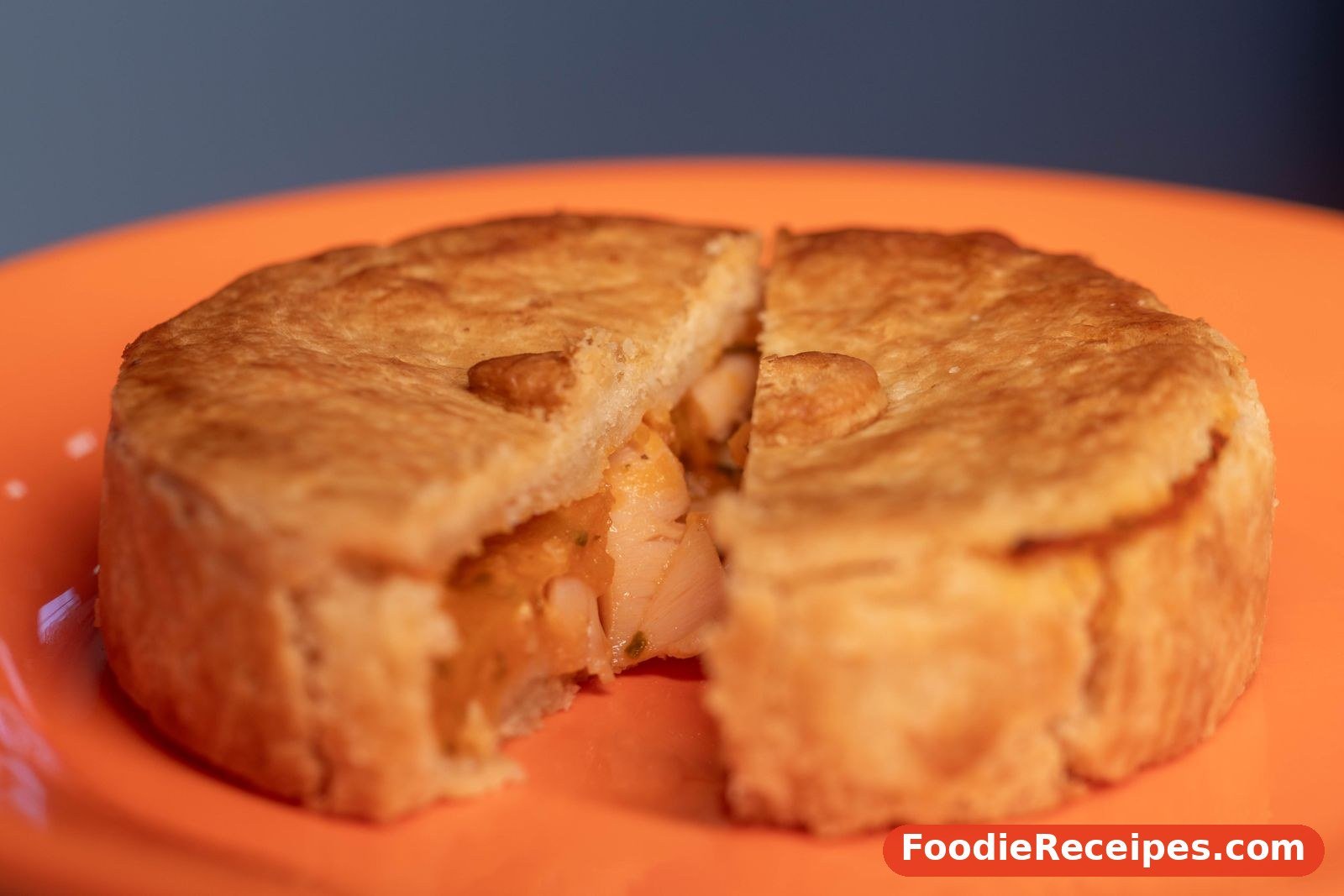
Serve the pie warm, in generous wedges, with the salad alongside. A slice of pot pie with bubbling sauce and a flaky lid is a complete and happy dinner.
Refrigerator: Cover the pie dish tightly or transfer slices to containers. Refrigerate for up to 4 days.
Freezer: Pot pie freezes very well, baked or unbaked, for up to 3 months. To freeze unbaked: assemble the pie in a freezer-safe dish, wrap tightly in plastic and foil, and freeze. Bake from frozen at 375°F (190°C) for 60 to 75 minutes, until golden and bubbling. To freeze baked: cool completely, wrap well, and reheat covered at 350°F (175°C) for 30 to 40 minutes.
Reheating: Individual slices reheat best in a 375°F (190°C) oven for 15 to 20 minutes, which re-crisps the crust. The microwave is faster but softens the pastry — 2 to 3 minutes at 70% power will do. Reheat to 165°F (74°C).
Make-ahead: The filling can be made up to 2 days ahead and refrigerated. Assemble the pie with cold filling and fresh crust just before baking, adding 5 minutes to the bake time. Cold filling is actually an advantage — it keeps the bottom crust from getting soggy before the oven does its work.
Frequently Asked Questions
Can I make pot pie with only a top crust?
Yes, and many people prefer it. A top-crust-only pie (sometimes called a pot pie with a lid) is easier and a little lighter, and the bottom-crust sogginess worry disappears entirely. Assemble the filling in a deep dish or ovenproof skillet, lay the crust over the top, crimp it to the edges of the dish, vent, egg wash, and bake as directed.
Why is my filling runny?
Either the sauce was not thick enough before the chicken and vegetables went in, or the pie was cut before resting. The sauce should be thick enough to coat a spoon heavily. If your baked filling is loose, a longer rest usually sets it. Next time, simmer the sauce an extra minute or two.
Can I use fresh vegetables instead of frozen?
Absolutely. Dice 3 cups (450 g) of a mix of carrots, peas, corn, and green beans, and add sturdy vegetables (carrots, green beans) to the skillet a few minutes before the sauce so they start tenderizing. Fresh peas and corn can go in with the chicken.
How do I keep the bottom crust from getting soggy?
Bake in the lower third of the oven on a preheated baking sheet, make sure your filling is thick, and do not let the assembled raw pie sit around before baking. Egg-washing the inside of the bottom crust is an old baker’s trick that adds a moisture barrier, too.
Can I use a homemade crust?
Please do, if you enjoy it. A standard double-crust recipe (2½ cups / 315 g flour, 1 cup / 226 g cold butter, 1 teaspoon salt, 6 to 8 tablespoons ice water) works perfectly. Keep it cold, handle it gently, and chill the assembled pie for 15 minutes before baking for the flakiest layers.
What can I do with leftover rotisserie chicken bones?
Make a quick broth! Simmer the carcass with water, an onion, and a few peppercorns for 45 minutes, strain, and use it in this very recipe next time — or freeze it for soup season.
Can I make this without cream?
Yes. Replace the cream with whole milk and add 1 extra tablespoon of flour to the roux. The sauce will be a little less rich but still properly creamy.
My top crust shrank and pulled away from the edges. What happened?
The dough was stretched when it was fitted, or it was too warm. Fit the crust gently without pulling, let the assembled pie rest in the fridge for 15 minutes before baking, and the problem usually disappears.
Final Thoughts
Easy chicken pot pie with frozen vegetables is proof that comfort food does not have to be a project. With a rotisserie chicken, a bag of frozen vegetables, and a simple homemade sauce, you get everything people love about this American classic — the flaky crust, the creamy filling, the smell that fills the whole house — on an ordinary weeknight. Make it once, and it will join your family’s list of forever recipes.