

For a lot of American families, the blue-and-yellow box with the smiling glove was a weeknight institution. Hamburger Helper showed up when the day had been long, the budget was tight, and everybody was hungry twenty minutes ago. The cheeseburger macaroni version in particular has a permanent place in the national comfort-food memory: tender elbow pasta, savory ground beef, and a creamy orange cheese sauce, all from one pan.
Here is the good news — you can make that exact dinner at home, in the same single skillet, in about the same amount of time, and it tastes noticeably better. This homemade hamburger helper recipe without the box uses real cheddar, real broth, and a short list of seasonings you probably already own. No mystery powder, no powdered cheese packet, and no ingredients you cannot pronounce. Just the cozy, cheesy, beefy skillet dinner you remember, made with food that tastes like food.
The method is beautifully simple. You brown ground beef with onion, stir in tomato paste and seasonings, then let the dry pasta cook directly in a mixture of broth and milk. As the macaroni simmers, it releases starch that thickens the liquid into a silky sauce. A generous handful of shredded cheddar at the end melts into pure comfort. From the moment you set the skillet on the stove to the moment you call everyone to the table, you are looking at about half an hour — and only one pan to wash.
This recipe is also wonderfully flexible. It welcomes extra vegetables, different cheeses, and a pinch of heat if your family likes it. It stretches a single pound of ground beef into a full meal for four to six people, which makes it one of the most budget-friendly dinners in the American home-cooking playbook. Once you have made it from scratch once, the box will have a very hard time winning you back.
Why Skip the Box?
There is nothing wrong with convenience food in a pinch, but the homemade version wins in several real ways:
- Better flavor. Real cheddar, tomato paste, and Worcestershire-style depth taste richer than seasoning powder.
- You control the salt. Boxed mixes are notoriously salty. Here you season to your own taste.
- Real ingredients. Milk, broth, pasta, beef, cheese — nothing you need to look up.
- Same effort. The box version also requires browning beef and simmering. The scratch version adds maybe two minutes.
- Endlessly adaptable. Add peas, swap cheeses, spice it up — the box cannot follow you there.
- Feeds more for less. A pound of beef and half a box of pasta you already own costs less than the boxed kit plus beef.
The technique that makes it all work is cooking the pasta in the sauce liquid. That is the same trick the boxed version uses, and it is the secret to the signature glossy texture. The pasta drinks up the seasoned broth as it cooks, so every bite is flavored through and through, and its starch turns the liquid into sauce without any flour, roux, or fuss.
Serves: 4–6 | Prep time: 10 minutes | Cook time: 20 minutes | Total time: 30 minutes
Ingredients
For the skillet
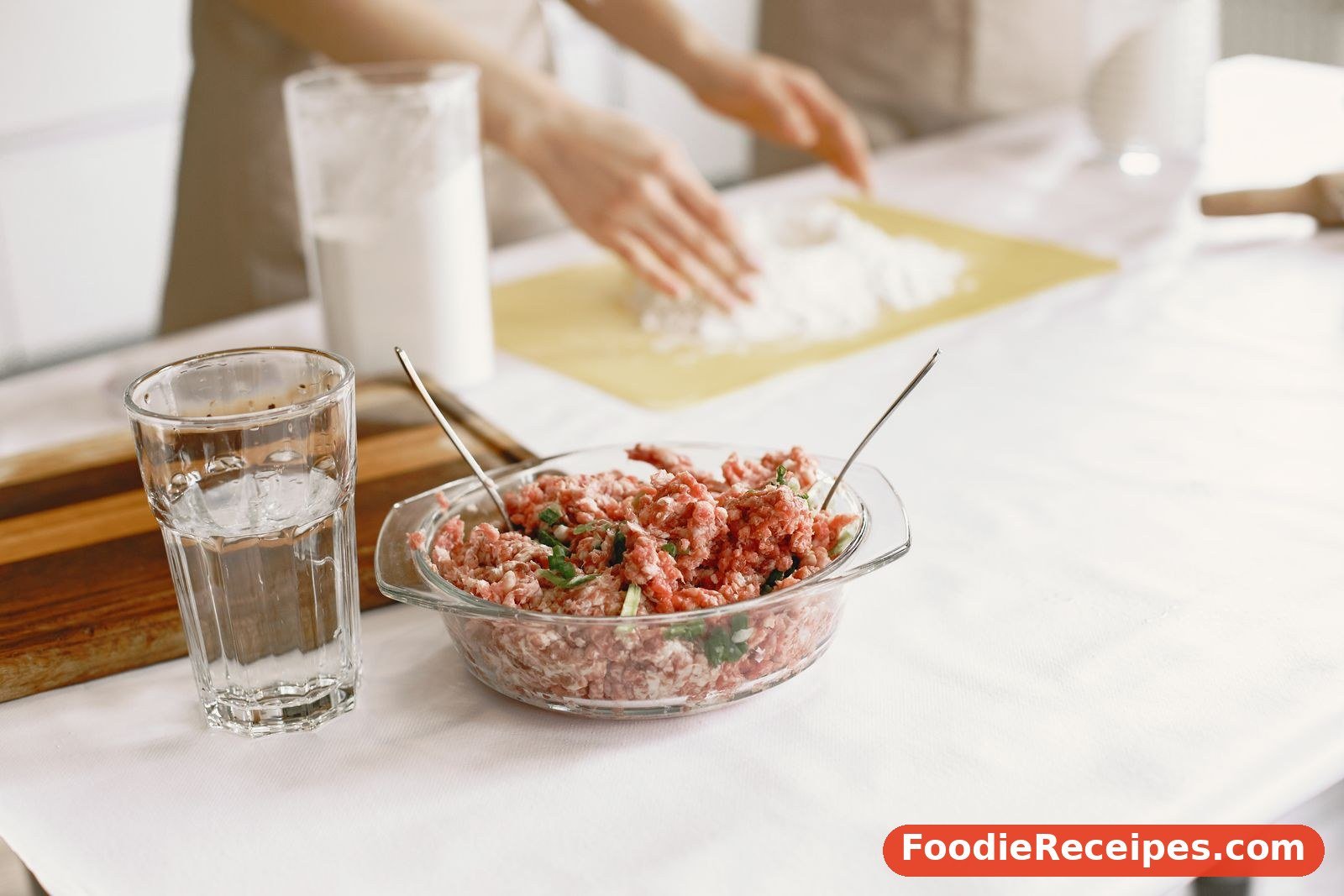
- 1 lb (450 g) ground beef, 80/20 or 85/15 lean
- 1 medium yellow onion (150 g), finely diced
- 2 cloves garlic (6 g), minced, or ½ teaspoon garlic powder
- 2 tablespoons (32 g) tomato paste
- 1 teaspoon (6 g) fine sea salt, plus more to taste
- ½ teaspoon (1 g) black pepper
- 1 teaspoon (3 g) smoked or regular paprika
- 1 teaspoon (2 g) onion powder
- ½ teaspoon mustard powder, or 1 teaspoon yellow mustard
- 1 teaspoon (5 ml) Worcestershire sauce
- 2 cups (480 ml) low-sodium beef broth
- 1½ cups (360 ml) whole milk
- 8 oz (225 g) elbow macaroni, uncooked (about 2 cups)
To finish
- 2 cups (225 g) shredded sharp cheddar cheese, freshly shredded if possible
- 2 tablespoons (8 g) chopped fresh parsley (optional)
- A splash more milk, if needed, to loosen the sauce
Optional stir-ins
- 1 cup (130 g) frozen peas, stirred in at the end
- 1 cup (150 g) diced bell pepper, cooked with the onion
- A pinch of red pepper flakes or a dash of hot sauce
A quick word about the cheese: pre-shredded bagged cheese is coated with anti-caking powders that can make sauces slightly grainy and less melty. Shredding a block of cheddar yourself takes two minutes and gives you a noticeably smoother sauce. If bagged cheese is what you have, it will still work — just let the pan come off the heat before stirring it in, and stir patiently.
Step-by-Step Method
- Warm the skillet. Set a large, deep skillet or Dutch oven (at least 12 inches / 30 cm, with a lid) over medium-high heat. Let it get properly hot before the beef goes in — a hot pan is what gives you good browning instead of gray steaming.
- Brown the beef (6–8 minutes). Add the ground beef and break it into large chunks. Let it sit undisturbed for 2 minutes to develop color, then continue breaking it into small crumbles as it cooks. When the beef is about halfway browned, add the diced onion and cook until the beef is fully browned and the onion is soft. Drain off all but about 1 tablespoon of the fat.
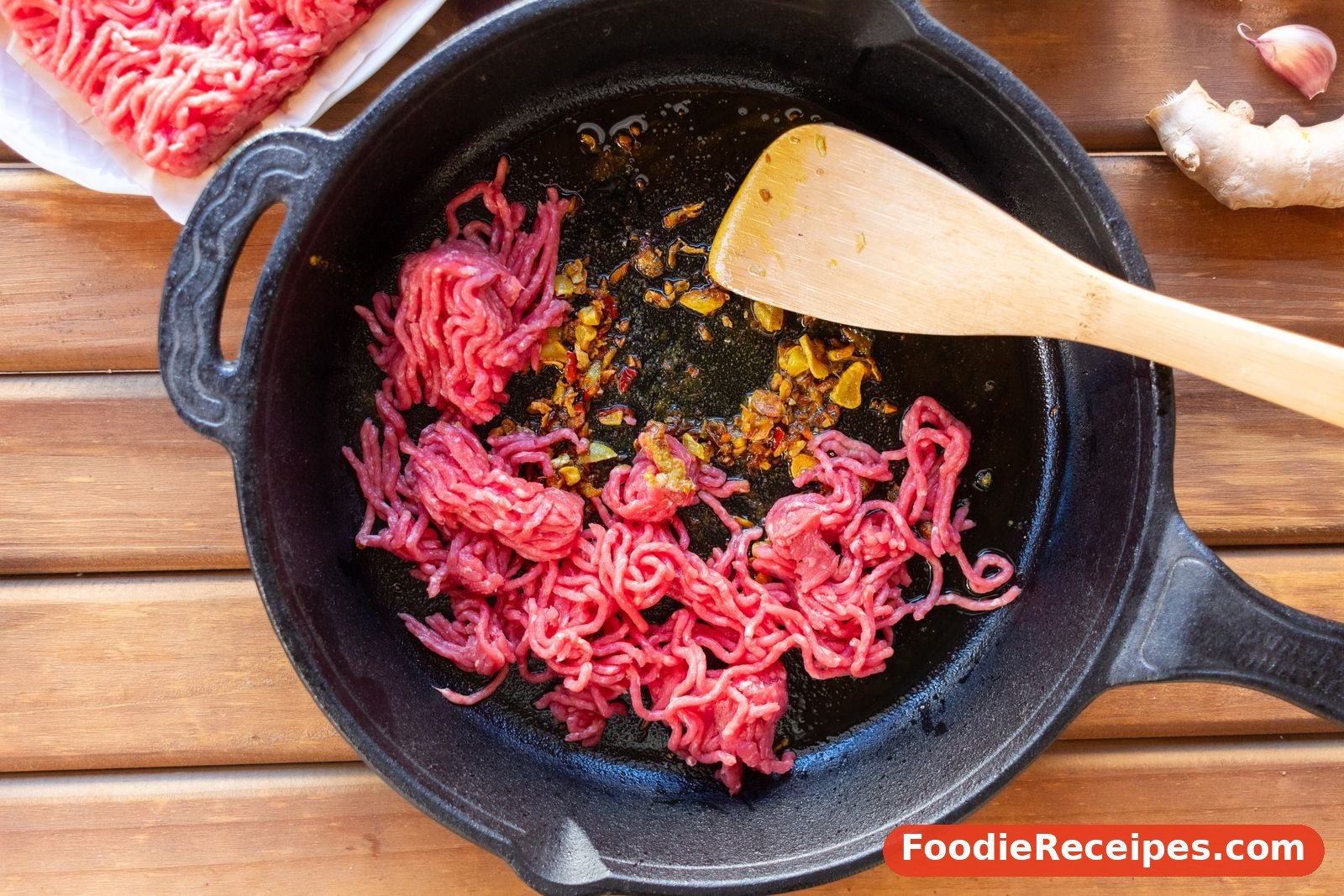
- Toast the flavor base (2 minutes). Stir in the garlic, tomato paste, salt, pepper, paprika, onion powder, mustard, and Worcestershire sauce. Cook, stirring constantly, for about 2 minutes. The tomato paste will darken to a brick red and smell rich and sweet. This step cooks out the raw, tinny taste of the paste and blooms the spices in the beef fat — do not skip it.
- Add the liquids and pasta. Pour in the beef broth and milk, scraping up all the browned bits from the bottom of the pan (that is pure flavor). Stir in the dry elbow macaroni, making sure it is mostly submerged.
- Simmer (10–12 minutes). Bring the mixture to a gentle boil, then reduce the heat to medium-low, cover with the lid, and simmer for 10 to 12 minutes, stirring every few minutes so the pasta does not stick to the bottom. The pasta is done when it is tender with just a slight bite. The sauce will still look a little loose — that is perfect, because the cheese and a short rest will thicken it.
- Add the cheese off the heat. Take the skillet off the burner. Sprinkle the shredded cheddar over the top and stir gently until it melts into a smooth, glossy sauce. If you are adding frozen peas, stir them in now; the heat of the pasta will warm them through in a minute or two.
- Rest and adjust (2–3 minutes). Let the skillet sit for 2 to 3 minutes. The sauce will thicken noticeably as it rests. If it gets thicker than you like, stir in a splash of milk, a tablespoon at a time, until it is creamy and spoonable. Taste and adjust the salt and pepper.
- Serve. Scatter with parsley if you like, and serve straight from the skillet at the table, family style. Set out hot sauce for anyone who wants a kick.
Tips for Perfect Results
- Brown, don’t steam. If your pan is crowded or not hot enough, the beef will release liquid and boil instead of browning. Use your biggest skillet, preheat it well, and drain excess liquid if the beef starts to swim.
- Stir while it simmers. Pasta cooking in milk can scorch on the bottom if ignored. A stir every 3 minutes keeps everything even and tells you how the sauce is progressing.
- Off-heat cheese, always. Boiling a cheese sauce makes it split and turn grainy or greasy. Removing the pan from the heat before adding cheese is the single most reliable trick for a smooth sauce.
- Freshly shredded cheese melts best. The anti-caking starch on bagged shreds fights against a silky sauce. A block and a box grater are worth it.
- Mind the pasta shape. Elbows are classic, but small shells, rotini, and cavatappi all work. Any short pasta that cooks in about 10 minutes is fine. Avoid very large shapes, which need more liquid and time.
- The sauce thickens as it sits. What looks slightly thin at the stove will be perfect at the table. If you are serving it later, plan on loosening with milk when you reheat.
- Salt at the end. Broth and cheese both bring salt. Give it a final taste after the cheese melts and adjust then, rather than over-salting early.
- Want the boxed flavor exactly? Add ½ teaspoon of sugar and an extra pinch of paprika. The tiny bit of sweetness is a hallmark of the original seasoning blend.
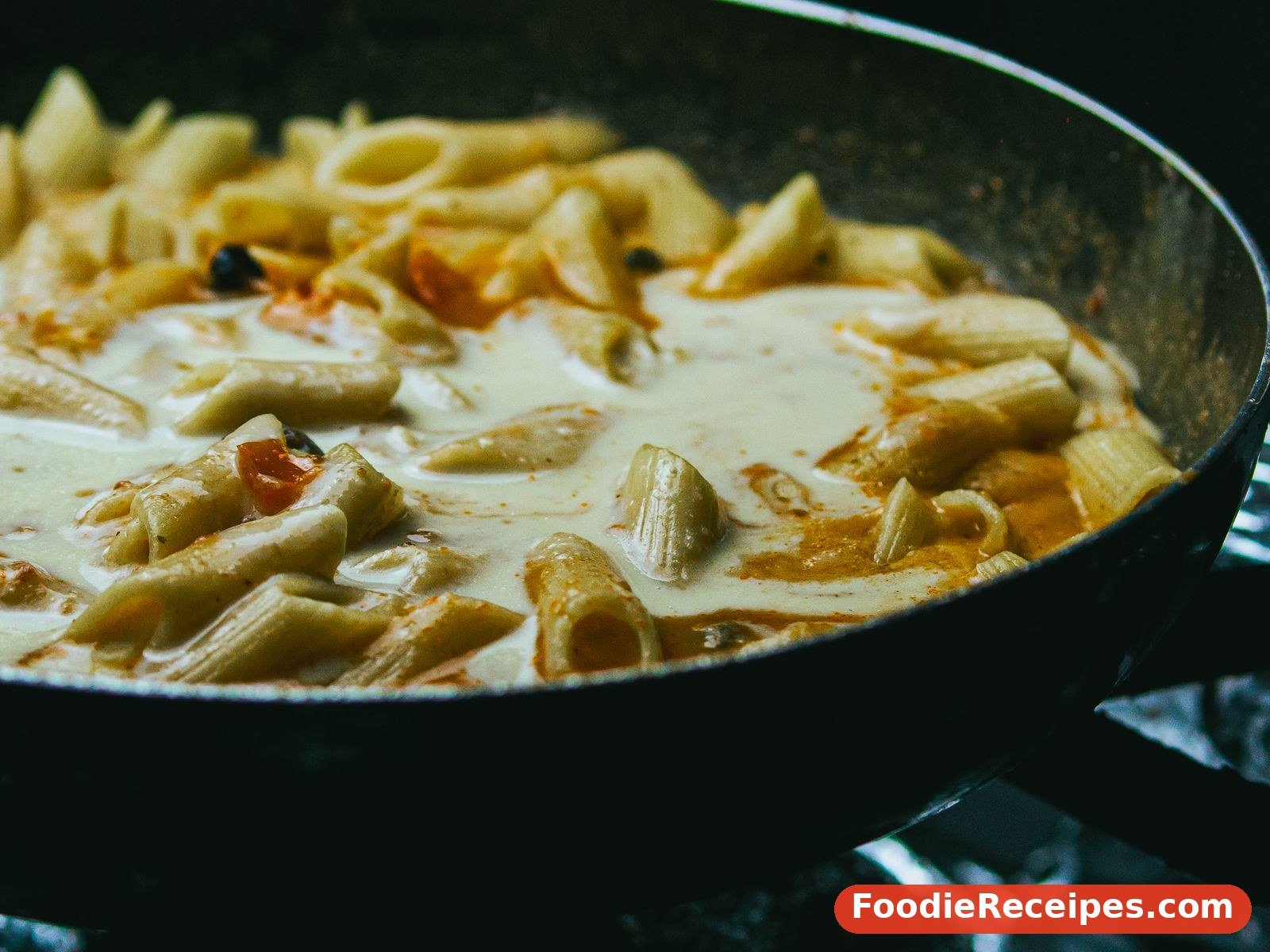
Common mistakes: walking away during the simmer (scorched bottom), adding the cheese over high heat (grainy sauce), and using skim milk (thin, less satisfying sauce). Whole milk is the right call here; this is comfort food, after all.
Variations and Substitutions
- Chili mac style: Add 1 tablespoon chili powder and 1 teaspoon cumin with the spices, stir in a drained can of kidney beans with the pasta, and finish with pepper jack cheese.
- Bacon cheeseburger version: Stir in 4 slices of cooked, crumbled bacon and a diced tomato at the end, and finish with a drizzle of burger sauce (mayo plus ketchup plus chopped pickle).
- Turkey or chicken: Swap the ground beef for 1 lb (450 g) ground turkey or chicken and use chicken broth. Add an extra teaspoon of Worcestershire and a pinch more paprika, since poultry needs a little more help in the flavor department.
- Veggie-loaded: Cook 1 cup (150 g) each of diced zucchini and carrots with the onion, and stir in 2 cups (60 g) baby spinach at the end until wilted.
- Italian twist: Season with Italian herbs instead of paprika, swap the cheddar for mozzarella and Parmesan, and stir in ½ cup (120 ml) tomato sauce with the broth.
- Lighter version: Use 93% lean beef or ground turkey, 2% milk, and reduce the cheese to 1½ cups (170 g). The sauce will be a bit less lush but still very satisfying.
- Gluten-free: Use your favorite gluten-free elbow pasta and check it a couple of minutes early, since gluten-free pasta can go from tender to mushy quickly. Add an extra splash of broth if it drinks up the liquid too fast.
- Extra cheesy: Stir in 2 oz (55 g) of cream cheese with the cheddar for a sauce with extra body and tang.
What to Serve With
Homemade hamburger helper is a complete meal in a bowl, but a fresh side makes it a proper dinner:
- Simple green salad with ranch or a vinaigrette — the classic partner
- Steamed green beans or broccoli for color and crunch
- Garlic bread or buttered toast for swiping the last of the cheese sauce
- Dill pickle spears — the tangy bite is perfect against the rich sauce
- Corn on the cob or creamed corn in the summertime
- Applesauce — a retro side that old-school families swear by with this dish
Serving and Storage
Serve it hot, straight from the skillet, in warm bowls. It is at its absolute best within the first 15 minutes, while the sauce is glossy and loose.
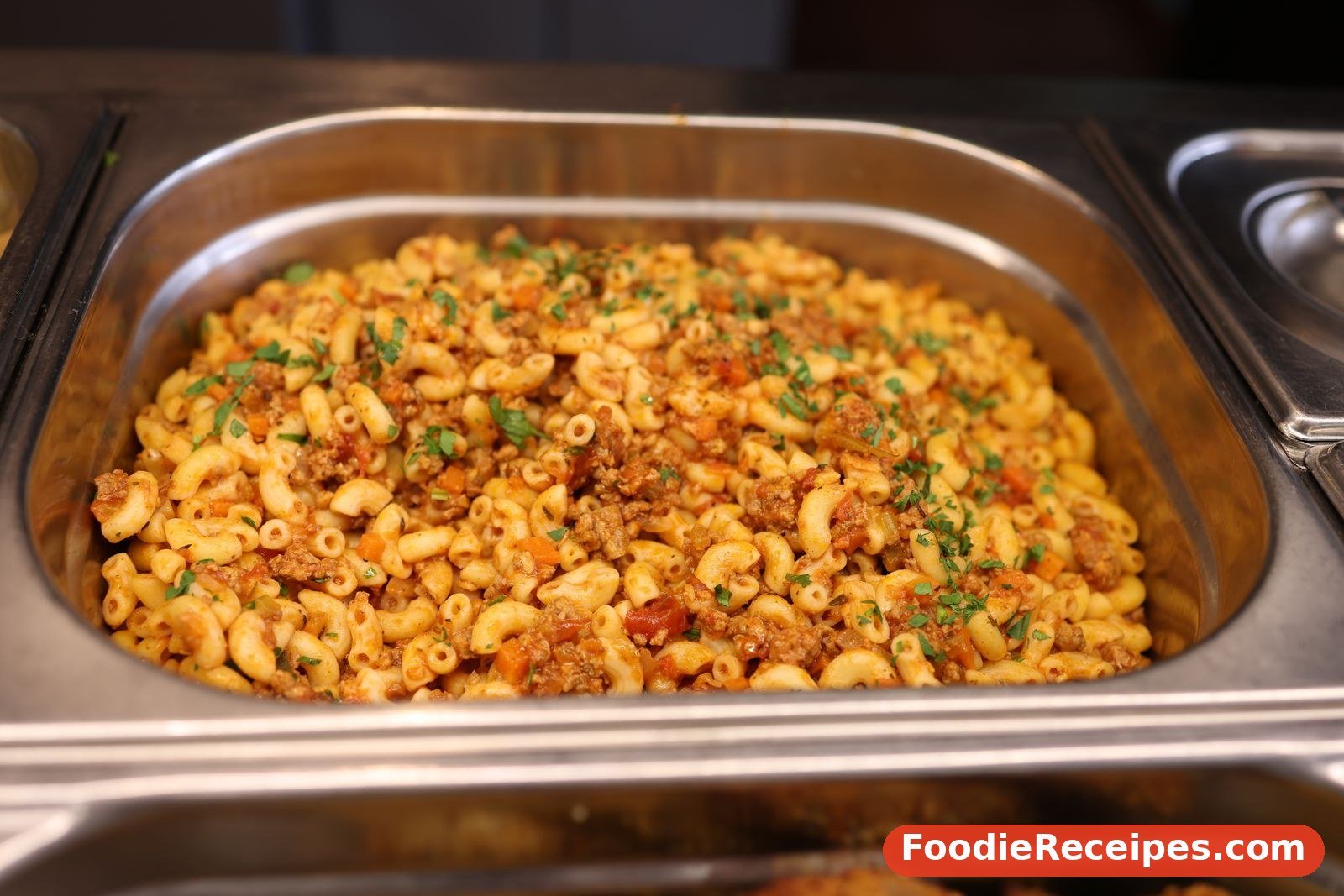
Refrigerator: Cool leftovers and store in an airtight container for up to 4 days. The pasta will absorb sauce as it sits, so leftovers will look thicker — that is normal.
Freezer: You can freeze it for up to 3 months, though the pasta softens a bit on thawing and the cheese sauce can turn slightly grainy. For best results, freeze in single portions and thaw overnight in the fridge.
Reheating: The secret to great leftover hamburger helper is moisture. For each portion, stir in 1 to 2 tablespoons of milk, then reheat gently on the stove over medium-low heat, stirring often, or microwave at 70% power in 1-minute bursts, stirring between each. Reheat to steaming hot, 165°F (74°C). A small handful of fresh cheese stirred in at the end brings the sauce back to life.
Make-ahead tip: You can brown the beef with the onion and spices a day ahead and refrigerate. When dinner time comes, reheat it in the skillet, add broth, milk, and pasta, and proceed — dinner in about 15 minutes.
Frequently Asked Questions
Does this really taste like the boxed version?
It tastes like the version you remember, only richer and cheesier. The combination of tomato paste, paprika, mustard, and Worcestershire recreates the signature savory-sweet seasoning, while real cheddar and milk make the sauce creamier than the powder packet ever could. Most families who try the scratch version do not go back.
Can I use a different pasta?
Yes. Small shells, rotini, cavatappi, or penne all work. Keep the amount at 8 oz (225 g) and the simmer time close to 10–12 minutes, adjusting with a splash more broth if a chunkier shape drinks up the liquid faster.
My sauce turned out thin. What happened?
The pasta may not have simmered long enough to release its starch, or it was served before resting. Let it sit off the heat for a few minutes — it thickens a lot as it stands. Next time, make sure the liquid reaches a real simmer and give the dish its full rest before judging.
My sauce is grainy. Can I fix it?
Graininess usually comes from adding cheese over high heat or using pre-shredded cheese. Stir in a splash of warm milk off the heat and keep stirring — it often smooths out. Next time, take the pan off the burner first and shred your own cheese.
Can I make it with ground turkey?
Absolutely. Use chicken broth to match, and be a little generous with the seasonings, since turkey is milder than beef. A teaspoon of soy sauce along with the Worcestershire adds back the savory depth.
How do I make it spicy?
Add ¼ to ½ teaspoon of red pepper flakes with the spices, or stir in a diced jalapeño with the onion. Pepper jack in place of half the cheddar is another easy way to build heat.
Can I double the recipe?
Yes, in a large Dutch oven. Use 2 lb (900 g) beef, 4 cups (960 ml) broth, 3 cups (720 ml) milk, and 1 lb (450 g) pasta. Brown the beef in two batches so it colors properly instead of steaming, then combine and proceed. The simmer may take 2 to 3 minutes longer.
Is it okay to leave out the tomato paste?
The dish will still be good, but the tomato paste is what gives it that classic color and background richness. If you are out, ¼ cup (60 ml) of ketchup is a workable stand-in — just reduce the salt slightly and skip any added sugar.
Final Thoughts
Homemade hamburger helper without the box is proof that the dinners we love do not need a packet to be easy. One skillet, a pound of beef, a handful of pantry staples, and half an hour are all it takes to put a cheesy, comforting classic on the table — this time with ingredients you chose yourself. Make it once, tweak it to your family’s taste, and you will have a weeknight standby that never lets you down.