
Every great American barbecue has a pot of baked beans holding down one corner of the table, and this is the version worth memorizing: baked beans with bacon and brown sugar, cooked low and slow until the sauce turns dark, glossy and sweet-smoky, and the beans go tender enough to melt. It is the recipe that tastes like it simmered all day at a family reunion — because, in the best sense, it kind of did. Two unhurried hours in a gentle oven transform a handful of pantry staples into something far greater than the sum of its parts.
The flavor architecture here is classic for a reason. Bacon renders its smoky fat into the beans and crisps on top into salty little shards. Brown sugar and a touch of molasses build a deep, caramel sweetness that never turns cloying, because mustard, Worcestershire sauce and a splash of vinegar keep it honest. Onion melts into the sauce so completely that picky eaters never find it, though they would miss it if it were gone. The result is a side dish that routinely upstages the main course — ribs and brisket have learned to share the spotlight gracefully.
This recipe starts with canned navy beans, the weeknight-friendly shortcut that nearly every beloved family version quietly uses. Draining and dressing them yourself gives you full control of the sweetness and smoke, without an overnight soak standing between you and dinner. The method is mostly hands-off: a few minutes of bacon-crisping and onion-softening on the stove, a stir, and then the oven’s patience does the rest. Make it for cookouts, potlucks, baked ham dinners and game days, and expect the pot to be scraped clean.
Serves: 10–12 as a side dish | Prep time: 15 minutes | Cook time: about 2 hours 15 minutes | Total time: about 2 hours 30 minutes
Ingredients
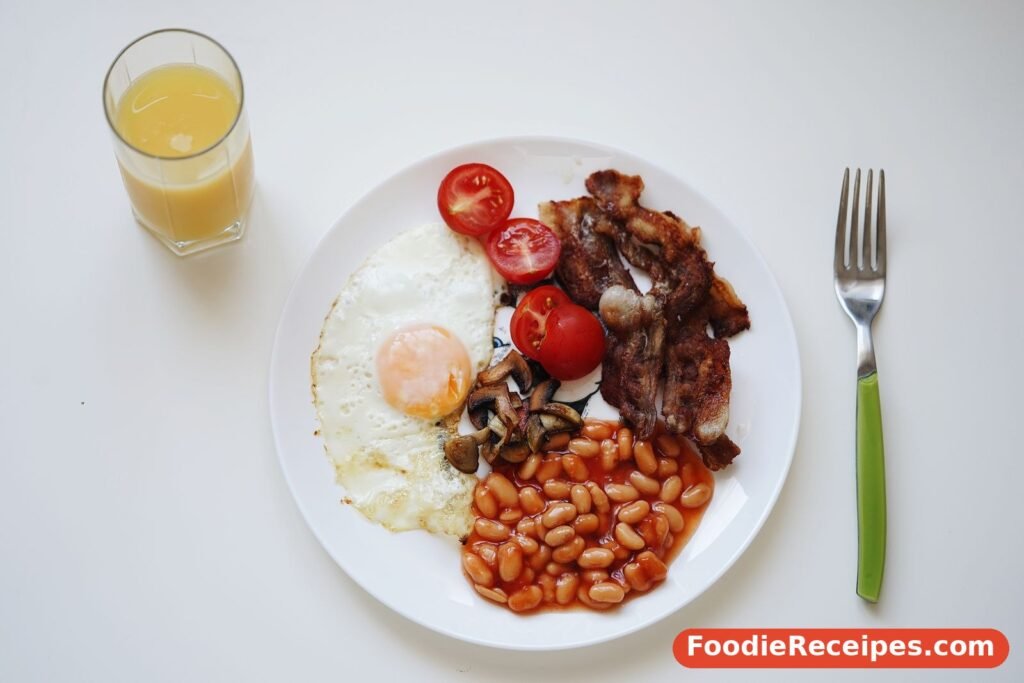
Canned beans make this recipe friendly, but their liquid matters: you will drain most of it away and build your own sauce, keeping just a little bean liquid in reserve in case the pot needs loosening near the end of baking. Thick-cut bacon is worth using here — it stays meaty through the long bake instead of vanishing. And reach for dark brown sugar if you have it; its extra molasses gives the sauce a deeper color and flavor.
- 3 cans (15 ounces / 425 g each) navy beans, drained and rinsed (about 4½ cups / 765 g drained beans)
- 6 slices thick-cut bacon (about 6 ounces / 170 g), 4 slices chopped and 2 slices left whole for the top
- 1 medium yellow onion (about 1 cup / 150 g), finely diced
- ¾ cup (165 g) packed dark brown sugar
- ¼ cup (60 ml) molasses
- ⅓ cup (80 g) ketchup
- 1 tablespoon yellow mustard
- 1 tablespoon Worcestershire sauce
- 1 tablespoon apple cider vinegar
- 1 teaspoon fine salt
- ½ teaspoon freshly ground black pepper
- ½ teaspoon smoked paprika (optional, for extra smoke)
- ½ cup (120 ml) hot water or reserved bean liquid, as needed
Step-by-Step Method
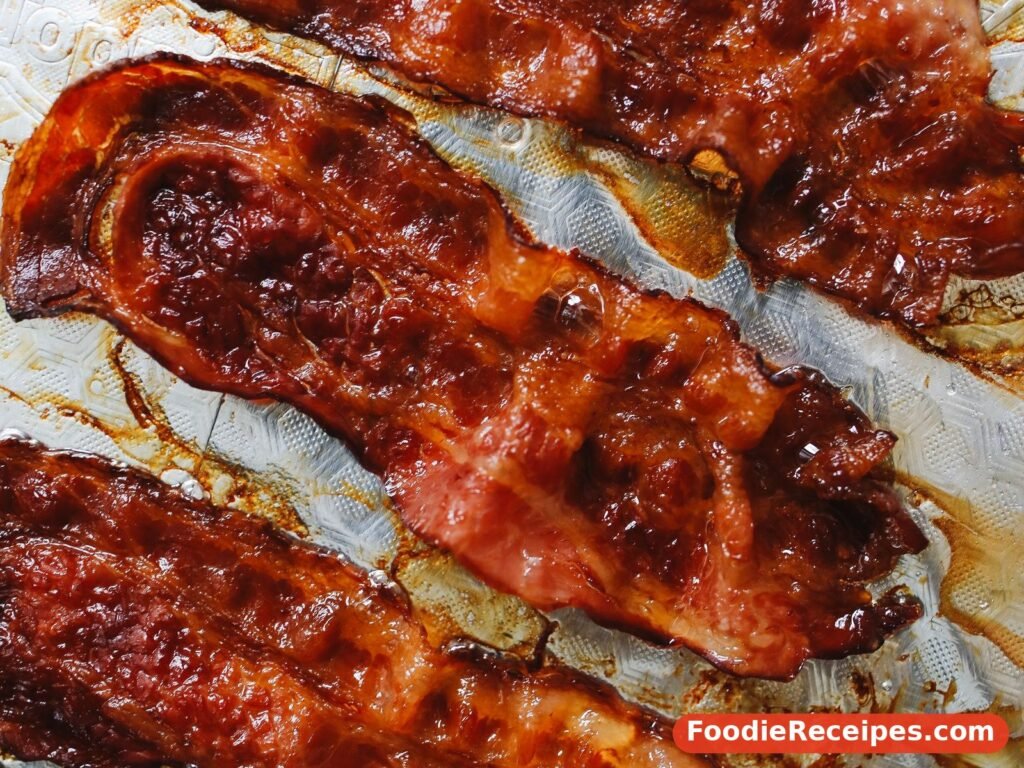
- Heat the oven and crisp the bacon (10 minutes). Preheat the oven to 325°F (165°C). Set a large oven-safe Dutch oven or heavy pot over medium heat. Add the chopped bacon and cook, stirring occasionally, until it has rendered its fat and is just beginning to crisp at the edges, 6 to 8 minutes. Do not cook it fully crisp — it will finish in the oven. Lift the bacon out with a slotted spoon and set it aside, leaving the glorious fat in the pot.
- Soften the onion (5 minutes). Add the diced onion to the bacon fat and cook over medium heat until soft and translucent, about 5 minutes, scraping up the browned bits from the bottom as you stir. Those bits are concentrated flavor, and the onion will melt them into the sauce. If the pot looks dry — lean bacon happens — add a teaspoon of oil.
- Build the sauce (3 minutes). Stir the brown sugar, molasses, ketchup, mustard, Worcestershire sauce, vinegar, salt, pepper and smoked paprika into the onions. Let the mixture bubble gently for 1 to 2 minutes, stirring, until the sugar has fully dissolved and the sauce smells rich and tangy. It will look dark and glossy — that is your baked bean sauce, ready to meet the beans.

- Add the beans and bacon (2 minutes). Pour in the drained beans and the reserved chopped bacon, and fold everything together gently so you coat the beans without mashing them. The mixture should look saucy but not soupy; if it seems stiff, stir in ¼ cup (60 ml) of the hot water or bean liquid. Smooth the top.
- Top with bacon and bake, covered (1 hour 30 minutes). Lay the 2 whole bacon slices across the top of the beans. Cover the pot with its lid (or a tight sheet of foil) and bake for 1 hour 30 minutes. During this covered stretch the beans absorb the sauce, the flavors marry, and everything goes silky and deep.
- Uncover and finish (30–45 minutes). Remove the lid and bake for 30 to 45 minutes more, until the sauce has thickened to a glossy glaze, the edges are bubbling slowly, and the bacon on top is deep mahogany and crisp. If the beans ever look dry, splash in a little more hot water; if they look too loose, give them the full uncovered time — the sauce thickens noticeably as it stands, too.
- Rest and serve (10 minutes). Let the beans rest for 10 minutes before serving. The sauce will settle into its final, spoon-coating consistency, and the beans will be at their sweetest, smokiest best. Crumble the top bacon over the pot or serve the strips right on top for the classic look.
Tips for Perfect Results
- Low and slow is not a suggestion. A gentle 325°F (165°C) oven gives the sugar time to caramelize and the beans time to absorb flavor without bursting. A hot oven scorches the sugar and breaks the beans.
- Mind the liquid. Bean brands vary in how much liquid they pack. Your mixture should look like a thick stew going into the oven — add water in small splashes, because you can always bake off a little extra but a dry pot cannot be rescued as easily.
- Taste for the sweet-tang balance before baking. The sauce should taste slightly sweeter and tangier than you want the final dish, because the beans will mellow it. Adjust with a teaspoon of vinegar or sugar now, not later.
- Reserve bean liquid. That starchy liquid is a better loosening agent than plain water — it keeps the sauce glossy instead of thin.
- Let them rest. Beans pulled straight from the oven look looser than they are. Ten minutes of standing turns a good sauce into a great one.
- Make them a day ahead if you can. Baked beans are famously better on the second day, after a night in the fridge lets the smoke and sweetness settle deep into every bean.
Variations and Substitutions
Slow cooker baked beans. Complete Steps 1 to 4 on the stove, transfer everything to a slow cooker, top with the whole bacon slices, and cook on LOW for 6 to 8 hours or HIGH for 3 to 4 hours. Leave the lid slightly ajar for the last hour if you want a thicker sauce.
Starting from dried beans. Soak 1½ cups (300 g) of dried navy beans overnight, simmer them in fresh water until just tender (45 to 60 minutes), drain while reserving the cooking liquid, and proceed with the recipe. The texture is a touch firmer and the flavor a touch deeper.
Spicy beans. Add 1 finely diced jalapeño (about 15 g) with the onion and ½ teaspoon of cayenne or a tablespoon of your favorite barbecue rub to the sauce. Sweet heat is a natural partner for smoked meats.
Maple baked beans. Replace the molasses with ¼ cup (60 ml) of pure maple syrup for a New England accent, and swap the smoked paprika for a pinch of dry mustard powder.
Vegetarian version. Skip the bacon and start the onions in 2 tablespoons of oil. Add 1 teaspoon of smoked paprika and ½ teaspoon of liquid smoke (if you like it) to replace the missing smokiness, and use a vegetarian Worcestershire sauce.
Extra-meaty beans. Stir in 1 cup (about 150 g) of chopped leftover brisket, pulled pork or ham along with the beans. Cookout leftovers were invented for this pot.
What to Serve With
Baked beans are the backbone of the American cookout plate: serve them with smoked ribs, brisket, pulled pork, grilled chicken, burgers and hot dogs, and let the sweet sauce mingle with the meat juices. They are equally at home next to a baked ham at Easter, under a ladle of chili at a game-day spread, or alongside fried chicken and cornbread for a Sunday dinner that tastes like a reunion. Classic plate partners include coleslaw, potato salad, macaroni and cheese and buttered cornbread for sopping up the last of the sauce. On the simplest nights, a pot of these beans with hot dogs and a green salad is a complete and happy supper.
Serving and Storage
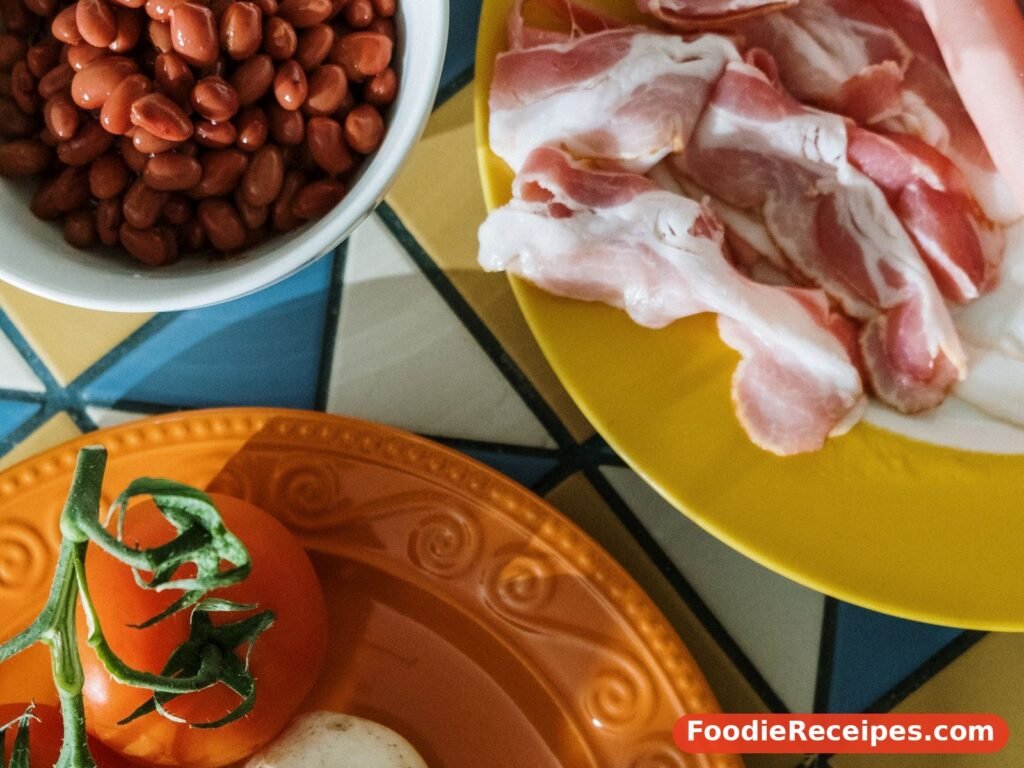
Serve the beans hot, straight from the pot or a warm serving bowl, with a big spoon so everyone gets plenty of sauce. As a side dish this batch serves 10 to 12; as the centerpiece of a beans-and-franks supper it serves about 6. Keep the pot warm over the lowest heat or in a 200°F (95°C) oven if guests are grazing, stirring now and then and adding a splash of water if the top dries.
Refrigerate leftovers in an airtight container for up to 4 days; the flavor deepens beautifully. Reheat gently on the stove over low heat with a splash of water, stirring often, or in the microwave at 50% power in 1-minute bursts. Baked beans also freeze exceptionally well — portion them into containers, freeze for up to 3 months, and thaw overnight in the fridge before reheating. Pro tip: frozen leftover beans are a head start on a future pot, loosened with a little water and refreshed with a spoonful of brown sugar.
Common Mistakes to Avoid
Baked beans forgive almost everything, but these few habits can quietly sabotage a pot.
- Cranking the oven to “speed things up.” Baked beans at 400°F (200°C) are not faster baked beans — they are scorched beans with burst skins and a sauce that went from glossy to gummy. The sugars in this recipe need gentle heat to caramelize slowly. If time is truly short, use the slow cooker on HIGH rather than a hotter oven.
- Skipping the stovetop start. It is tempting to mix everything cold and shove the pot into the oven, but crisping the bacon and dissolving the sugar into the onions first builds the deep, savory base that makes these beans taste cooked-all-day. Ten minutes at the stove buys you hours of flavor.
- Burning the bacon at the crisping stage. The chopped bacon should leave the pan just shy of crisp. It still has two hours of oven time ahead, and fully crisped bacon at the start ends up hard and dark by the finish. Pull it early and trust the bake.
- Forgetting to taste the sauce before the beans go in. Once the beans are in and the pot is in the oven, seasoning changes stop being easy. Taste the built sauce at Step 3 — it should be boldly sweet, tangy and salty. The beans are bland and will dilute everything, so “a little too much” at this stage is exactly right.
- Judging the beans straight out of the oven. A pot of baked beans at a full bubble always looks looser than it will be at the table. The sauce continues to thicken as it stands, so make your final liquid decisions after the 10-minute rest, not before.
Beans From Scratch: A Quick Guide
If you would like to skip the cans entirely, dried navy beans give this recipe a slightly firmer bite and an old-fashioned depth that is worth trying once. Pick over 1½ cups (300 g) of dried navy beans, discarding any stones or shriveled beans, and soak them in plenty of cold water for at least 8 hours or overnight. Drain, cover with fresh water by 2 inches (5 cm), and simmer gently — never a hard boil, which splits the skins — for 45 to 60 minutes, until the beans are tender but not falling apart. Salt the cooking water lightly in the last 15 minutes. Drain the beans, saving at least 2 cups (480 ml) of the cooking liquid for loosening the sauce, and then pick up the recipe at Step 1. You will need the beans cooked before the bacon step, so plan the extra hour; the hands-on effort is otherwise identical, and the pot that results has a devoted following among bean traditionalists.
Frequently Asked Questions
Can I use a different kind of canned bean?
Yes. Pinto beans and great Northern beans both work beautifully with the same sauce and timing. Kidney beans make a chunkier, heartier pot. Avoid black beans here — their flavor fights the sweet-smoky sauce.
Why are my baked beans still runny?
Give them more uncovered time — the last 30 to 45 minutes is when the sauce reduces and glazes. Also remember the sauce thickens as the beans stand, so judge them after the 10-minute rest, not straight from the oven.
Why did my beans come out dry?
They likely needed a little more liquid to start, or the lid let steam escape. Stir in hot water or reserved bean liquid a few tablespoons at a time during the uncovered bake until the beans look glossy again.
Can I make baked beans in advance for a party?
They are one of the best make-ahead sides in existence. Bake them fully, cool, refrigerate up to 2 days, and reheat covered at 325°F (165°C) for 30 to 40 minutes with a splash of water. Many cooks swear day-two beans taste better than day-one.
Is there a substitute for molasses?
Honey or maple syrup in the same amount will work, though the sauce will be a little lighter in color and flavor. In a pinch, add 2 extra tablespoons of dark brown sugar and a teaspoon of water.
Can I halve this recipe?
Easily. Halve everything, bake in a smaller dish, and check the beans about 15 minutes early — a smaller pot cooks a bit faster. The method stays the same.
How do I make them less sweet?
Cut the brown sugar to ½ cup (110 g) and add an extra teaspoon of vinegar and mustard. The beans will be more savory and tangy while keeping their classic character.
Smoky, sweet and unapologetically saucy, these baked beans with bacon and brown sugar are the side dish that turns a meal into a gathering. Put the pot on the table, hand out the spoons, and enjoy the sound of a table going quiet in the best possible way.