
There is a reason deviled eggs have survived every food trend of the last seventy years: they are perfect. Two bites of cool, creamy, tangy comfort, finished with a whisper of paprika — and the first appetizer to vanish at every church supper, Easter brunch, picnic and potluck from here to Texas. This classic version leans on the ingredient that Southern and Midwestern grandmothers have sworn by for generations: sweet pickle relish. It folds tiny, jewel-like bits of sweetness and crunch right into the yolks, so every bite balances rich, sharp and sweet in a way plain deviled eggs simply do not.
The recipe itself is humble — eggs, mayonnaise, mustard, relish, a splash of pickle juice — but a truly great deviled egg is all about technique. Yolks cooked just until set, never with that gray-green ring. Whites peeled cleanly, without craters. A filling mashed silky smooth and seasoned boldly, because cold food needs confidence. Get those three things right and you will be asked to bring “your eggs” to every gathering for the rest of your natural life. Consider yourself warned.
These eggs are also wonderfully make-ahead friendly. Boil the eggs a day or two early, make the filling in the morning, and pipe it in just before guests arrive. They travel well, they cost almost nothing, and they please absolutely everyone from toddlers to grandfathers. Make a double batch if your family is anything like most families — a dozen eggs makes twenty-four halves, and twenty-four halves have a mysterious way of becoming sixteen before they ever reach the table.
Serves: 12 (makes 24 deviled egg halves) | Prep time: 20 minutes | Cook time: 12 minutes, plus cooling | Total time: about 45 minutes, plus chilling
Ingredients
Fresh eggs are wonderful for scrambling but stubborn peelers when boiled — for the cleanest whites, use eggs that have been in your refrigerator for a week or so. The relish matters too: choose a sweet pickle relish you like the taste of straight from the jar, and drain it briefly so the filling stays thick and pipeable, not runny.
- 12 large eggs (about 700 g in the shell)
- ⅓ cup (75 g) mayonnaise
- 2 tablespoons (30 g) sweet pickle relish, drained
- 1 teaspoon yellow mustard
- 1 teaspoon sweet pickle juice from the relish jar (or white vinegar)
- ¼ teaspoon fine salt, plus more to taste
- ⅛ teaspoon freshly ground black pepper
- Smoked or sweet paprika, for dusting
- 1 tablespoon finely snipped fresh chives (optional, for garnish)
Step-by-Step Method
- Start the eggs in cold water (5 minutes). Place the eggs in a single layer in a large saucepan and cover with cold water by about 1 inch (2.5 cm). A single layer cooks evenly; a crowded double layer gives you some overdone and some underdone yolks in the same pot.
- Boil, then rest off the heat (12 minutes). Bring the water to a full rolling boil over high heat. The moment it boils, cover the pan, remove it from the heat, and let the eggs sit in the hot water for 10 to 12 minutes — 11 is the sweet spot for large eggs. This gentle finish gives you moist, bright-yellow yolks with no gray ring and no rubbery whites.
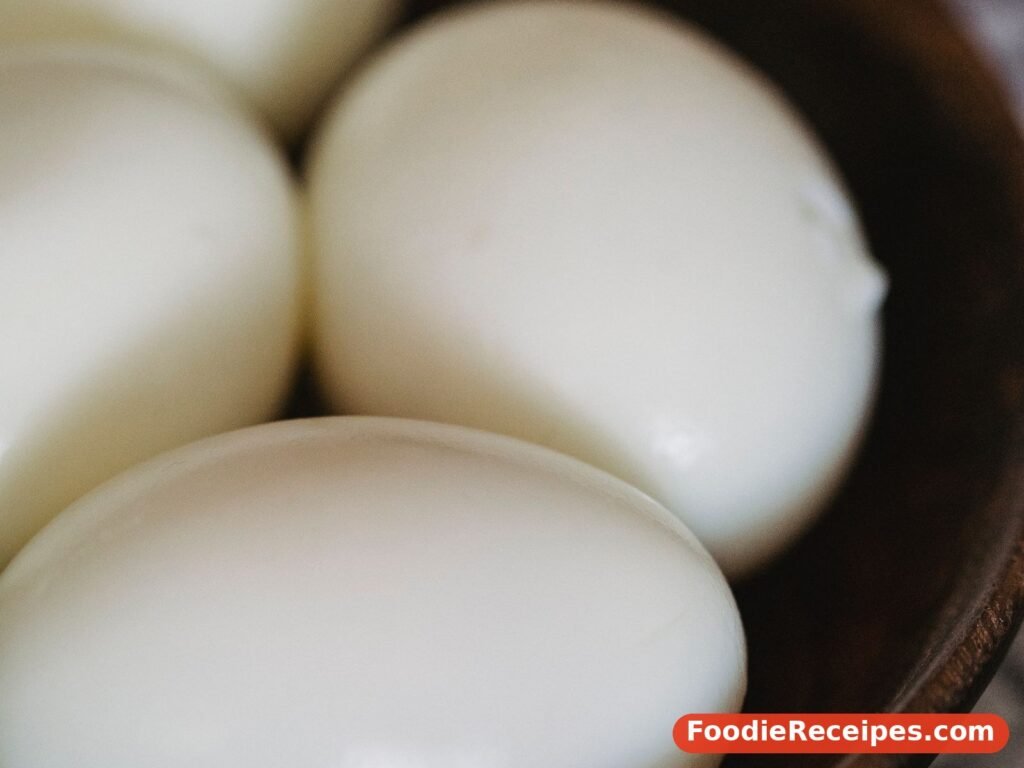
- Ice bath and peel (10 minutes). Transfer the eggs to a bowl of ice water and let them cool for at least 5 minutes. The chill stops the cooking and shrinks the egg slightly away from the shell. Crack each egg all over on the counter, roll it gently under your palm, and peel under a thin stream of water, starting from the wide end where the air pocket lives. Set the peeled eggs on a paper towel to dry.
- Halve and harvest the yolks (5 minutes). Slice each egg in half lengthwise with a sharp, thin knife, wiping the blade between eggs to keep the whites clean. Pop the yolks into a mixing bowl and arrange the white halves, cut side up, on your serving platter or in a deviled egg tray.
- Mash the filling silky smooth (5 minutes). Mash the yolks with a fork until they are fine, dry crumbs — get them truly powdery before any liquid goes in, because lumps added later never fully disappear. Add the mayonnaise, drained relish, mustard, pickle juice, salt and pepper. Stir and then whisk until the filling is smooth, pale and fluffy, like a thick frosting. For the smoothest result, push the mixture through a fine sieve with a spatula or give it a few pulses in a food processor.

- Fill the whites (5 minutes). Spoon the filling into a piping bag fitted with a large star tip — or a zip-top bag with a corner snipped off — and pipe generous swirls into each white. No bag? A small spoon works fine; mound the filling neatly with the back of the spoon for a homestyle look. Fill them generously: a skimpily filled deviled egg is a small sadness.
- Garnish and chill (at least 30 minutes). Dust the tops lightly with paprika — hold your fingers high above the platter as you sprinkle for an even, delicate coating — and scatter the chives if using. Cover loosely and refrigerate for at least 30 minutes so the flavors meld and the filling firms. Serve cold.
Tips for Perfect Results
- Older eggs peel easier. Eggs that are 7 to 10 days old release their shells far more willingly than farm-fresh ones. Plan ahead if pretty whites matter to you.
- No gray rings, ever. The green-gray ring around a yolk is harmless but unappetizing, and it comes from overcooking and slow cooling. The off-heat rest plus a prompt ice bath prevents it completely.
- Drain the relish. A spoonful of relish straight from the jar carries a lot of liquid. Thirty seconds in a small sieve keeps your filling thick enough to hold piped swirls.
- Season boldly, taste honestly. The filling should taste a shade too strong on its own — once it is sitting in a mild egg white and served cold, it will taste exactly right.
- Mash yolks dry first. Liquid added to chunky yolks gives you permanently lumpy filling. Powdery yolks first, then the mayonnaise, is the order that guarantees silk.
- Keep them cold and covered. Deviled eggs dry out and pick up fridge flavors quickly. Cover the platter with plastic wrap (tent it so it does not stick to the filling) and serve within a day for the best texture.

Variations and Substitutions
Bacon ranch deviled eggs. Stir 2 tablespoons of finely crumbled cooked bacon (about 20 g) and ½ teaspoon of ranch seasoning into the filling, and top each egg with a tiny bacon shard instead of paprika.
Spicy Southern eggs. Add ½ teaspoon of hot sauce and a pinch of cayenne to the filling, and garnish with a single pickled jalapeño slice. The sweet relish keeps them balanced rather than fiery.
Dill pickle version. Swap the sweet relish for finely minced dill pickles (2 tablespoons / 30 g) and use dill pickle juice in place of the sweet. Sharper, tangier, and wonderful with barbecue.
Old Bay eggs. Replace the paprika with Old Bay seasoning and add 1 teaspoon of lemon juice to the filling — a Chesapeake Bay classic that seafood lovers adore.
Lighter eggs. Replace half the mayonnaise with plain Greek yogurt (about 2½ tablespoons / 38 g). The filling will be tangier and the eggs a little lighter; add an extra pinch of salt.
Mustard lovers’ eggs. Double the mustard and use Dijon for a more assertive, deli-style bite. A tiny pinch of sugar (¼ teaspoon) restores the balance the extra mustard disturbs.
What to Serve With
Deviled eggs are the opening act of American celebration food. Serve them at Easter alongside glazed ham, at Thanksgiving while the turkey rests, at the Fourth of July next to the potato salad and baked beans, and at any picnic, tailgate or church potluck where a covered dish earns you a reputation. They pair naturally with other cool, classic sides — coleslaw, macaroni salad, pickled beets — and they are a gracious starter before fried chicken, barbecue or a holiday ham, because they wake up appetites without filling anyone up. Set the platter out with a small bowl of extra paprika and watch the eggs disappear in orderly, inevitable rows. If the gathering is outdoors in warm weather, set the platter over a shallow tray of ice — deviled eggs taste best properly cold, and the chill keeps the filling firm and the whites snappy from the first guest to the last.
Serving and Storage
Arrange the eggs on a chilled platter and serve them cold. Twenty-four halves serve about 12 people as an appetizer, assuming two halves each — an assumption that rarely survives contact with real guests, so consider a double batch for crowds. Keep the platter over a tray of ice at outdoor events, and do not leave deviled eggs at room temperature for more than 2 hours (1 hour on a very hot day).

Store leftovers in a single layer in an airtight container in the refrigerator for up to 3 days, though the whites get a little firmer and the filling a little drier each day; day one and two are the prime window. Deviled eggs do not freeze — the whites turn rubbery and weep when thawed. For the smartest make-ahead strategy, boil and peel the eggs up to 2 days ahead and store the whites and the filling (in its piping bag) separately in the fridge; pipe, garnish and serve within a few hours of the event for eggs that taste freshly made.
Common Mistakes to Avoid
Deviled eggs have three ingredients’ worth of complexity and about six classic ways to stumble. All of them are preventable.
- Boiling the eggs hard for twenty minutes. The old “boil them until they surrender” method is what gives yolks their gray-green rings and whites their rubbery bounce. The covered, off-the-heat rest in this recipe cooks eggs gently and evenly — trust the timer, not a rolling boil.
- Peeling undercooked or scalding eggs. Eggs peeled while still hot tear into craters, and eggs left in their shells for days get harder to peel, not easier. The ice bath, then prompt peeling, is the window where shells slip off cleanly.
- Adding the mayonnaise to chunky yolks. Once liquid joins the yolks, lumps are locked in forever. Always mash the yolks to a fine, dry powder first — it takes one extra minute and it is the entire difference between rustic and silky filling.
- Forgetting to drain the relish. Relish juice is delicious in the filling and destructive in excess. Undrained relish is the number one reason deviled egg filling turns runny and will not hold a piped swirl. Thirty seconds in a sieve fixes it, and the teaspoon of juice called for in the recipe adds the flavor back in a controlled amount.
- Under-seasoning out of politeness. Egg whites are bland by design, so a timidly seasoned filling makes a timid egg. The filling should taste bold — distinctly salty, tangy and sweet — before it ever meets a white. Taste it, and be brave.
- Dusting the paprika from too low. Paprika sprinkled from a few inches above lands in clumps and streaks. Hold your hand a good foot above the platter and let it fall like snow; the coverage will be even and delicate instead of rusty and spotted.
Peeling Eggs Without the Tears
Since peeling is where most deviled egg projects lose their good mood, here is the method that works batch after batch. Start with eggs that are at least a week old. Cook them with the off-heat method, then move them straight into genuinely icy water — not cool water, ice water — for a full five minutes. Crack each egg gently all over until the shell looks like a mosaic, then start peeling at the wide end, where the air pocket gives you a gap to get a fingertip under the membrane. Peel under a thin stream of running water, which washes away shell fragments and helps the shell sheet off in satisfying ribbons. If one egg resists and tears anyway, do not despair: chop it into the filling bowl as the cook’s bonus yolk, and let the remaining perfect eggs carry the platter.
Frequently Asked Questions
How do I keep the yolks bright yellow?
Do not overcook them, and cool them quickly. The off-heat rest method with an immediate ice bath gives you sunny yolks with no gray ring every time.
Can I make deviled eggs the day before?
Yes, with a trick: store the cooked whites and the filling separately, both covered in the refrigerator. Fill and garnish the eggs the day you serve them. Fully assembled eggs made a day ahead are still good, but the filling surface dries slightly and the whites can weep.
Why is my filling runny?
Usually the relish was not drained, or the eggs were slightly undercooked so the yolks were too soft. Drain the relish well, and next time add mayonnaise a spoonful at a time until the filling holds soft peaks. A runny batch can be rescued by mashing in an extra cooked yolk.
How do I transport deviled eggs without ruining them?
A deviled egg tray with a snapped-on lid is ideal. Without one, line a shallow container with a damp paper towel — it grips the eggs and stops them sliding — and transport the eggs ungarnished, adding paprika when you arrive.
Can I use a different mustard?
Certainly. Yellow mustard is the classic diner flavor, Dijon is sharper and more elegant, and whole-grain mustard adds texture. Keep the quantity at 1 teaspoon and adjust after tasting.
What can I do with leftover deviled eggs?
Chop them up for an instant egg salad — they are already seasoned — and serve on toast or crackers. Or slice them over a green salad or a plate of sliced tomatoes.
How many eggs should I make per person?
Plan on 2 halves (one whole egg) per guest as an appetizer when other food is served, and 3 to 4 halves per person for egg devotees at smaller gatherings. They are inexpensive; running out is the only real mistake.
Why do my egg whites tear when I slice them?
A dull or thick blade drags instead of cutting. Use a thin, sharp knife, slice with a gentle sawing motion rather than pressing straight down, and wipe the blade clean between eggs — a yolk-smeared blade sticks to the next white. Chilled, fully set eggs also slice far more cleanly than room-temperature ones, so keep them in the fridge until the moment you cut.
Creamy, tangy and sweetly crunchy in every bite, these classic deviled eggs with sweet pickle relish are proof that the simplest recipes endure for a reason. Boil a dozen eggs, pipe in that golden filling, dust with paprika — and stand back. The platter will do the rest.