
There are desserts that feel like a warm hug from your grandmother’s kitchen, and old fashioned apple crisp is right at the top of that list. Tender, cinnamon-sweet apples bubbling up through a shattering, buttery crumble — it is the kind of dish that perfumes the whole house and makes everyone wander into the kitchen asking, “Is it ready yet?” This version is made the truly old fashioned way, without oats in the topping. Long before rolled oats became the default crisp topping, home bakers made their crumble from plain flour, sugar, butter and spice, and the result is something special: a topping that bakes up almost like a crunchy, crumbly shortbread crust, with crisp edges and a deep golden color that oat toppings just cannot match.
If you have ever skipped making apple crisp because someone in your house does not like oats, or because the oat box in the pantry was empty, this recipe is your answer. It is also a wonderful choice for anyone who simply prefers a smoother, more delicate crumble. The filling stays classic — tart-sweet apples, brown sugar, cinnamon, a squeeze of lemon and a hint of nutmeg — and it thickens into a glossy, jammy sauce as it bakes. Nothing fancy, nothing fussy, just honest ingredients treated well.
This is a forgiving, beginner-friendly dessert. There is no pastry to roll, no mixer required, and no precise timing to stress over. You will toss apples with sugar and spice, rub butter into flour with your fingertips, pile the crumbs on top and let the oven do the work. In about an hour you will have a dessert that tastes like autumn itself. Serve it warm with a scoop of vanilla ice cream and you will understand why this recipe has been passed down for generations.
Serves: 8 | Prep time: 20 minutes | Cook time: 40–45 minutes | Total time: about 1 hour 5 minutes, plus resting
Ingredients
The ingredient list is short and humble, which is exactly the point of an old fashioned crisp. Because there are so few components, each one matters: use apples that taste good raw, real butter, and fresh cinnamon if you can. The topping is where this recipe differs from most modern crisps — flour takes the place of oats, and a gentle rub with cold butter creates the crumbs. A handful of chopped pecans is optional, but it adds a lovely old-South crunch that many traditional recipes include.
For the apple filling
- 6 to 7 medium apples, about 3 pounds (1.4 kg), peeled, cored and sliced ¼ inch thick — a mix of Granny Smith and Honeycrisp or Fuji is ideal
- ½ cup (110 g) packed light brown sugar
- ¼ cup (50 g) granulated sugar
- 2 tablespoons (16 g) all-purpose flour
- 1½ teaspoons ground cinnamon
- ¼ teaspoon ground nutmeg
- ¼ teaspoon fine salt
- 1 tablespoon (15 ml) fresh lemon juice
- 1 teaspoon pure vanilla extract
For the oat-free crumble topping
- 1½ cups (190 g) all-purpose flour
- ¾ cup (165 g) packed light brown sugar
- ¼ cup (50 g) granulated sugar
- 1 teaspoon ground cinnamon
- ½ teaspoon fine salt
- ¾ cup (170 g) cold unsalted butter, cut into small cubes
- ½ cup (60 g) chopped pecans (optional, but traditional and delicious)
Step-by-Step Method
- Heat the oven and prepare the dish (5 minutes). Preheat your oven to 375°F (190°C). Lightly butter a 9 × 9 inch (23 × 23 cm) baking dish or a 2-quart (about 2 litre) casserole. Set the dish on a rimmed baking sheet to catch any bubbling juices — apple crisp loves to bubble over, and the sheet saves you from cleaning a sticky oven floor.
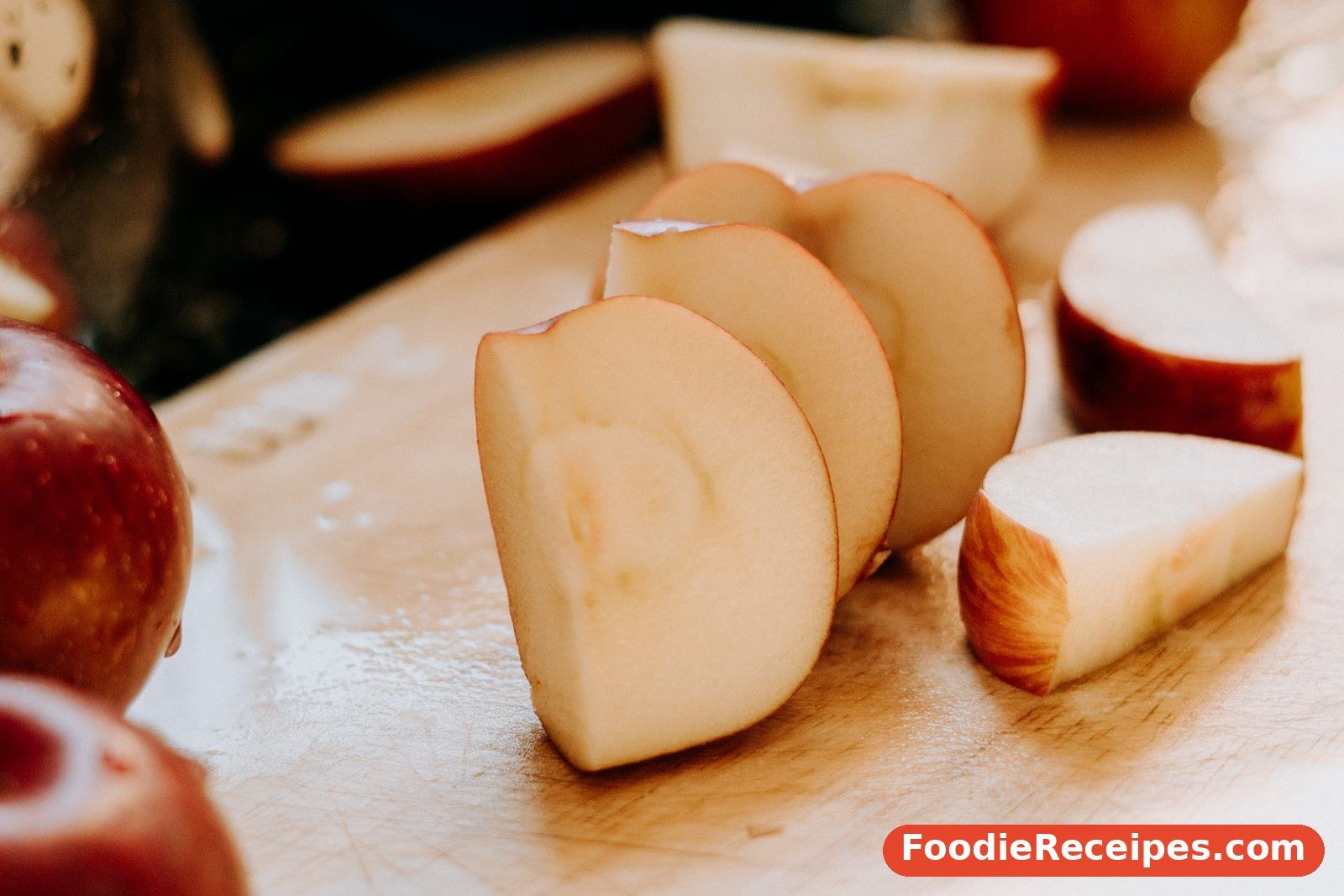
- Slice the apples (10 minutes). Peel, core and slice the apples into even ¼ inch (about 6 mm) slices. Even slices matter more than perfect slices: thin pieces cook through at the same rate, so you do not end up with crunchy apples hiding under a finished topping. If you are working slowly, drop the slices into a bowl of cold water with a squeeze of lemon to keep them from browning, then drain and pat dry before moving on.
- Mix the filling (3 minutes). In a large bowl, combine the apple slices, brown sugar, granulated sugar, flour, cinnamon, nutmeg, salt, lemon juice and vanilla. Toss gently with your hands or a big spoon until every slice is glossy and coated. The flour will thicken the juices as the crisp bakes, and the lemon keeps the flavor bright instead of flat and overly sweet. Pour the apples into the prepared dish and spread them into an even layer, scraping in every bit of the sugary juices from the bowl.
- Make the oat-free crumble (5 minutes). In a medium bowl, whisk together the flour, brown sugar, granulated sugar, cinnamon and salt. Scatter the cold butter cubes over the top. Using your fingertips, a pastry blender or two forks, work the butter into the flour mixture until it forms coarse crumbs — a mix of pea-sized bits and smaller sandy crumbs is perfect. Do not overwork it into a smooth dough; those irregular butter pieces are what bake into a crisp, flaky crumble. Stir in the pecans if you are using them.
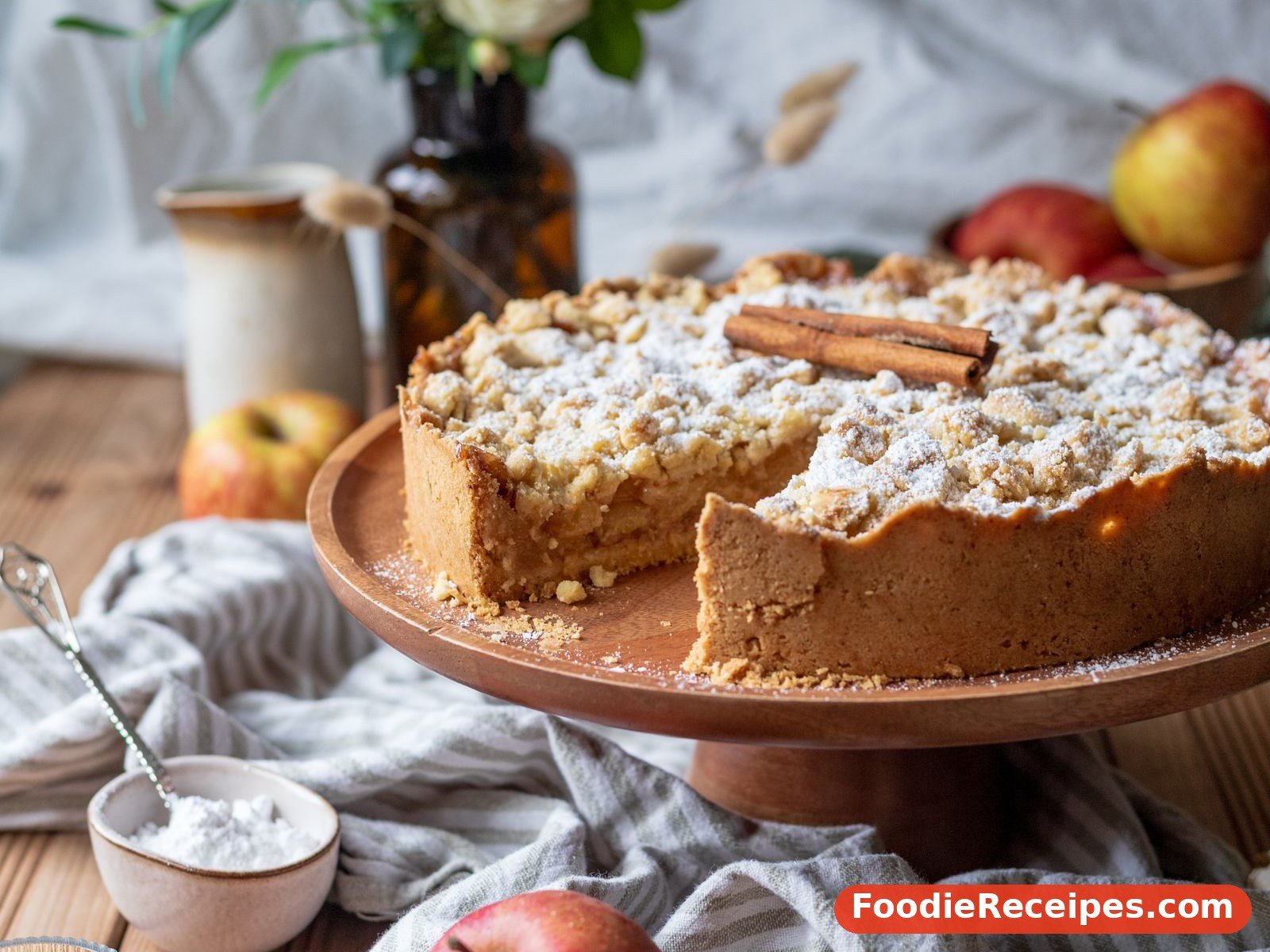
- Top the apples generously (2 minutes). Sprinkle the crumble evenly over the apples, covering them completely from edge to edge. Squeeze a few handfuls of the mixture gently as you go to form some larger clumps — those clumps bake into the crunchiest bites. Do not press the topping down flat; a loose, craggy surface crisps up best.
- Bake until bubbling and golden (40–45 minutes). Bake for 40 to 45 minutes, until the topping is deep golden brown and the filling is bubbling thickly around the edges and in the center. The bubbles should look slow and syrupy, not watery. If the topping browns too quickly in the last 10 minutes, tent the dish loosely with foil and finish baking.
- Rest before serving (15 minutes). Let the crisp rest on the counter for at least 15 minutes. This short rest lets the filling set into a glossy sauce instead of running all over the plate, and it saves everyone’s tongue from a molten first bite. The crisp will still be perfectly warm.
Tips for Perfect Results
- Choose the right apples. A mix of tart and sweet apples gives the best flavor. Granny Smith holds its shape and brings the tang; Honeycrisp, Fuji or Gala add sweetness. Avoid Red Delicious, which turns mealy and bland when baked.
- Keep the butter cold. Cold butter is the whole secret of a flour crumble. Warm butter melts into the flour and makes a paste that bakes up hard and greasy instead of crisp. If your kitchen is warm, chill the mixed crumble for 10 minutes before topping the apples.
- Do not slice the apples too thick. Thick chunks stay firm long after the topping is done. A ¼ inch slice softens into tenderness right on schedule.
- Watch for thick bubbles. Undercooking is the most common crisp mistake. The filling needs to bubble in the center, not just at the edges, so the flour can thicken the juices properly.
- Add a pinch of salt everywhere. Salt in both the filling and the topping keeps the sweetness in balance and makes the cinnamon and butter flavors pop.
- Double the topping for crumble lovers. If your family fights over the topping, make one and a half times the crumble. Nobody has ever complained about too much crumble.
Variations and Substitutions
Apple pear crisp. Replace half the apples with firm, ripe pears for a softer, honeyed filling. Pears cook a little faster, so check for bubbling at 35 minutes.
Salted caramel apple crisp. Drizzle ¼ cup (60 ml) of caramel sauce over the apples before adding the topping, and finish the baked crisp with a tiny pinch of flaky sea salt. It tastes like a county fair caramel apple in a bowl.
Spiced crumble. Add ¼ teaspoon of ground ginger and a pinch of ground cloves to the topping for a warmer, old-time spice flavor that pairs beautifully with the apples.
Gluten-free version. Swap the all-purpose flour in both the filling and the topping for a good 1:1 gluten-free baking flour blend. The crumble will be slightly more delicate but still crisp and golden.
Nut-free topping. Simply leave out the pecans. For extra crunch without nuts, sprinkle 1 tablespoon of coarse or turbinado sugar over the crumble before baking — it forms a sparkly, crisp crust.
Brown butter topping. For a deeper, toffee-like flavor, brown the butter first, chill it until solid again, then cut it into cubes and proceed. It takes extra time, but the flavor is remarkable.
What to Serve With
Vanilla ice cream is the classic partner — order a big scoop and let it melt into the warm crumble. Freshly whipped cream, lightly sweetened, is a close second and feels a little more old fashioned. For a cozy autumn dessert plate, serve the crisp alongside a mug of hot spiced cider or a cup of strong coffee. It also makes a wonderful ending to a Sunday pot roast dinner, a Thanksgiving spread when you want a second, easier pie alternative, or a simple weeknight supper of soup and bread where dessert is the star. Leftover crisp, warmed gently, has even been known to appear at breakfast next to a dollop of plain Greek yogurt — and nobody at the table complained.
Serving and Storage
Serve the crisp warm, spooned into bowls so you get plenty of filling and topping in every serving. A whole crisp serves 8 generously, though determined crisp lovers may argue it serves 6. Store leftovers covered in the refrigerator for up to 4 days. The topping will soften in the fridge, but you can bring back the crunch: reheat individual portions in a 350°F (175°C) oven for 10 to 12 minutes, or in an air fryer at 325°F (165°C) for 4 to 5 minutes. A quick microwave warm-up (45 to 60 seconds) works too, though the topping stays soft.
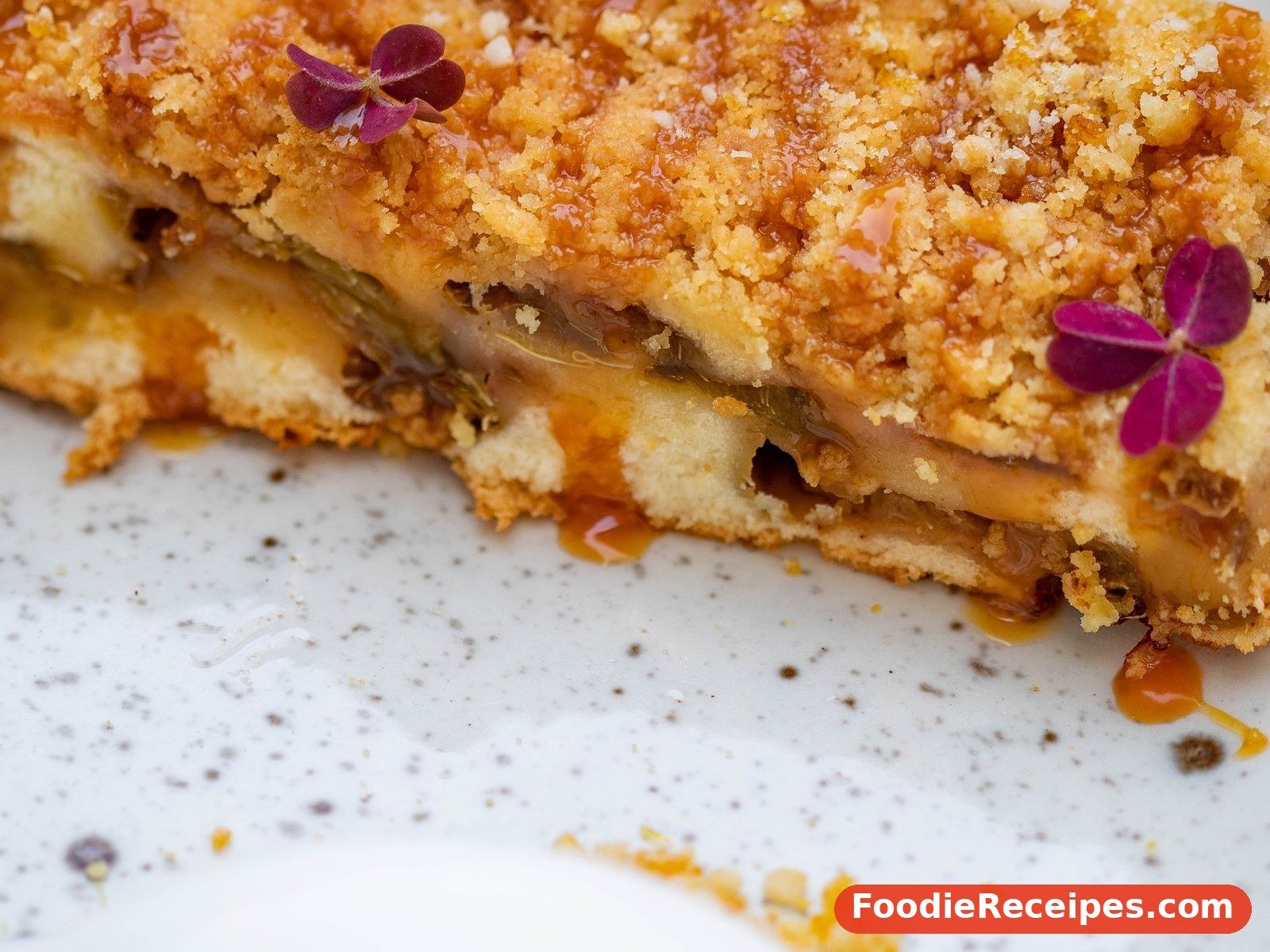
Apple crisp freezes surprisingly well. Bake it, cool it completely, wrap the dish tightly in foil and then plastic wrap, and freeze for up to 3 months. Thaw overnight in the refrigerator and reheat, covered with foil, at 350°F (175°C) for 20 to 25 minutes, then uncover for 5 minutes to re-crisp the top. You can also freeze the unbaked crisp and bake it from frozen at 375°F (190°C) for 55 to 65 minutes — a wonderful trick to have ready for unexpected company.
A Closer Look at Choosing Apples
Because apples are nearly the whole show in a crisp, it is worth spending a moment on choosing them well. A great baking apple has three qualities: it holds its shape in the heat instead of collapsing into sauce, it has enough acidity to taste like something after sugar and butter join the party, and its flesh is dense rather than spongy. Granny Smith is the benchmark for all three, which is why it anchors this recipe. Honeycrisp and Pink Lady bring sweetness with a firm bite, Fuji and Gala are mild and sweet, and Braeburn and Jonagold sit happily in the middle. The one common apple to avoid is Red Delicious — beautiful in a lunchbox, but its flesh turns mealy and its flavor washes out in the oven. McIntosh tastes wonderful but breaks down into applesauce; if you love its flavor, blend a couple in with firmer apples for a saucier filling rather than using them alone.
Mixing two or three varieties is the oldest trick in the orchard cook’s book, and it genuinely works: the tart apples keep the filling bright, the sweet ones round it out, and the slight differences in texture mean some slices stay distinct while others melt into the sauce. Buy apples that feel heavy for their size and have tight, unbruised skin. If you are baking in early autumn with fruit straight from an orchard, taste a slice first — freshly picked apples can be more tart than supermarket ones, and you may want an extra tablespoon of sugar in the filling.
One more practical note: a pound of apples (about 450 g) is roughly three medium apples, and this recipe’s 3 pounds (1.4 kg) will look like a mountain once sliced. That is correct. Apples shrink dramatically as they bake and release their juices, and a dish that looks overfilled before baking will settle into a perfect proportion of fruit to crumble by the time it comes out of the oven.
Common Mistakes to Avoid
- Melting the butter for the topping. Melted butter makes a paste, not crumbs, and the result bakes up dense and greasy. Cold, cubed butter, worked in quickly, is non-negotiable for a crisp flour crumble.
- Skipping the lemon juice. It seems minor, but without acid the filling tastes flat and candy-sweet. Lemon brightens the apples and balances the brown sugar.
- Cutting the apples unevenly. A mix of thick chunks and thin slivers means some pieces are mush while others are raw. Take the extra minute to slice evenly.
- Serving straight from the oven. The filling needs its rest to thicken. Ten to fifteen minutes is the difference between apple soup and a proper, glossy sauce.
- Storing it out on the counter overnight. Because the filling is moist and fruity, leftovers belong in the refrigerator, not under a tea towel on the counter.
Frequently Asked Questions
Why make apple crisp without oats?
Tradition, for one — the oldest crisp recipes used a flour crumble. A flour topping also bakes up finer, crunchier and more cookie-like than an oat topping, and it is a lifesaver for anyone who avoids oats or simply ran out of them.
Can I use only one kind of apple?
Yes. Granny Smith alone gives a pleasantly tart crisp; just add an extra tablespoon of sugar if you like it sweeter. Honeycrisp or Fuji alone make a sweeter, softer filling. The mix is best, but a single good baking apple still works well.
My topping came out soft instead of crisp. What happened?
Usually the butter was too warm, the crumble was pressed down, or the crisp was covered while hot so steam softened it. Use cold butter, keep the topping loose and craggy, and let the crisp cool uncovered.
Can I make apple crisp ahead of time?
Absolutely. Assemble the whole dish, cover and refrigerate it unbaked for up to 24 hours. Bake it straight from the fridge, adding about 5 extra minutes. Or bake it fully and reheat as described above.
Do I have to peel the apples?
Peeling gives the smoothest, most classic texture. If you prefer a more rustic crisp, you can leave the peels on — just wash the apples well and slice them thin. The filling will be a little chewier and more colorful.
Can I reduce the sugar?
You can cut the filling sugars by about one third if your apples are sweet, but do not reduce the topping sugar too much — it is part of what makes the crumble crisp and golden rather than pale and floury.
What size dish can I use instead of a 9 × 9?
A 9 × 13 inch (23 × 33 cm) dish works if you increase the recipe by half. A deep 10 inch (25 cm) cast iron skillet is also lovely and goes straight from oven to table — just watch the bake time, as cast iron holds heat and can brown the edges faster.
Warm, buttery and full of cinnamon-spiced apples, this old fashioned apple crisp without oats proves that the simplest recipes often last the longest. Keep a bag of apples on the counter and this recipe in your back pocket, and you are never more than an hour away from one of the coziest desserts in the American kitchen.