

Every home baker eventually acquires a banana bread recipe that becomes theirs — the one written on a splattered card, made so often the measurements live in memory, and requested by family members by name. This is that recipe. It is the classic American banana bread in its best form: a golden, high-risen loaf with a crackly top, a crumb so moist it stays tender for days, and a deep, honest banana flavor — and its secret is a generous scoop of sour cream.
Sour cream is the ingredient that separates good banana bread from great banana bread. It adds moisture that oil alone cannot match, a gentle tang that keeps the sweetness in balance, and an acidity that works with the baking soda to give the loaf a beautiful, even rise. The result is a bread that slices cleanly, toasts like a dream, and genuinely improves on the second day as the flavors meld.
This recipe also solves the eternal banana bread question — what to do with those three blackening bananas on the counter — with maximum deliciousness and minimum fuss. One bowl for wet, one for dry, a gentle stir, and an hour in the oven. If you have never baked banana bread before, start here: it is famously forgiving, and we will walk you through every detail, from choosing bananas to testing doneness to keeping the loaf moist all week.
Serves: 10 slices | Prep time: 15 minutes | Cook time: 55–65 minutes | Cooling time: at least 30 minutes before slicing | Total time: about 1 hour 45 minutes
Why Sour Cream Makes This the Moistest Banana Bread
Banana bread has one recurring flaw in lesser recipes: it dries out. Lovely on day one, it turns crumbly and stale-tasting by day three. Sour cream fixes that problem at its root, in three ways.
Fat plus moisture, in one ingredient. Sour cream is mostly water and milkfat, so it moistens the crumb while enriching it — the same reason sour cream coffee cakes and pound cakes stay tender for days. Every slice of this loaf stays soft from the first cut to the last.
Acidity that lifts. Sour cream is tangy because it is acidic, and that acid reacts with the baking soda in the batter to produce a fine, even rise. It also gently tenderizes the flour’s gluten, which is insurance against a tough loaf even if your stirring hand is a little enthusiastic.
Flavor balance. Straight banana-and-sugar sweetness can taste flat and one-dimensional. The subtle tang of sour cream rounds it out — you will not taste “sour” in the finished bread, but you will notice the banana flavor tastes deeper and the whole loaf tastes richer. Full-fat sour cream gives the best result; low-fat versions work but produce a slightly less tender crumb. Greek yogurt is the one substitute that performs nearly identically (see Variations).
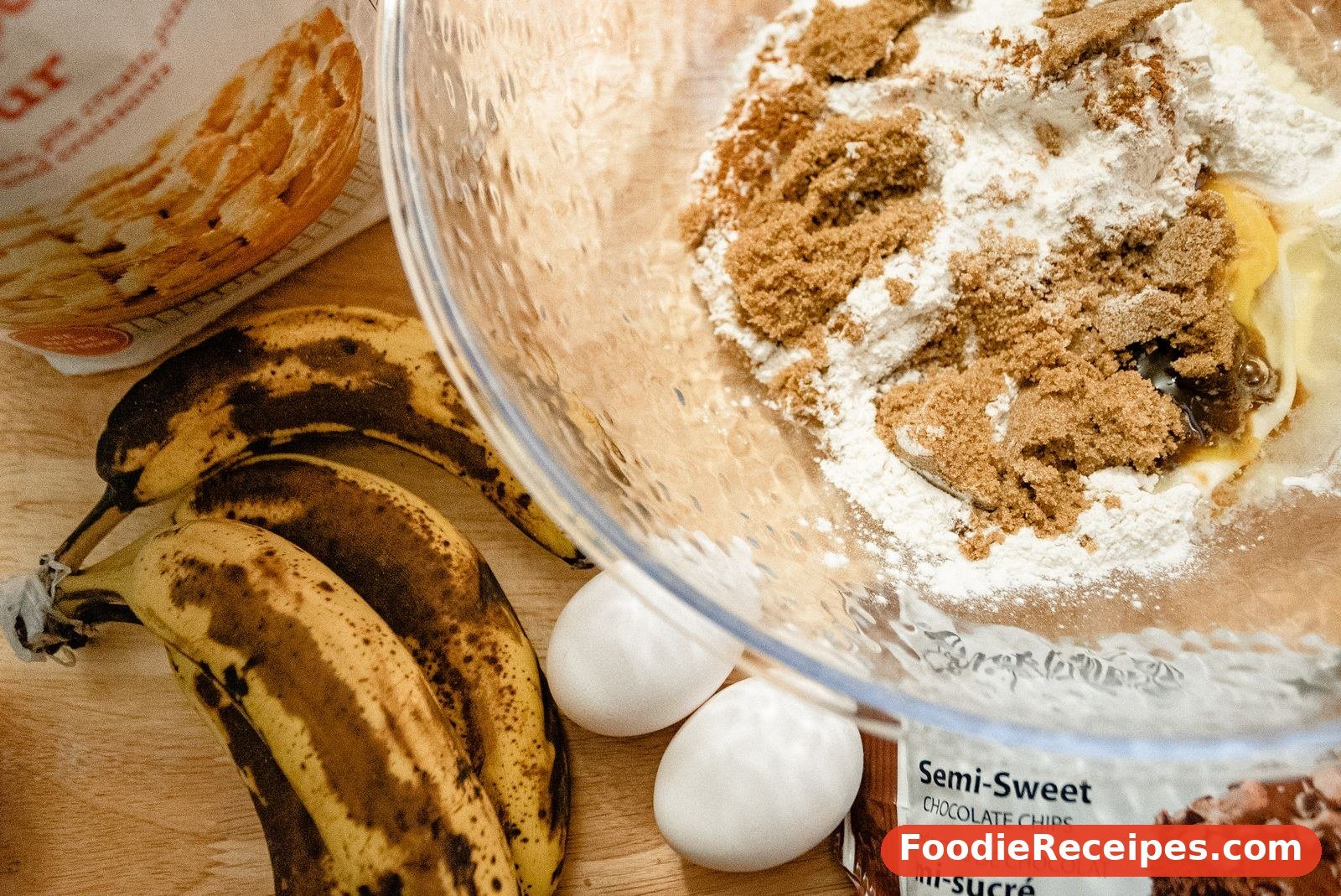
Ingredients
- 3 very ripe medium bananas (about 1½ cups / 340 g mashed) — skins heavily speckled or mostly black
- ½ cup (113 g / 1 stick) unsalted butter, melted and slightly cooled (or ½ cup / 120 ml neutral oil)
- ¾ cup (150 g) granulated sugar
- ¼ cup (55 g) packed light brown sugar
- 2 large eggs (about 100 g without shells), at room temperature
- ½ cup (120 g) full-fat sour cream, at room temperature
- 1½ teaspoons (7 ml) pure vanilla extract
- 1¾ cups (220 g) all-purpose flour, spooned and leveled
- 1 teaspoon (5 g) baking soda
- ½ teaspoon (3 g) fine sea salt
- 1 teaspoon (3 g) ground cinnamon
- ¼ teaspoon ground nutmeg (optional)
Optional add-ins
- ¾ cup (90 g) chopped walnuts or pecans, toasted for the best flavor
- ¾ cup (130 g) semi-sweet chocolate chips
- 1 tablespoon coarse sugar, for a crackly top
About the bananas: “Very ripe” is doing real work in this recipe. The bananas should be well past the eating stage — yellow skins dense with brown spots, or even fully black. As bananas ripen, their starch converts to sugar and their flavor concentrates; underripe bananas make a bland, slightly gummy loaf no matter how good the recipe is. If your bananas are ripe but you are not ready to bake, peel and freeze them — thawed frozen bananas mash beautifully and release extra sweet liquid that belongs right in the batter. Three medium bananas are the target (about 340 g peeled); if yours are large, measure the mash and use 1½ cups (340 g).
Step-by-Step Method
- Preheat and prepare the pan. Preheat your oven to 350°F (175°C). Grease a 9×5-inch (23×13 cm) loaf pan and line it with a parchment paper sling — a strip of parchment that covers the bottom and overhangs the two long sides. The sling lets you lift the finished loaf out cleanly in one motion.
- Mash the bananas (2 minutes). In a large mixing bowl, mash the bananas with a fork or potato masher until mostly smooth with some small lumps remaining. A few lumps are welcome — they bake into little pockets of intense banana flavor. Completely smooth purée (from a blender) makes a denser loaf, so mash by hand.
- Add the wet ingredients (3 minutes). Whisk the melted butter into the mashed bananas. Add the granulated sugar, brown sugar, eggs, sour cream, and vanilla, and whisk until the mixture is smooth and uniform. Room-temperature eggs and sour cream blend in without streaks and help the loaf rise evenly.
- Add the dry ingredients (1 minute — gently). Sprinkle the flour, baking soda, salt, cinnamon, and nutmeg evenly over the banana mixture. Using a spatula, fold just until no dry flour remains — about 15–20 gentle strokes. The batter will be thick and lumpy, and that is correct. If you are using nuts or chocolate chips, fold them in with the final few strokes. Overmixing from this point is the one true way to ruin banana bread: it develops gluten and turns a tender loaf tough and rubbery.
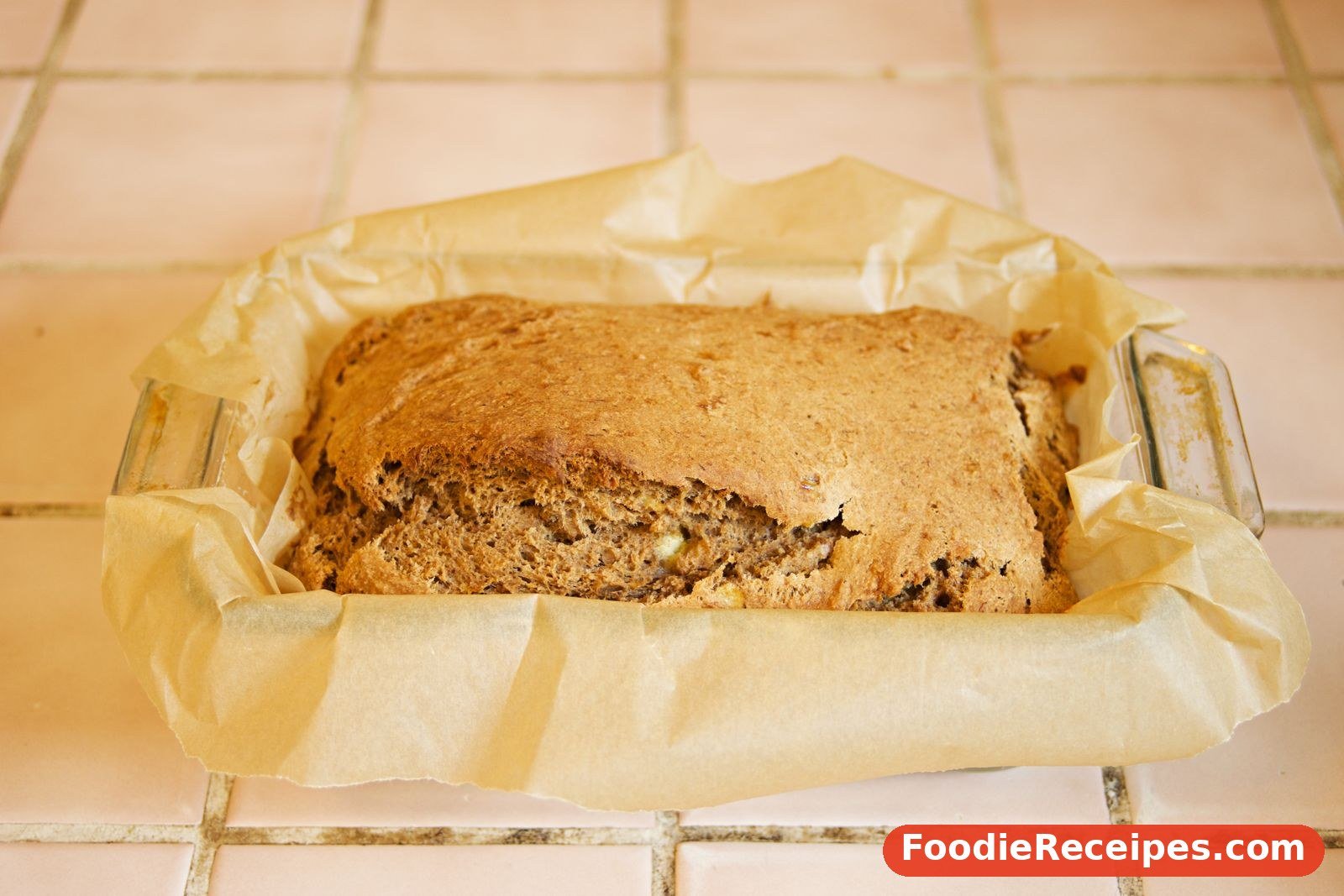
- Fill the pan and top. Scrape the batter into the prepared pan and smooth the top. If you like a crackly, bakery-style top, sprinkle with the coarse sugar. For the classic center crack, run a butter knife dipped in oil or melted butter in a shallow line down the center of the batter — the loaf will split neatly along it as it rises.
- Bake (55–65 minutes). Bake on the center rack for 55 to 65 minutes, until the loaf is deeply golden, risen, and pulling very slightly away from the sides of the pan. Test for doneness with a toothpick or thin skewer inserted into the center: it should come out clean or with a few moist crumbs, never wet batter. If the top is browning too quickly while the center is still wet (common with dark pans), tent loosely with foil for the final 15 minutes. An instant-read thermometer in the center should read about 200°F–205°F (93°C–96°C).
- Cool properly (at least 30 minutes). Let the loaf cool in the pan for 15 minutes, then use the parchment sling to lift it onto a wire rack. Cool for at least 30 minutes total before slicing — warm banana bread is fragile and gummy when cut too soon because the crumb is still setting. Slice with a serrated knife using a gentle sawing motion for clean, thick slices.
Tips for Perfect Results
- Ripe bananas are non-negotiable. If your bananas are merely yellow, wait two days, or speed-ripen them: bake unpeeled bananas on a tray at 300°F (150°C) for 15–20 minutes until the skins turn black and the fruit is soft. Cool before mashing.
- Measure flour correctly. Spoon it into the cup and level it off, or weigh 220 g. A packed, scooped cup can add enough flour to make the loaf dry — the very flaw this recipe exists to prevent.
- Do not overmix. Twenty gentle folds, maximum. Lumps are fine; streaks of dry flour are not. Everything in between is perfect banana bread batter.
- Dark pans bake faster. If your loaf pan is dark metal or glass, reduce the oven temperature by 25°F (to 325°F / 165°C) to keep the crust from over-browning before the center sets.
- Toothpick in the very center. The center is the last place to finish. Test there, not near the edges, and re-test after 5 more minutes if you see wet batter.
- The second day is the best day. Wrapped tightly, the loaf’s flavor deepens and the crumb settles into its moistest texture overnight. If you can bear to wait, bake it the day before you plan to serve it.
- Toasted nuts make a difference. Five minutes in a 350°F (175°C) oven transforms walnuts or pecans from soft additions into fragrant, crunchy ones. Toss them in a teaspoon of the flour so they stay suspended in the batter instead of sinking.
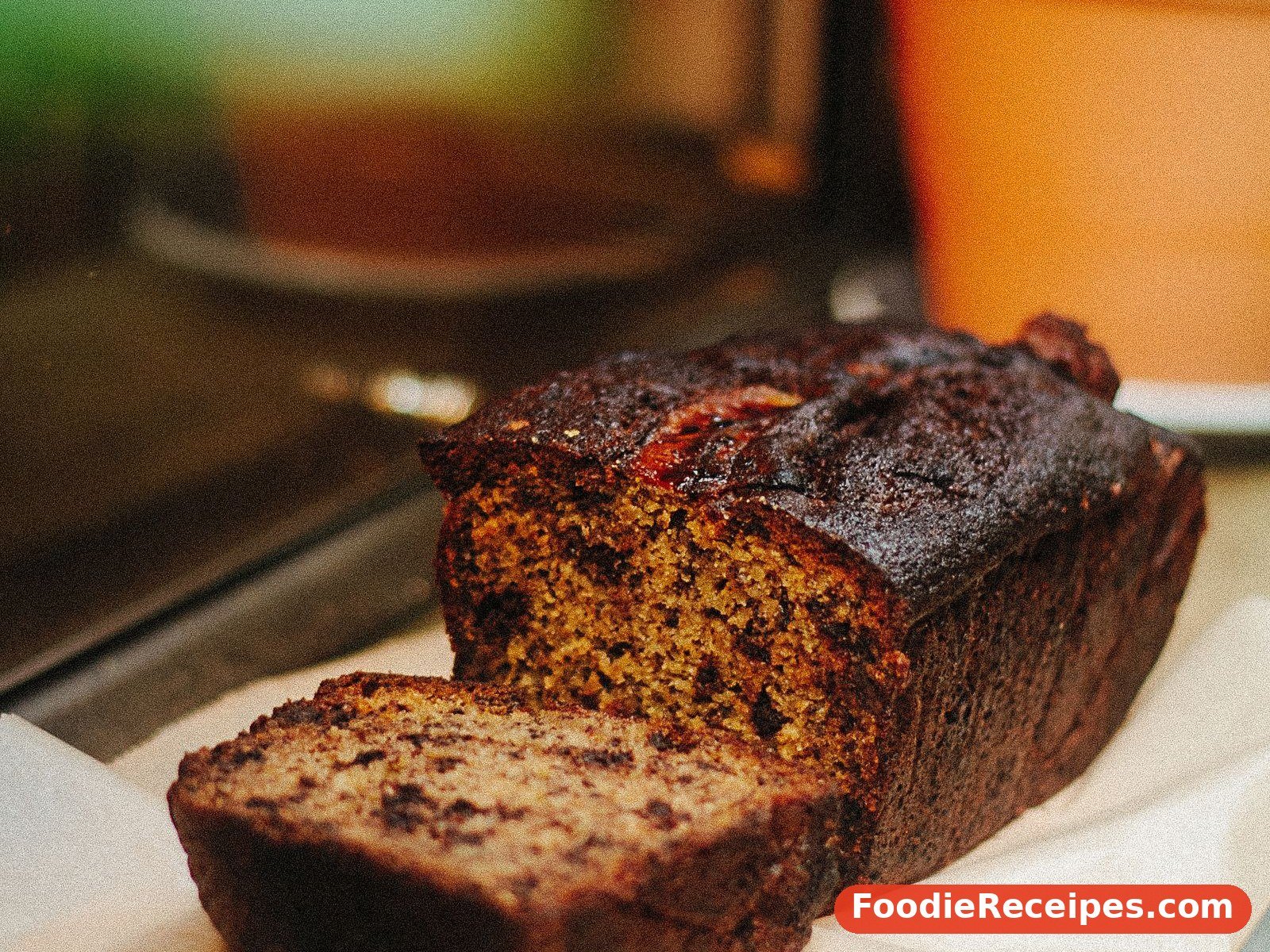
Variations and Substitutions
Greek yogurt swap: Replace the sour cream with the same amount (½ cup / 120 g) of full-fat Greek yogurt. The loaf will be a touch lighter and equally moist — the closest of all substitutes.
Chocolate chip banana bread: Fold in the chocolate chips and reduce the granulated sugar to ⅔ cup (135 g) to keep the sweetness balanced. A favorite with kids and bake sales alike.
Banana nut classic: Fold in the toasted walnuts or pecans and sprinkle a few extra on top before baking for the traditional coffee-shop look.
Marbled banana bread: Swirl ½ cup (about 90 g) of the batter mixed with 1 tablespoon of cocoa powder through the pan in ribbons before baking. Beautiful slices, gentle chocolate flavor.
Banana muffins: Divide the batter among 12 lined muffin cups and bake at 350°F (175°C) for 20–24 minutes. Everything else stays the same.
Spiced loaf: Double the cinnamon, add ¼ teaspoon each of ground ginger and cloves, and you have a loaf that tastes like autumn. Wonderful toasted with butter.
Dairy-free: Use oil instead of butter and a dairy-free sour cream alternative (or coconut yogurt). The crumb stays moist; the flavor shifts slightly but pleasantly.
What to Serve With
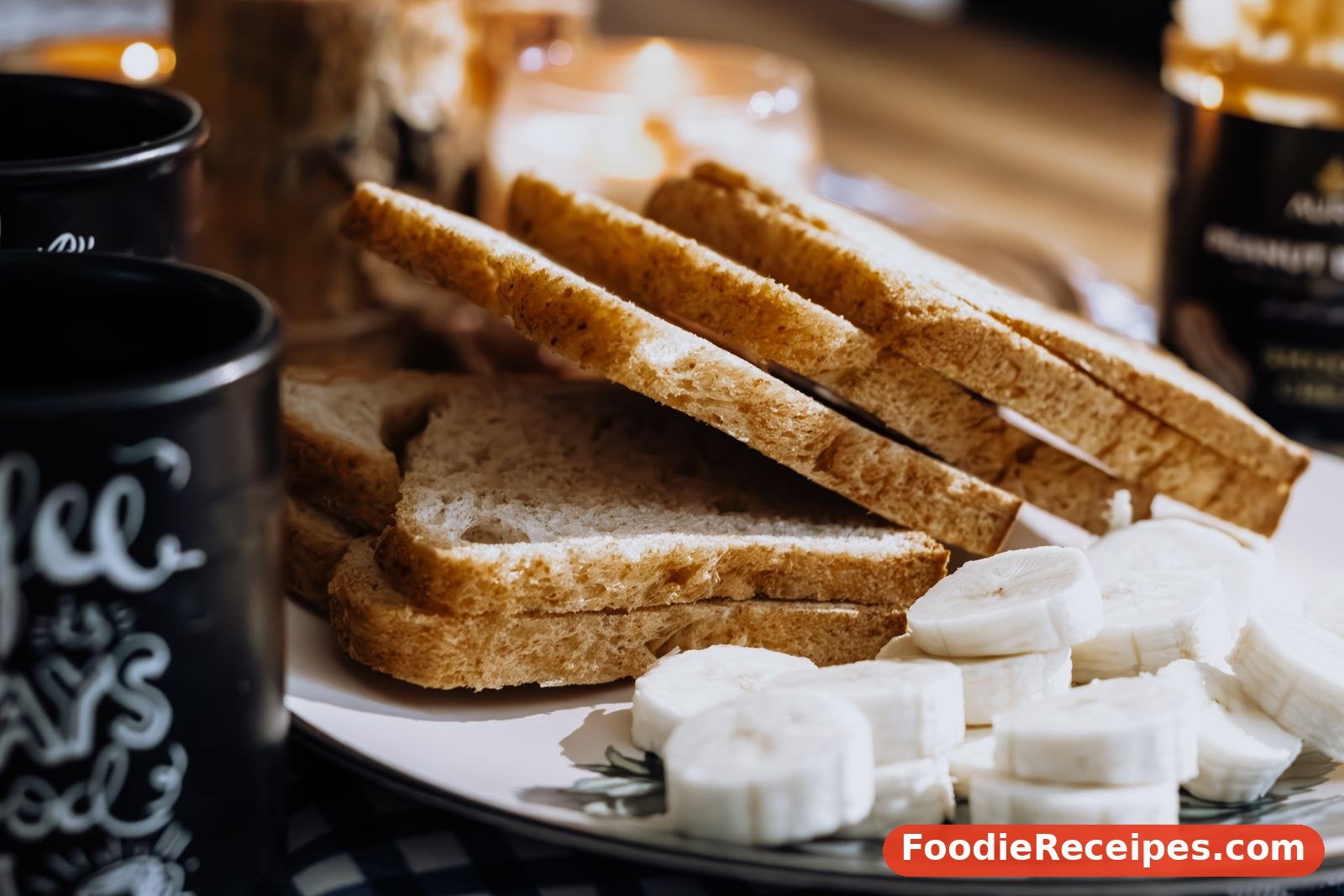
A thick slice of this banana bread needs very little help: a smear of soft butter and a cup of coffee is the classic serving, and it is hard to beat. For breakfast, serve it toasted alongside scrambled eggs and fruit. For an afternoon treat, warm a slice and add a scoop of vanilla ice cream or a dollop of whipped cream and it becomes dessert. It also makes a wonderful base for a brunch board — slices of banana bread fanned out with berries, yogurt, and a small bowl of honey butter for spreading. Kids love it in lunchboxes, and a loaf wrapped in parchment and tied with string is one of the nicest neighbor gifts in the home-baking repertoire.
Serving and Storage
Serve at room temperature or lightly toasted, in thick slices. A serrated knife and a gentle sawing motion give the cleanest cuts without squashing the tender crumb.
Room temperature: Wrapped tightly in plastic wrap or stored in an airtight container, the loaf keeps beautifully for up to 3 days — and honestly improves on day two. Keep it out of the refrigerator if you will eat it within that window; refrigeration dries quick breads faster than the counter does.
Refrigerator: Up to 1 week, well wrapped. Bring slices to room temperature or warm them briefly before serving to restore the tender texture.
Freezer: Banana bread freezes exceptionally well for up to 3 months. Freeze the whole loaf double-wrapped, or freeze individual slices separated by parchment so you can thaw one at a time. Thaw slices at room temperature for about 30 minutes, or toast them straight from frozen — toasted frozen banana bread is a genuinely great breakfast.
Reheating: A 10–15 second microwave warm-up softens a slice; 5 minutes in a 300°F (150°C) oven restores the edges. Toasting in a toaster or a buttered skillet gives crisp, caramelized surfaces that contrast beautifully with the moist middle.
Frequently Asked Questions
My bananas are not ripe enough. Can I still make this today?
You can, with the oven trick: bake the unpeeled bananas at 300°F (150°C) for 15–20 minutes until the skins are black and the fruit soft. The flavor will be slightly less deep than naturally ripened bananas, but the bread will be sweet and properly banana-flavored — far better than using firm yellow bananas as-is.
Why did my banana bread sink in the middle?
Usually it was underbaked, the oven door was opened repeatedly during the rise, or there was too much banana or leavening. Measure the mash (1½ cups / 340 g), test the center with a toothpick, and keep the door closed for the first 40 minutes.
Why is my banana bread dry when this recipe promises moist?
Check three things: flour measurement (too much is the usual cause), overbaking (pull it when the toothpick shows moist crumbs, not when it is bone dry), and overmixing (which toughens the crumb so it seems dry). Full-fat sour cream, correctly measured, delivers the moisture.
Can I use frozen bananas?
Yes — they are ideal. Thaw them in a bowl (they will release liquid as they thaw), and add the bananas and all their liquid to the batter. That liquid is concentrated banana flavor and sweetness. Mash as usual.
Can I reduce the sugar?
You can reduce the total sugar to ¾ cup (150 g) and still have a pleasant loaf, though it will brown a little less and taste more plainly of banana. Below that, the texture starts to suffer, since sugar also keeps the crumb tender.
How do I know the loaf is really done in the center?
A toothpick in the exact center should come out clean or with a few moist crumbs, and the internal temperature should read about 200°F–205°F (93°C–96°C). The top should feel firm and springy, not soft and wet, when pressed gently.
Can I make this without sour cream or yogurt?
You can substitute ½ cup (120 ml) of buttermilk, which keeps the acidity though the loaf will be slightly less rich. Regular milk alone is the weakest option — if it is all you have, add 1 teaspoon of lemon juice to it and expect a slightly denser (still tasty) loaf.
Should I use butter or oil?
Butter gives the classic flavor; oil gives a slightly moister crumb that stays soft longest. Half and half — ¼ cup (57 g) butter plus ¼ cup (60 ml) oil — gives you both. The recipe works cleanly with any of the three.
A Final Word From Our Kitchen
There is a reason banana bread has been America’s favorite quick bread for generations: it forgives beginners, welcomes variations, perfumes the whole house, and turns three forgotten bananas into the best snack of the week. With sour cream in the batter, this version stays moist and tender for days — if your household lets it last that long. Bake it once, and do not be surprised when it becomes the recipe you are known for.