

Some recipes earn a permanent place in the family rotation, and this is one of them. This easy breakfast casserole takes the best parts of a hearty morning — flaky, buttery crescent rolls, savory browned sausage, fluffy eggs, and a blanket of melted cheese — and layers them into a single baking dish. It is the kind of recipe you make for Christmas morning, for overnight guests, for church brunches and baby showers, and then again on an ordinary Saturday just because everyone asked for it.
What makes this casserole so beloved is the effort-to-reward ratio. The crescent roll dough does the work of an entire crust — no mixing, no rolling, no fuss — and bakes up golden and tender underneath the filling. The sausage cooks in one skillet. The eggs whisk together in one bowl. Fifteen minutes of simple assembly, one trip to the oven, and you have a hot, satisfying breakfast that feeds a table full of people and makes you look like you planned it for days.
It is also wonderfully flexible. Assemble it the night before and bake it in the morning, or make it start to finish in under an hour. Add peppers and onions, swap the cheese, use spicy sausage, fold in vegetables — the base recipe welcomes them all. Let us walk you through it step by step, with all the tips that keep the crust crisp, the eggs fluffy, and the slices neat.
Serves: 8 people | Prep time: 15 minutes | Cook time: 30–35 minutes | Resting time: 5–10 minutes | Total time: about 55 minutes (or assemble ahead and refrigerate overnight)
Why Crescent Rolls Make the Perfect Casserole Base
Plenty of breakfast casseroles are built on bread cubes, hash browns, or biscuit dough — all good. But crescent roll dough has a few advantages that make it the easiest and, many cooks argue, the tastiest base of all.
First, it is a true shortcut that does not taste like one. A refrigerated tube of crescent dough unrolls into a ready-made sheet of buttery, layered pastry. Pressed into the bottom of a baking dish, it bakes into a crust that is tender on top and lightly crisp on the bottom, with a rich flavor that plain bread cannot match.
Second, it creates a sealed layer. Bread cubes soak up egg mixture unevenly, but a continuous sheet of crescent dough forms a barrier: the egg custard sits on top and bakes into a fluffy layer instead of disappearing into the base. The result is distinct, beautiful layers — flaky crust, savory sausage, soft egg, melted cheese — in every slice.
Third, it behaves predictably. Crescent dough bakes at the same pace as the egg layer, needs no pre-baking in this recipe, and does not get soggy when you follow one simple rule: do not drown it. The measurements below are calibrated so the custard sets up fluffy rather than pooling — and if you are ever nervous about a soft bottom, we include an optional 5-minute pre-bake trick in the Tips.

Ingredients
- 1 can (8 oz / 226 g) refrigerated crescent roll dough (8 rolls), or one crescent dough sheet
- 1 lb (450 g) bulk pork breakfast sausage (mild or hot)
- 8 large eggs (about 400 g without shells)
- ¾ cup (180 ml) whole milk (or half-and-half for a richer casserole)
- ½ teaspoon fine sea salt
- ½ teaspoon freshly ground black pepper
- ½ teaspoon garlic powder
- ¼ teaspoon smoked paprika (optional, lovely color and warmth)
- 2 cups (225 g) shredded cheese — sharp cheddar is classic; a cheddar and Monterey Jack blend melts beautifully
- 2 green onions, thinly sliced (optional, for garnish)
- Butter or nonstick spray, for greasing the dish
Optional add-ins
- ½ cup (75 g) finely diced bell pepper, any color
- ½ small yellow onion (about 60 g), finely diced
- 1 cup (30 g) fresh baby spinach, roughly chopped
- 4 oz (115 g) mushrooms, sliced and sautéed until their liquid cooks off
- A dash of hot sauce whisked into the eggs
About the sausage: Bulk breakfast sausage is easiest, but links work too — just cook them and crumble or slice. Pre-cooked sausage crumbles from the freezer aisle are a legitimate weeknight shortcut; thaw them and skip the browning step (though you lose the flavorful drippings, so add a teaspoon of butter to the dish if you like). Italian sausage, turkey sausage, and even crumbled bacon or diced ham (about 2 cups / 300 g) can stand in — see Variations for more ideas.
Step-by-Step Method
- Preheat and prepare the dish. Preheat your oven to 375°F (190°C). Lightly grease a 9×13-inch (23×33 cm) baking dish with butter or nonstick spray.
- Brown the sausage (7–8 minutes). In a large skillet over medium-high heat, cook the sausage, breaking it into small crumbles, until deeply browned and cooked through, about 7 to 8 minutes. If you are using bell pepper and onion, add them for the last 4 minutes so they soften in the sausage drippings. Drain off the excess fat — leaving about a teaspoon in the pan for flavor is fine, but a pool of grease will make the casserole heavy. Set the sausage aside.
- Lay the crescent crust. Unroll the crescent dough and press it into the bottom of the prepared dish, stretching it gently to cover the base and pinching the perforated seams together firmly so it forms one continuous sheet. Press it about ½ inch (1 cm) up the sides of the dish to create a shallow rim that will hold the filling. (Using a crescent dough sheet? Simply unroll and press — no seams to pinch.)
- Layer the sausage and cheese. Scatter the cooked sausage evenly over the dough. Sprinkle about three-quarters of the shredded cheese over the sausage; reserve the rest for the top.
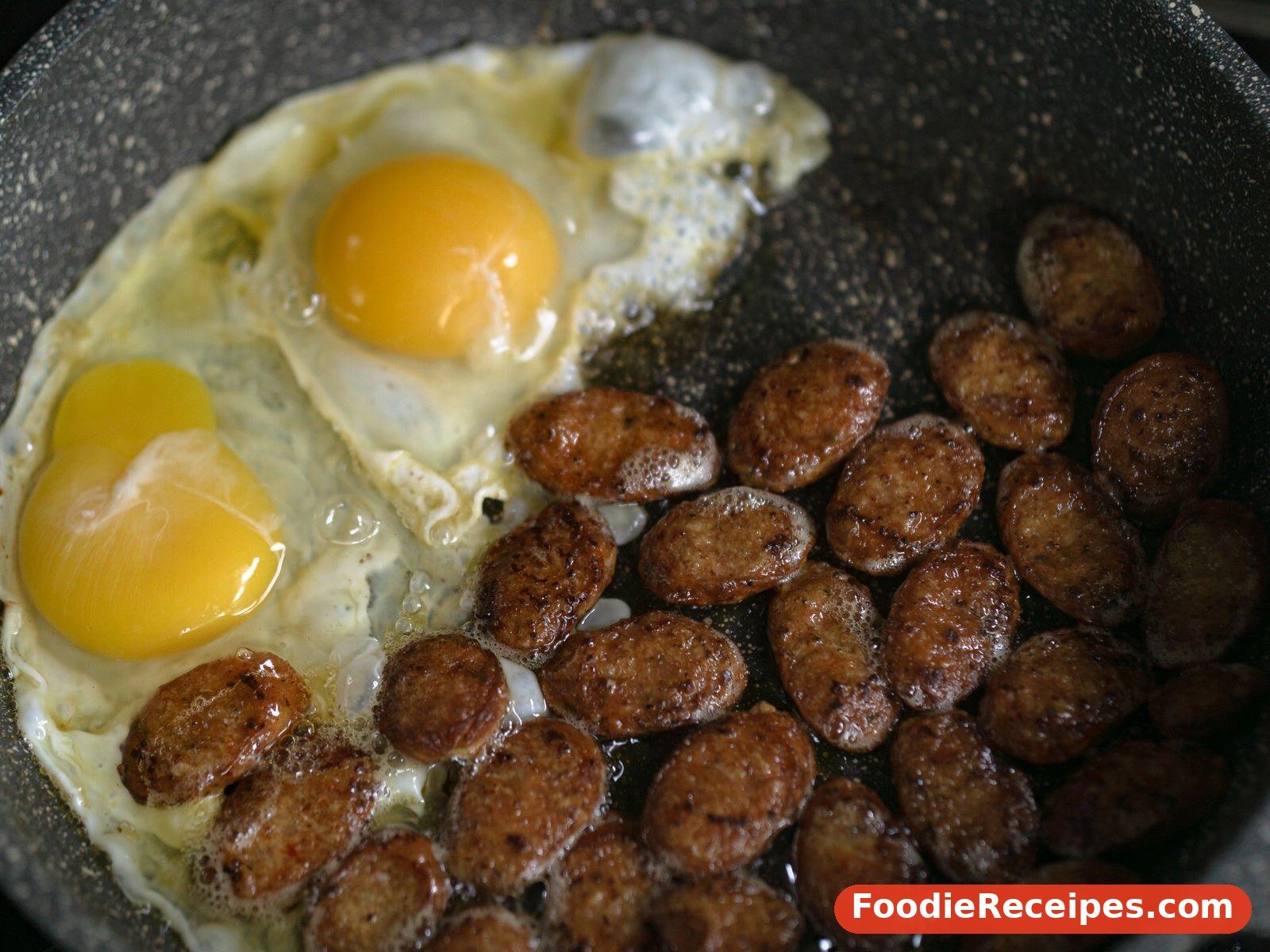
- Whisk and pour the eggs. In a large bowl, whisk the eggs, milk, salt, pepper, garlic powder, and paprika until completely uniform — no streaks of white or yolk remaining. Pour the egg mixture slowly and evenly over the sausage and cheese. Give the dish a gentle shake so the custard settles into the gaps. Sprinkle the remaining cheese over the top.
- Bake (30–35 minutes). Bake until the casserole is puffed and golden, the cheese is melted and lightly browned in spots, and the center is just set — it should jiggle only slightly when you nudge the dish, and a knife inserted in the center should come out clean. An instant-read thermometer in the center should read 185°F–190°F (85°C–88°C). If the top is browning too quickly, tent loosely with foil for the final minutes.
- Rest, garnish, and slice (5–10 minutes). Let the casserole rest for 5 to 10 minutes before slicing. This rest is important: it lets the egg layer firm up so you can cut clean squares instead of scooping a slump. Scatter the sliced green onions over the top, cut into 8 generous squares, and serve hot.
Tips for Perfect Results
- The optional pre-bake insurance: If your household likes a crisper bottom crust, bake the crescent base alone for 5 minutes at 375°F (190°C) before adding the fillings. Let it cool for 2 minutes, then proceed. It firms the dough and guarantees a sturdy base for clean slices.
- Drain the sausage well. Excess grease is the number one cause of a heavy, oily casserole. Drain it, and blot with a paper towel if your sausage was especially fatty.
- Room-temperature eggs whisk smoother and bake more evenly, but this recipe is forgiving — straight from the fridge works if you whisk a little longer.
- Freshly shredded cheese melts better than pre-shredded, whose anti-caking coating can make the top layer slightly grainy. If you have two minutes, grate your own.
- Do not overbake. Eggs go from silky to rubbery quickly. Pull the casserole when the center is just set with a slight jiggle — carryover heat finishes the job during the rest.
- Season confidently. Sausages vary in saltiness, so if yours is mild, the eggs may need the full measure of salt. Taste your sausage as it browns to calibrate.
- Cut with a sharp knife, wiping the blade between cuts, for neat bakery-style squares.

Variations and Substitutions
Spicy Southwest: Use hot sausage, pepper Jack cheese, a diced jalapeño in the egg mixture, and serve with salsa and sour cream. A pinch of cumin in the eggs ties it together.
Ham and Swiss: Swap the sausage for 2 cups (300 g) diced cooked ham and the cheddar for shredded Swiss or Gruyère. Add a teaspoon of Dijon mustard to the eggs. Elegant enough for a fancy brunch.
Vegetable garden: Skip the meat and load the base with sautéed mushrooms, spinach (squeezed dry), bell peppers, and onions with a full 2 cups (225 g) of cheese. Sautéing the vegetables first is essential — raw vegetables release water and make the eggs weep.
Bacon and cheddar: Replace the sausage with 10 slices of bacon, cooked crisp and crumbled. A diner classic in casserole form.
Turkey sausage light version: Use lean turkey breakfast sausage and low-fat milk, and reduce the cheese to 1½ cups (170 g). Still hearty, noticeably lighter.
Everything bagel twist: Sprinkle 1 tablespoon of everything bagel seasoning over the cheese before baking. It sounds like a gimmick and tastes like a revelation.
Mini casseroles: Press small squares of crescent dough into a greased muffin tin, fill with sausage, egg, and cheese, and bake for 16–19 minutes. Perfect individual portions for brunches and for kids.
What to Serve With
This casserole is a complete breakfast on its own — protein, eggs, cheese, and a buttery crust — so sides can stay simple. A big fresh fruit salad or a bowl of melon and berries is the classic companion, cutting the richness with something bright. Crispy hash browns or breakfast potatoes are welcome if appetites are large. For brunch, add a green salad with a sharp vinaigrette later in the meal, plus coffee, orange juice, and maybe a plate of muffins for the sweet tooths. Hot sauce and ketchup on the table let everyone season their own square.
Serving and Storage
Serve hot from the oven, cut into squares, straight from the dish. The casserole holds its heat well under a loose tent of foil for about 20 minutes, which makes it ideal for buffet-style brunches.
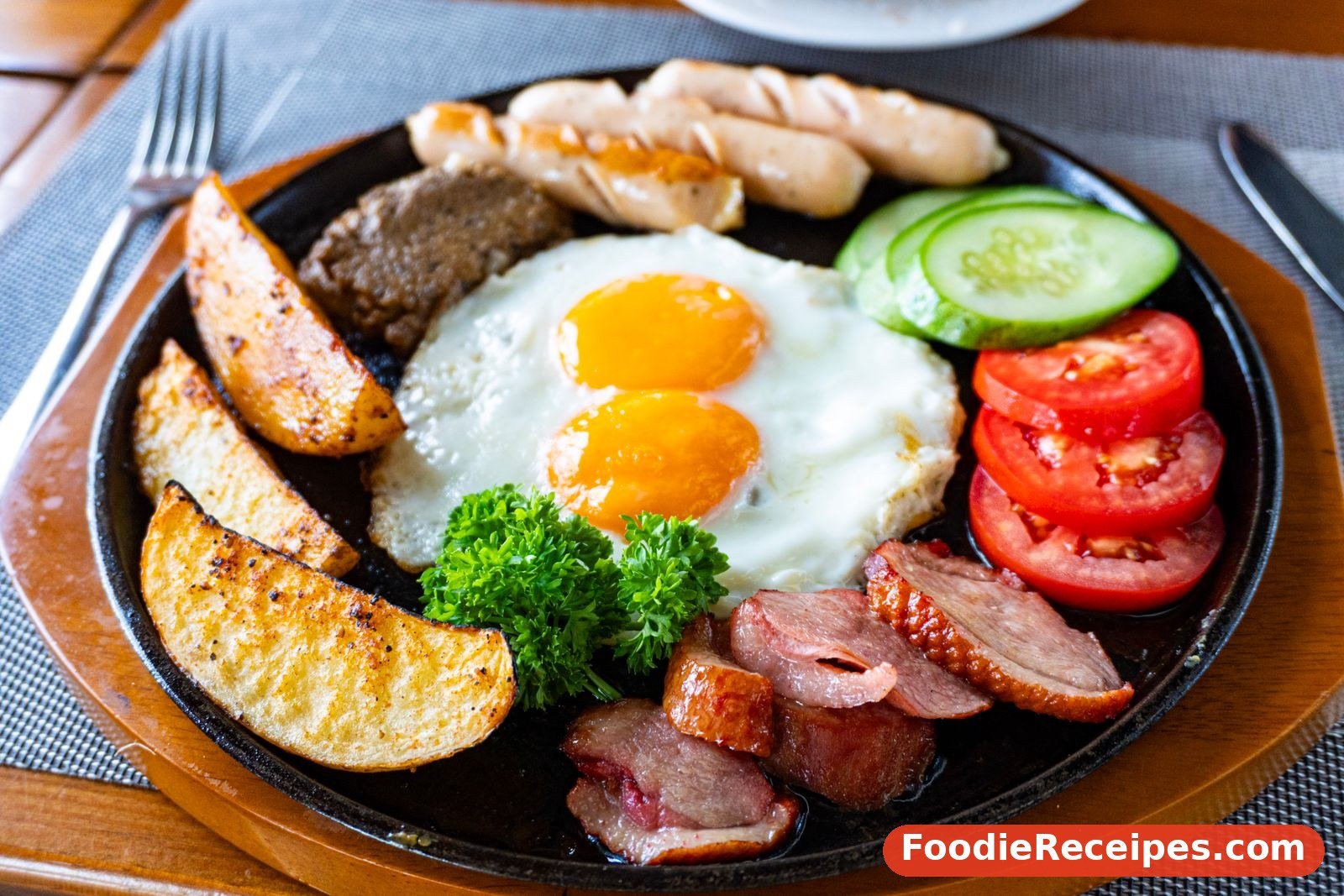
Make ahead (the overnight method): Assemble the casserole completely — crust, sausage, cheese, and egg mixture — cover tightly, and refrigerate for up to 12 hours. In the morning, let it sit on the counter for 20 minutes while the oven preheats, then bake as directed, adding about 5 minutes to the bake time. This is the holiday-morning move, and it works beautifully because the crescent base is resilient enough not to go soggy overnight.
Refrigerator: Leftovers keep for up to 3 days in an airtight container.
Freezer: Baked casserole freezes well for up to 2 months. Cool completely, wrap individual squares or the whole dish tightly, and freeze. Thaw overnight in the refrigerator before reheating.
Reheating: Warm slices in a 350°F (175°C) oven for 10–12 minutes, which restores some crispness to the crust. The microwave (1–2 minutes per square) is faster and still tasty, though the base will be softer. An air fryer at 350°F (175°C) for 4–5 minutes gives the crispiest revival of all.
A Note on Cheese Choices
Cheese does more work in this casserole than simply tasting good — it binds the top layer, adds richness to the eggs, and helps the squares hold together when sliced. Sharp cheddar is the classic choice because its assertive flavor stands up to the sausage. Monterey Jack and Colby melt more smoothly and taste milder, which many families prefer for kids. A combination — half sharp cheddar for flavor, half Jack for melt — is our favorite compromise. Smoked Gouda adds a wonderful campfire depth, and pepper Jack brings gentle heat without any extra effort. Whatever you choose, buy a block and shred it yourself if you can: it melts silkier, browns more attractively, and a 2-cup (225 g) portion takes only a couple of minutes at the box grater.
Frequently Asked Questions
Can I assemble this casserole the night before?
Yes — it is one of its best features. Assemble everything, cover, and refrigerate up to 12 hours. Let it warm on the counter for 20 minutes while the oven heats, and add about 5 minutes to the baking time.
Why is my casserole soggy on the bottom?
Usually the sausage was not drained well enough, watery vegetables went in raw, or the casserole was underbaked. Drain the sausage, sauté vegetables first, bake until the center is fully set — and try the 5-minute pre-bake of the crust for insurance.
Can I use biscuit dough instead of crescent rolls?
Yes. Press a can of refrigerated biscuit dough (splitting each biscuit horizontally for a thinner base) into the dish, or use a thin layer of homemade biscuit dough. The base will be thicker and more bread-like; add about 5 minutes to the bake.
What if I only have crescent rolls, not a dough sheet?
That is what the recipe is written for. Just unroll the triangles, lay them in the dish, and pinch every perforated seam firmly with your fingers so the egg mixture cannot leak underneath. Two minutes of pinching, problem solved.
How do I know when the eggs are done?
The center should be just set — puffed, not liquid, with only a slight jiggle — and a knife should come out clean. An instant-read thermometer should read 185°F–190°F (85°C–88°C) in the center. Remember the rest firms it further.
Can I make this without pork sausage?
Easily. Turkey or chicken breakfast sausage works one-for-one (drain well; add a teaspoon of butter to the pan for flavor if it is very lean). For a vegetarian version, use the vegetable garden variation above with plenty of well-sautéed vegetables.
Can I halve the recipe?
Yes — halve everything, bake in an 8×8-inch (20×20 cm) dish, and reduce the bake time to about 24–28 minutes. The half-can of crescent dough can be stretched to fit; the remaining rolls bake beautifully on their own.
The top browned too fast. What should I do next time?
Tent the dish loosely with foil once the cheese is golden, usually around the 20-minute mark, and finish baking covered. Also check your oven rack — the middle position gives the most even result for casseroles.
A Final Word From Our Kitchen
Every home cook needs one recipe that can feed a happy crowd with a clear conscience and a calm morning — and this casserole is ours. A tube of crescent rolls, a skillet of sausage, a bowl of eggs, and a handful of cheese turn into something far greater than the sum of their parts. Make it for your next gathering, watch the dish empty, and do not be surprised when someone asks for the recipe before they have even finished their coffee.