

If there is one dish that defines the great American diner breakfast — and the Southern farmhouse table it came from — it is biscuits and gravy. Tender, flaky buttermilk biscuits, split while they are still steaming, drowned in a creamy sausage gravy that is generously freckled with black pepper. It is humble food made from humble ingredients, yet somehow it tastes like pure comfort, like a hug served on a plate.
Making it entirely from scratch is far easier than most people think, and the difference from shortcuts is enormous. Canned biscuits are fine in a pinch, but a homemade biscuit — tall, golden, with layers you can pull apart — is on another level entirely. And the gravy? It is nothing more than sausage, its drippings, flour, milk, and seasoning, whisked together in the same skillet in about ten minutes. No packets, no mixes, no mystery.
This recipe walks you through both halves of the plate: the biscuits first, with all the little techniques that make them rise high and flake beautifully, then the gravy, built right in the sausage pan so none of the flavor escapes. Whether this is a Sunday tradition in your house or your very first attempt, you are about to master one of the most satisfying breakfasts in American cooking.
Serves: 6 people (12 biscuits with plenty of gravy) | Prep time: 20 minutes | Cook time: 25 minutes | Total time: about 45 minutes
The Two Halves of a Perfect Plate
Great biscuits and gravy is a partnership, and both partners have a job to do.
The biscuits must be sturdy enough to hold up under a ladle of gravy, yet tender enough to yield to a fork. That balance comes from cold butter, a light hand, and a hot oven. The butter creates steam as it melts, and that steam is what pushes the dough into flaky layers. The dough should be mixed just until it comes together — every extra stir develops gluten and steals tenderness.
The gravy must be thick enough to coat the biscuits, but never gluey; rich with sausage in every bite; and seasoned boldly, especially with black pepper, which is not a garnish in this dish but a defining flavor. The foundation is the fat left in the skillet after browning the sausage. That fat, whisked with flour into a roux, is what gives the gravy its body and its deep savory flavor. Skim it off or start in a clean pan, and you have thrown away the best part.
Timing matters too. The smart order of operations is: make the biscuit dough, get the biscuits in the oven, and build the gravy while they bake. Everything arrives at the table hot at the same moment, which is exactly how this dish deserves to be eaten.
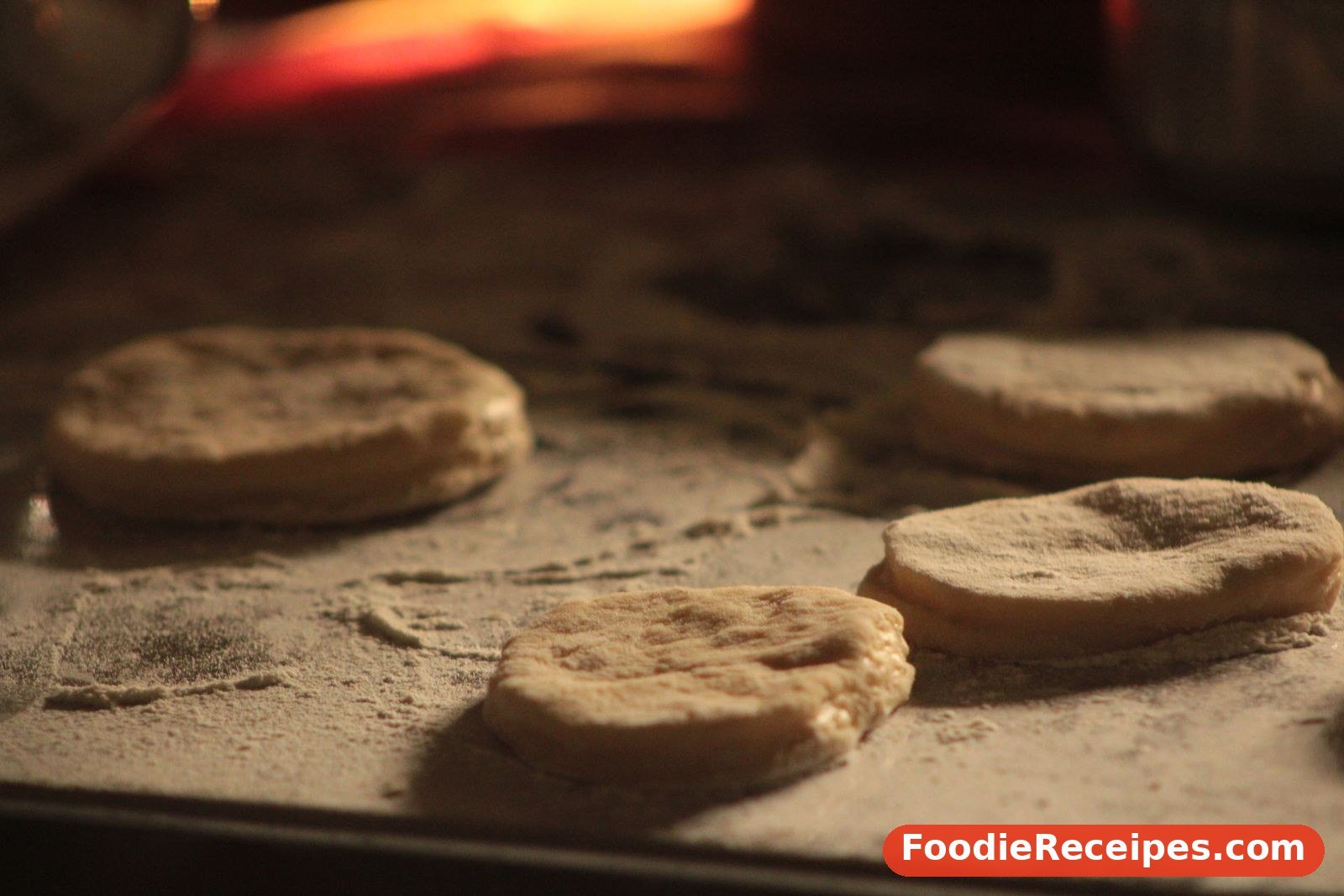
Ingredients
For the buttermilk biscuits
- 3 cups (375 g) all-purpose flour, plus more for dusting (Southern soft-wheat flour if you can find it)
- 1 tablespoon (12 g) granulated sugar
- 1 tablespoon (12 g) baking powder
- 1 teaspoon (5 g) baking soda
- 1 teaspoon (6 g) fine sea salt
- ½ cup (113 g / 1 stick) unsalted butter, very cold and cut into small cubes — plus 2 tablespoons (28 g) melted, for brushing
- 1¼ cups (300 ml) cold buttermilk, plus a splash more if needed
For the sausage gravy
- 1 lb (450 g) bulk pork breakfast sausage (sage-flavored is classic; hot sausage is wonderful too)
- ⅓ cup (42 g) all-purpose flour
- 3½ to 4 cups (840–960 ml) whole milk, at room temperature
- ¾ teaspoon fine sea salt, or to taste
- 1 to 1½ teaspoons freshly ground black pepper, or to taste — be generous
- ¼ teaspoon garlic powder (optional)
- A pinch of cayenne pepper or a dash of hot sauce (optional)
For serving
- Softened butter for the biscuits
- Extra black pepper, always
- Hot sauce at the table, for those who want it
About the sausage: Bulk breakfast sausage — the kind sold in a tube or tray, seasoned with sage — is the traditional choice. If you can only find links, simply slit the casings and squeeze the meat out. Avoid sweet maple sausage for this dish; its sweetness fights the peppery gravy. And choose a sausage with a decent amount of fat: you need those drippings. Very lean sausage may require a tablespoon or two of added butter to give the roux enough fat to work with.
Step-by-Step Method
Make the biscuits
- Preheat and prepare. Preheat your oven to 450°F (230°C). Line a baking sheet with parchment paper, or lightly grease a cast iron skillet. Put the cubed butter in the freezer for 10 minutes while you measure everything else — the colder, the better.
- Mix the dry ingredients (2 minutes). In a large bowl, whisk together the flour, sugar, baking powder, baking soda, and salt until well combined.
- Cut in the butter (3 minutes). Add the cold butter cubes to the flour. Using a pastry cutter, two knives, or your fingertips, work the butter into the flour until the mixture looks like coarse crumbs with some pea-sized pieces of butter remaining. Those visible pieces are essential — they become the flaky layers. Work quickly so the butter stays cold; if your hands are warm, the pastry cutter is your best friend.
- Add the buttermilk (1 minute). Pour in the cold buttermilk and stir with a fork or spatula just until a shaggy dough forms and no dry flour remains at the bottom of the bowl, about 15–20 strokes. The dough will look rough and slightly sticky. That is exactly right. Do not knead it smooth.
- Fold for layers (2 minutes). Turn the dough out onto a lightly floured surface. Pat it gently into a rectangle about 1 inch (2.5 cm) thick. Fold the dough in half, pat it back out, and repeat the fold 4 to 5 times in total, turning the dough a quarter turn each time. This simple folding is what builds the pull-apart layers. Finish with the dough patted to about 1 inch (2.5 cm) thick.
- Cut the biscuits. Dip a 2½-inch (6 cm) round biscuit cutter in flour and press it straight down through the dough — do not twist. Twisting seals the edges and prevents the biscuits from rising tall. Lift the biscuit out and place it on the prepared pan. Gather the scraps, pat them together gently (never knead), and cut the remaining biscuits; these second-cut biscuits are slightly less lofty but still delicious. You should get about 12 biscuits. Place them close together — almost touching — on the pan, which encourages them to rise up rather than spread out.
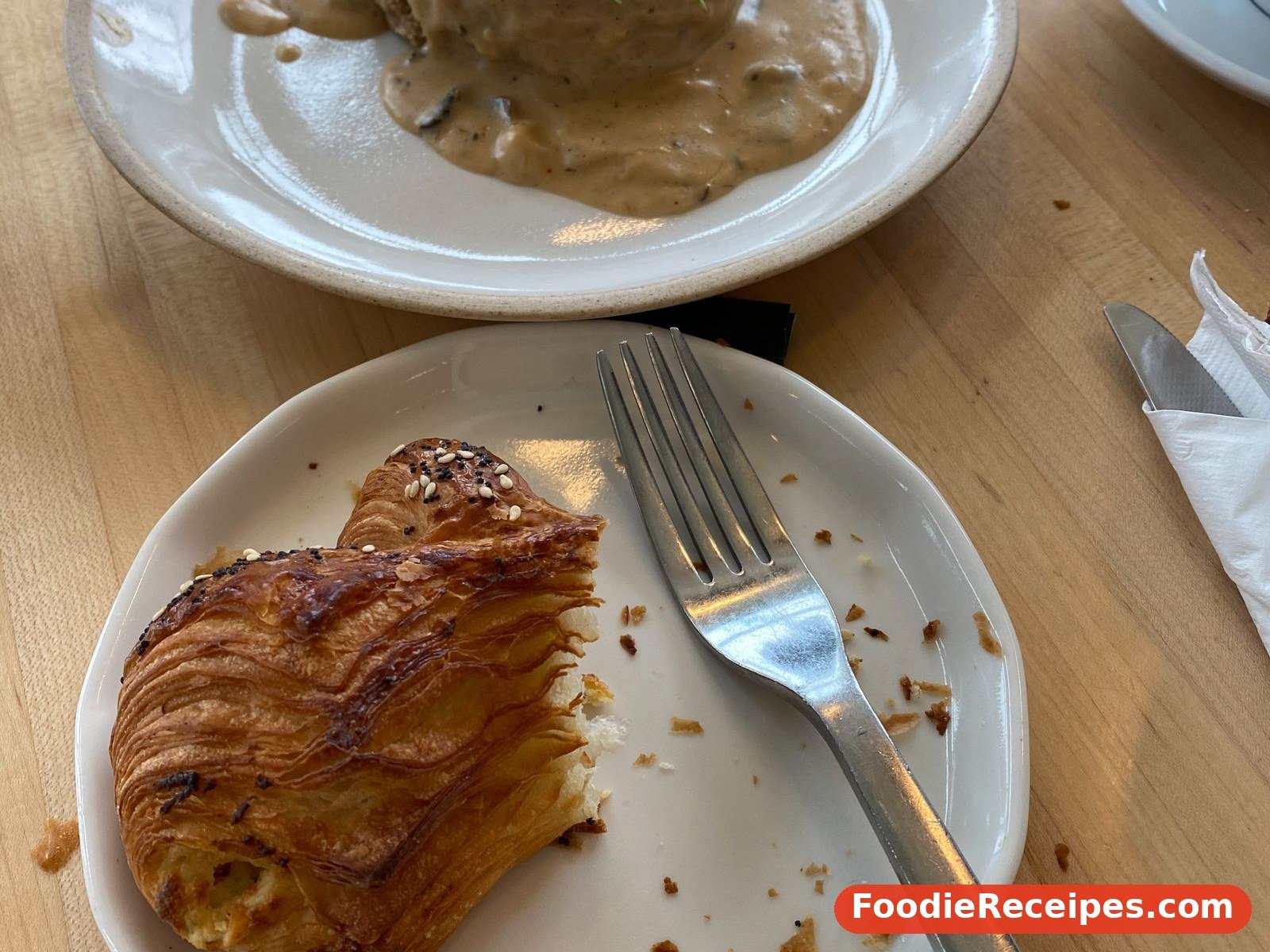
- Bake (12–15 minutes). Bake until the biscuits are tall and deeply golden on top, 12 to 15 minutes. Brush the tops with the melted butter the moment they come out of the oven. Keep them warm, loosely tented with a clean towel, while you finish the gravy.
Make the sausage gravy
- Brown the sausage (7–8 minutes). While the biscuits bake, heat a large cast iron skillet over medium-high heat. Add the sausage, breaking it into crumbles with a wooden spoon or spatula as it cooks. Brown it well — deep golden bits mean deep flavor — until no pink remains, about 7 to 8 minutes. Do not drain the fat. If your sausage rendered very little fat (less than about ¼ cup), add butter to the pan to make up the difference.
- Make the roux (2 minutes). Reduce the heat to medium. Sprinkle the flour evenly over the sausage and drippings. Stir constantly, coating the sausage and scraping up the browned bits from the bottom of the pan, and cook for 1½ to 2 minutes. The flour should smell lightly toasty, not raw. This step cooks out the floury taste and builds the gravy’s body.
- Add the milk gradually (6–8 minutes). Pour in the milk about 1 cup (240 ml) at a time, whisking or stirring constantly and letting the mixture come back to a gentle simmer and thicken between additions. Adding it gradually is the secret to lump-free gravy. Once all the milk is in, simmer gently, stirring often, for 3 to 5 minutes more, until the gravy is thick enough to coat the back of a spoon and leave a clear trail when you draw a finger through it. It will continue to thicken as it stands, so aim for just slightly thinner than you want to serve.
- Season boldly. Stir in the salt, black pepper (start with 1 teaspoon and add more — this dish should be unmistakably peppery), garlic powder if using, and cayenne or hot sauce if you like a little warmth. Taste and adjust. Split the warm biscuits, lay them open-faced on plates, and ladle the gravy over generously.
Tips for Perfect Results
- Cold is the whole game for biscuits. Cold butter, cold buttermilk, and even a chilled bowl on a hot day. Warm butter melts into the flour instead of creating layers, and you get dense, flat biscuits.
- Do not twist the cutter. Press straight down and lift straight up. It feels like a small thing; it makes a tall-biscuit difference.
- Judge gravy thickness by the spoon test, not the clock. Milk, sausage fat, and flour vary a little every time. Thick gravy can be rescued with a splash of milk; thin gravy just needs another minute or two of simmering.
- Season at the end. Sausages vary widely in saltiness, so taste before salting. The pepper, though, should never be timid — freshly cracked black pepper tastes dramatically better here than pre-ground.
- If the gravy gets lumpy, whisk vigorously while adding a splash of milk — most small lumps melt away as it simmers. Stubborn cases can be smoothed with a quick pass of an immersion blender, though a few rustic lumps are perfectly traditional.
- Keep the gravy’s heat gentle once the milk goes in. A hard boil can make milk-based gravy grainy and can scorch the bottom.
- Warm plates make a difference. A quick rinse under hot water (then dried) keeps the gravy from cooling and thickening too fast at the table.
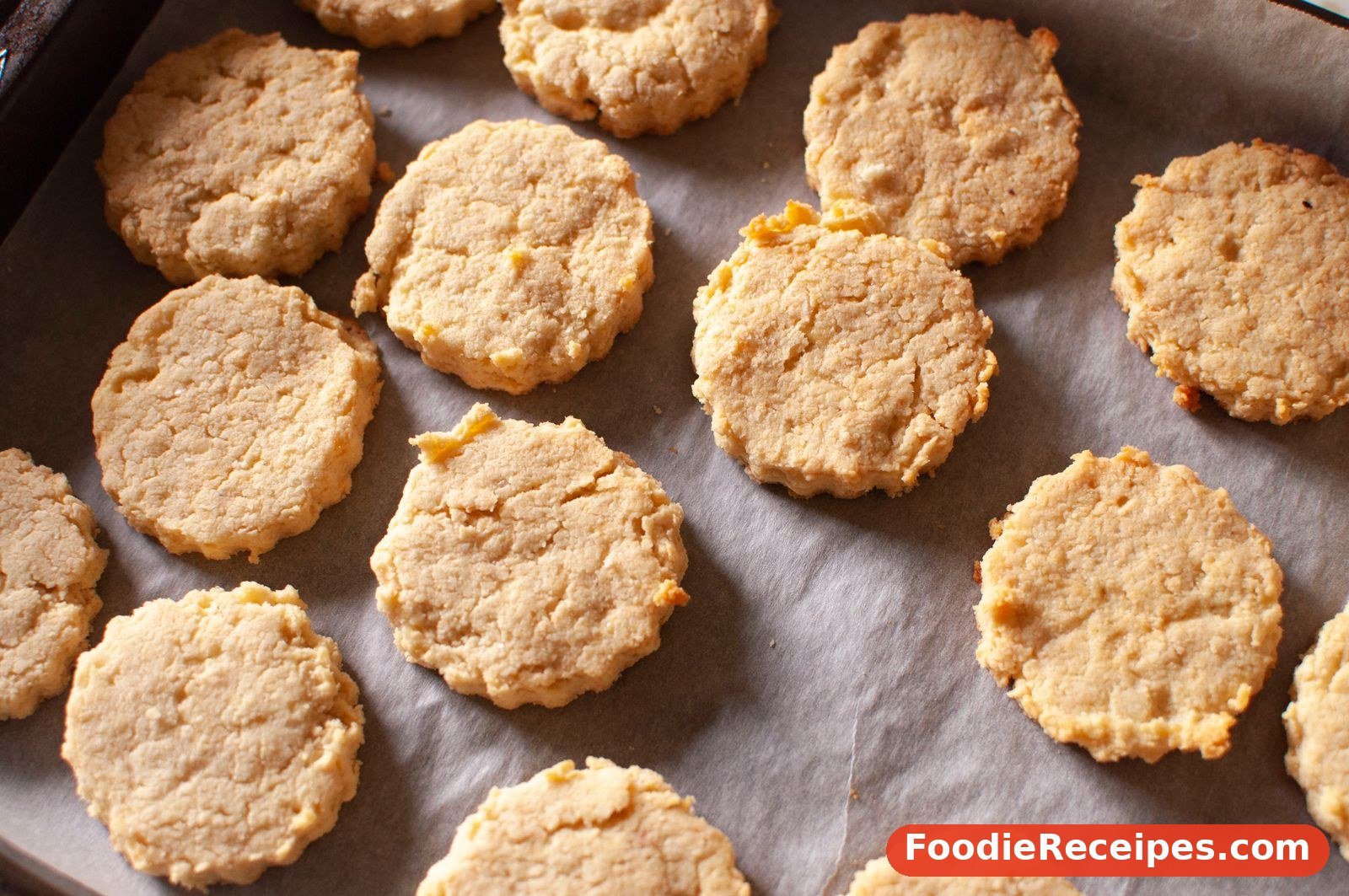
Variations and Substitutions
Spicy version: Use hot breakfast sausage, keep the cayenne, and finish the gravy with a spoonful of the pickling liquid from a jar of jalapeños for brightness as well as heat.
Turkey or chicken sausage gravy: A lighter take that still works beautifully. Because poultry sausage is lean, add 2 tablespoons (28 g) of butter to the pan drippings before adding the flour so the roux has enough fat.
Half-and-half gravy: Replace 1 cup (240 ml) of the milk with half-and-half for an even richer, silkier gravy — a holiday-morning upgrade.
Buttermilk biscuits with cheese and chive: Fold ¾ cup (85 g) shredded sharp cheddar and 2 tablespoons snipped chives into the biscuit dough before cutting. Wonderful under the gravy or on their own.
Drop biscuits (no rolling): Short on time? Add 2 extra tablespoons of buttermilk to the dough and drop rough mounds onto the pan with a spoon. They will not have neat layers, but they bake up tender and craggy and soak up gravy gloriously. Bake the same way.
Gravy without sausage: For a simple cream gravy, melt 4 tablespoons (57 g) butter, whisk in the flour, and proceed with the milk and heavy pepper. It will not be the same dish, but over hot biscuits with a fried egg on top, it is still a fine breakfast.
What to Serve With
Biscuits and gravy is rich and filling, so it is often the whole meal — but a classic diner plate adds a fried or scrambled egg, and crispy bacon or country ham on the side. Hash browns or home fries bring a welcome crunch. For a lighter counterpoint, serve fresh fruit or a small bowl of sliced tomatoes, a Southern table tradition that pairs surprisingly well with the peppery gravy. Coffee should be strong and plentiful. If you are feeding a crowd, set the biscuits and gravy out family-style, add a big scrambled egg platter and a fruit salad, and let everyone build their own plate.
Serving and Storage
Serve immediately: split biscuits open-faced, spoon the gravy over generously, and add extra black pepper at the table.
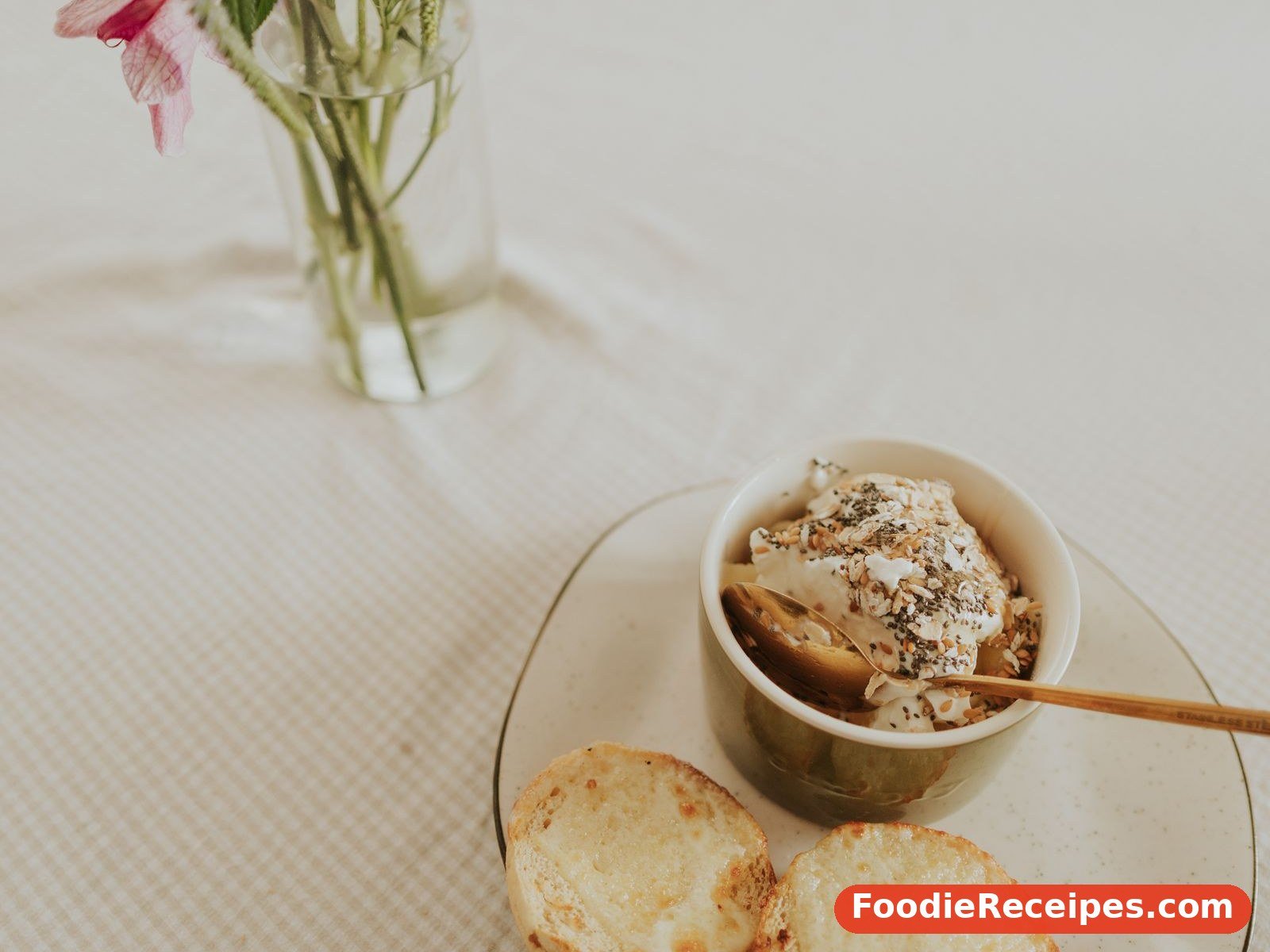
Refrigerator: Store leftover biscuits at room temperature in an airtight container for 1 day, or refrigerate for up to 3 days. Store leftover gravy separately in a covered container in the fridge for up to 3 days — it will thicken considerably as it chills, which is normal.
Freezer: Baked biscuits freeze very well — cool completely, wrap, and freeze for up to 3 months. The gravy can be frozen for up to 2 months, though its texture may be slightly less silky after thawing; a good whisk while reheating fixes most of it.
Reheating: Warm biscuits in a 350°F (175°C) oven for 5–8 minutes (10–12 from frozen) to restore their crisp edges. Reheat gravy gently in a saucepan over low heat, whisking often and adding milk a splash at a time until it returns to a pourable consistency. Avoid boiling. In the microwave, heat gravy in short bursts, stirring between each.
Frequently Asked Questions
Why did my biscuits turn out flat and dense?
The usual culprits are warm butter, overworked dough, old baking powder, or twisting the cutter. Keep everything cold, mix and fold with a light hand, check your leavener’s freshness, and press the cutter straight down.
Can I make the biscuits ahead of time?
Yes, two ways. Cut the biscuits, place them on the pan, cover, and refrigerate for up to 4 hours before baking (they may need an extra minute in the oven). Or bake them fully, freeze, and reheat from frozen at 350°F (175°C) for about 12 minutes.
My gravy is too thick. How do I fix it?
Whisk in warm milk, a few tablespoons at a time, over low heat until it loosens to the consistency you like. Remember it should coat a spoon and flow slowly off a ladle.
My gravy is too thin. How do I fix that?
Simmer it gently for a few more minutes, stirring often — it thickens as water evaporates. For a faster fix, whisk 1 tablespoon of flour into 3 tablespoons of cold milk to make a slurry, stir it in, and simmer 2 minutes more.
Can I make the gravy ahead?
You can make it a day ahead and refrigerate it. Reheat gently with extra milk as directed above. The flavor actually deepens overnight. For best texture, though, fresh gravy while the biscuits bake is hard to beat — and it only takes about 12 minutes.
What if I do not have buttermilk for the biscuits?
Stir 1 tablespoon of lemon juice or white vinegar into 1¼ cups (300 ml) of whole milk and let it stand for 10 minutes. The biscuits will be very good, though slightly less tender and tangy than with real buttermilk. Plain kefir also works cup for cup.
Is there a way to make this lighter?
Partly. Use turkey breakfast sausage with added butter only as needed, choose low-fat milk (the gravy will be a bit thinner — simmer it a touch longer), and serve one biscuit open-faced instead of two. The spirit of the dish survives; the richness softens.
Why does my gravy taste floury?
The roux was not cooked long enough before the milk went in. Give the flour a full 1½ to 2 minutes in the hot fat, stirring constantly, until it smells toasty. That step is quick but non-negotiable.
A Final Word From Our Kitchen
Biscuits and gravy is proof that great cooking is not about expensive ingredients — it is about simple ones treated with care. Cold butter and a hot oven, sausage drippings whisked into silk, black pepper used with confidence. Master this breakfast once, and you own a piece of American comfort food history that will bring people to your table for years. Split, ladle, and enjoy every peppery bite.