

Imagine waking up on a slow weekend morning, padding into the kitchen in your slippers, and sliding a ready-made French toast casserole straight into the oven. No standing over a skillet flipping slice after slice, no keeping early batches warm while the last ones cook, no sink full of bowls before you have even had coffee. By the time everyone drifts to the table, the house smells of cinnamon, vanilla, and caramelizing brown sugar, and breakfast is simply… done.
That is the magic of this overnight French toast casserole. It is assembled the evening before in about fifteen minutes, rests in the refrigerator while you sleep, and bakes into something truly special: puffy and golden on top, soft and custardy in the middle, with a buttery brown sugar topping that turns into a light caramel crust. And unlike many popular versions, this one contains no cream cheese at all — no tangy layer, no heavy pockets, just pure, classic French toast flavor. If you have ever found cream cheese casseroles too rich or too tangy for breakfast, this is the recipe you have been looking for.
The casserole is perfect for Christmas morning, Easter brunch, Mother’s Day, baby showers, overnight guests, or any weekend when you want breakfast to feel like an occasion without working like it is one. Let us show you exactly how to make it, why each step works, and how to get it perfect every time.
Serves: 8 people | Prep time: 15 minutes | Overnight soak: 8–12 hours (minimum 4 hours) | Cook time: 45–55 minutes | Resting time: 10 minutes | Total time: about 9–13 hours, mostly hands-off
Why the Overnight Soak Makes All the Difference
You might wonder whether the overnight rest is truly necessary, or just a convenience. It is both — and the difference it makes is dramatic.
When bread cubes are first tossed with custard, the liquid mostly coats the outside. Given several hours, the custard fully penetrates every cube, all the way to the center. That full saturation is what creates the casserole’s signature texture: each bite is uniformly custardy, like the very best slice of French toast, with no dry bread pockets and no soggy puddles at the bottom. A casserole baked after only 30 minutes of soaking can be good; a casserole soaked overnight is unmistakably better.
The rest also deepens the flavor. Cinnamon, vanilla, and brown sugar have hours to meld with the eggs and milk, seasoning the bread itself rather than just sitting on its surface. And there is a practical benefit that matters just as much: the morning work is already done. Sleepy, pre-coffee you simply preheats the oven, adds the topping, and bakes. It is the kindest gift evening-you can give morning-you.
One more advantage of skipping the cream cheese: the texture stays light and puffy rather than dense. Classic French toast is all about custard-soaked bread that puffs in the oven, and without a heavy cheese layer weighing it down, this casserole rises beautifully and slices cleanly.

Ingredients
For the casserole
- 1 loaf (about 16 oz / 450 g) brioche or challah bread, cut into 1-inch (2.5 cm) cubes — about 10 cups. Day-old or slightly stale bread is ideal.
- 8 large eggs (about 400 g without shells)
- 2 cups (480 ml) whole milk
- ½ cup (120 ml) heavy cream (or substitute with more whole milk for a lighter casserole)
- ⅓ cup (65 g) granulated sugar
- ¼ cup (55 g) packed light brown sugar
- 1 tablespoon (15 ml) pure vanilla extract
- 1½ teaspoons (4 g) ground cinnamon
- ¼ teaspoon ground nutmeg (optional but lovely)
- ½ teaspoon (3 g) fine sea salt
- Butter or nonstick spray, for greasing the dish
For the brown sugar topping
- ½ cup (110 g) packed light brown sugar
- 1 teaspoon (3 g) ground cinnamon
- ¼ teaspoon fine sea salt
- 4 tablespoons (57 g) cold unsalted butter, cut into small cubes
For serving
- Warm pure maple syrup
- Fresh berries (strawberries, blueberries, raspberries)
- A dusting of powdered sugar
- Lightly sweetened whipped cream
About the bread: Brioche and challah are the top choices because their enriched dough bakes up tender and rich, and their structure holds custard without disintegrating. French bread or a sturdy white sandwich loaf also works. Whatever you choose, slightly stale bread is a genuine advantage — dry bread soaks up custard like a sponge instead of falling apart. If your bread is fresh, spread the cubes on a baking sheet and dry them in a 300°F (150°C) oven for about 10 minutes before assembling.
Step-by-Step Method
- Prepare the dish and bread (5 minutes, the night before). Generously grease a 9×13-inch (23×33 cm) baking dish with butter or nonstick spray. Spread the bread cubes evenly in the dish. There is no need to pack them down — a loose, even layer lets the custard reach everything.
- Whisk the custard (5 minutes). In a large mixing bowl, whisk the eggs until the yolks and whites are fully blended and no streaks remain. Add the milk, cream, granulated sugar, brown sugar, vanilla, cinnamon, nutmeg, and salt, and whisk until smooth and uniform. Whisking thoroughly matters: unmixed egg white creates rubbery white streaks in the finished casserole.
- Soak the bread (5 minutes, then overnight). Pour the custard slowly and evenly over the bread cubes, making sure to wet the top layer. Gently press the bread down with the back of a spoon or clean hands so every cube makes contact with custard. Cover the dish tightly with plastic wrap or foil and refrigerate for at least 4 hours and up to 12 hours. Overnight — 8 to 10 hours — is the sweet spot.
- Add the topping (5 minutes, in the morning). Take the casserole out of the refrigerator and let it sit on the counter while the oven preheats to 350°F (175°C); this takes the deep chill off and helps it bake evenly. In a small bowl, stir together the brown sugar, cinnamon, and salt. Scatter the cold butter cubes over the top of the casserole, then sprinkle the brown sugar mixture evenly over everything. (You can also mix the butter into the sugar with your fingers for a crumbly streusel-style topping — both ways are delicious.)
- Bake (45–55 minutes). Bake uncovered for 45 to 55 minutes, until the casserole is puffed, deeply golden on top, and just set in the center — it should jiggle only very slightly when you nudge the dish, like set custard rather than liquid. If the top is browning too quickly, tent it loosely with foil for the last 10–15 minutes. An instant-read thermometer in the center should read about 180°F (82°C).
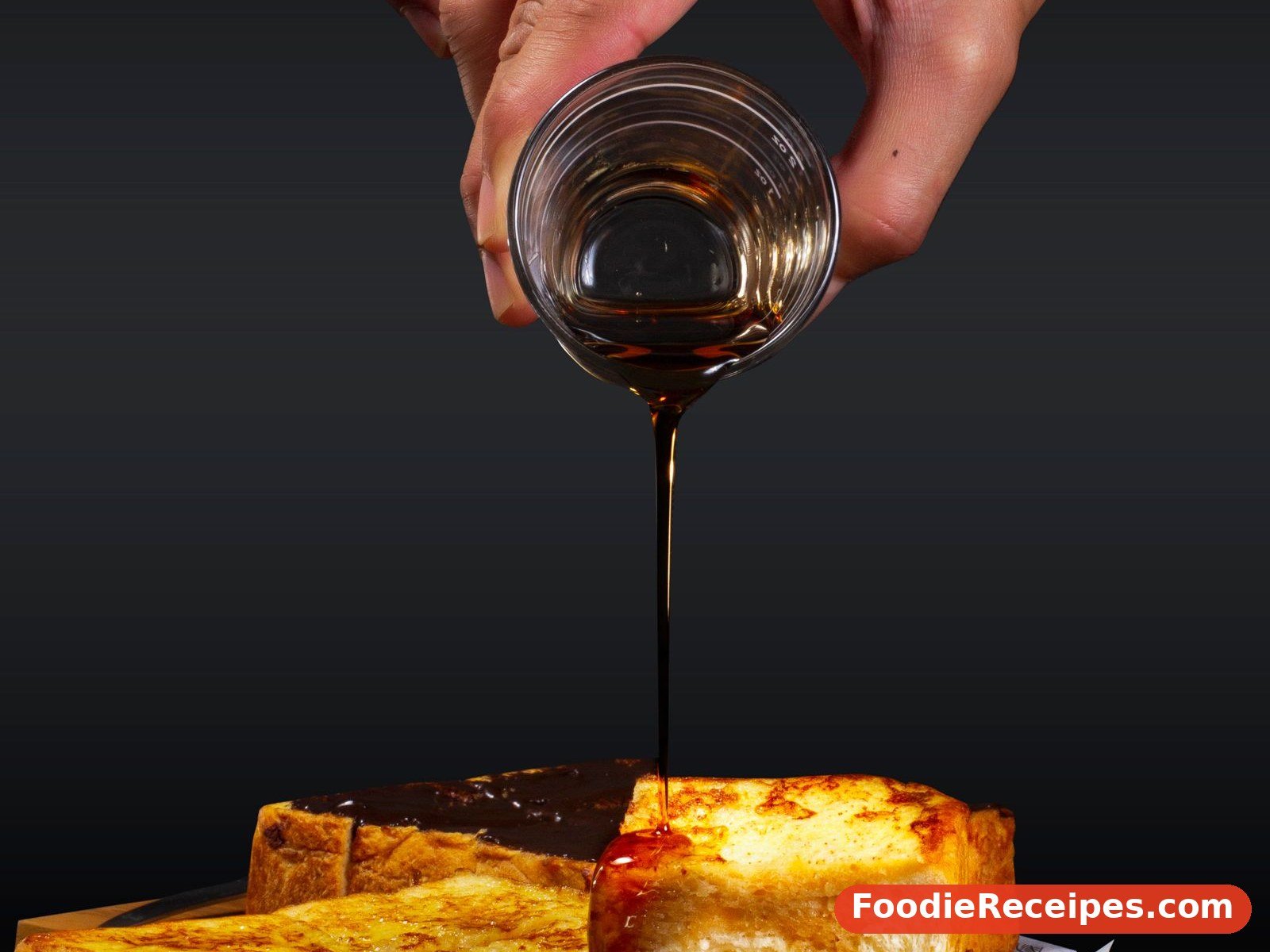
- Rest and serve (10 minutes). Let the casserole rest for 10 minutes before slicing. It will settle slightly as it cools — that is normal — and the rest makes it slice cleanly instead of slumping. Dust with powdered sugar, spoon into bowls or onto plates, and serve with warm maple syrup and fresh berries at the table.
Tips for Perfect Results
- Use enough custard, and pour it slowly. Rushing the pour leaves the top layer dry. Pour in a slow spiral, then press gently so the top cubes drink in their share.
- Check that your bread is on the dry side. Truly fresh, soft bread is the number one cause of a soggy casserole. When in doubt, dry the cubes in a low oven first — it is cheap insurance.
- Do not overbake. The center should be just set, still moist and custardy. An overbaked casserole turns spongy and egg-y, almost like sweet scrambled eggs. Start checking at 45 minutes.
- Cold dish, hot oven warning: If you assemble the casserole in a glass or ceramic dish, letting it sit out for 20–30 minutes while the oven preheats also protects the dish from thermal shock.
- Slice with a sharp knife or a serrated spatula to keep the neat layers intact, and use a wide spatula to lift servings — the first slice is always the trickiest, so take your time.
- Sweetness is adjustable. This casserole is moderately sweet, designed to be finished with maple syrup. If you plan to serve it without syrup, add an extra 2 tablespoons of sugar to the custard.
- Half recipe: For a smaller household, halve everything and bake in an 8×8-inch (20×20 cm) dish for 35–42 minutes.

Variations and Substitutions
Apple cinnamon: Scatter 2 cups (about 240 g) of finely diced peeled apple over the bread before pouring the custard, and add an extra ½ teaspoon of cinnamon. The apples bake into soft, spiced pockets that taste like autumn.
Berry version: Fold 1½ cups (about 220 g) of fresh or frozen blueberries, raspberries, or sliced strawberries between the layers of bread. Frozen berries work straight from the freezer — no thawing needed, though they may add a few minutes to the bake time.
Pecan praline topping: Add ½ cup (60 g) chopped pecans to the brown sugar topping for a crunchy, praline-like crust that contrasts beautifully with the soft custard.
Orange and cranberry: Add the zest of one orange to the custard and scatter ¾ cup (90 g) dried cranberries through the bread — a festive combination for holiday mornings.
Chocolate chip: Sprinkle ¾ cup (130 g) semi-sweet chocolate chips between the bread layers. Kids adore this version, and it needs barely any syrup.
Dairy-free: Use full-fat canned coconut milk or a rich oat milk in place of the milk and cream, and coconut oil in the topping. The flavor changes slightly but the custard sets just as well.
No refined sugar in the custard: Replace the granulated and brown sugar in the custard with ⅓ cup (80 ml) maple syrup or honey. Keep the brown sugar topping as written for the caramelized crust.
What to Serve With
Because the casserole is rich and sweet, it loves salty and fresh partners. Crisp bacon, browned breakfast sausage, or a slice of country ham balance the sweetness perfectly. A big bowl of fresh fruit salad or simple berries keeps the plate feeling light. For drinks, hot coffee is practically mandatory, and orange juice or a grapefruit half brightens everything. If you are building a full brunch buffet, add scrambled eggs or a savory egg dish, yogurt with granola, and perhaps a green salad for later in the meal — the casserole anchors the sweet end of the table beautifully.
Serving and Storage
Serve the casserole warm, about 10 minutes out of the oven, cut into generous squares. Set out maple syrup warm, berries, and powdered sugar so guests can finish their own portions.
Refrigerator: Cover leftover casserole tightly (or transfer to an airtight container) and refrigerate for up to 3 days.
Freezer: Individual portions freeze well. Wrap slices tightly in plastic wrap and then foil, or place in freezer containers, and freeze for up to 2 months. You can also freeze the entire baked casserole once fully cooled.
Reheating: From the fridge, reheat individual slices in the microwave for 60–90 seconds, or warm the whole dish, covered with foil, in a 325°F (165°C) oven for 15–20 minutes until heated through. From frozen, thaw overnight in the fridge first for the best texture, then reheat as above. A few minutes in a hot oven (uncovered, 350°F / 175°C) after microwaving will re-crisp the sugary top.
Can you freeze it unbaked? Yes — assemble the casserole (without the topping), cover tightly, and freeze for up to 1 month. Thaw in the refrigerator for 24 hours, add the topping, and bake as directed, adding about 5 minutes to the bake time.
A Quick Note on Choosing Your Bread
Since bread is the backbone of this casserole, it is worth a moment of thought at the store. Brioche gives the richest result — its butter-and-egg dough melts into something almost like bread pudding. Challah is a close cousin: slightly less sweet, beautifully absorbent, and a traditional French toast favorite. A thick-cut Texas toast or a good bakery white loaf is a solid, economical choice that many families actually prefer for its familiar flavor. Save the very soft, pre-sliced sandwich bread for another day, and skip heavily seeded or savory loaves here — their flavors fight the cinnamon and vanilla. Whichever loaf you bring home, remember the golden rule: dry bread, happy casserole.
Frequently Asked Questions
Why is there no cream cheese in this recipe?
Plenty of overnight casseroles include a cream cheese layer, but we deliberately leave it out. Without it, the casserole tastes like pure classic French toast — custardy, warmly spiced, and light enough to enjoy a full serving (and maybe seconds). It is also a friendly option for anyone who finds cream cheese tangy or too heavy at breakfast.
How long does the casserole really need to soak?
Four hours is the practical minimum for the custard to reach the center of the bread cubes. Eight to twelve hours is ideal for the best texture and flavor. Much beyond 14 hours, very soft breads can start to break down, so aim to bake it the next morning.
Can I use regular sandwich bread?
Yes. Choose a sturdy white loaf rather than very soft, thin-sliced bread, and dry the cubes briefly in a low oven first. Day-old sandwich bread actually soaks beautifully and gives a reliably good result.
Why did my casserole come out soggy on the bottom?
Usually one of three things: the bread was too fresh and soft, the casserole was underbaked, or it did not rest after baking. Dry your bread, bake until the center is just set (about 180°F / 82°C), and give it the full 10-minute rest so the custard firms up.
Can I make this the same morning instead of overnight?
You can, with slightly lower expectations. Assemble it, let it soak for at least 45–60 minutes (pressing the bread into the custard a few times), and bake as directed. The texture will be a little less uniform, but it will still be delicious.
What size pan should I use?
A 9×13-inch (23×33 cm) dish is ideal — it gives the casserole a thickness that stays custardy in the middle while developing a golden top. A deep 8×8-inch dish works for a half recipe; expect a slightly longer bake for the thicker casserole.
How do I know it is done in the middle?
The center should look set and puffed, jiggle only slightly, and a knife inserted in the center should come out clean of liquid custard. An instant-read thermometer reading of about 180°F (82°C) in the center confirms it.
Can I reduce the sugar for a less sweet breakfast?
Absolutely. Cut the granulated sugar in the custard to 2 tablespoons and keep the topping — you will still get the caramelized crust, and the maple syrup at the table lets everyone sweeten to taste.
A Final Word From Our Kitchen
There is something deeply satisfying about doing fifteen minutes of pleasant work in the evening and being rewarded with a celebration-worthy breakfast the next morning. This overnight French toast casserole — golden, custardy, warmly spiced, and gloriously free of cream cheese — is the kind of recipe that turns ordinary weekends into occasions and hectic holidays into calm ones. Make it once, and it will quietly become your most requested morning tradition.