
There is a special kind of weekend happiness that only a tall stack of pancakes can deliver. Steam rising off the top, butter melting into every layer, maple syrup running down the sides — it is the breakfast that slows everybody down and gathers them around the table. And here is the good news: you do not need a boxed mix to make it happen. In fact, once you taste truly fluffy buttermilk pancakes made from scratch, the box will never tempt you again.
Boxed mixes are convenient, but they come with compromises. The leavening inside them weakens over time sitting in the pantry, the flavor is often flat and a little artificial, and you have no control over the sweetness or texture. When you mix your own batter — which takes all of five minutes — you get pancakes that rise higher, taste richer, and have those crisp, lacy, golden edges that diners are famous for. The secret ingredients are real buttermilk, the right balance of baking powder and baking soda, and one golden rule: do not overmix.
This recipe makes pancakes that are thick and pillowy in the middle with beautifully browned outsides. It uses everyday pantry staples you probably already own: flour, sugar, eggs, butter, and buttermilk. We will walk you through every step, explain exactly why each technique matters, and share the troubleshooting tips that guarantee success even if this is your very first batch. Whether you are cooking for a sleepy family on Saturday morning or feeding a crowd at a holiday brunch, these pancakes deliver every single time.
Serves: 4 people (about 12 medium pancakes) | Prep time: 10 minutes | Resting time: 10 minutes | Cook time: 15 minutes | Total time: about 35 minutes
Why These Pancakes Turn Out So Fluffy
Before we touch a whisk, it helps to understand the simple science behind a tall pancake, because once you know the “why,” you will never make a flat, rubbery batch again.
Buttermilk does double duty. Buttermilk is acidic, and that acid reacts with baking soda to create thousands of tiny carbon dioxide bubbles. Those bubbles are what lift the batter and create the soft, airy crumb. Buttermilk also tenderizes the flour’s gluten and adds a gentle tang that makes the pancakes taste rich instead of bland. It is truly the heart of this recipe, so if you can, use real cultured buttermilk rather than a substitute.
Two leaveners are better than one. Baking soda needs acid to work, and buttermilk provides it. Baking powder is double-acting — it releases some gas when it gets wet and more when it gets hot on the griddle. Using both gives you a strong initial lift plus continued rise during cooking, which is how you get that diner-style height.
Lumps are your friends. This is the rule beginners find hardest to believe. When flour meets liquid, gluten begins to develop, and the more you stir, the tougher and chewier your pancakes become. A batter mixed just until the flour disappears — with plenty of small lumps left behind — produces the most tender pancakes. Those lumps cook out on the griddle. Stir gently, stir briefly, and walk away.
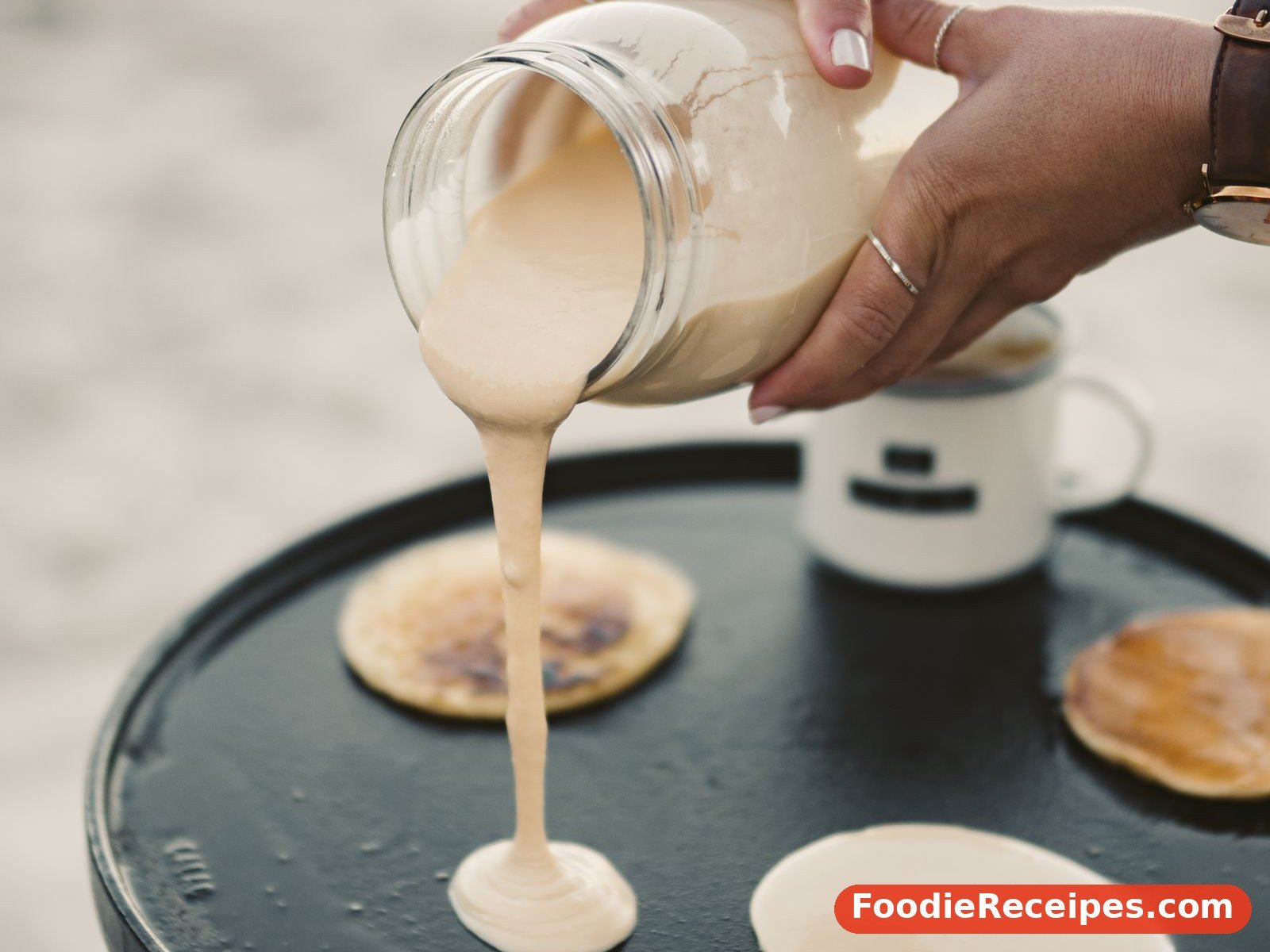
Resting the batter matters. Letting the batter sit for about 10 minutes allows the flour to fully hydrate and gives the leaveners a head start. You will notice the batter thickens and small bubbles appear on the surface. Pancakes cooked from rested batter rise higher and cook more evenly.
Heat control is everything. A properly preheated griddle — hot enough that a drop of water dances and sizzles — sets the bottom of the pancake quickly, trapping the bubbles inside so the pancake puffs instead of spreading thin. Too hot and the outside burns before the middle cooks; too cool and the pancakes turn pale and tough.
Ingredients
- 2 cups (250 g) all-purpose flour, spooned and leveled
- 2 tablespoons (25 g) granulated sugar
- 2 teaspoons (8 g) baking powder
- 1 teaspoon (5 g) baking soda
- 1 teaspoon (6 g) fine sea salt
- 2¼ cups (540 ml) cultured buttermilk, shaken well, at room temperature
- 2 large eggs (about 100 g without shells), at room temperature
- 4 tablespoons (57 g) unsalted butter, melted and slightly cooled, plus extra for the griddle
- 1 teaspoon (5 ml) pure vanilla extract
Optional add-ins
- ¾ cup (110 g) fresh or frozen blueberries
- ½ cup (85 g) semi-sweet chocolate chips
- 1 ripe banana, sliced thin, plus ¼ cup (30 g) chopped toasted pecans
- 1 teaspoon lemon zest for a bright, fresh flavor
For serving
- Softened butter
- Warm pure maple syrup
- Fresh berries
- Lightly sweetened whipped cream
A note about measuring flour: spoon the flour into your measuring cup and level it off with a knife rather than scooping directly from the bag. Scooping packs the flour down and can add up to ¼ cup (30 g) extra, which is enough to make pancakes dense and dry. If you have a kitchen scale, weighing is even better — 250 g is the target.
Step-by-Step Method
- Mix the dry ingredients (2 minutes). In a large mixing bowl, whisk together the flour, sugar, baking powder, baking soda, and salt for about 30 seconds. Whisking distributes the leaveners evenly through the flour, which prevents bitter spots of baking soda and ensures every pancake rises the same way.
- Mix the wet ingredients (2 minutes). In a second bowl or a large measuring jug, whisk the buttermilk, eggs, melted butter, and vanilla until smooth and uniform. Room-temperature ingredients combine more easily and help the pancakes cook evenly — cold buttermilk straight from the fridge can firm up the melted butter into little flecks. If your buttermilk is cold, warm it very briefly in the microwave, just 15–20 seconds, to take the chill off.
- Combine — gently (1 minute). Pour the wet ingredients into the dry ingredients. Using a whisk or a rubber spatula, stir just until the flour is moistened and no dry pockets remain, about 10–14 strokes. The batter should be thick and noticeably lumpy. Stop the moment the last streak of flour disappears. If you are using add-ins like blueberries or chocolate chips, fold them in now with two or three gentle strokes.
- Rest the batter (10 minutes). Set the bowl aside at room temperature while you preheat the griddle. Do not stir the batter again after this point — stirring deflates the bubbles you have worked to create. While the batter rests, heat a griddle or large nonstick or cast-iron skillet over medium heat. To test the heat, flick a few drops of water onto the surface: they should sizzle and dance. Lightly grease the surface with butter or neutral oil, then wipe most of it away with a paper towel — a very thin film is all you want, and it gives the pancakes their evenly golden color.
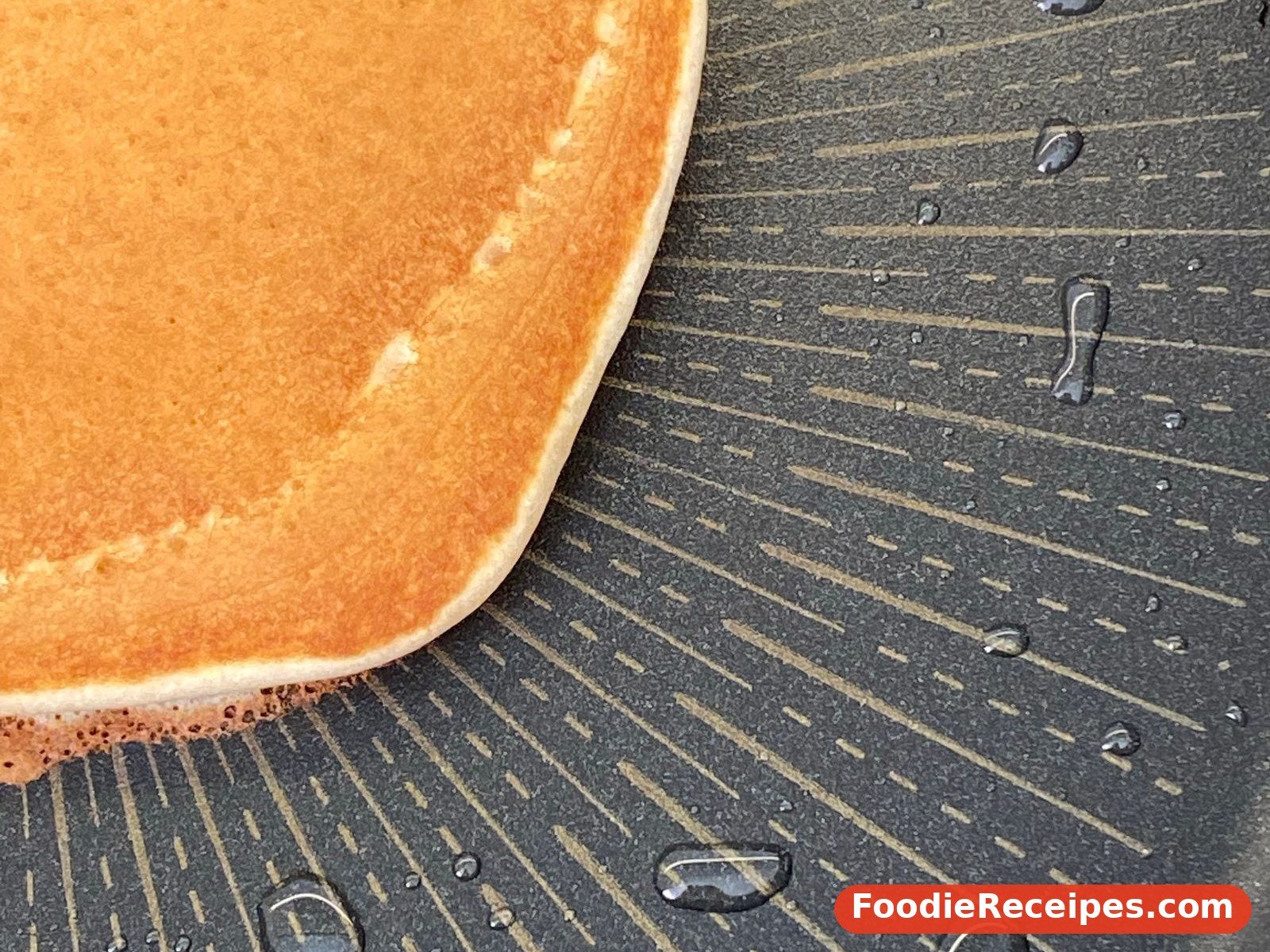
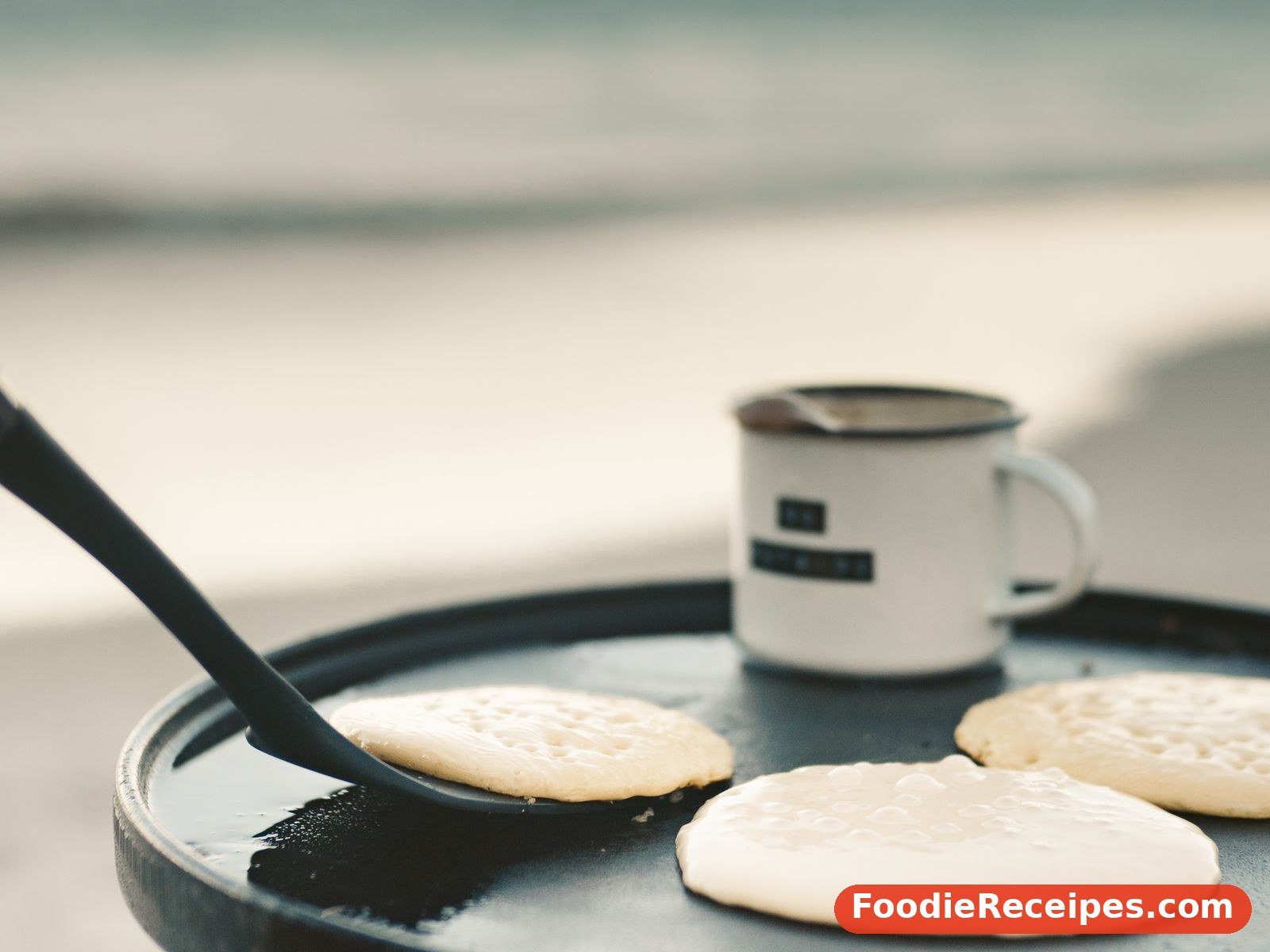
- Cook the first side (2–3 minutes per batch). Using a ⅓-cup (80 ml) measure or a ladle, pour batter onto the griddle, leaving space between pancakes. Cook until the edges look set and matte, bubbles appear across the surface and begin to pop without filling back in, and the underside is golden brown when you peek — about 2 to 3 minutes. Every stove runs a little differently, so treat the first pancake as your test and adjust the heat as needed.
- Flip once and finish (1–2 minutes). Slide a thin spatula under the pancake and flip it in one confident motion. Cook the second side for 1 to 2 minutes, until golden and springy to a gentle press. Resist the urge to press down on the pancake with the spatula — that squeezes out the air you worked so hard to build in. Transfer finished pancakes to a warm plate or a low oven (200°F / 95°C) while you cook the remaining batter, re-greasing the griddle very lightly between batches if needed.
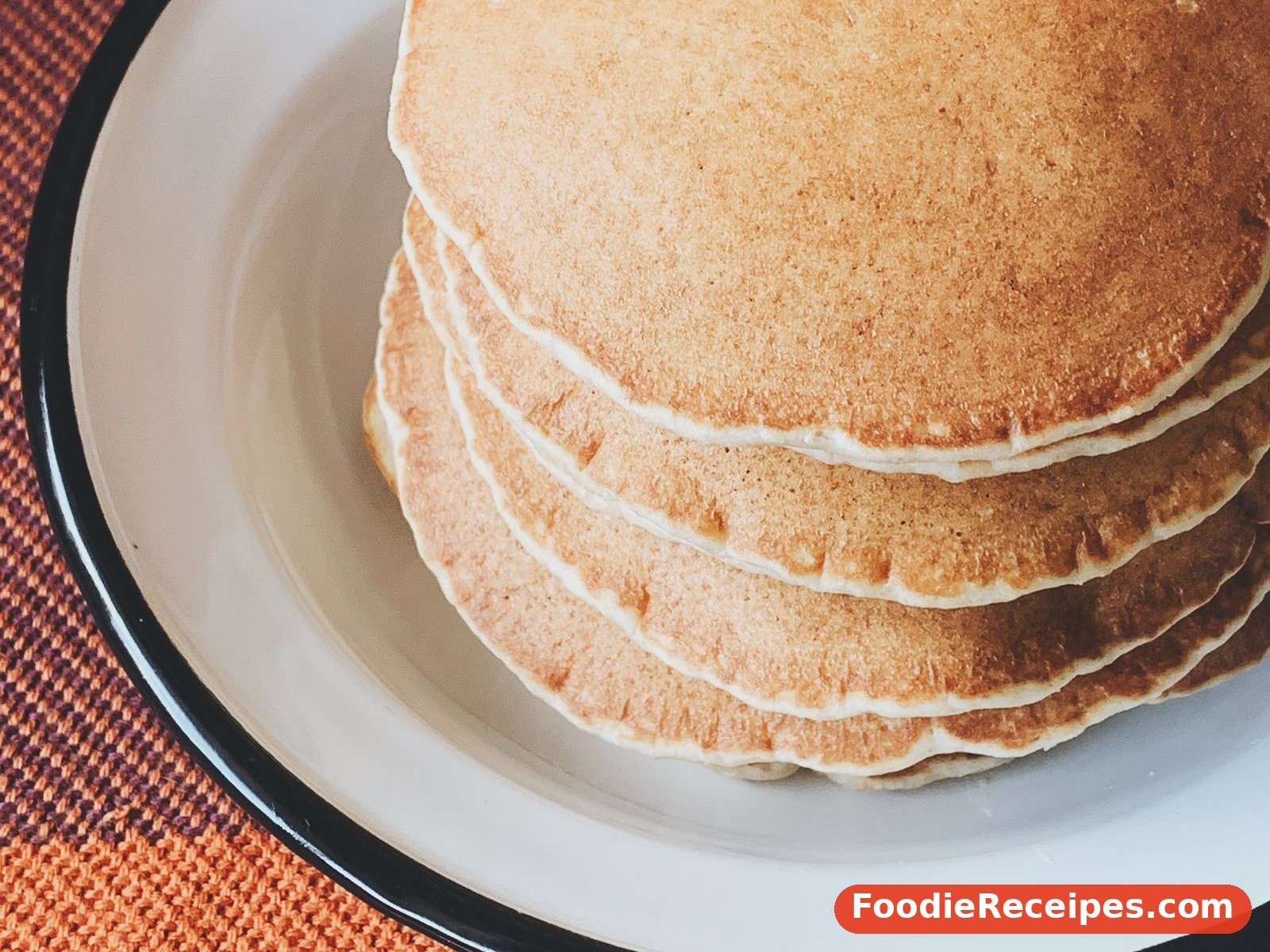
- Serve immediately. Stack the pancakes high, top with softened butter, and pour over warm maple syrup. Pancakes are at their absolute best within minutes of leaving the griddle, when the contrast between the crisp edges and the fluffy center is at its peak.
Tips for Perfect Results
- Check your leaveners’ freshness. Baking powder and baking soda lose strength over time. To test baking powder, stir ½ teaspoon into hot water — it should fizz vigorously. To test baking soda, add a splash of vinegar — it should bubble immediately. Replace any that seem sluggish, and write the opening date on the container.
- Do not skip the rest. Ten minutes of resting genuinely changes the texture. If you are in a rush, even five minutes helps.
- Watch the bubbles, not the clock. Bubbles that form, pop, and leave little holes that stay open are the true signal to flip. If you flip while the surface is still glossy and wet, the pancake will splatter and cook unevenly.
- Keep the heat at medium. It is tempting to crank the heat to cook faster, but high heat burns the outside while the center stays raw and gummy. Patient, moderate heat wins.
- Only flip once. Multiple flips toughen pancakes and flatten their rise. One flip, one press-free finish.
- Warm your syrup. Thirty seconds in the microwave makes warm syrup flow beautifully and keeps it from cooling down your hot pancakes.
- Use the first pancake as a tester. It tells you whether the heat and batter thickness are right. Cook’s treat — eat that one standing at the stove.
- If the batter seems too thick after resting (some flours absorb more liquid), stir in buttermilk one tablespoon at a time. It should pour in a thick, slow ribbon. Too thin, and a tablespoon of flour whisked in gently will fix it.
Variations and Substitutions
No buttermilk on hand? The best substitute is kefir, used cup for cup. In a pinch, stir 2 tablespoons of lemon juice or white vinegar into 2¼ cups (540 ml) of whole milk and let it stand for 10 minutes until slightly thickened. The pancakes will still be good, though a touch less tender and tangy than with real buttermilk. Plain drinkable yogurt thinned with a little milk also works well.
Whole wheat pancakes: Replace up to half the all-purpose flour (1 cup / 125 g) with whole wheat flour for a nuttier flavor and extra fiber. Add an extra splash of buttermilk, since whole wheat absorbs more liquid.
Lemon ricotta style: Fold in ½ cup (125 g) ricotta cheese and 1 tablespoon lemon zest, and reduce the buttermilk by ¼ cup (60 ml). The pancakes turn out extra moist with a delicate cheesecake-like richness.
Cinnamon-spiced: Add 1 teaspoon ground cinnamon and a pinch of nutmeg to the dry ingredients — wonderful in autumn with warm maple syrup and toasted pecans.
Dairy-free: Use a plant-based buttermilk substitute (oat or soy milk plus lemon juice), replace the butter with melted coconut oil or neutral oil, and the recipe works nearly identically.
Extra protein: Whisk ½ cup (125 g) Greek yogurt into the wet ingredients and reduce the buttermilk to 2 cups (480 ml). The pancakes stay fluffy with a pleasant tang and a more filling bite.
What to Serve With
These pancakes are the natural centerpiece of a classic American breakfast spread. Crispy bacon or browned breakfast sausage links provide the salty contrast that maple syrup loves. Fluffy scrambled eggs or a simple fried egg round out the plate. For a brunch gathering, add a fresh fruit salad, hash browns, and plenty of hot coffee and orange juice. A small bowl of whipped cream and a dish of warmed berries let everyone dress their own stack, which is always a hit with kids and guests alike.
Serving and Storage
Serve pancakes the moment they are cooked if you possibly can. If you are cooking for a group, hold finished pancakes in a single layer on a baking sheet in a 200°F (95°C) oven for up to 30 minutes — they will stay warm without drying out.
Refrigerator: Leftover pancakes keep well in an airtight container or zip-top bag in the fridge for up to 3 days. Place a sheet of parchment between layers if stacking.
Freezer: Pancakes freeze beautifully, which makes them a secret weapon for weekday mornings. Cool completely, stack with parchment between each pancake, and freeze in a zip-top bag for up to 2 months.
Reheating: From the fridge, warm pancakes in a toaster on a medium setting, in a 350°F (175°C) oven for about 5 minutes, or in the microwave for 20–30 seconds per pancake. From frozen, the toaster is best — one to two cycles brings back the crisp edges. Microwaved pancakes will be softer but still delicious.
Make-ahead batter note: Pancake batter does not hold well overnight, because the baking powder loses its power. If mornings are rushed, whisk the dry ingredients together the night before and combine them with the wet ingredients in the morning — the batter comes together in under five minutes while the griddle heats.
Frequently Asked Questions
Why are my pancakes flat instead of fluffy?
The most common causes are old leaveners, overmixed batter, or batter that was stirred again after resting. Check that your baking powder and soda are fresh, mix only until the flour disappears, and leave the rested batter alone.
Can I make the batter the night before?
It is not ideal. The baking soda reacts with the buttermilk right away, and the baking powder weakens as it sits, so next-day batter makes noticeably flatter pancakes. Mixing the dry ingredients ahead and adding the wet ones in the morning gives you nearly the same convenience with far better results.
Why did my pancakes turn out rubbery?
Rubbery pancakes almost always mean the batter was overmixed, which develops gluten. Stir with a light hand, stop at lumpy, and never use an electric mixer on pancake batter.
What if I only have self-rising flour?
You can use it: replace the flour, baking powder, baking soda, and salt with 2 cups (250 g) self-rising flour. The pancakes will rise nicely, though the flavor is a little less rich since self-rising flour already contains its leavening and salt.
How do I keep pancakes warm without drying them out?
A low oven — 200°F (95°C) — and a single layer on a baking sheet is the answer. Avoid stacking or covering tightly with foil, which steams the pancakes and softens their edges.
Can I double the recipe for a crowd?
Yes, it doubles perfectly. Just mix in a very large bowl, and consider using two skillets or a double-burner griddle so nobody waits too long. Keep finished batches warm in the oven as directed.
Why is the first pancake always a little pale or uneven?
The first pancake is your heat test — the griddle may still be evening out in temperature, and the first thin layer of butter browns it differently. Once you have adjusted the heat, every pancake after it will be spot on. Enjoy the tester yourself.
My pancakes browned outside but stayed raw in the middle. What happened?
Your griddle was too hot. The surface set and darkened before heat could reach the center. Lower the heat slightly, give the pan a minute to adjust, and cook the next batch a touch longer at the gentler temperature.
A Final Word From Our Kitchen
Once you have made these pancakes once, the recipe becomes second nature — a few whisk strokes, a short rest, and the sizzle of batter on a hot griddle. There is no box to open, no mix to run out of, and no mystery about what is in your breakfast. Just simple ingredients, a little know-how, and a stack of golden, cloud-soft pancakes that make any morning feel like a small celebration. Pour the coffee, warm the syrup, and call everyone to the table.