
A loaded baked potato is one of life’s great simple pleasures — fluffy potato, melting butter, tangy sour cream, sharp cheddar, crisp bacon and green onions, all scooped out of a crackly skin. This baked potato casserole takes that entire experience and scales it up for the table: a big, bubbling dish of whipped potatoes layered with cheddar and bacon, baked until the top is golden and the edges are just a little crisp. It has all the flavor of the steakhouse favorite, none of the fuss of wrapping and timing a dozen individual potatoes, and it can be made ahead — which is more than any baked potato can say.
The method is simple but the details matter. Russets are the right potato here, because their dry, starchy flesh whips up light instead of gluey. The potatoes are mashed hot with butter, sour cream and a splash of the starchy cooking water (or warm milk), seasoned like you mean it, and folded with cheese and bacon so every scoop is loaded, not just the top. A final blanket of cheddar and a last shower of bacon go on for the bake, so the casserole arrives at the table looking like the main event.
Serve it where a baked potato bar used to be — beside grilled steak, roast chicken, barbecue ribs or a holiday ham — or give it a salad and call it dinner. It is the side dish that reliably upstages the entrée, the one people ask about before they ask about anything else on the table, and the one whose dish comes back scraped clean.
Serves: 10 as a side dish, 6–8 as a main | Prep time: 20 minutes | Cook time: 55 minutes | Total time: 1 hour 15 minutes
Ingredients
For the potatoes
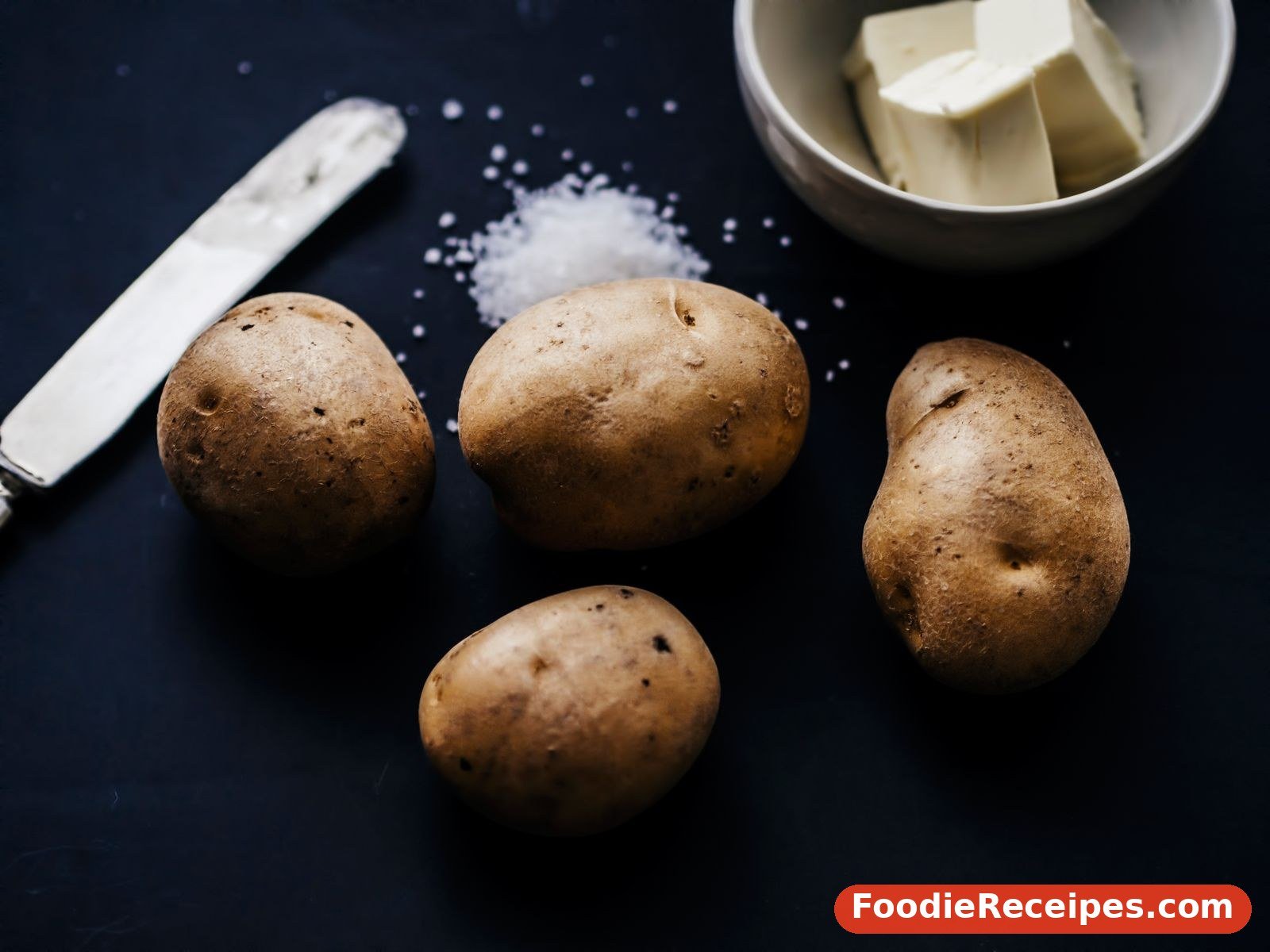
- 4 pounds (1.8 kg) russet potatoes (about 7–8 medium), peeled and cut into 1½-inch (4 cm) chunks
- 1 tablespoon (18 g) fine sea salt, for the potato water, plus more to taste
- 6 tablespoons (84 g) unsalted butter, softened, plus more for the dish
- 1 cup (240 g) sour cream, at room temperature
- ½ cup (120 ml) whole milk or half-and-half, warmed (or hot potato cooking water)
- 1 teaspoon (6 g) fine sea salt (adjust after tasting — bacon adds salt)
- ½ teaspoon (1 g) ground black pepper
- ½ teaspoon (1 g) garlic powder
- ¼ teaspoon (0.5 g) onion powder
For the loaded filling and topping
- 10 slices bacon (about 10 oz / 280 g), cooked crisp and crumbled, divided
- 2½ cups (280 g) shredded sharp cheddar cheese, divided
- 4 green onions, thinly sliced (about ½ cup / 45 g), divided, plus more for serving
- ¼ teaspoon (0.5 g) paprika, for the top (optional)
Step-by-Step Method
- Heat the oven and cook the bacon (10–12 minutes). Preheat your oven to 375°F (190°C) and butter a 9 × 13 inch (23 × 33 cm) baking dish. Cook the bacon until crisp — in a skillet over medium heat, about 8–10 minutes, or on a foil-lined sheet pan in the oven at 400°F (200°C) for 15–18 minutes. Drain on paper towels, let it cool, and crumble it into bite-size pieces. Save a spoonful of the bacon drippings if you like; a teaspoon whisked into the potatoes is a quiet flavor boost.
- Boil the potatoes (15–18 minutes). Put the potato chunks in a large pot, cover with cold water by about an inch, and add the tablespoon of salt. Starting in cold water cooks the potatoes evenly, so the outsides do not go mushy before the centers are done. Bring to a boil, then reduce to a lively simmer and cook for 15–18 minutes, until the potatoes are completely tender — a knife or fork should slide in and out with no resistance, and a chunk should crumble when pressed.
- Drain and dry the potatoes (2 minutes). Drain the potatoes in a colander, reserving about 1 cup (240 ml) of the hot cooking water. Return the potatoes to the hot pot over the turned-off burner for 1–2 minutes, shaking gently, so the surface moisture steams off. Dry potatoes mash fluffy; wet potatoes mash gluey. Do not skip this steam-dry.
- Mash with the butter and sour cream (3 minutes). Add the softened butter to the hot potatoes and mash with a potato masher until mostly smooth — some small lumps are welcome and keep the casserole honest. Stir in the sour cream, then add the warm milk (or hot cooking water) a little at a time until the potatoes are creamy and scoopable, like very thick mashed potatoes. The mixture will firm up in the oven, so keep it a touch looser than you want the finished dish.
- Season and load the potatoes (2 minutes). Stir in the salt, black pepper, garlic powder and onion powder. Fold in two-thirds of the crumbled bacon, 1½ cups (170 g) of the cheddar, and half of the green onions. Taste carefully and adjust the salt — potatoes need assertive seasoning, and this is your last easy chance to fix it.
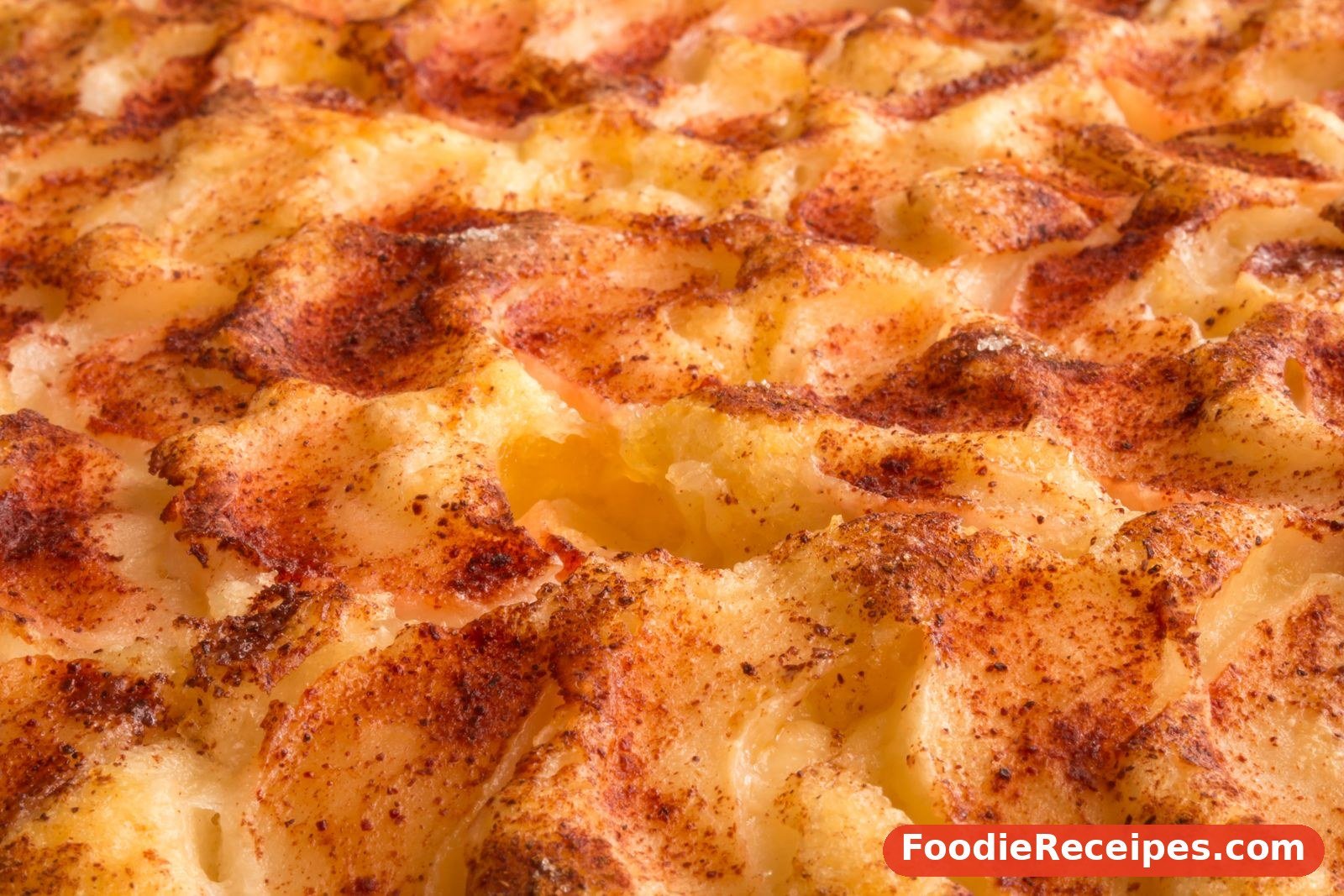
- Fill the dish and top (3 minutes). Scrape the potato mixture into the buttered dish and spread it into an even layer, swirling the top with the back of a spoon — the swirls and peaks catch the heat and brown beautifully. Sprinkle the remaining 1 cup (110 g) of cheddar over the top, then the remaining bacon and a dusting of paprika if you like.
- Bake until golden and bubbling (25–30 minutes). Bake, uncovered, for 25–30 minutes, until the cheese is melted and golden in spots and the casserole is bubbling around the edges. For a deeper golden top, run it under the broiler for 1–2 minutes at the end, watching closely.
- Rest, garnish and serve (5–10 minutes). Rest for 5–10 minutes so the casserole sets slightly. Scatter the remaining green onions (and a few extra, if you have them) over the top and serve hot, straight from the dish.
Three Ways to Cook the Potatoes
The recipe above boils the potatoes, and that is the fastest, most consistent route — but it is not the only one, and each method gives the finished casserole a slightly different personality worth knowing about.
Boiled (the recipe’s method) gives a clean, neutral potato flavor and a reliably fluffy mash. It is the easiest to scale for a big batch, and the cooking water doubles as a starch-rich liquid for loosening the mash. Choose this when you want classic, crowd-pleasing results with no surprises.
Baked and scooped is the twice-baked approach: bake whole russets at 400°F (200°C) for about 1 hour until completely tender, halve them, and scoop the flesh into your bowl. The flesh is drier and tastes more intensely of potato, so the mash needs a touch more milk, and the finished casserole has a deeper, roastier flavor. It takes longer but uses no pot of water, and the skins can be crisped, seasoned and served alongside as a bonus snack.
Leftover mashed potatoes are the weeknight shortcut, covered in the FAQ below. If the leftovers are plain, they are a blank canvas for the full loaded treatment; if they are already buttery and seasoned, simply taste as you go and season more gently. Whichever way you start, the rules that protect the texture stay the same: keep the potatoes hot while you mash, add warm dairy, and stop mixing the moment everything comes together.
Tips for Perfect Results
- Choose russets and only russets. Their high starch and low moisture are what make this casserole fluffy. Waxy potatoes (red or new potatoes) mash up dense and gluey by comparison, and Yukon Golds, while delicious, give a heavier, more buttery mash than the light texture you want here.
- Steam-dry the potatoes. That minute back in the hot pot drives off the water that makes mashed potatoes soupy. It is the step that separates fluffy from gummy.
- Never use a food processor or blender. The blades rupture the starch cells and turn potatoes into wallpaper paste in seconds. A hand masher or a ricer gives you the texture you want — a ricer makes the lightest mash of all.
- Warm your dairy. Cold sour cream and milk cool the potatoes and can make the butter seize instead of melting in. Room-temperature sour cream and warmed milk blend in seamlessly.
- Crisp bacon, added late and in two parts. Folding most of the bacon in gives every bite flavor; reserving a third for the top keeps some of it crisp, because bacon baked under cheese for half an hour softens no matter what.
- Season more than you think. Four pounds of potatoes can swallow an astonishing amount of salt. Taste after loading, and remember the bacon and cheddar will add salt of their own on top.

Variations and Substitutions
- Twice-baked style: Add 4 ounces (113 g) of softened cream cheese to the mash and a pinch of nutmeg for the flavor of classic twice-baked potatoes, scaled for a crowd.
- Ranch loaded potatoes: Stir 1 tablespoon of dry ranch seasoning into the mash and swap half the cheddar for Monterey Jack.
- Broccoli cheddar: Fold in 2 cups (180 g) of finely chopped, steamed broccoli with the cheese — it disappears into the casserole and makes it dinner-complete.
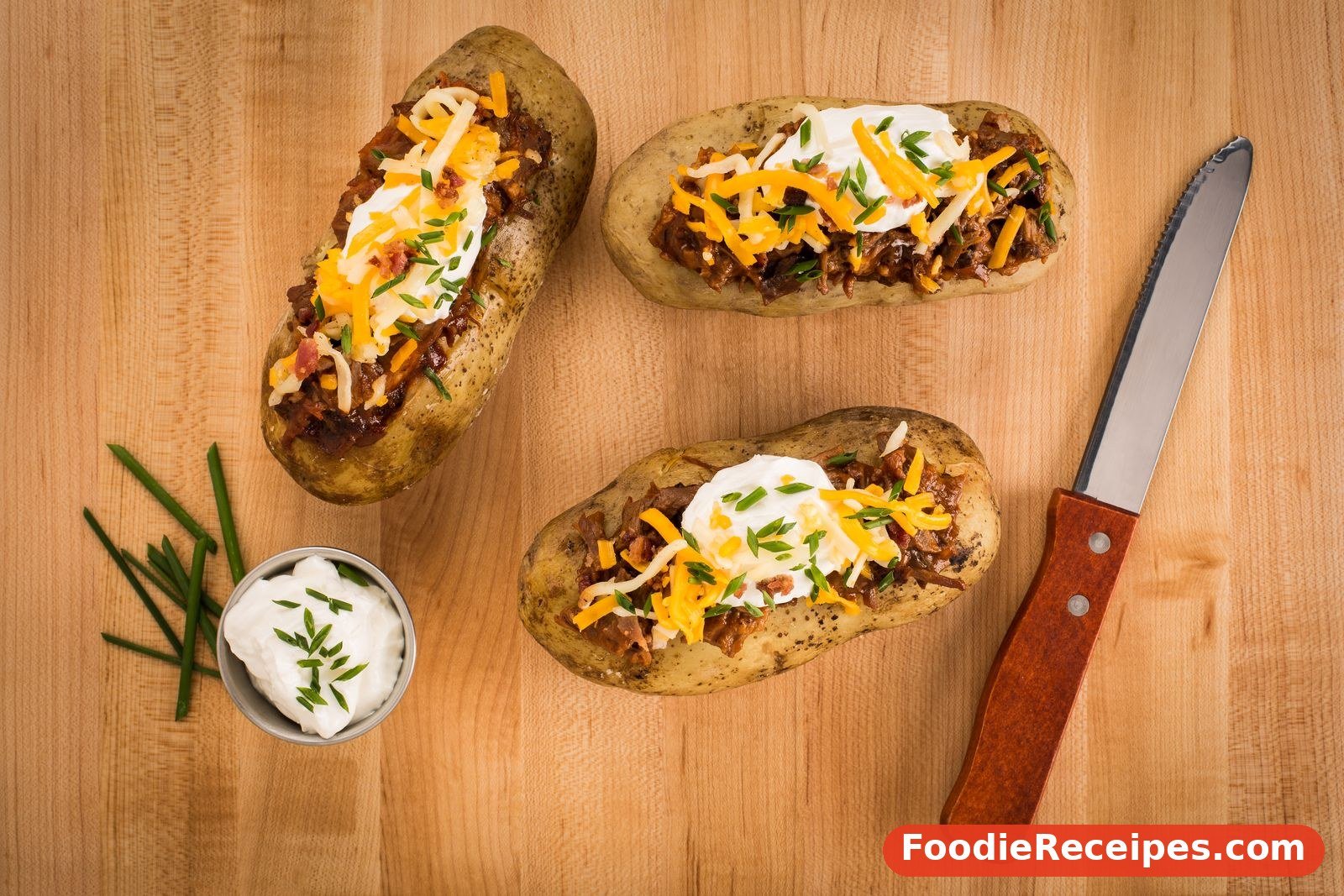
- BBQ pulled pork top: Skip the bacon in the topping and spoon 2 cups (about 300 g) of warm pulled pork over the finished casserole for a full barbecue-plate experience.
- Lighter version: Use reduced-fat sour cream (or plain Greek yogurt for the same tang), part-skim cheddar, turkey bacon, and skim milk. The texture stays close and the casserole still tastes loaded.
- Sweet potato twist: Replace half the russets with sweet potatoes, use smoked Gouda instead of cheddar, and keep the bacon — sweet, smoky and salty in the best way.
- Make it spicy: Pepper jack for half the cheese, a minced jalapeño folded in, and a pinch of cayenne in the seasoning.
What to Serve With Baked Potato Casserole
This is steakhouse-side royalty: serve it with grilled or roasted meats — ribeye, prime rib, roast chicken, pork chops, barbecue ribs, or a holiday ham or turkey, where it happily takes the place of plain mashed potatoes. It is a natural for cookouts alongside burgers and baked beans. Because it is rich, balance the plate with something green and bright: a crisp salad, steamed broccoli, green beans, or asparagus. As a main dish, it wants nothing more than a big salad and maybe a cup of tomato soup. And at a potluck, expect it to sit comfortably next to everything — this casserole plays well with the whole table.
Serving and Storage
Serve big spoonfuls straight from the dish, catching some of the golden top in every portion. Leftovers keep, covered, in the refrigerator for up to 4 days, and reheating is forgiving: microwave individual portions for 2–3 minutes with a splash of milk stirred in, or warm the dish, covered with foil, at 350°F (175°C) for 20–25 minutes. Uncover for the last few minutes to re-crisp the top, and a fresh sprinkle of cheese and bacon over reheated portions makes them taste newly made. Leftover casserole also makes superb potato cakes: form cold scoops into patties, dredge lightly in flour, and pan-fry in butter until crisp and golden on both sides.
To freeze, bake the casserole, cool it completely, wrap tightly, and freeze for up to 3 months. Thaw overnight in the refrigerator and reheat as above. You can also assemble the unbaked casserole — potatoes mashed, loaded and topped — cover it well, and refrigerate for up to 24 hours before baking; add 10–15 minutes to the bake time since it starts cold, and hold the final green onions until serving. That make-ahead flexibility, plus how well it travels, is why this dish shows up at so many gatherings.
Frequently Asked Questions
Can I use leftover mashed potatoes?
Yes — you need about 8 cups (about 1.6 kg). Stir in the cheddar, most of the bacon and the green onions, spread in the dish, top as directed, and bake until hot and bubbling, 25–30 minutes. If the leftover mash is stiff, loosen it with a splash of warm milk first.
Can I leave the potato skins on?
You can, for a rustic, steakhouse-style texture. Scrub the russets very well, cut them a little smaller so they cook evenly, and expect a heartier, less silky mash with pleasant bits of skin throughout. Many people prefer it.
Why did my casserole turn out gluey?
Overworking is the usual cause — a food processor or vigorous electric mixing bursts the starch. Wet potatoes are the other suspect. Mash gently by hand, steam-dry the potatoes well, and stop mixing as soon as the additions are folded in.
What is the best way to cook the bacon for this?
The oven method is hands-off and evenly crisp: a foil-lined sheet pan at 400°F (200°C) for 15–18 minutes. Whatever method you choose, cook it fully crisp — soft bacon disappears texturally into the potatoes.
Can I make this without bacon?
Certainly — for a vegetarian version, leave it out, use vegetable-friendly cheese, and add a pinch of smoked paprika so you still get a whisper of smokiness. Crispy fried shallots or onions on top restore the crunch.
How do I keep the top from drying out?
The cheese layer protects the potatoes. If your casserole needs a long bake (for example, from cold), cover it with foil for the first half of baking, then uncover to brown. A light extra drizzle of melted butter over the top before baking also helps.
Can I make it in a slow cooker?
After mashing and loading the potatoes, spread them in a greased slow cooker, top with the cheese and bacon, and cook on LOW for 2–3 hours until hot and melted. It will not develop the golden top of the oven version, but it frees the oven during a holiday meal and keeps the casserole at serving temperature beautifully — a legitimately strategic move in November.
Is this the same as “loaded mashed potato casserole”?
Essentially, yes — the names travel together. Some versions start with baked potatoes scooped from their skins instead of boiled chunks; the result is very close, and this boiled version is simply faster and more consistent. Either way, the signature is the same: fluffy potatoes, cheddar, bacon, sour cream and green onions, baked bubbly.
Closing
Baked potato casserole with cheddar and bacon takes the best plate at the steakhouse and makes it by the dishful: fluffy russet potatoes, real butter and sour cream, sharp cheddar in every bite, and crisp bacon on top. It can be made ahead, feeds a crowd without breaking a sweat, and improves every plate it lands on. The next time a dinner needs a side dish with main-event energy, this is the one.