

There are dinners that feed people, and there are dinners that reassure them. Meatloaf is the second kind. A good homemade meatloaf — tender, juicy, deeply savory, with a glossy sweet-and-tangy glaze caramelized on top — is one of the defining comfort foods of the American table. It has been the centerpiece of weeknight suppers and Sunday dinners for generations, and at its best it tastes like somebody who loves you is working in the kitchen.
This version is built around the glaze that made the dish famous in diners and home kitchens alike: ketchup sweetened with brown sugar, sharpened with mustard and vinegar, and brushed on in two coats so it bakes into a shiny, sticky, slightly caramelized shell. Underneath it, the loaf itself is kept moist the old-fashioned way — with a panade of fresh breadcrumbs soaked in milk, an egg to bind, and a gentle hand when mixing. That last part matters more than any ingredient: meatloaf is ruined far more often by overworking than by any missing seasoning.
You will also find the practical wisdom that makes meatloaf reliable instead of mysterious: the right fat percentage in the beef, the internal temperature to cook to, why a rest is not optional, and how to shape the loaf so it cooks evenly and slices like a dream. Make it once and you will understand why meatloaf has never gone out of fashion — and why tomorrow’s meatloaf sandwich might be the best part of all.
Serves: 8 | Prep time: 20 minutes | Cook time: 1 hour | Total time: 1 hour 30 minutes (including resting)
Ingredients
For the meatloaf
- 2 pounds (900 g) ground beef, 80–85% lean (do not use extra-lean — see the Tips)
- 1 cup (60 g) fresh soft breadcrumbs (from about 2 slices of white or sandwich bread, crusts removed), or ¾ cup (45 g) dry plain breadcrumbs
- ½ cup (120 ml) whole milk
- 1 medium yellow onion, grated or very finely diced (about 1 cup / 150 g)
- 2 large eggs (about 100 g without shells), lightly beaten
- 2 cloves garlic, minced (about 2 teaspoons / 6 g)
- 2 tablespoons (30 g) ketchup
- 1 tablespoon (15 ml) Worcestershire sauce
- 1½ teaspoons (9 g) fine sea salt
- ½ teaspoon (1 g) ground black pepper
- 1 teaspoon (2 g) dried thyme (or Italian seasoning)
- ½ teaspoon (1 g) smoked paprika (or regular paprika)
- 2 tablespoons (8 g) chopped fresh parsley (optional)
For the brown sugar glaze
- ¾ cup (180 g) ketchup
- ¼ cup (55 g) packed brown sugar (light or dark)
- 1 tablespoon (15 g) yellow mustard (or Dijon)
- 1 tablespoon (15 ml) apple cider vinegar (or white vinegar)
- ½ teaspoon (1 g) garlic powder
- ¼ teaspoon (0.5 g) onion powder
- Pinch of cayenne pepper (optional)
Step-by-Step Method
- Heat the oven and set up the pan. Preheat your oven to 350°F (175°C). Line a rimmed baking sheet with foil or parchment for the free-form method, or lightly grease a 9 × 5 inch (23 × 13 cm) loaf pan. (The free-form method on a baking sheet gives you more glazed surface and better browning; the loaf pan gives tidier slices and keeps the loaf extra moist. Both work — the steps below note the small differences.) Slip a wire rack over the baking sheet if you have one: elevating the loaf lets fat drain away so the bottom does not fry in grease.
- Make the panade (5 minutes). In a large mixing bowl, stir the breadcrumbs and milk together and let them stand for 5 minutes. The crumbs will absorb the milk and swell into a soft paste. This humble mixture — the panade — is the single biggest secret to a moist meatloaf: the starch holds onto moisture inside the meat as it cooks and keeps the loaf tender instead of dense.
- Add the seasonings to the panade (2 minutes). Stir the beaten eggs, grated onion, garlic, ketchup, Worcestershire sauce, salt, pepper, thyme, paprika and parsley into the soaked crumbs until well combined. Mixing the seasonings into the panade first, rather than directly onto the meat, distributes them evenly without extra handling of the beef.
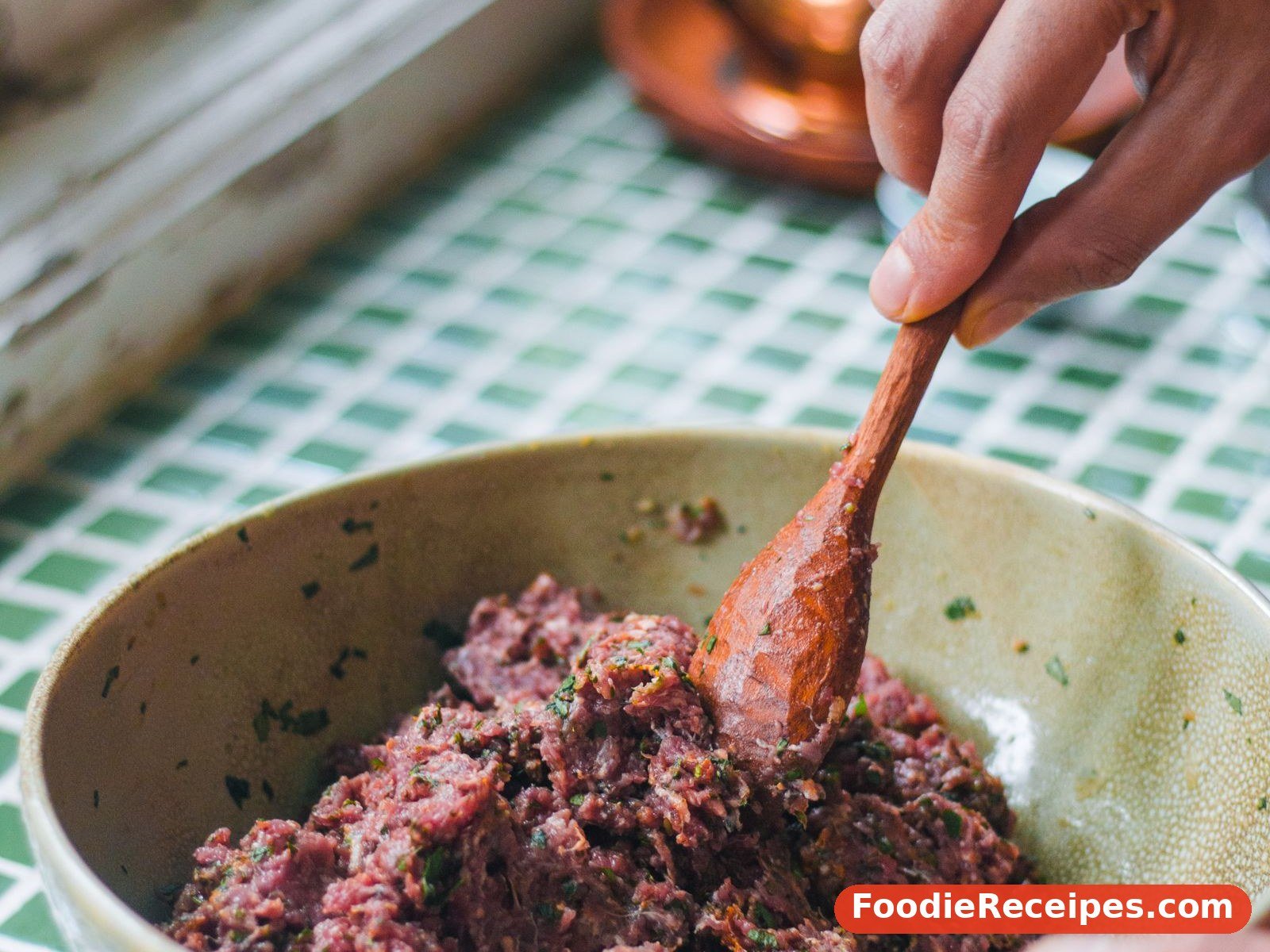
- Add the beef and mix gently (2 minutes — no more). Crumble the ground beef over the mixture. Using your hands with fingers spread (or a large fork), toss and fold the meat through the panade just until everything is evenly combined and no streaks of plain meat remain. Stop the moment it comes together. Overmixing works the proteins into a tight, springy mass — the difference between meatloaf and a giant meatball is mostly in this step.
- Shape the loaf (3 minutes). Turn the mixture out and shape it into an even loaf about 9 × 5 inches (23 × 13 cm) and roughly 2½ inches (6 cm) high — either set it on the prepared baking sheet or press it gently into the loaf pan. Smooth the top and square the sides with damp hands (wet hands stop the meat sticking). A uniform thickness is what lets the center finish cooking at the same time as the edges.
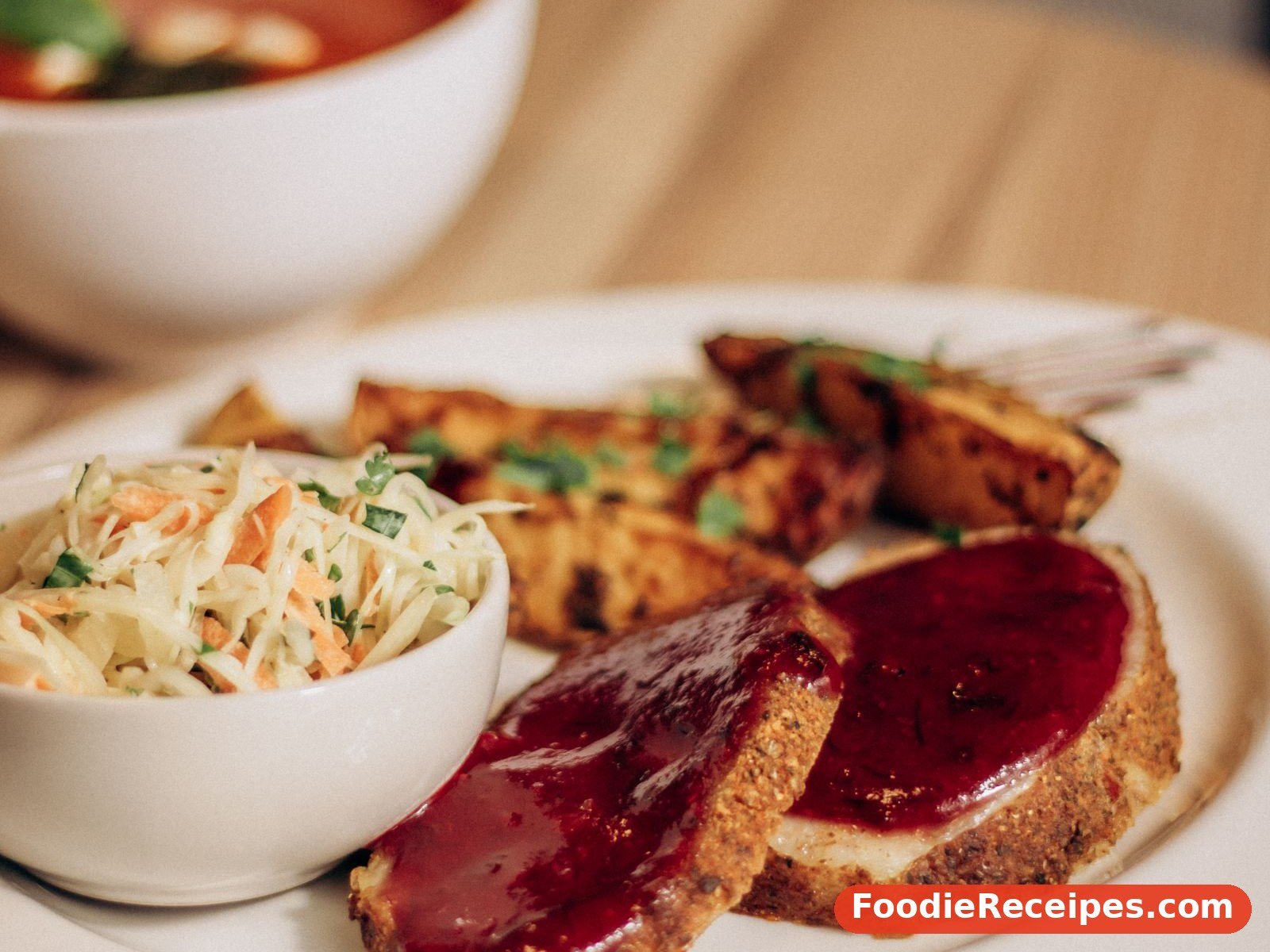
- Mix the glaze (2 minutes). In a small bowl, whisk together the ketchup, brown sugar, mustard, vinegar, garlic powder, onion powder and cayenne until the sugar is mostly dissolved and the glaze is glossy. It will smell like the best part of a barbecue joint.
- First glaze and bake (35 minutes). Spread about half of the glaze evenly over the top and sides of the loaf. Bake for 35 minutes. Starting with a coat now lets the glaze set into the surface and begin caramelizing rather than sliding off a fully cooked loaf later.
- Second glaze and finish (20–25 minutes). Pull the loaf out, spread the remaining glaze over the top (and patch the sides), and return it to the oven for 20–25 minutes more, until the glaze is shiny and darkened at the edges and an instant-read thermometer inserted into the very center reads 160°F (71°C). Total bake time is typically 55–60 minutes. If fat has pooled around a free-form loaf, spoon or blot it off when you take the meatloaf out.
- Rest — this step is not optional (10–15 minutes). Tent the meatloaf loosely with foil and rest it for at least 10 minutes, ideally 15. During the rest, the temperature evens out, the juices redistribute through the loaf, and the structure firms up. A meatloaf sliced straight from the oven will crumble and weep its juices all over the board; a rested one slices into clean, juicy slabs.
- Slice and serve. Cut into slices about ¾ inch (2 cm) thick with a long, sharp knife, using gentle sawing strokes. Serve two slices per person with the pan juices spooned over if you like.
Loaf Pan or Free-Form? Choosing Your Method
Home cooks have strong feelings about this, and both camps have a point. The loaf pan is the traditionalist’s choice: it produces tidy, uniform slices, keeps the loaf’s juices close so the meat stays extra moist, and requires no shaping skill at all. Its downsides are real, though — the sides and bottom of the loaf steam rather than brown, the fat pools in the pan around the meat, and only the top gets glazed.
The free-form loaf, shaped by hand on a rack over a baking sheet, is the flavor-lover’s choice. Hot air reaches the sides, the surface browns and firms, fat drains away instead of pooling, and you can brush glaze over the top and sides, which means more of the best part in every slice. It asks slightly more of you — an evenly shaped loaf, so it cooks evenly — but damp hands and thirty seconds of patting are all the skill it takes. If you are new to meatloaf, start with the pan for confidence; once you have the mix right, try free-form and taste why so many cooks never go back.
Tips for Perfect Results
- Use 80–85% lean beef. Extra-lean ground beef makes a dry, crumbly meatloaf no matter how good your panade is. Fat is flavor and moisture here; the rack or the loaf pan’s tilt handles the excess.
- Grate the onion instead of dicing it. A box grater turns onion into a juicy pulp that disappears into the loaf, adding moisture without the crunchy raw bits diced onion can leave. It also means no half-cooked onion pieces in the finished slices.
- Mix with a light hand, cold hands if you can. Warm hands melt the fat and overwork the meat. Some cooks even chill the bowl. The goal is a mixture just barely holding together.
- Trust the thermometer, not the clock. Ovens and loaf shapes vary. 160°F (71°C) at the center is the target for juicy and safe; every 5 degrees past that dries the loaf noticeably.
- The glaze goes on in two coats. One coat all at the start can scorch by the end of a full hour; two coats give you a set base and a fresh, shiny finish.
- Let it rest the full 15 minutes. It is the difference between slices and rubble. Use the time to finish the mashed potatoes.
- Save the drippings judgment for the pan. A little fat around the loaf is normal. A flood usually means very fatty beef — blot it off, and consider 85% lean next time.
Variations and Substitutions
- Beef and pork blend: Replace half the beef with ground pork for a richer, slightly sweeter loaf; the internal temperature stays 160°F (71°C).
- Turkey meatloaf: Use ground turkey (93% lean, not breast-only), add an extra tablespoon of Worcestershire and a tablespoon of olive oil to compensate for the lean meat, and cook to 165°F (74°C).
- Cheese-stuffed: Press half the mixture into the pan, lay 4 ounces (113 g) of mozzarella or cheddar sticks or slices down the center, cover with the rest of the meat, and seal the edges well before glazing.
- BBQ glaze: Swap the ketchup glaze for your favorite barbecue sauce mixed with 2 tablespoons of brown sugar and a teaspoon of mustard.
- Italian-style: Season with Italian seasoning and Parmesan stirred into the mix (¼ cup / 25 g), and glaze with marinara plus a mozzarella blanket for the last 10 minutes instead of the brown sugar glaze.
- Oatmeal instead of breadcrumbs: Old-fashioned rolled oats (¾ cup / 70 g) are a time-honored binder, especially in Depression-era recipes, and give the loaf a slightly heartier bite. Quick oats work too; steel-cut oats do not.
- Mini meatloaves: Divide the mixture among a muffin tin (about 12 loaves) or shape 4 mini loaves; glaze and bake 25–30 minutes. Faster cooking, more glaze per bite, and perfect portion control.
- Gluten-free: Use gluten-free breadcrumbs or an equal amount of quick oats (certified gluten-free if needed) and check your Worcestershire sauce.
What to Serve With Meatloaf
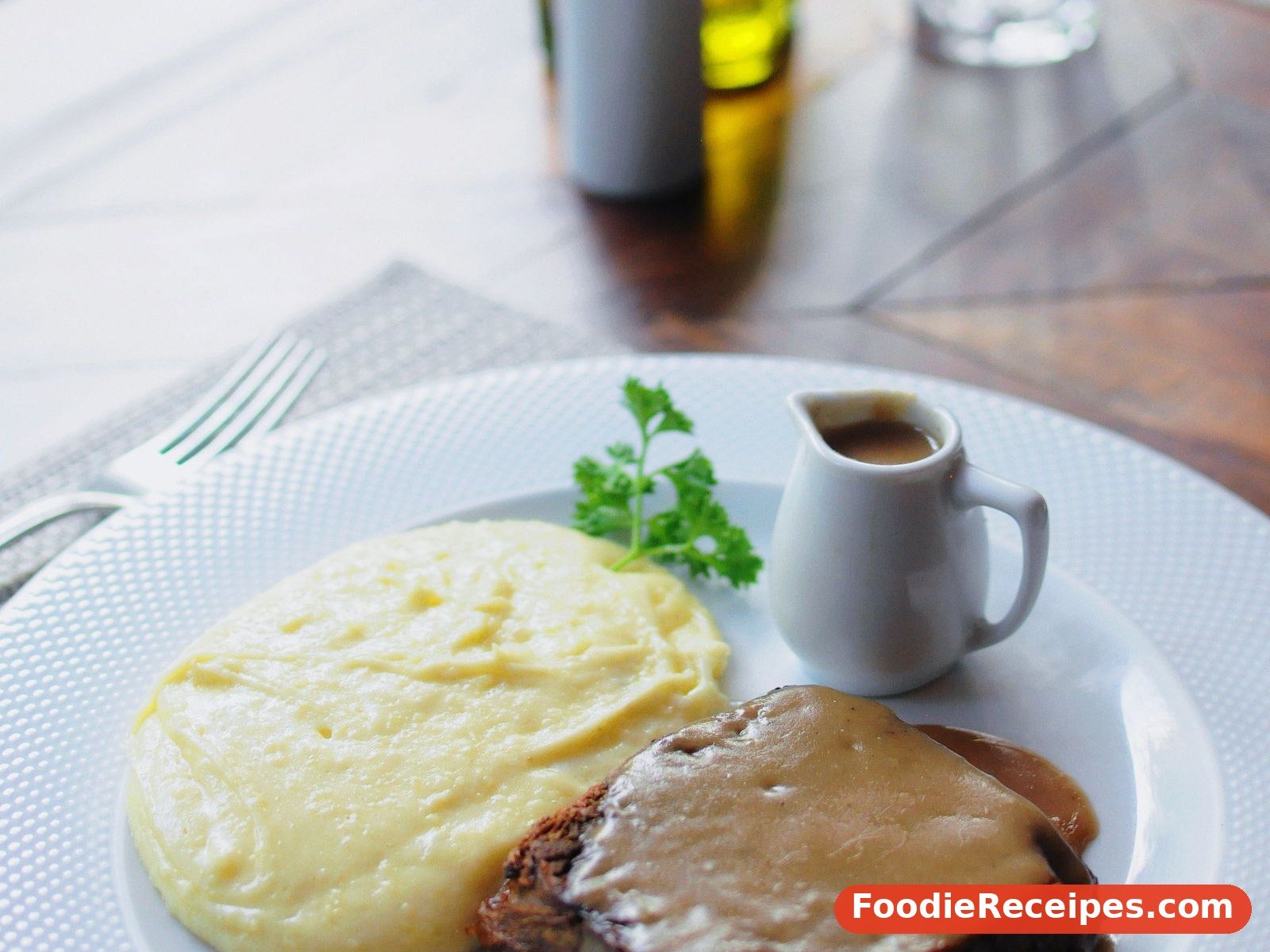
Meatloaf’s natural habitat is a plate with mashed potatoes — ideally with a well in the middle for gravy or extra glaze — and a green vegetable. Buttered peas, green beans, glazed carrots and roasted broccoli are the classics. Creamed corn, mac and cheese, or scalloped potatoes turn dinner into a full comfort-food event. A crisp green salad or coleslaw adds the contrast the rich plate wants. And do not overlook the next day: a cold or griddled meatloaf sandwich on white bread with mayonnaise and a swipe of leftover glaze is, for many people, the entire point of making meatloaf.
Serving and Storage
Serve slices hot, two per person, with a little extra warmed glaze or pan juice spooned over. Leftovers are a treasure, not an afterthought: refrigerate slices in an airtight container for up to 4 days.
Reheat slices gently so they do not dry out — a covered skillet over medium-low heat with a splash of water, about 4 minutes per side, keeps them moist; the microwave at reduced power works too. For the famous sandwich, a quick sear in a buttered skillet gives the slice crisp, caramelized edges that are hard to beat.
Meatloaf freezes beautifully, cooked or uncooked. To freeze cooked: cool completely, wrap individual slices or the whole loaf tightly, and freeze up to 3 months; thaw overnight in the fridge and reheat, covered with foil, at 325°F (165°C) until hot. To freeze uncooked: shape the loaf (without glaze) on a lined sheet, freeze solid, wrap well, and freeze up to 3 months; thaw overnight in the fridge, glaze, and bake as directed. For make-ahead convenience, the mixed, shaped loaf can wait, covered, in the refrigerator for up to 24 hours before baking — add 5 minutes to the bake time.
Frequently Asked Questions
Why did my meatloaf fall apart?
Either it was sliced before resting, or the binder was off — too little egg or breadcrumb, or a mixture so wet it never set. Rest the full 15 minutes, slice with a sharp knife, and check your proportions: for 2 pounds (900 g) of meat you want about 1 cup (60 g) of crumbs and 2 eggs.
Why is my meatloaf dense and tough?
Almost always overmixing. Once the beef goes in, mix only until combined — thirty seconds of gentle folding, not minutes of kneading. Using very lean beef and skipping the milk-soaked panade also contribute to a dense loaf.
Can I make meatloaf without a loaf pan?
Yes — many cooks prefer it. A free-form loaf on a rack over a rimmed baking sheet browns better, gets glaze on more surfaces, and never steams in its own fat. Shape it evenly and it will hold together beautifully.
How do I keep the top from cracking?
Cracks usually come from a mixture that is too dry or an oven that is too hot. Smooth the top with wet hands before baking, make sure the panade is properly soaked, and let the first glaze coat seal the surface early in the bake.
Can I use only brown sugar in the glaze without ketchup?
The classic glaze needs ketchup’s tomato, vinegar and spices for balance — brown sugar alone would be one-note and prone to burning. If you are out of ketchup, substitute tomato sauce plus a tablespoon of vinegar and a pinch of salt and paprika, then add the brown sugar and mustard as written.
Is it safe to taste the mixture for seasoning?
Never taste raw meat mixture. Instead, fry a teaspoon of the mixture in a small skillet for a minute and taste that — it is the professional way to check seasoning before the loaf is shaped, and it takes two minutes.
Why does the recipe say to rest the meatloaf two different times?
There is only one rest — the important one after baking. The five minutes at the start is for the breadcrumbs soaking up milk, which happens before the meat is even added. Both are quiet steps where time does the work for you.
Closing
Homemade meatloaf with brown sugar glaze is not fancy, and that is precisely its glory: honest beef, a soft crumb, and that shiny, sweet-tangy top, all coming out of one pan to feed the people you love. Master the gentle mix and the patient rest, and you will never serve a dry meatloaf again. Slice it thick, pass the mashed potatoes, and save a piece for tomorrow’s sandwich.