
If you grew up in America any time in the last seventy years, there is a good chance tuna noodle casserole holds a place in your memory: the wide egg noodles, the creamy sauce, the sweet peas, and — the part every kid fought over — the salty, crunchy crown of crushed potato chips on top. It was a Friday-night staple during Lent, a budget hero at the end of the month, and the casserole that could be assembled from pantry cans and a bag of noodles when the fridge was nearly bare. It is humble food, and it is beloved for good reason.
This old fashioned version is made the way many grandmothers actually made it before shortcuts took over: with a simple from-scratch cream sauce of butter, flour and milk, plenty of good tuna, and a generous blanket of crushed potato chips that bakes up golden and shatteringly crisp. (If your family’s tradition used a can of cream soup, you will find that swap in the variations — no judgment here, nostalgia is personal.) The sauce is seasoned with a little onion, celery and a whisper of mustard and lemon, which keep the casserole from tasting flat the way plain versions sometimes can.
What makes this dish endure is the contrast: silky noodles and sauce underneath, crunchy chips on top, and little pops of sweetness from the peas. It costs very little to make, it feeds a family generously, and it goes from pantry to oven in about twenty minutes of hands-on work. Whether you are recreating a childhood favorite or meeting it for the first time, this is the version to start with.
Serves: 6–8 | Prep time: 20 minutes | Cook time: 25 minutes | Total time: 45 minutes
Ingredients
For the noodles
- 12 ounces (340 g) wide egg noodles (about 6 cups dry)
- 1 tablespoon (18 g) salt, for the noodle water
For the cream sauce and filling
- 4 tablespoons (56 g) unsalted butter
- 1 small yellow onion, finely diced (about 1 cup / 150 g)
- 2 ribs celery, finely diced (about ¾ cup / 100 g)
- ¼ cup (32 g) all-purpose flour
- 2 cups (480 ml) whole milk, at room temperature
- ½ cup (120 ml) low-sodium chicken broth (or reserved noodle cooking water)
- 1 teaspoon (5 g) Dijon mustard (or ½ teaspoon mustard powder)
- 1 teaspoon (5 ml) lemon juice, freshly squeezed if possible
- ¾ teaspoon (4.5 g) fine sea salt, plus more to taste
- ½ teaspoon (1 g) ground black pepper
- ¼ teaspoon (0.5 g) garlic powder
- 3 cans (5 oz / 142 g each) tuna in water, drained well (about 3 cups / 360 g drained tuna)
- 1½ cups (225 g) frozen peas, no need to thaw
- 1 cup (110 g) shredded cheddar cheese (optional, old fashioned cooks were divided on cheese — see the FAQ)
- 2 tablespoons (8 g) chopped fresh parsley, plus more for serving (optional)
For the potato chip topping
- 2 cups (60 g) plain or ridged potato chips, crushed into coarse crumbs (from about 3 cups whole chips)
- 1 tablespoon (14 g) unsalted butter, melted
- ¼ teaspoon (0.5 g) paprika (optional, for color)
Step-by-Step Method
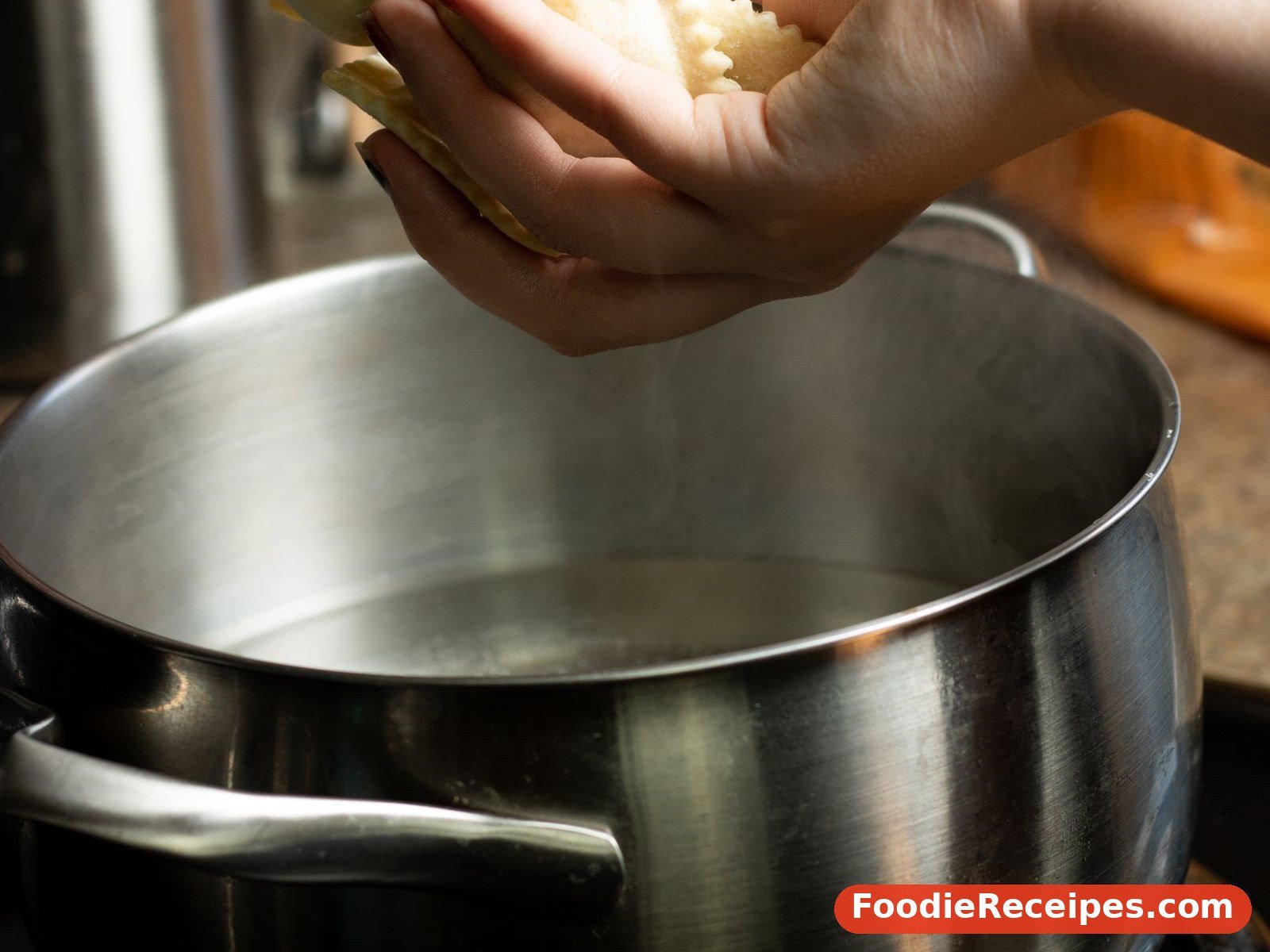
- Heat the oven and cook the noodles (8–10 minutes). Preheat your oven to 375°F (190°C) and lightly grease a 9 × 13 inch (23 × 33 cm) baking dish (a 2½-quart / 2.4 L dish also works). Bring a large pot of water to a boil, add the salt, and cook the egg noodles 2 minutes less than the package directs — they should be quite firm, because they will soften further in the sauce and oven. Reserve ½ cup (120 ml) of the cooking water, then drain the noodles and set them aside. Do not rinse them; the surface starch helps the sauce cling.
- Soften the onion and celery (4–5 minutes). In a large, deep skillet or Dutch oven, melt the butter over medium heat. Add the onion and celery and cook, stirring occasionally, until softened and sweet but not browned, about 4–5 minutes. These two vegetables are the quiet backbone of the old fashioned flavor, so give them their time.
- Make the cream sauce (4–5 minutes). Sprinkle the flour over the vegetables and whisk or stir constantly for 1 minute to cook it. Slowly pour in the milk while stirring, then the broth, and keep stirring until smooth. Add the mustard, lemon juice, salt, pepper and garlic powder. Simmer gently for 3–4 minutes, stirring often, until the sauce thickens to the consistency of a pourable gravy that coats the back of a spoon.
- Fold in the tuna and peas (2 minutes). Remove the pan from the heat. Break the drained tuna into generous flakes — not a paste — and fold it in along with the frozen peas, the cheddar if using, and the parsley. Fold gently so the tuna stays in satisfying chunks. Taste and adjust the salt; canned tuna varies in saltiness, so this tasting step matters.
- Combine with the noodles (2 minutes). Add the drained noodles to the sauce and fold everything together until every noodle is coated. If the mixture looks thick or tight, loosen it with a splash or two of the reserved noodle water — the casserole should look generously saucy now, because the noodles will absorb liquid as they bake.
- Fill the dish (2 minutes). Scrape the mixture into the prepared baking dish and spread it into an even layer, nudging noodles into the corners.
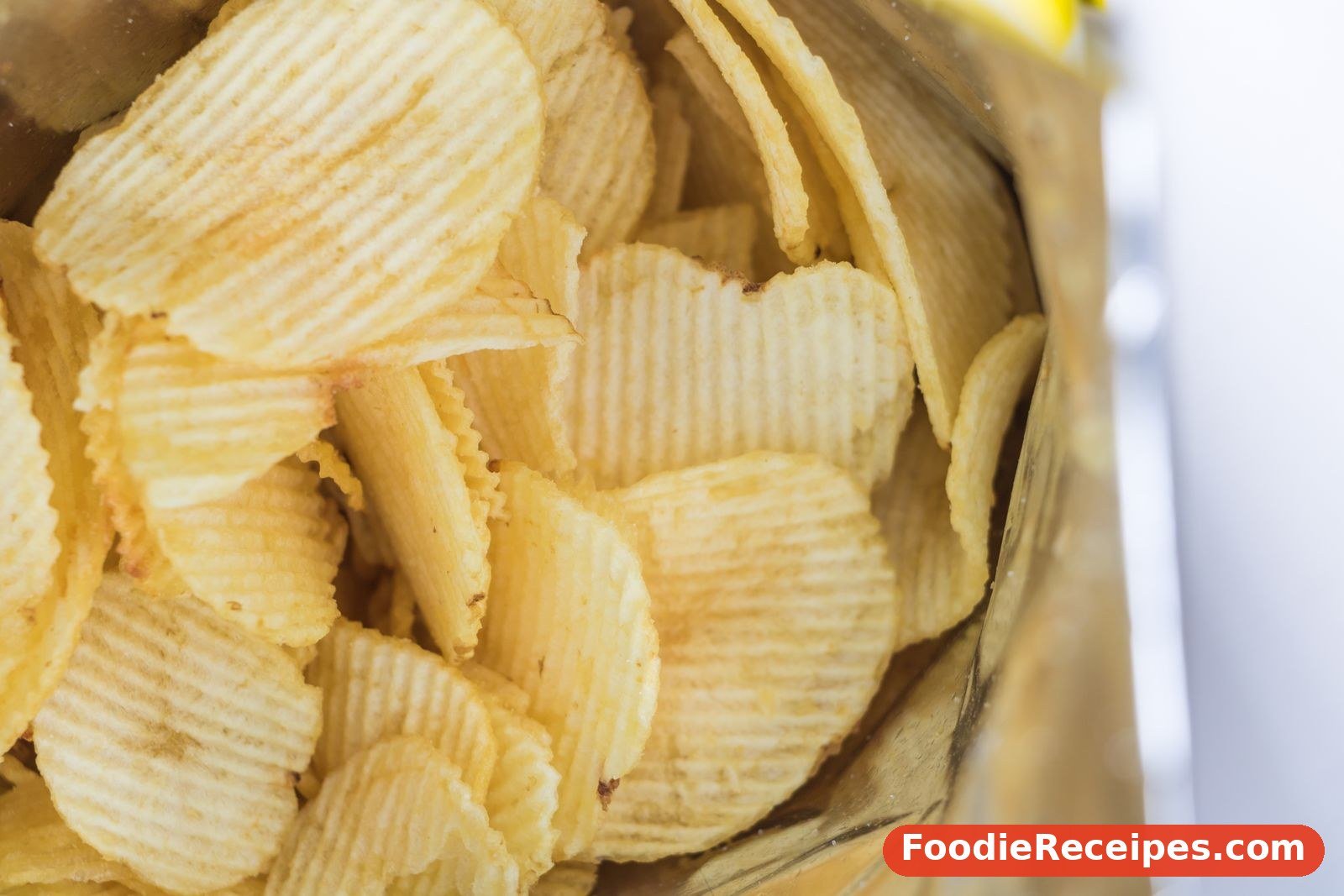
- Add the potato chip topping (3 minutes). Crush the potato chips coarsely — the easiest way is in a zip-top bag, pressed with a rolling pin or the bottom of a glass; you want rubble, not dust. Toss the crumbs with the melted butter and paprika, then scatter them evenly over the whole surface of the casserole, right to the edges.
- Bake until bubbling and golden (20–25 minutes). Bake, uncovered, for 20–25 minutes, until the sauce bubbles up around the edges and the chip topping is deep golden and crisp. Chips brown faster than breadcrumbs, so start checking at 18 minutes and tent loosely with foil if the top is coloring too quickly.
- Rest and serve (5–10 minutes). Let the casserole rest for at least 5–10 minutes so the sauce settles and thickens slightly. Scatter a little extra parsley over the top if you like, and serve hot, making sure each portion gets a good share of the crunchy chips.
A Dish With Real History
Tuna casserole is not a fad that faded — it is a genuine piece of American food history. Canned tuna became widely available in the early 1900s, and by the 1930s and 1940s, home economists were publishing tuna-and-noodle bakes as smart, meatless economy cooking. The dish truly took off in the 1950s, when convenience products swept American kitchens and tuna noodle casserole became the definitive pantry casserole: one pot of noodles, a can or two of tuna, a creamy sauce, and whatever crunchy topping was in the cupboard.
The potato chip topping is part of that story. Mid-century magazine recipes and community cookbooks regularly crowned casseroles with crushed chips, because chips were cheap, salty, buttery-tasting and already in the house after weekend company. Breadcrumb toppings came from an earlier generation; cracker crumbs came later. Chips were the fun, modern choice — and honestly, they are still the crunchiest of the three.
The casserole also earned its keep on Lenten Fridays in Catholic households, on meatless Mondays, and in countless school and church suppers, where it could be stretched to feed a crowd for very little money. That thrift is worth remembering now: this is a dinner that respects a budget without tasting like a compromise. Every generation rediscovers it, usually the first time they need to feed people well from whatever is already in the pantry — and every generation agrees the chip topping is non-negotiable.
Tips for Perfect Results
- Undercook the noodles — really undercook them. Two minutes shy of the package time is the single most important trick in this recipe. Egg noodles are delicate, and fully cooked noodles plus 25 minutes in a sauce bath equals mush.
- Drain the tuna thoroughly. Press the lid down on the opened can over the sink and let it drip. Watery tuna is the most common cause of a watery casserole.
- Crush chips coarsely. A mix of pea-size crumbs and small shards gives the best crunch. Powder-fine crumbs burn and disappear; whole chips do not cover evenly.
- Use ridged chips for extra crunch. Ridged (ruffled) potato chips are sturdier than thin chips and stay crisp longer under the sauce’s steam. Kettle-cooked chips are another excellent, extra-crunchy choice.
- Wait to top until baking time. If you assemble the casserole ahead, keep the crushed chips in a separate bag and scatter them on just before the dish goes into the oven — chips that sit on a wet sauce go soggy.
- Let it rest. Five to ten minutes of resting turns a loose, soupy scoop into a proper portion, and lets the chip topping stay crisp on top instead of steaming soft on a plated serving cut too soon.
Variations and Substitutions
- The canned-soup classic: Swap the homemade sauce for one can (10.5 oz / 298 g) of cream of mushroom or cream of celery soup whisked with ½ cup (120 ml) of milk. This is the version many families grew up with, and it is perfectly good.
- Mushroom lover’s: Sauté 8 ounces (225 g) of sliced mushrooms with the onion and celery for a deeper, earthier casserole.
- Extra-cheesy: Double the cheddar and add a layer of cheese under the chips. Rich, gooey and very popular with kids.
- Cracker top: Replace the chips with 1 cup (60 g) of crushed buttery round crackers tossed with melted butter — a close cousin of the chip topping with a more delicate crunch.
- Tuna melt style: Skip the peas, add a diced tomato and extra cheddar, and serve scoops over toasted bread.
- Salmon or chicken: Canned salmon (bones and skin removed) or 3 cups (420 g) of cooked diced chicken slide straight into this formula when tuna is not your thing.
- Add a little heat: A pinch of cayenne or a few dashes of hot sauce in the sauce wakes everything up without changing the casserole’s character.
What to Serve With Tuna Noodle Casserole
Old fashioned suppers kept it simple beside this casserole: buttered peas (if you did not put them in), a crisp green salad with French or ranch dressing, sliced tomatoes in summer, or pickled beets for a sweet-tart bite. Dinner rolls or saltine crackers with butter are period-perfect. Steamed green beans, glazed carrots, or a simple slaw all fit comfortably. For dessert in the same nostalgic spirit, think gelatin salad, applesauce, or a slice of yellow cake. Iced tea and milk were the traditional pours; lemonade works nicely too.
Serving and Storage
Serve the casserole hot from the dish, scooping down through the chip topping so every portion gets crunch. Leftovers keep, covered, in the refrigerator for up to 3 days — tuna dishes are a little more perishable than most casseroles, so do not push past that.
Reheat individual portions in the microwave for 2–3 minutes. The chips will soften in storage no matter what you do; to revive them, sprinkle a small handful of freshly crushed chips over each reheated portion, or reheat in the oven at 350°F (175°C) for 15 minutes and add fresh chips for the last 5. A few minutes in an air fryer at 375°F (190°C) also restores respectable crunch.
Freezing is possible but not ideal — egg noodles can go soft and the chips will not survive. If you want to freeze it, freeze the casserole without the chip topping, well wrapped, for up to 2 months; thaw overnight in the fridge, add fresh crushed chips, and bake as directed. For make-ahead serving, assemble the noodle mixture in the dish up to 24 hours ahead, cover and refrigerate, then top with chips and bake, adding 5–10 minutes since it starts cold.
Frequently Asked Questions
Which tuna is best — in water or in oil?
Tuna packed in water is the old fashioned standard and keeps the casserole lighter; drain it very well. Tuna in olive oil makes a richer casserole — if you use it, drain it but do not rinse, and reduce the butter in the sauce by 1 tablespoon.
Should tuna noodle casserole have cheese in it?
Families are genuinely split, and both camps claim history. The cheese here is optional: leave it out for the leaner, more traditional profile, or include it for a richer, more kid-friendly casserole. Sharp cheddar or a mild American cheese both work.
Can I use a different pasta?
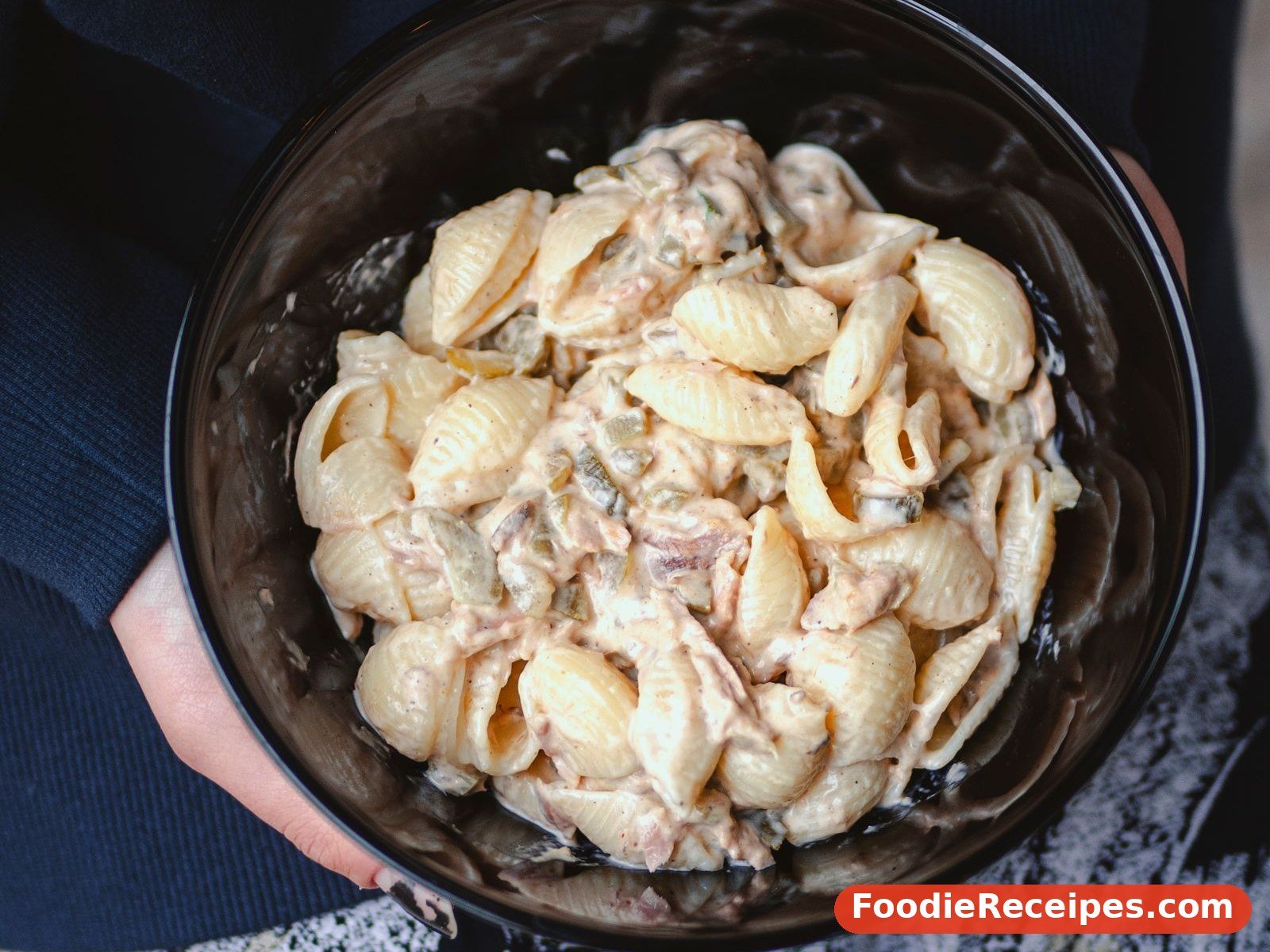
Wide egg noodles are classic, but medium shells, rotini and penne all work. Keep the weight at 12 ounces (340 g) and keep the “2 minutes under” cooking rule, since shaped pastas also keep absorbing sauce in the oven.
Why did my casserole come out dry?
Usually the noodles were fully cooked before baking, or the chips went on a casserole that sat too long before baking, letting the noodles drink the sauce. A casserole that looks almost too saucy going into the oven is just right. A splash of milk whisked in before baking rescues a tight mixture.
Can I leave out the peas?
Of course. Swap in the same amount of frozen corn, diced cooked carrots, cut green beans, or small broccoli florets — or leave vegetables out entirely and serve them on the side. The peas are traditional, not mandatory.
What are the best chips for the topping?
Plain ridged or kettle-cooked chips give the sturdiest crunch. Sour cream and onion or cheddar-flavored chips are fun variations. Barbecue chips are flavorful but their sugar can scorch — watch them closely if you try them.
Can I make this for a crowd or a potluck?
Yes — double it into two dishes (a single dish doubled gets too deep to heat evenly), transport it hot or bake it on site, and add the chips at the destination if possible. It is one of the most requested potluck casseroles precisely because the ingredients travel so well.
Closing
Old fashioned tuna noodle casserole with potato chips is proof that great comfort food does not need fancy ingredients — just a creamy sauce, tender noodles, good tuna, and that irresistible salty crunch on top. It is dinner from a pantry shelf, nostalgia in a baking dish, and still, after all these years, one of the most satisfying scoops in American home cooking. Make it on a night when everyone needs a little comfort, set the dish in the middle of the table with a big spoon, and pass the extra chips — someone always wants more of the top.