
Macaroni and cheese is not just a dish in America — it is an institution. It anchors holiday tables next to the turkey, headlines soul food spreads alongside fried chicken and greens, shows up at every barbecue and potluck worth attending, and still manages to be the dinner kids beg for on ordinary Wednesdays. There are hundreds of ways to make it, but this easy baked mac and cheese with evaporated milk belongs to one of the most beloved traditions of all: the Southern-style baked mac, rich and custardy, with a deep golden top and cheese in every single bite.
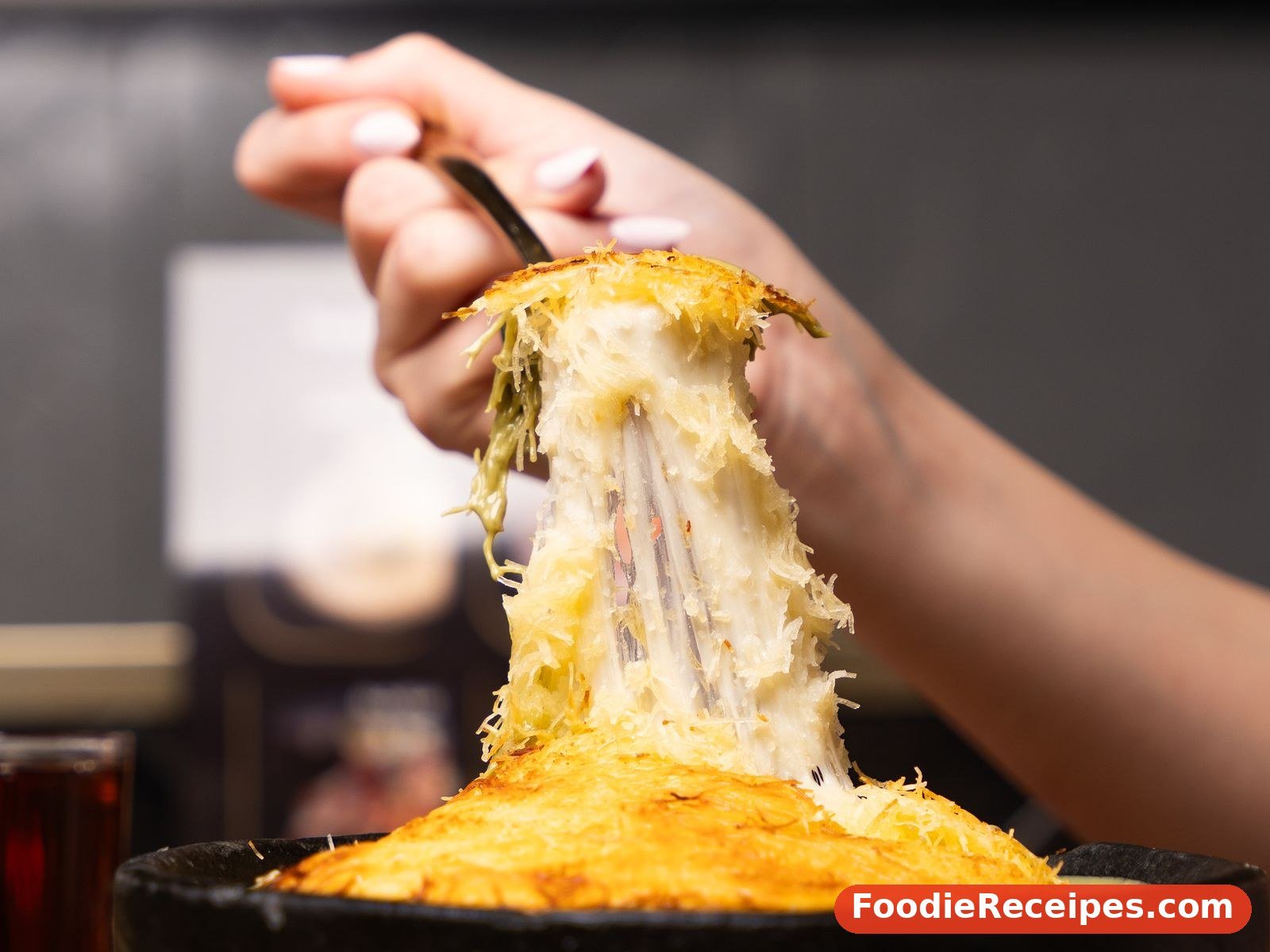
The secret ingredient is right in the title. Evaporated milk — the canned, unsweetened, concentrated milk that has sat in American pantries for over a century — is a quiet miracle in cheese sauces. Because it has been heated during canning, its proteins are remarkably stable, which means it can simmer and bake without curdling or splitting. It is richer than fresh milk but lighter than cream, and it helps cheese melt into a sauce that is silky, glossy, and sliceable once baked, instead of greasy or grainy. Generations of Southern grandmothers knew this without knowing the food science; now you know both.
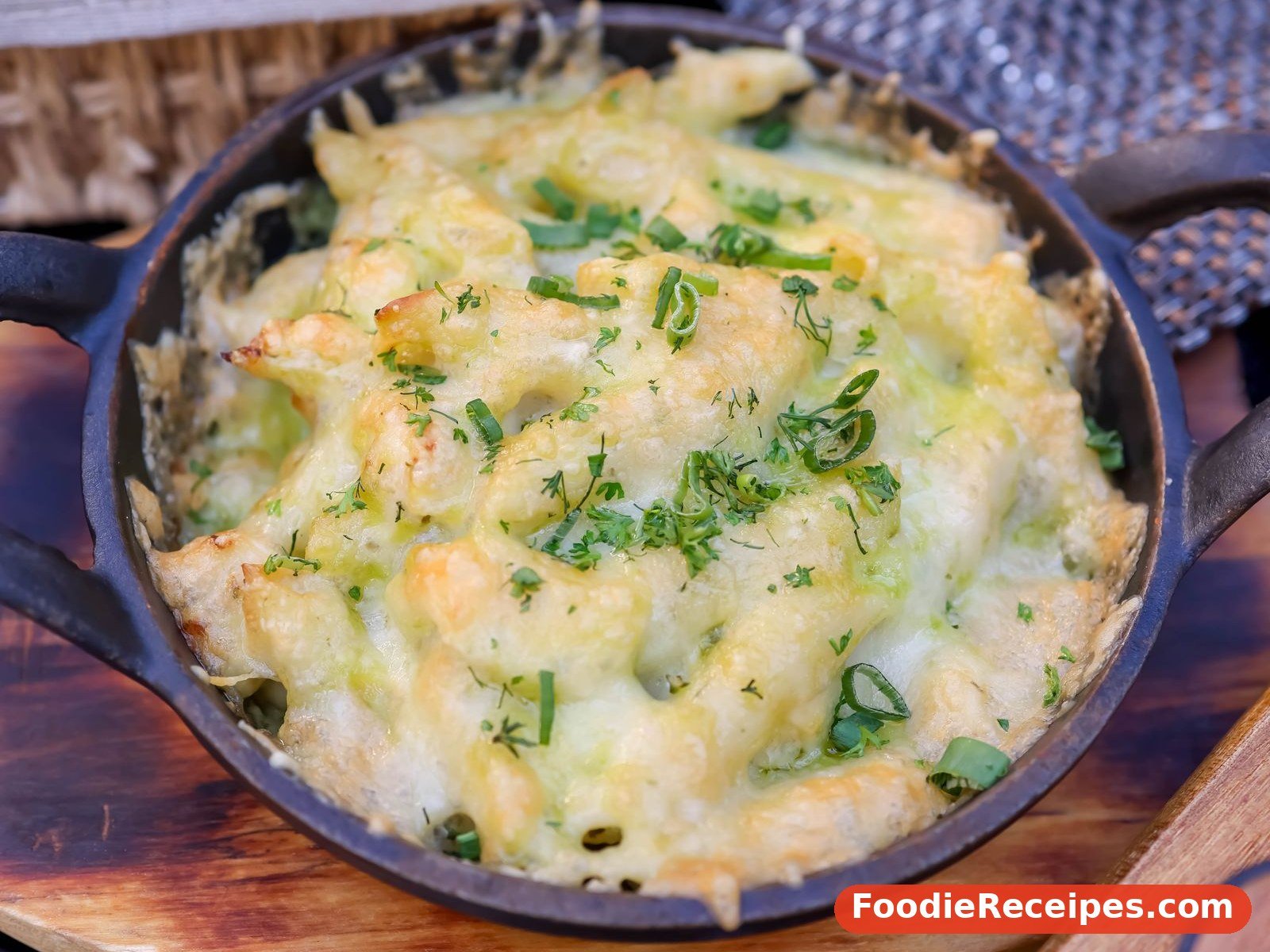
This version also skips the roux. Instead of building a béchamel, you whisk eggs into the evaporated milk, melt flavorful cheeses right into the hot pasta, and let the oven set everything into that classic baked texture — creamy in the middle, golden and slightly crisp at the edges and on top. It is genuinely easy: boil pasta, stir in cheese, pour, bake. And yet the result tastes like somebody’s treasured family recipe, because in spirit, it is. This is the mac and cheese people hover around at the potluck, asking who made it.
One more thing to know before you start: the cheese blend matters. Sharp cheddar brings the flavor, a little American or Velveeta-style cheese brings unbeatable melt and creaminess, and a touch of mustard and paprika wakes everything up. We will talk through the options below, but if you remember “evaporated milk plus eggs plus good cheddar,” you will always have great mac and cheese.
Why Evaporated Milk Makes the Creamiest Mac
Fresh milk works in mac and cheese, so why reach for the can? Because evaporated milk outperforms it in baked mac in several specific ways:
- Stability. Its heat-treated proteins resist curdling, so the sauce stays smooth through a long bake.
- Concentration. Roughly 60% of its water has been removed, so it delivers more milk solids and richness without watering down the cheese flavor.
- Emulsifying power. It helps cheese fats and proteins blend into a glossy, unified sauce instead of separating into grease.
- Pantry convenience. It keeps for months, so great mac and cheese is always within reach — no special shopping trip.
- Classic flavor. That faint, caramelized-milk depth is exactly the background note in the baked macs people grew up loving.
Do not confuse it with sweetened condensed milk, which is loaded with sugar and belongs in desserts. For mac and cheese, the can must say “evaporated milk,” unsweetened. Your taste buds will thank you for reading the label.
Serves: 8 as a main, 10–12 as a side | Prep time: 15 minutes | Cook time: 35 minutes | Total time: about 50 minutes (plus 10 minutes resting)
Ingredients
For the macaroni
- 1 lb (450 g) elbow macaroni
- 1 tablespoon (18 g) fine sea salt, for the pasta water
- 4 tablespoons (56 g) unsalted butter, cut into pieces
For the cheese sauce
- 2 cans (12 oz / 354 ml each) evaporated milk (about 3 cups / 710 ml total)
- 2 large eggs, at room temperature
- 1 teaspoon (5 g) yellow mustard or ½ teaspoon mustard powder
- 1 teaspoon (6 g) fine sea salt
- ½ teaspoon (1 g) black pepper
- ½ teaspoon (2 g) paprika (sweet or smoked), plus extra for the top
- ¼ teaspoon garlic powder
- A pinch of cayenne pepper (optional)
- 3 cups (340 g) shredded sharp cheddar cheese, divided
- 1 cup (115 g) shredded Colby Jack or mild cheddar
- 4 oz (115 g) American cheese or Velveeta-style cheese, cubed (for supreme melt)
- 1 cup (115 g) shredded cheese for the top — extra cheddar or a blend
Equipment note
- You will need a 9 × 13 inch (23 × 33 cm) baking dish, buttered. A deep dish is best; the mac should sit proud and bubbly, not spread thin.
A note on shredding: as with every cheese sauce, freshly shredded cheese melts far better than bagged shreds with their anti-caking coatings. More importantly, you need cheeses that melt into silk. Very aged, fancy cheddars can taste wonderful but turn grainy and oily when baked — save those for the cheese board and use good, honest, medium-aged sharp cheddar here.
Step-by-Step Method
- Heat the oven and butter the dish. Preheat the oven to 375°F (190°C). Butter the baking dish generously.
- Cook the pasta — slightly under (7–8 minutes). Bring a large pot of water to a rolling boil, add the tablespoon of salt, and cook the elbow macaroni 1 to 2 minutes less than the package directs for al dente. The pasta will finish cooking in the oven, and starting it slightly firm is the key to mac that stays distinct instead of mushy. Drain well; do not rinse.
- Butter the pasta. Return the hot, drained macaroni to the pot. Add the butter pieces and stir until melted and every elbow is glossy. This light coating keeps the pasta from clumping while you build the sauce.
- Melt in the cheeses (3–4 minutes). With the pot over the lowest possible heat (or off the heat entirely, using the pasta’s warmth), add the cubed American cheese and stir until melted and smooth. Then add 2 cups (225 g) of the sharp cheddar and the Colby Jack, a handful at a time, stirring until each addition melts into a thick, glossy sauce that coats the pasta. If the pot has cooled too much, return it to low heat briefly — but never let it boil, or the cheese can turn grainy.
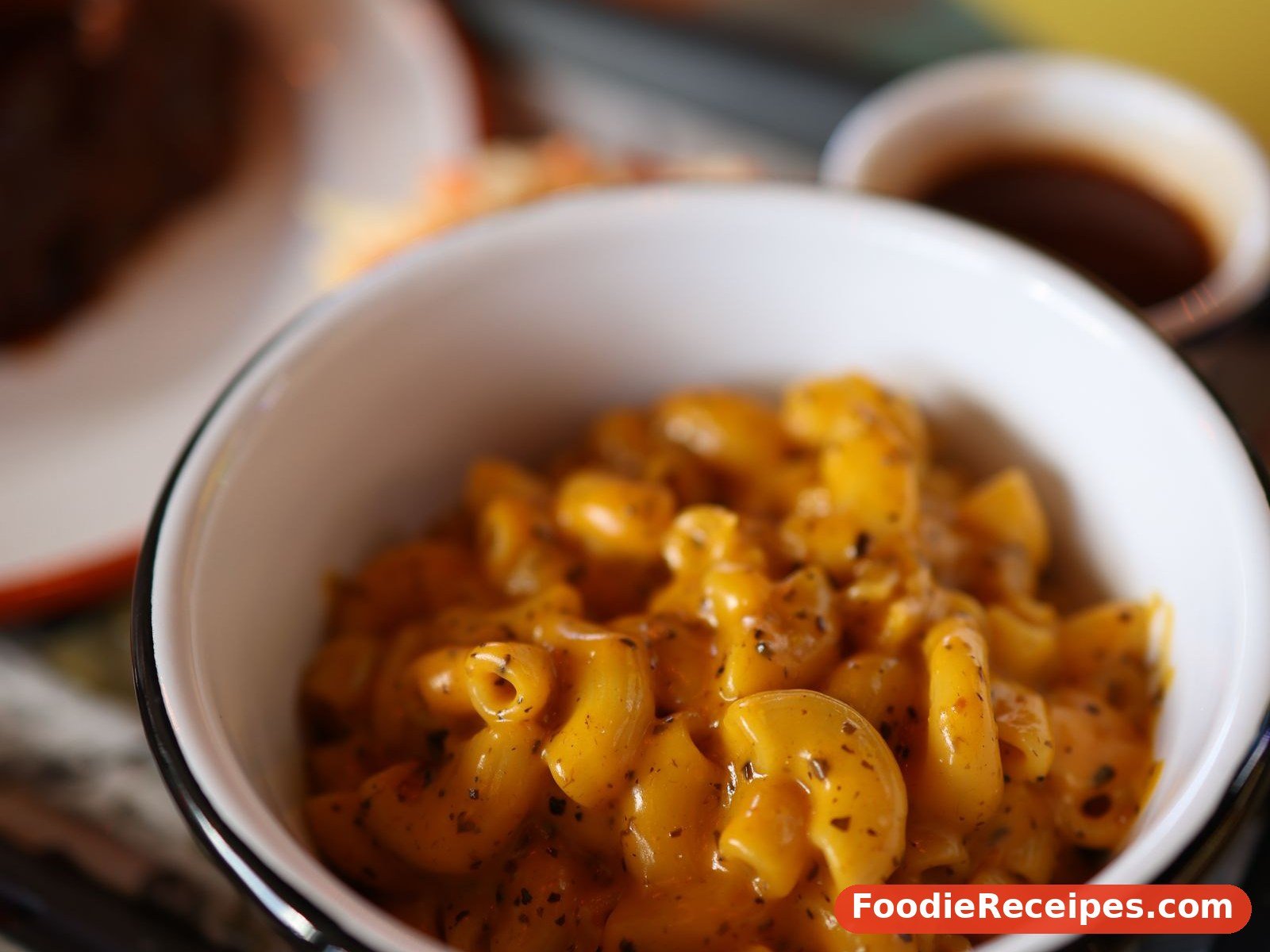
- Temper the eggs. In a medium bowl, whisk the evaporated milk, eggs, mustard, salt, pepper, paprika, garlic powder, and cayenne until completely smooth. Ladle about ½ cup (120 ml) of the hot cheese-pasta mixture into the bowl while whisking constantly — this warms the eggs gently so they will not scramble. Pour the tempered mixture back into the pot and stir until everything is evenly combined and lusciously creamy.
- Assemble the dish. Pour half the macaroni into the buttered dish and spread it level. Sprinkle with the remaining 1 cup (115 g) of sharp cheddar. Top with the rest of the macaroni, then cover the surface completely with the final 1 cup (115 g) of shredded topping cheese. Dust lightly with paprika for color.
- Bake (25–30 minutes). Bake, uncovered, until the top is deep golden in spots, the edges are bubbling, and the center is just set — it should jiggle very slightly when you nudge the dish. That slight jiggle is perfect; it will finish setting as it rests.
- Rest (10 minutes). Let the mac and cheese rest for a full 10 minutes. The custard sets, the sauce turns from loose to spoon-coating, and slices hold their shape.
- Serve. Spoon out generous portions, making sure everyone gets some of the golden top. Serve hot, and accept the compliments gracefully.
Tips for Perfect Results
- Undercook the pasta on purpose. Pasta that is perfectly cooked before baking will be overcooked after. One to two minutes shy of al dente is the professional move.
- Never boil the cheese. Cheese sauces split at high heat. Melt over the lowest heat, or off the heat using the pasta’s warmth. If a sauce ever looks oily, a splash of warm evaporated milk whisked in can bring it back together.
- Temper the eggs. Cold egg mixture dumped into hot pasta can scramble into little curds. The ladle of hot pasta stirred into the eggs first prevents it completely.
- Shred your own cheese. Two minutes with a box grater buys you a dramatically smoother sauce. If bagged cheese is your reality, toss it with a teaspoon of cornstarch to help it melt gracefully.
- The jiggle test. Pull the dish when the center still trembles slightly. The residual heat finishes the set, and the result is creamy instead of firm and dry.
- Rest it. Ten minutes. Non-negotiable. Baked mac served straight from the oven is soup; rested mac is silk with structure.
- Watch the top. If the top browns before the center sets, lay a sheet of foil loosely over the dish for the remaining time.
Common mistakes: boiling the pasta fully before baking (mushy mac), adding cold eggs directly (scrambled bits), and overbaking (dry, separated sauce). Firm pasta, tempered eggs, and a watched clock solve all three.
Variations and Substitutions
- No eggs: For a looser, stove-top-style baked mac without the custard set, leave the eggs out. The texture will be saucier and less sliceable — still delicious.
- Different cheeses: Gouda (especially smoked), fontina, Monterey Jack, and Gruyère all melt beautifully. Keep at least half the blend as sharp cheddar for the classic flavor. A little cream cheese (4 oz / 115 g) melted in adds tang and body.
- Crunchy topping: Toss ¾ cup (45 g) panko with 2 tablespoons melted butter and scatter over the top before baking for a golden, crisp lid.
- Lobster or crab mac: Fold in 8 oz (225 g) of cooked lobster or lump crab meat before baking, with a pinch of Old Bay in place of the paprika. Special-occasion material.
- Buffalo chicken mac: Stir in 2 cups (280 g) shredded chicken and ¼ cup (60 ml) buffalo sauce, top with blue cheese crumbles and a drizzle of ranch after baking.
- Broccoli cheddar mac: Add 2 cups (180 g) small blanched broccoli florets to the pasta before baking. A childhood classic, upgraded.
- Lighter version: Use low-fat evaporated milk, reduce the cheddar to 2 cups (225 g), and swap in part-skim mozzarella for some of the blend. It will be a bit less lush but still properly cheesy.
- Spicy: Add a diced jalapeño to the pasta water pot scene — better, stir it into the sauce — and a full ½ teaspoon of cayenne.
What to Serve With
Baked mac and cheese can be the main event or the most popular side at the table:
- Fried or roasted chicken — the soul food classic pairing
- Barbecue pulled pork or ribs — rich meets smoky
- Collard greens or green beans — the essential green contrast
- A simple tomato salad or sliced tomatoes — acidity cuts the richness
- Baked beans and coleslaw for a full cookout plate
- As a holiday side next to turkey, ham, and all the trimmings
Serving and Storage
Serve the mac and cheese hot from the dish, in generous scoops with plenty of the golden top. If it is a main course, a green vegetable or salad on the side makes the meal.
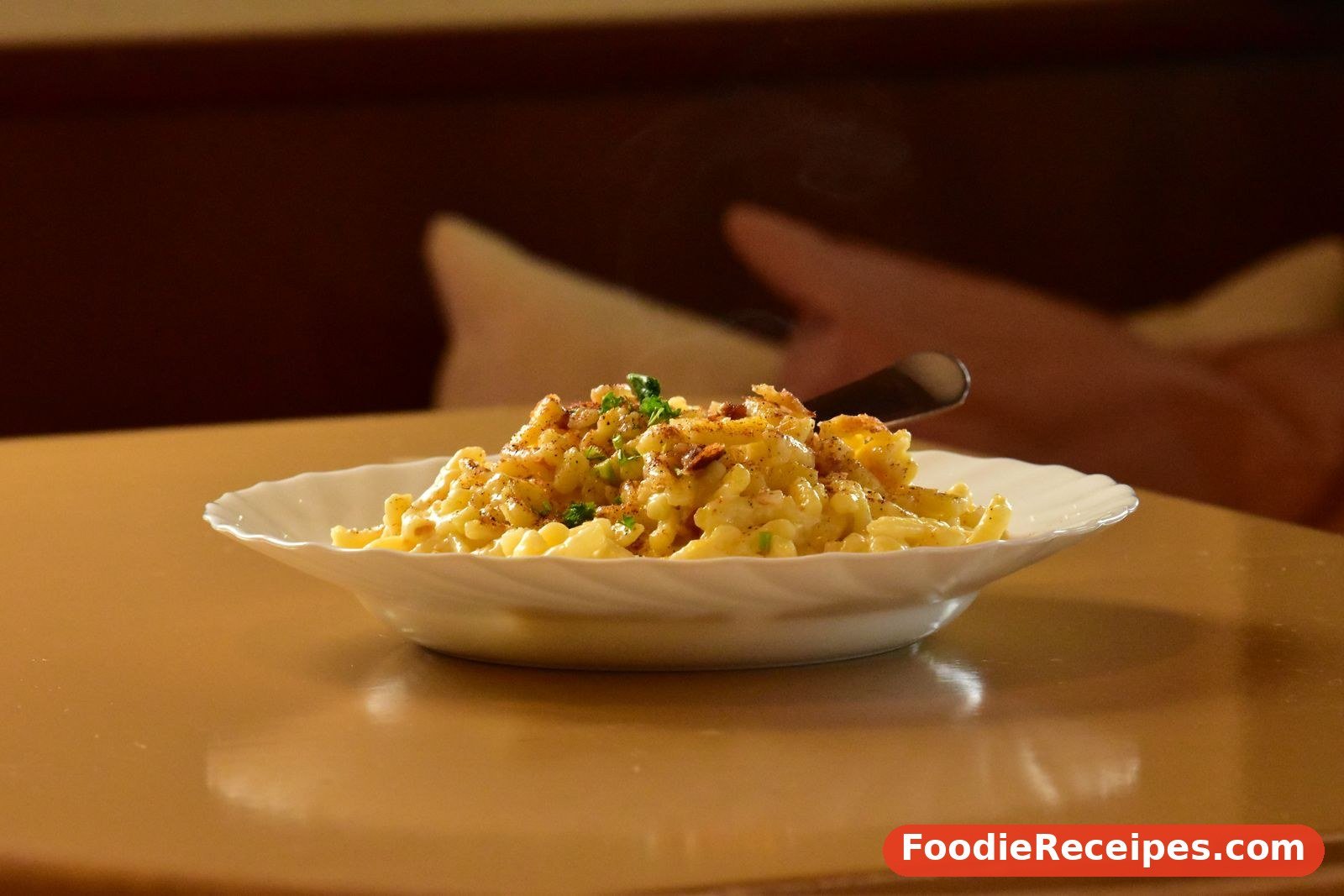
Refrigerator: Cover the dish or transfer leftovers to containers and refrigerate for up to 4 days.
Freezer: Baked mac and cheese freezes decently for up to 3 months. The texture softens and the sauce can lose a touch of its silk, but a gentle reheat restores most of its glory. Freeze in portions for easy sides.
Reheating: The oven wins again: cover with foil and warm at 350°F (175°C) for 20 to 25 minutes, adding a splash of milk (about 1 tablespoon per portion) to restore creaminess. For a single serving, microwave at 70% power with a spoonful of milk, stirring once, for 2 to 3 minutes. Reheat to 165°F (74°C).
Make-ahead: Assemble the entire dish (without baking) up to a day ahead, cover, and refrigerate. Let it sit at room temperature for 30 minutes before baking, and add 5 to 10 minutes to the bake since it starts cold. The texture after baking is virtually identical to fresh-assembled.
Frequently Asked Questions
Can I use regular milk instead of evaporated milk?
You can, and the mac will still be good, but it will be a little less rich and the sauce slightly less stable. If fresh milk is what you have, use whole milk and consider whisking 1 tablespoon of cornstarch into it to help the sauce hold together through the bake.
What about sweetened condensed milk by mistake?
Do not use it — it is full of sugar and will make dessert out of your dinner. If you have already bought it, save it for pie. For this recipe the can must say “evaporated milk.”
Why did my mac and cheese turn out grainy?
Graininess comes from cheese that got too hot, or from pre-shredded cheese coatings, or from very aged cheeses that do not melt smoothly. Melt cheese gently over low heat, shred your own, and stick to good melting cheeses. A small amount of American cheese in the blend is powerful insurance — its emulsifiers keep the whole sauce smooth.
Why is my baked mac dry?
It was probably overbaked, or the pasta was fully cooked before it went into the oven and drank up all the sauce. Pull the dish while the center still jiggles slightly, and next time shave another minute off the pasta boiling.
Can I make this on the stove top only?
Yes — just skip the baking dish and the eggs. After stirring the evaporated milk mixture (without eggs) into the cheesy pasta over low heat, let it simmer gently for 2 to 3 minutes until glossy, then serve. You lose the golden top and sliceable set, but you gain five minutes and a very creamy bowl.
Can I make it in a slow cooker?
You can. Combine everything as directed (temper the eggs still matters), cook on LOW for 2 to 3 hours, and stir once halfway. The edges get deliciously browned. Watch it near the end — slow cookers vary, and overcooked mac is dry mac.
How do I get those crispy edge pieces?
Bake in a dish that gives you lots of surface area and edges — a 9 × 13 is already good — and let the top get properly deep golden rather than pale. The corners where cheese meets dish are the prize bites. Some families fight over them; plan accordingly.
Final Thoughts
Easy baked mac and cheese with evaporated milk is a recipe that respects both your time and your standards. The canned milk does the heavy lifting that keeps the sauce silky, the eggs set it into classic baked form, and real cheddar gives it the flavor that no boxed mix has ever matched. It is holiday-worthy and Tuesday-friendly at the same time — and those are the recipes worth keeping forever.